
Selecting the right spark plug is essential for maintaining engine efficiency, fuel economy, and smooth acceleration. While all spark plugs serve the same fundamental purpose—delivering the electrical spark that ignites the air-fuel mixture inside the combustion chamber—the materials used in their electrodes significantly influence their performance, durability, and overall cost. Copper, platinum, and iridium represent the three primary tiers of spark plug technology, each offering distinct engineering trade-offs designed for different engine types and driving conditions.
Choosing the optimal spark plug is not a matter of finding a single, universally superior material. Instead, it requires matching the specific requirements of your vehicle’s ignition system with your driving habits and maintenance preferences. Installing the wrong type of plug can lead to poor engine performance, increased emissions, or even severe mechanical damage, making it crucial to understand how these materials compare.
Material Properties and Conductivity Differences
To understand how spark plugs differ, it is helpful to look at the physical properties of the metals used in their construction. Copper is an exceptional conductor of electricity and heat, surpassed only by silver among common metals. Because of this high conductivity, standard copper spark plugs typically feature a solid copper core paired with a nickel alloy tip. However, nickel alloy has a relatively low melting point and is softer than precious metals, meaning the electrode wears down more rapidly under the intense heat and electrical arcing of the combustion chamber.
Products mentioned in this guide
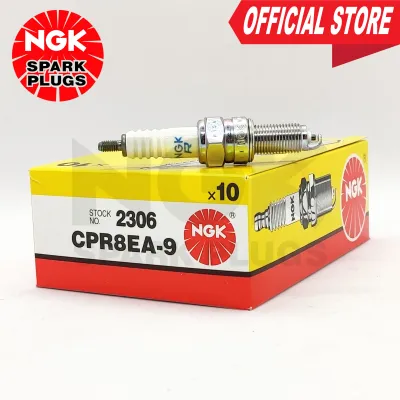
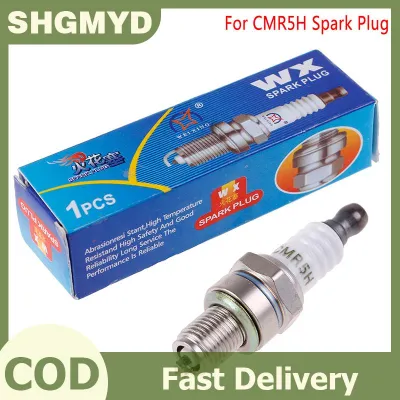
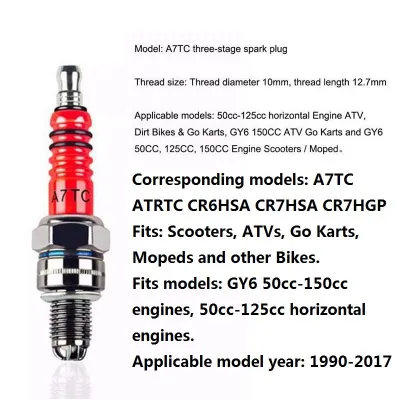
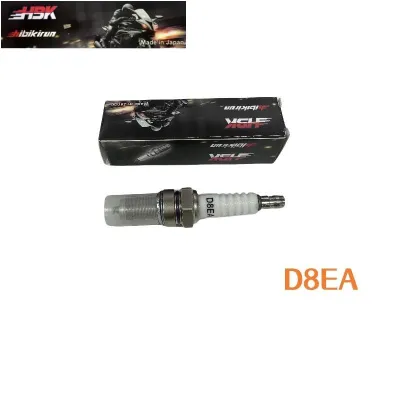
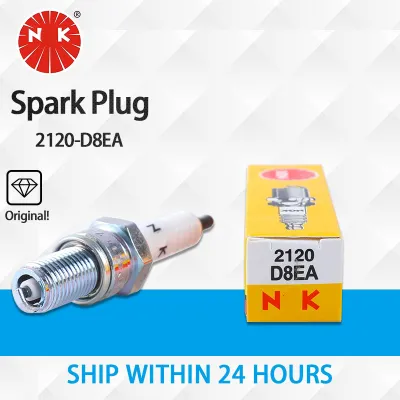
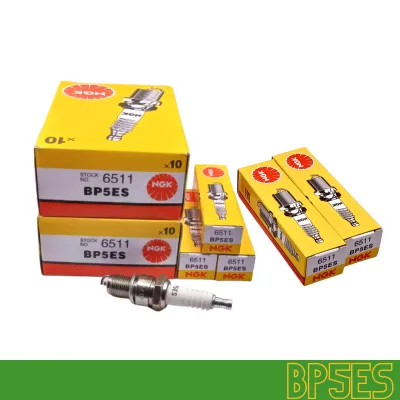
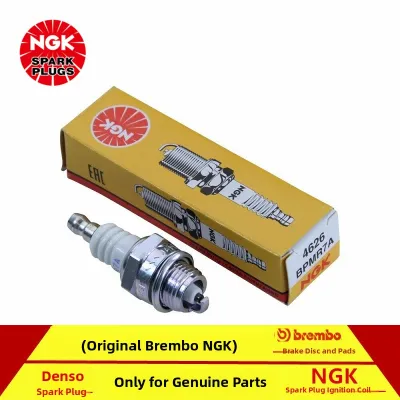
Prices are valid at publication and may change. Please refer to the product page for the latest price.
Platinum and iridium are precious metals characterized by extreme hardness and exceptionally high melting points. Platinum melts at approximately 1,768 degrees Celsius, while iridium melts at an even higher temperature of around 2,446 degrees Celsius. These properties make them highly resistant to spark erosion and chemical corrosion, allowing manufacturers to design electrodes with much finer tips without risking rapid wear.
This difference in electrode tip geometry is a key factor in spark plug performance. Because copper electrodes wear down quickly, they must be designed with a relatively thick center electrode to ensure a reasonable service life. In contrast, the durability of platinum and iridium allows for “fine wire” center electrodes, which concentrate the electrical field at the tip. This concentration reduces the voltage required to jump the gap, resulting in more reliable spark generation, easier cold starts, and less strain on your vehicle’s ignition coils.
Expected Lifespan and Replacement Intervals
The durability of the electrode material directly dictates how long a spark plug can remain in service before its gap widens excessively. As a spark plug fires, microscopic amounts of metal are worn away from the electrodes. Over time, this wear increases the distance the spark must jump, requiring higher voltage from the ignition system and eventually leading to misfires, rough idling, and reduced fuel efficiency.

Standard copper spark plugs have the shortest service life, typically requiring replacement every 30,000 to 45,000 kilometers. Because the nickel alloy tip wears down relatively quickly, the gap must be checked and adjusted regularly to maintain optimal performance. Platinum spark plugs offer a significant step up in longevity, often lasting between 80,000 and 100,000 kilometers before requiring replacement, thanks to the wear-resistant platinum disc welded to the center electrode.
Iridium spark plugs represent the pinnacle of durability, with many types engineered to last 120,000 to 150,000 kilometers or more. In demanding driving environments—such as the intense tropical heat, high humidity, and prolonged stop-and-go traffic common in urban areas of the Philippines—ignition components are subjected to severe thermal stress. Under these conditions, the superior heat resistance of iridium and platinum helps prevent premature degradation, though actual lifespans will always depend on engine health, fuel quality, and driving habits. Always consult your vehicle’s owner’s manual or service booklet to verify the recommended replacement intervals for your specific engine.
Upfront Cost Versus Long-Term Value
When evaluating spark plugs, vehicle owners must weigh the immediate purchase price against the long-term value and maintenance effort. Copper spark plugs are highly affordable, making them an attractive option for budget-conscious drivers or owners of older vehicles. They represent the lowest upfront cost in ₱ per plug, but their frequent replacement intervals mean you will purchase them more often over the lifespan of the vehicle.
Platinum plugs occupy a middle ground, offering a balanced price point that reflects their extended lifespan. Iridium plugs sit at the top of the price spectrum, requiring a larger initial investment in ₱. However, focusing solely on the retail price of the parts can be misleading, especially when professional labor costs are factored into the equation.
If you do not perform your own vehicle maintenance, you must pay a mechanic to replace the plugs. For engines where the spark plugs are easily accessible, labor costs may be minimal. However, many modern vehicles feature complex engine layouts—such as V6, V8, or boxer configurations—where accessing the spark plugs requires removing the intake manifold, ignition coils, and other tightly packed components. In these cases, the labor cost can easily exceed the price of the plugs themselves. Installing long-lasting iridium plugs in such engines is highly economical, as it minimizes the frequency of expensive service visits.
Decision Framework: Which Type Fits Your Vehicle?
Selecting the correct spark plug requires a systematic approach based on your vehicle’s design and your personal maintenance preferences. Use the following guidelines to determine which material is appropriate for your engine:
- Choose Copper if: Your vehicle is an older model or a classic car whose ignition system was specifically designed for copper plugs. Some older ignition coils do not produce enough voltage to work optimally with precious metal plugs. Copper is also ideal for low-mileage vehicles or for owners who enjoy performing regular DIY maintenance and prefer to inspect their engine bay frequently.
- Choose Platinum if: Your owner's manual explicitly recommends platinum plugs, or if your vehicle utilizes a distributor-less "waste spark" ignition system. In waste spark systems, the spark fires from the center electrode to the ground electrode on one cylinder, and in reverse on the companion cylinder. Double-platinum plugs, which feature platinum pads on both the center and ground electrodes, are specifically engineered to withstand this two-way wear.
- Choose Iridium if: Your vehicle is a modern, high-performance, turbocharged, or supercharged model that came equipped with iridium plugs from the factory. Iridium is also the best choice if you want to maximize the time between maintenance intervals, improve cold-weather starting reliability, or if your engine bay has highly restricted access to the spark plug wells.
- Verify first if: Your engine has aftermarket modifications, is tuned for high performance, or if the manufacturer mandates a highly specific original equipment manufacturer (OEM) part number. In many modern, computer-controlled engines, substituting the specified spark plug material with a different type can disrupt the engine control unit's (ECU) combustion monitoring, leading to performance issues.
Verification and Installation Safety Boundaries
Working on your vehicle’s ignition system requires strict adherence to safety protocols and precise installation techniques. Before purchasing any replacement parts, you must verify that the new spark plugs match the exact specifications required by your engine. This includes matching the thread pitch, thread reach (the length of the threaded portion), seat type (tapered or gasket), and the specific heat range.
Installing a spark plug with the incorrect reach can cause catastrophic engine damage; a plug that is too long can protrude into the combustion chamber and be struck by the piston, while a plug that is too short will shroud the spark and cause incomplete combustion. Similarly, the heat range—which refers to the plug’s ability to dissipate heat from the combustion chamber—must be correct. A plug that runs too hot can cause pre-ignition and engine knock, while a plug that runs too cold will accumulate carbon deposits and foul quickly.
When installing precious metal spark plugs, extreme care must be taken during the gapping process. The fine-wire center electrodes of platinum and iridium plugs are incredibly delicate. Attempting to adjust the gap using a traditional coin-style gapping tool can easily chip, bend, or snap the precious metal tip, rendering the plug useless. If adjustment is necessary, use a specialized wire-loop gapping tool that applies force only to the ground electrode, or purchase pre-gapped plugs that match your vehicle’s exact specifications.
Finally, always ensure the engine is completely cool before attempting to remove or install spark plugs. Aluminum cylinder heads, which are standard in most modern vehicles, expand when hot and are highly susceptible to thread damage. Over-tightening a spark plug can strip the threads in the cylinder head, requiring expensive repairs, while under-tightening can allow combustion gases to leak past the threads. Always use a calibrated torque wrench and follow the manufacturer’s torque specifications or rotation guides.
Frequently Asked Questions (FAQ)
Can I upgrade from copper to iridium spark plugs?
In many modern and mid-aged vehicles, upgrading from copper to iridium is a safe and effective way to extend maintenance intervals and improve ignition stability. However, this upgrade is only beneficial if the physical dimensions, thread pitch, and heat range of the new iridium plug match the original specifications exactly. Some older ignition systems or classic engines are specifically tuned for the thermal and electrical characteristics of copper plugs; in these vehicles, upgrading to iridium may not yield noticeable performance gains and could occasionally cause minor ignition issues. Always consult your vehicle’s service manual before changing spark plug materials.
What happens if I use the wrong spark plug material or heat range?
Using the incorrect spark plug material or heat range can lead to severe engine performance issues and potential mechanical damage. If the heat range is too cold, the plug will fail to reach its self-cleaning temperature, leading to carbon fouling, misfires, and poor fuel economy. Conversely, if the heat range is too hot, the plug can retain excessive heat, causing pre-ignition (where the fuel-air mixture ignites prematurely). This can result in engine knocking and severe piston or valve damage. Additionally, physical mismatches in thread length can cause the plug to protrude too far into the combustion chamber, risking physical contact with the piston.
Community discussion
Share your experience or ask a question. Comments are reviewed before publication.