
Quick Answer: Choosing the Right Spark Plug for Mio Sporty
Choosing the right spark plug for mio sporty depends heavily on your daily riding habits, maintenance routine, and budget. If you use your Yamaha Mio Sporty primarily for short daily commutes around the neighborhood and do not mind performing regular maintenance, a standard copper spark plug is a highly cost-effective choice. For riders seeking a balance of durability and reliable performance without the hassle of frequent replacements, a platinum plug offers a sensible middle ground. If you use your scooter for heavy daily commuting through intense city traffic, long-distance riding, or delivery services, an iridium plug provides the longest service life and the most consistent ignition performance under high heat.
Regardless of the electrode material you select, the spark plug must strictly match the manufacturer’s specified thread dimensions, hex size, and heat range for the Mio Sporty engine. Installing a plug with incorrect specifications can lead to severe engine damage, poor fuel efficiency, or starting issues.
Core Differences: How Copper, Platinum, and Iridium Electrodes Work
To understand why these materials perform differently, it is helpful to look at how spark plug electrodes are constructed. The central electrode of a spark plug is responsible for carrying the high-voltage electrical current from the ignition coil to ignite the compressed air-fuel mixture inside the cylinder. The ease with which this spark jumps the gap is heavily influenced by the shape, size, and material composition of the electrode tip.
Products mentioned in this guide
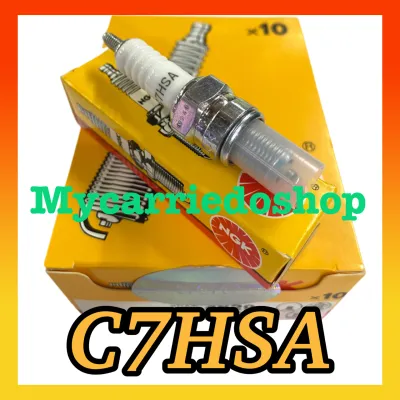
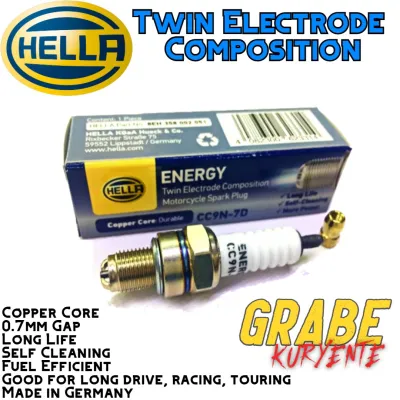
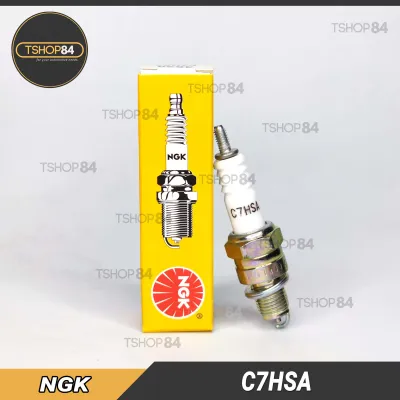
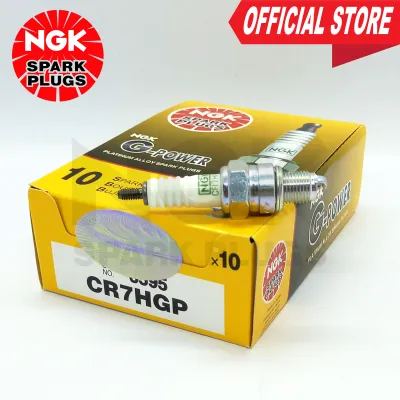
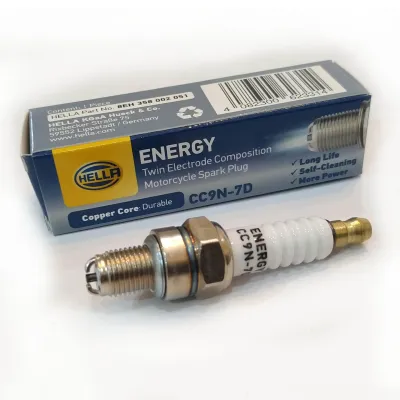
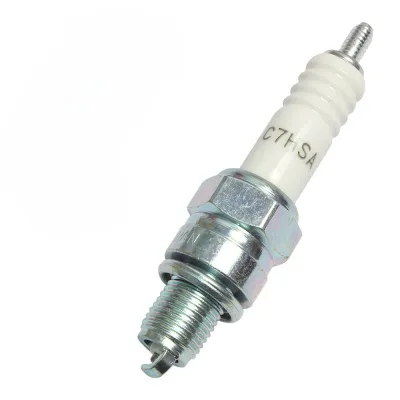
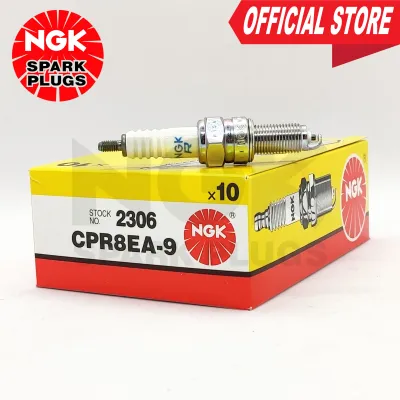
Prices are valid at publication and may change. Please refer to the product page for the latest price.

Copper spark plugs feature a solid copper core with a relatively wide nickel-alloy tip. Copper is an outstanding conductor of electricity and heat, which allows it to transfer electrical energy efficiently. However, nickel has a lower melting point compared to precious metals, meaning the electrode wears down and erodes more quickly under the extreme heat of combustion. To compensate for this rapid wear, manufacturers must make the electrode tip relatively thick, which requires a slightly higher voltage to generate a spark over time.
Platinum and iridium spark plugs utilize precious metals with exceptionally high melting points and superior physical hardness. Because these materials are highly resistant to electrical erosion and chemical corrosion, manufacturers can design them with incredibly fine electrode tips. An iridium tip, for example, can be as thin as 0.4 mm to 0.6 mm, whereas a standard copper electrode tip is typically much wider.
These material differences dictate the plug’s physical durability and spark concentration rather than fundamentally altering the engine’s maximum power output. A precious metal plug does not create “extra” horsepower out of nowhere; instead, it ensures that the spark is highly concentrated and consistent throughout the plug’s lifespan, even under challenging operating conditions.
Key Comparison Dimensions for Your Spark Plug for Mio Sporty
Longevity and Replacement Intervals
The primary difference you will notice in daily operation is how often you need to replace the plug. Copper plugs experience faster electrode degradation because the nickel-alloy tip wears down with every ignition cycle, gradually widening the gap. As the gap widens, the ignition system must work harder to bridge the distance, eventually leading to misfires.
Platinum offers a moderate extension in service life compared to copper. The platinum disc welded to the tip resists wear much better than nickel, keeping the spark gap stable for a longer duration under typical tropical riding conditions.
Iridium plugs provide the longest service life of the three options. The extreme hardness of iridium means the fine-wire electrode remains virtually unchanged even after thousands of kilometers of exposure to high combustion temperatures. To determine the exact replacement schedule for your chosen plug, always check the specific mileage recommendations printed on the product packaging or consult the Yamaha Mio Sporty owner’s manual, as actual intervals vary based on your specific riding conditions, fuel quality, and engine health.
Ignition Performance and Throttle Response
The physical design of the electrode tip directly influences how your Mio Sporty responds when you twist the throttle. Because platinum and iridium plugs feature much finer tips, they concentrate the electrical field at the point of discharge. This concentration allows the spark to jump the gap at a lower voltage requirement from the ignition coil.
In practical terms, this lower voltage requirement translates to easier cold starts on chilly, damp mornings and a smoother, more stable idle when waiting at traffic lights. It also provides a crisper, more immediate throttle response when accelerating from a complete stop, which is highly beneficial in dense, stop-and-go traffic.
While a brand-new copper plug offers excellent electrical conductivity and will perform beautifully initially, its performance will gradually decline as the thick electrode tip rounds off and the gap widens. It is also important to remember that a brand-new spark plug of any material will always perform better than a worn-out, fouled plug, and your overall engine condition—such as carburetor tuning and compression—plays a much larger role in performance than the plug material alone.
Cost and Overall Value
When evaluating the financial side of your decision, you must weigh the upfront purchase price against long-term replacement frequency. Copper spark plugs are highly affordable, typically costing under ₱150 at local motorcycle parts shops, making them the go-to option for budget-conscious riders or those who perform frequent, scheduled maintenance.
Platinum spark plugs sit in the mid-range price tier, offering a balanced compromise for riders who want better durability without paying a premium. They reduce the frequency of plug changes while remaining highly accessible.
Iridium spark plugs command the highest upfront price, often retailing between ₱300 and ₱600 or more depending on the brand. However, the value proposition of iridium lies in its long-term cost per kilometer and the convenience it offers. By choosing iridium, you minimize the frequency of removing the scooter’s body panels to access the engine, saving time and reducing wear on plastic clips and screws. To find the most cost-effective option for your situation, check current pricing at reputable local auto parts stores or online marketplaces, and factor in how long you plan to keep the scooter.
How to Verify Compatibility and Avoid Engine Damage
Before purchasing any spark plug for mio sporty, you must understand that the electrode material is secondary to the physical and thermal specifications of the plug. Installing a plug that does not match your engine’s requirements can cause catastrophic internal damage, ranging from a holed piston to stripped cylinder head threads.
To ensure a safe match, you must verify three critical dimensions and specifications:
- Thread Size and Reach: The spark plug must have the exact thread diameter and length specified by Yamaha. If the threads are too long, the plug will protrude too far into the combustion chamber, where it can strike the piston or valves. If the threads are too short, the spark will not be positioned correctly, leading to incomplete combustion and carbon buildup on the exposed cylinder head threads.
- Hex Size: The hex nut portion of the plug must match the standard spark plug wrench size for your scooter to allow for safe installation and removal without slipping or stripping.
- Heat Range: This is the most critical thermal specification. The heat range refers to the plug's ability to dissipate heat from its firing tip into the cylinder head cooling system. A plug that is too "hot" retains too much heat, which can ignite the air-fuel mixture prematurely (pre-ignition), leading to engine knocking and potential piston melting. A plug that is too "cold" dissipates heat too quickly, preventing the plug from reaching its self-cleaning temperature, which results in rapid carbon fouling and hard starting.
To find the correct specifications, always cross-reference the part number printed on your current plug, check the Yamaha Mio Sporty service manual, or use official cross-reference charts provided by reputable spark plug manufacturers to locate the exact platinum or iridium equivalent of the standard copper plug.
Safe Installation and Maintenance Boundaries
Replacing a spark plug is a common maintenance task, but it requires strict adherence to safety boundaries to prevent costly damage to your Mio Sporty’s aluminum cylinder head.
- Engine Temperature: Always allow the engine to cool down completely before attempting to remove or install a spark plug. Aluminum expands when hot, and attempting to unscrew a plug from a hot engine can easily strip or gall the delicate threads in the cylinder head, requiring expensive repairs like installing a thread insert.
- Torque Specifications: Use a calibrated torque wrench to tighten the spark plug to the manufacturer's exact torque specification. Over-tightening can stretch the metal shell, crack the ceramic insulator, or strip the cylinder head threads. Under-tightening can prevent the plug from sealing properly, causing compression loss, and will hinder heat dissipation, leading to severe overheating.
- Gap Verification: Before installing any spark plug, even those labeled as "pre-gapped" from the factory, always verify the electrode gap using a wire-type feeler gauge. Rough handling during shipping can alter the gap. Adjust the gap carefully using the correct gapping tool, taking extreme care not to apply pressure to the fragile center electrode, especially on platinum and iridium plugs.
- Safety Limits: If you encounter heavy resistance while unscrewing the old plug, if the threads appear damaged, or if the ceramic insulator of the new plug cracks during installation, stop immediately. Do not attempt to force the plug in or out. Consult a qualified motorcycle mechanic to inspect the cylinder head and ensure the threads are safe to use.
Frequently Asked Questions (FAQ)
Does upgrading to Iridium require ECU remapping for the Mio Sporty?
No, upgrading to an iridium spark plug does not require any ECU remapping or carburetor tuning for the Yamaha Mio Sporty. Because the Mio Sporty utilizes a traditional carburetor system (or a standard engine control unit on fuel-injected variants), the spark plug simply acts as the ignition source. A finer iridium electrode operates more efficiently within the existing factory parameters by requiring less voltage to spark, but it does not alter the air-fuel ratio or require software modifications.
How do I know if my current spark plug needs immediate replacement?
You can identify a failing spark plug through several distinct performance and visual symptoms. On the road, you may experience difficulty starting the engine, a rough or inconsistent idle, frequent misfires, sluggish acceleration, or a noticeable drop in fuel economy. Visually, once the plug is removed, look for signs of heavy black carbon deposits (carbon fouling), wet oil coating, a severely rounded or eroded center electrode, or a cracked ceramic insulator. If any of these conditions are present, the plug must be replaced immediately to restore proper engine function.
Community discussion
Share your experience or ask a question. Comments are reviewed before publication.