
Choosing the right spark plug for your vehicle is not simply a matter of buying the most expensive option on the shelf. The ideal choice depends directly on your vehicle manufacturer’s original specifications, your engine’s design, and your typical driving conditions. While modern precious metals like iridium and platinum offer exceptional longevity, older engines are often engineered specifically to run on highly conductive copper. Selecting the wrong material can lead to poor engine performance, ignition system strain, or even costly internal damage.
Understanding the Core Differences in Spark Plug Materials
To make an informed decision, it is essential to understand how the physical properties of copper, platinum, and iridium affect spark plug performance. The spark plug’s primary role in the ignition system is to deliver an electrical current from the ignition coil across a small gap, creating a spark that ignites the compressed air-fuel mixture in the combustion chamber. The material used on the center and ground electrodes determines how efficiently this spark is created and how well the plug resists wear over time.
Copper spark plugs feature a solid copper core with a nickel alloy coating. Copper is an outstanding conductor of electricity and heat, allowing the plug to run cooler and deliver a strong spark. However, nickel alloy has a relatively low melting point and is softer than precious metals. Because of this, copper plugs require a larger center electrode diameter to withstand electrical erosion, which in turn requires higher voltage from the ignition system to jump the gap.
Products mentioned in this guide
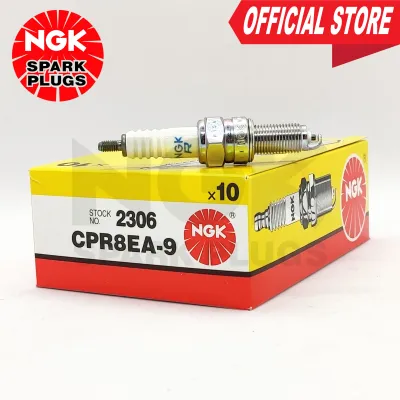
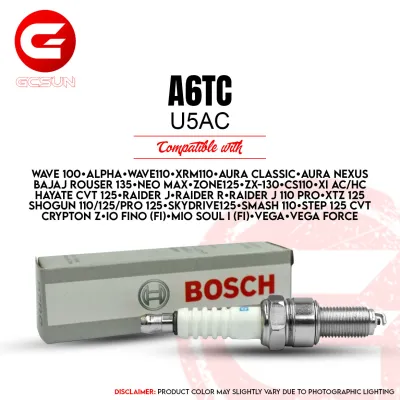
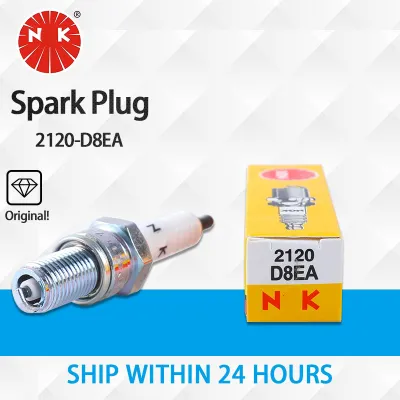
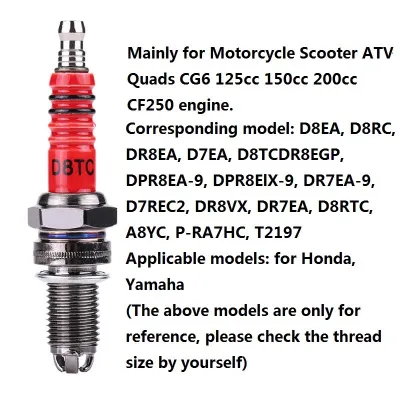
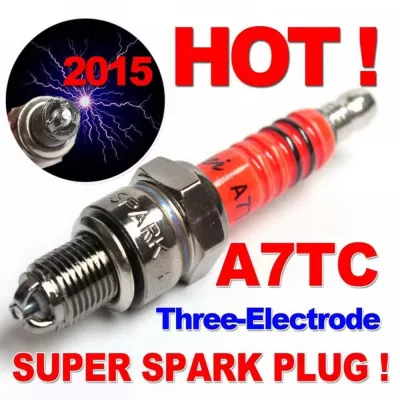
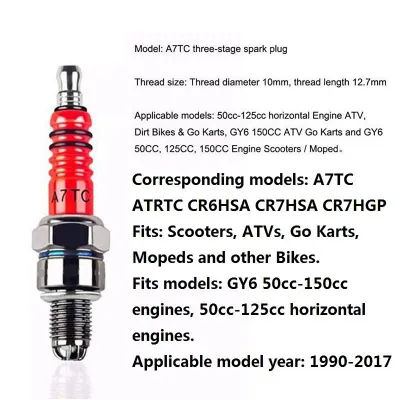
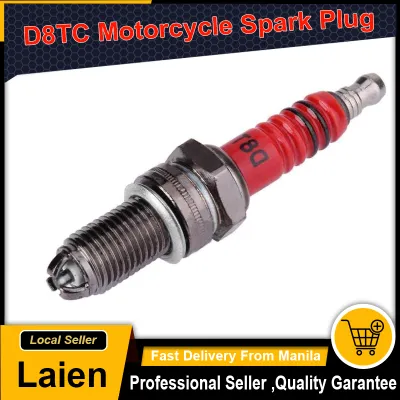
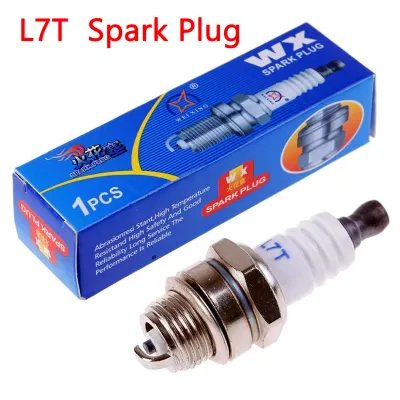
Prices are valid at publication and may change. Please refer to the product page for the latest price.
Platinum spark plugs utilize a small platinum disc welded to the tip of the center electrode. Platinum is significantly harder than nickel alloy and has a higher melting point. This durability allows manufacturers to design a thinner center electrode tip. A thinner tip concentrates the electrical charge, requiring less voltage to generate a reliable spark while offering much greater resistance to wear and gap widening.
Iridium spark plugs represent the premium tier of ignition technology. Iridium is an extremely hard, dense precious metal with an exceptionally high melting point. This extreme durability allows for an ultra-fine center electrode wire, often measuring less than a millimeter in diameter. This fine-wire design focuses the electrical energy highly efficiently, requiring the lowest voltage of all three types to produce a consistent, hot spark, even under high-compression or turbocharged engine conditions.
Comparing Lifespan and Maintenance Intervals
The durability of the electrode material directly dictates how long a spark plug can remain in service before requiring replacement. Over time, the constant electrical arcing and intense heat of combustion wear away the electrode metal, gradually widening the spark gap. When the gap becomes too wide, the ignition coil must work harder to bridge the distance, eventually leading to misfires, rough idling, and reduced engine efficiency.

To determine when your spark plugs need attention, your first and most reliable source of information is always your vehicle owner’s manual. Manufacturers establish recommended replacement intervals based on extensive testing of the original equipment. While copper plugs typically require more frequent inspections and replacements due to the rapid wear of their nickel-alloy coating, platinum and iridium plugs are designed to maintain their precise gap dimensions for significantly longer periods under normal operating conditions.
During routine maintenance or inspections, several observable signs indicate that your spark plugs have reached the end of their functional life. Look for rounded center electrodes, a visibly widened gap, or heavy deposits on the firing tip. In tropical climates with high humidity and heavy stop-and-go traffic, engines run hot for extended periods, which can accelerate deposit formation and electrode degradation. If you observe oil fouling, wet fuel deposits, or a blistered white insulator tip, these are signs of underlying engine issues or incorrect heat ranges that require immediate professional diagnosis.
Evaluating Cost and Value for Your Budget
When shopping for replacement spark plugs, you will encounter distinct price tiers. Copper plugs are the most affordable upfront option, often costing a fraction of the price of premium alternatives. Platinum plugs occupy the mid-range tier, offering a balance of improved longevity and moderate pricing. Iridium plugs sit at the top of the market as a premium investment, reflecting the high cost of the raw metal and the advanced manufacturing processes required to work with it.
However, evaluating the true value of a spark plug requires looking beyond the initial purchase price at the checkout counter of an online marketplace or local auto parts store. You must calculate the total cost of ownership, which includes either your personal time or the labor fees charged by a professional mechanic. For vehicles with complex engine layouts—such as V6 or V8 engines where accessing the rear bank of spark plugs requires removing the intake manifold—the labor cost of replacement can far exceed the price of the plugs themselves. In these scenarios, investing in long-lasting iridium plugs is highly cost-effective, as it minimizes the frequency of expensive service visits.
Your choice should also align with your vehicle’s expected remaining lifespan and your personal ownership timeline. If you drive an older vehicle that you plan to sell soon, or if the vehicle is only used occasionally for short trips, mid-tier platinum or budget-friendly copper plugs may offer the most practical value. Conversely, if you rely on your vehicle for a daily commute through congested metropolitan roads, the reliability and extended service life of premium plugs provide peace of mind that justifies the higher upfront cost in ₱.
Matching Spark Plugs to Your Vehicle and Driving Habits
Selecting the right spark plug is not a matter of simply choosing the most expensive material; it requires strict adherence to your vehicle’s original equipment manufacturer (OEM) specifications. Every engine is designed around specific spark plug dimensions, thread reach, thread pitch, and heat range. The heat range refers to the plug’s ability to dissipate heat from the combustion chamber to the cylinder head. Installing a plug with the incorrect heat range can cause pre-ignition (knocking) or chronic carbon fouling, both of which can lead to severe engine damage.
Older engines, particularly those built before the widespread adoption of electronic engine management systems, were often designed specifically for copper spark plugs. These ignition systems rely on the high conductivity of copper and are calibrated for the voltage requirements of wider electrodes. Upgrading these older engines to platinum or iridium does not always yield a performance benefit and can sometimes cause ignition issues. On the other hand, modern high-compression, turbocharged, or direct-injection engines demand the precise, low-voltage spark and high-heat resistance that only iridium or platinum can provide. Downgrading a modern engine to copper plugs can lead to immediate performance degradation, frequent misfires, and rapid plug wear.
To guide your selection, use this conditional decision framework:
- Choose Copper if: Your vehicle's owner's manual explicitly specifies copper plugs, you drive an older or classic vehicle with a low-energy ignition system, and you do not mind performing regular maintenance inspections.
- Choose Platinum if: Your vehicle came equipped with platinum plugs from the factory, or you want a durable, low-maintenance upgrade for a standard passenger vehicle without paying the premium price of iridium.
- Choose Iridium if: Your vehicle's manufacturer specifies iridium as original equipment, you drive a modern turbocharged or high-performance vehicle, or your engine's spark plugs are exceptionally difficult to access, making maximum longevity your top priority.
- Verify first if: You are considering changing from the factory-recommended material. Always cross-reference the exact vehicle model, year, engine displacement, and modification status with the spark plug manufacturer's compatibility catalog before making a purchase.
Installation Safety and Verification Steps
Replacing spark plugs is a precise mechanical task that directly impacts your engine’s operation and safety. Before beginning any work, establish a safe working environment. Working on an ignition system carries risks of electrical shock and severe burns. Always ensure the engine is completely cool to the touch to prevent thermal shock to the cylinder head threads, disconnect the vehicle’s negative battery terminal, and consult your original-vehicle service manual for specific torque specifications and disassembly steps. If you are uncomfortable with electrical systems or mechanical disassembly, seek qualified professional installation.
Before installing new spark plugs, cross-reference the packaging labels with your vehicle’s manual to verify the thread size, reach, and hex size. Never force a spark plug into the cylinder head. If you encounter resistance while threading the plug in by hand, stop immediately. Forcing a mismatched or misaligned plug can cross-thread the aluminum cylinder head, a costly mistake that requires professional thread repair. If a plug feels seized during removal, apply a penetrating lubricant and allow it to sit, or consult a professional mechanic to avoid breaking the plug inside the cylinder head.
Additionally, always verify the spark plug gap before installation, even if the packaging claims the plugs are “pre-gapped.” Plugs can easily be bumped or dropped during shipping, altering the gap distance. Use a dedicated wire gap gauge or feeler gauge to measure the distance between the center and ground electrodes. When checking or adjusting the gap on platinum or iridium plugs, exercise extreme caution; the delicate precious-metal tips are highly fragile and can easily snap or chip if you apply prying force directly against them.
Frequently Asked Questions (FAQ)
Can I upgrade from copper to iridium or platinum spark plugs?
You can upgrade to platinum or iridium only if the new plugs match the exact physical dimensions, thread reach, and heat range specified by your vehicle’s manufacturer. While upgrading can extend the maintenance interval, it will not change the fundamental performance of an engine designed for copper. Never downgrade from iridium or platinum to copper, as modern ignition systems are calibrated for the low voltage requirements of precious metals and may experience misfires or coil damage with copper plugs.
How do I know if my current spark plugs need replacing?
Common symptoms of worn spark plugs include a rough engine idle, difficulty starting the vehicle, sluggish acceleration, and a noticeable drop in fuel efficiency. Visually inspecting the plugs can confirm their condition. Look for rounded electrodes, a widened gap, or heavy black carbon deposits on the ceramic insulator. If you notice oil on the plug or a melted electrode, these indicate more serious engine or heat-range issues that require immediate professional attention.
Does changing spark plug materials improve fuel economy?
Changing to a more expensive spark plug material will not boost your fuel economy beyond the vehicle’s original factory ratings. However, replacing worn, fouled, or improperly gapped spark plugs with fresh ones will restore lost fuel efficiency and engine performance. The benefit of premium materials like iridium is not an inherent increase in power, but rather their ability to maintain optimal combustion efficiency and resist wear over a much longer lifespan.
Community discussion
Share your experience or ask a question. Comments are reviewed before publication.