
Quick Answer: Which Spark Plug Material Fits Your Motorcycle?
Selecting the right spark plug for motorcycle engines is essential for maintaining optimal fuel efficiency, smooth idling, and reliable power delivery. There is no single “best” spark plug material that suits every rider; instead, the ideal choice depends on your motorcycle’s specific engine design, compression ratio, and your personal maintenance preferences.
Standard copper (nickel-alloy) spark plugs are highly conductive and economical, making them the traditional choice for older, low-compression engines or budget-conscious commuters. Platinum spark plugs offer a balanced middle ground, providing a significantly longer service life than copper without a steep increase in price. Iridium spark plugs represent the premium tier, featuring extreme durability, high heat resistance, and a highly concentrated spark that is ideal for high-performance, high-compression engines and riders who want to maximize maintenance intervals.
Before purchasing any new spark plug, you must verify the required heat range, thread pitch, and thread reach specified in your motorcycle’s owner’s manual. Installing a plug with incorrect physical dimensions or thermal properties can lead to severe, irreversible engine damage.
Products mentioned in this guide
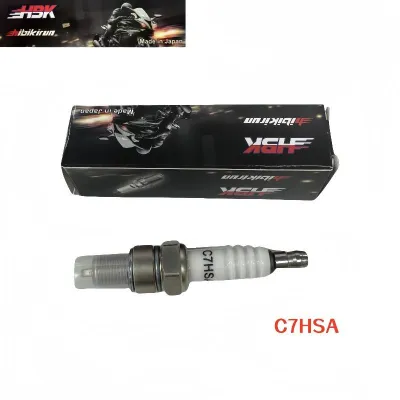
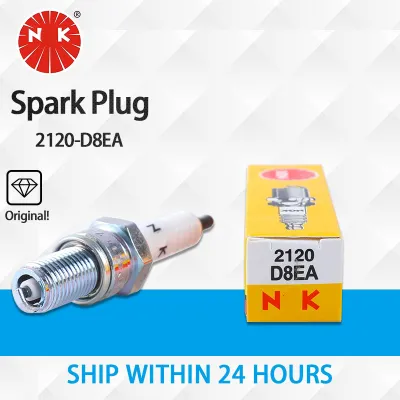
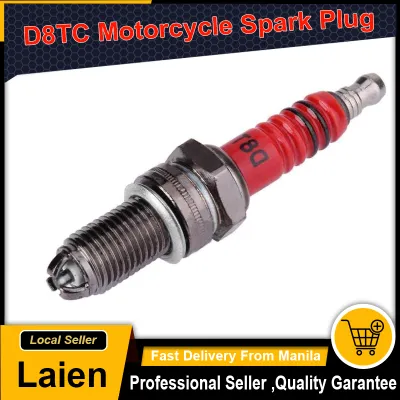
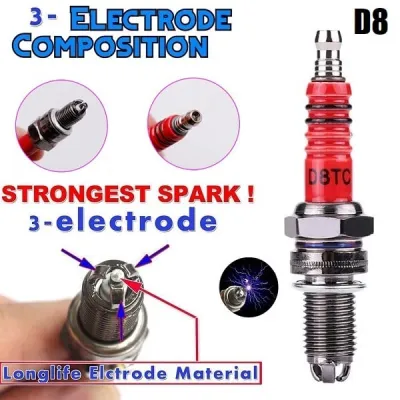
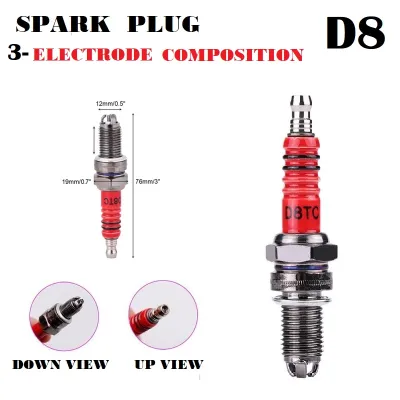
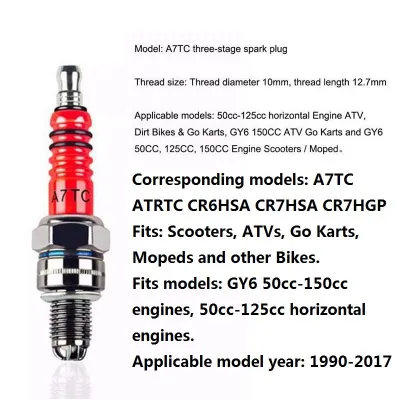
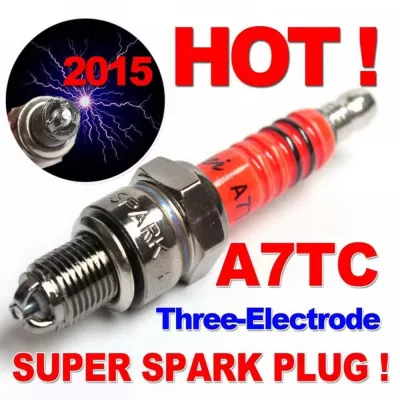
Prices are valid at publication and may change. Please refer to the product page for the latest price.
Material Breakdown: Copper, Platinum, and Iridium Explained
To understand how different spark plugs affect your motorcycle’s performance, you must first look at the metallurgy of the electrodes. The spark plug’s primary job is to channel high-voltage electricity from the ignition coil across a small gap, creating a spark that ignites the compressed air-fuel mixture inside the cylinder. The physical and chemical properties of the metal used at the electrode tip dictate how efficiently this electrical transfer occurs and how well the plug resists wear over thousands of operating cycles.

Every time a spark plug fires, a tiny amount of metal is eroded from the electrodes due to the intense heat and electrical discharge. This erosion slowly widens the spark gap, requiring the ignition system to produce higher voltages to bridge the distance. The choice between copper, platinum, and iridium determines how quickly this degradation occurs and how the spark plug behaves under extreme thermal and chemical stress.
Copper (Nickel-Alloy) Core Spark Plugs
Standard “copper” spark plugs are not made entirely of copper. Because pure copper has a relatively low melting point of approximately 1,085°C, it would quickly melt if exposed directly to the combustion chamber’s heat. Instead, these plugs feature a solid copper core encased in a harder nickel-alloy outer sheath. The copper core acts as an excellent thermal conductor, quickly transferring heat away from the combustion chamber to prevent pre-ignition.
However, the outer nickel alloy is relatively soft and has a lower melting point than precious metals, making it highly susceptible to spark erosion and chemical corrosion. To ensure the electrode does not wear away too quickly, manufacturers must design copper plugs with a thick center electrode, typically measuring around 2.5 mm in diameter. This wider profile requires more electrical voltage to jump the spark gap, and the soft nickel alloy degrades relatively quickly, necessitating frequent gap adjustments and complete replacements.
Platinum Spark Plugs
Platinum spark plugs represent a significant technological upgrade over standard nickel-alloy designs. Platinum is a precious metal that is substantially harder than nickel and boasts a much higher melting point of approximately 1,768°C. To leverage these properties, manufacturers weld a tiny platinum disc to the tip of the center electrode, and in some premium double-platinum designs, to the ground electrode as well.
Because platinum resists wear and chemical erosion far better than nickel alloy, the center electrode can be designed with a much sharper, finer tip, typically between 1.1 mm and 1.5 mm in diameter. This narrower tip concentrates the electrical field at the electrode’s end, allowing the spark to jump the gap more easily and at a lower voltage. The result is a highly reliable spark plug that maintains its gap dimensions for a much longer period, reducing the strain on your motorcycle’s ignition system.
Iridium Spark Plugs
Iridium is an extremely dense, precious metal that sits at the pinnacle of modern spark plug technology. It is roughly six times harder and eight times stronger than platinum, with an incredibly high melting point of approximately 2,443°C. This extreme thermal and mechanical durability allows manufacturers to engineer an ultra-fine center electrode tip, often measuring just 0.4 mm to 0.6 mm in diameter.
This needle-like electrode profile creates an exceptionally concentrated electrical charge, requiring significantly less voltage to initiate a spark than either copper or platinum plugs. The reduced voltage demand puts less stress on your motorcycle’s battery and ignition coil, ensuring reliable ignition even under weak battery conditions. Furthermore, iridium’s resistance to spark erosion is so high that the spark gap remains virtually unchanged over tens of thousands of kilometers, providing unmatched combustion stability under the most demanding engine temperatures.
Performance, Longevity, and Engine Compatibility
Translating these metallurgical differences into real-world riding reveals distinct variations in ignition efficiency, service life, and engine compatibility. Understanding these factors helps you choose a plug that matches your riding style and machine specifications.
Ignition Efficiency
The physical size of the center electrode directly influences how the flame kernel develops immediately after the spark occurs. A phenomenon known as “quenching” occurs when the cold metal of the spark plug electrodes absorbs heat from the newly formed spark, potentially weakening or extinguishing the flame before it can fully ignite the air-fuel mixture.
Because iridium and platinum plugs feature much finer center electrodes, they have less metal mass surrounding the spark, which significantly minimizes this quenching effect. The flame kernel can grow faster and more robustly, resulting in more complete combustion, crisper throttle response, and smoother idling. This improved efficiency is particularly noticeable during cold starts in damp, humid tropical climates or when navigating heavy, stop-and-go traffic where engine temperatures fluctuate rapidly.
Longevity and Maintenance Intervals
The wear resistance of the electrode material establishes a clear hierarchy of longevity: Iridium outperforms Platinum, which in turn outperforms Copper.
- Copper Plugs: Typically require inspection, cleaning, and gap adjustments every 3,000 to 5,000 kilometers, with complete replacement often recommended by 8,000 kilometers on hard-working commuter motorcycles.
- Platinum Plugs: Often last between 10,000 and 15,000 kilometers before requiring replacement, making them a highly convenient option for daily riders.
- Iridium Plugs: Frequently deliver reliable performance for 20,000 to 40,000 kilometers or more, depending on the engine's state of tune and operating conditions.
While these general ranges serve as a helpful guide, exact replacement intervals in kilometers vary drastically based on engine tuning, fuel quality, and manufacturer specifications. You must always consult your specific motorcycle’s service manual to determine the definitive replacement schedule for your vehicle.
Engine Compatibility
Engine design plays a decisive role in determining which spark plug material is appropriate. High-revving sport bikes, modern liquid-cooled scooters, and high-compression adventure motorcycles generate immense heat and cylinder pressure, which can rapidly degrade standard copper electrodes. These high-performance engines are typically designed from the factory to run on iridium or platinum plugs to prevent misfires and maintain strict emissions standards.
Conversely, simpler, low-compression, air-cooled commuter motorcycles and underbone models are highly compatible with standard copper plugs. Because these engines operate at lower RPMs and compression ratios, they do not subject the spark plug to extreme thermal stress. Running a copper plug in these engines is highly economical and perfectly sufficient, as the engine’s ignition system is calibrated for the voltage characteristics of a standard nickel-alloy electrode.
Cost vs. Long-Term Value for Motorcycle Riders
Evaluating the financial aspect of spark plug selection requires looking beyond the initial purchase price to consider the total cost of ownership over the lifespan of the motorcycle.
In the local market, spark plugs are priced in distinct tiers. Standard copper plugs are highly affordable, typically retailing for under ₱150 per piece, making them an attractive option for immediate, low-cost maintenance. Platinum plugs occupy the mid-range, generally priced between ₱250 and ₱400. Iridium plugs represent the premium end of the spectrum, with prices often ranging from ₱500 to over ₱900 per piece, depending on the brand and specific model.
While the upfront cost of an iridium plug is significantly higher, you must evaluate the long-term value through the lens of labor savings and convenience. On many modern motorcycles—especially fully faired sportbikes and popular scooters like the Yamaha NMAX or Honda Click—accessing the spark plug is a labor-intensive process. It often requires removing multiple plastic body panels, seat compartments, or even the fuel tank.
If you must pay a professional mechanic for labor, or spend hours of your own time dismantling your motorcycle every few thousand kilometers to service a copper plug, the maintenance cost quickly adds up. By investing in a long-lasting iridium plug, you drastically reduce the frequency of these teardowns. Over a 30,000-kilometer period, a single iridium plug can easily outlast four or five copper plugs, delivering superior value, lower overall labor costs, and greater peace of mind.
Decision Framework: How to Choose the Right Spark Plug for Motorcycle Riding
To make an informed decision, evaluate your specific motorcycle model, riding habits, and maintenance preferences against this structured framework.
- Choose Copper if: You ride a standard, low-compression commuter underbone or backbone motorcycle (such as a Honda TMX or Kawasaki Barako) primarily for short daily trips. If you perform your own basic maintenance, enjoy working on your bike regularly, and want to keep your immediate upkeep expenses as low as possible, copper is a highly effective and electrically conductive choice.
- Choose Platinum if: You own a mid-range scooter or touring motorcycle and want a reliable upgrade that balances upfront cost with extended service life. This is the ideal choice if you want to double your service intervals without paying the premium price of iridium, provided your manufacturer's specifications support platinum use.
- Choose Iridium if: You ride a high-performance, high-compression, or multi-cylinder motorcycle, or a modern fuel-injected scooter. It is the best option if you want to minimize maintenance teardowns, ensure consistent throttle response under heavy loads, and enjoy maximum starting reliability during damp, rainy seasons.
- Verify First if: You are unsure about your engine's required heat range, thread pitch, or reach. Always cross-reference the original equipment manufacturer (OEM) part number before purchasing, as installing the wrong heat range can cause severe engine issues, including pre-ignition or spark plug fouling.
Safe Installation and Verification Steps
Installing a new spark plug requires precision and care. Because motorcycle engines utilize lightweight aluminum cylinder heads, the threads are highly delicate and easily damaged if proper procedures are not followed.
First, verify that the new spark plug’s alphanumeric code matches the exact specifications in your owner’s manual. This code details critical dimensions, including thread diameter, thread reach, and the specific heat range. Installing a plug with a thread reach that is too long can cause the piston to strike the electrode, resulting in catastrophic engine failure. Conversely, a plug with a heat range that is too hot can lead to pre-ignition, which can melt the piston, while a plug that is too cold will quickly accumulate carbon deposits and cause engine misfires.
Before removing the old spark plug, clean the area surrounding the spark plug well using compressed air or a soft brush to prevent dirt, sand, or debris from falling directly into the combustion chamber once the plug is removed. Carefully inspect the old plug’s tip for diagnostic clues; a dry, black carbon coating indicates a rich fuel mixture, while a wet, oily residue suggests oil infiltration past the piston rings or valve guides.
When installing the new plug, always begin threading it into the cylinder head by hand. This allows you to feel the threads engaging smoothly and prevents cross-threading, which can strip the soft aluminum threads. Once the plug is seated finger-tight, use a proper spark plug socket and a calibrated torque wrench to tighten it to the manufacturer’s exact torque specification.
If a torque wrench is unavailable, follow the angle-tightening guidelines printed on the spark plug packaging—typically a quarter to a half turn after hand-tightening for new plugs with crush washers. Never over-tighten the plug, as this can distort the metal shell, damage the internal seals, or strip the cylinder head threads, requiring expensive professional repairs. If you are uncomfortable performing this task, consult a qualified motorcycle technician to ensure a safe installation.
Frequently Asked Questions (FAQ)
Can I upgrade my motorcycle from copper to iridium spark plugs?
Yes, you can generally upgrade your motorcycle from a standard copper spark plug to an iridium plug, provided the physical dimensions and heat range of the new plug match your original equipment manufacturer (OEM) specifications exactly. Upgrading to iridium can provide a more stable idle, smoother throttle response, and a significantly longer service life, making it a highly practical upgrade for daily riders who want to minimize maintenance frequency.
However, simply installing an iridium plug will not dramatically increase your engine’s horsepower or resolve underlying mechanical issues, such as poor fuel delivery, incorrect carburetor tuning, or low cylinder compression. Always use a reputable manufacturer’s cross-reference catalog to find the exact iridium equivalent for your motorcycle’s original plug model before making the switch.
Community discussion
Share your experience or ask a question. Comments are reviewed before publication.