
Quick Answer: Matching Spark Plug Materials to Your Riding Needs
Selecting the right spark plug for motorcycle engines depends heavily on your specific riding conditions, budget, and how often you are willing to perform maintenance. The electrode material—whether copper, platinum, or iridium—directly influences how long the plug will last and how consistently it will perform under various engine loads.
- Choose Copper if: You ride an older, low-displacement, or carbureted motorcycle, prefer the lowest upfront cost in ₱, and do not mind performing regular maintenance and gap adjustments.
- Choose Platinum if: You want a reliable, mid-tier option for daily commuting that offers a longer service life than copper without a premium price tag.
- Choose Iridium if: You ride a modern, fuel-injected, or high-performance motorcycle, navigate heavy stop-and-go traffic in tropical heat, and want the longest possible service interval with maximum ignition reliability.
Before purchasing any new spark plug, always consult your motorcycle owner’s manual. The manufacturer’s specifications for heat range, thread reach, and thread diameter must be followed exactly, regardless of the electrode material you choose.
Comparing Copper, Platinum, and Iridium Electrode Properties
To understand why these three types of spark plugs perform differently, it helps to look at their metallurgical properties. The core function of a spark plug is to channel electrical energy from the ignition system across a small gap, creating a spark that ignites the air-fuel mixture. The ease with which this spark is created, and how long the electrode can withstand the intense heat of combustion, depends on the metal used.
Products mentioned in this guide
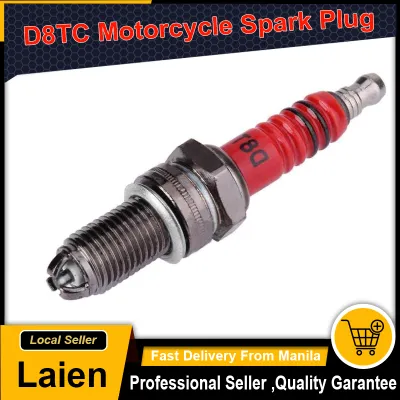
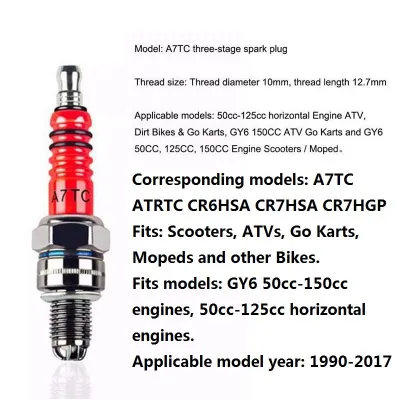
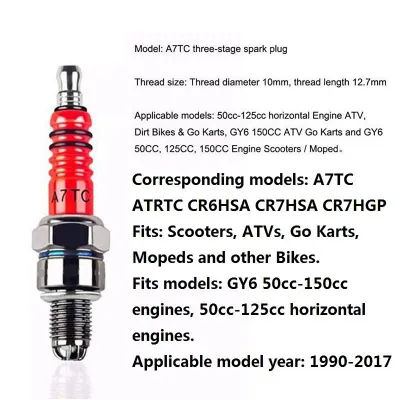
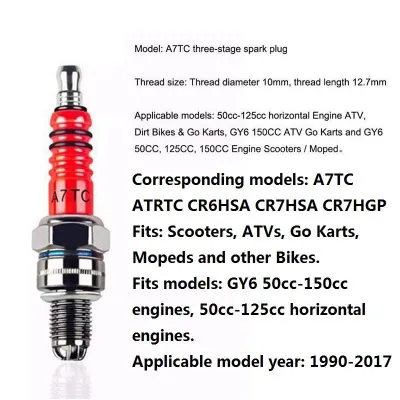
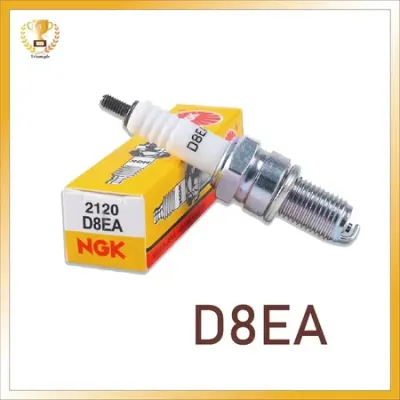
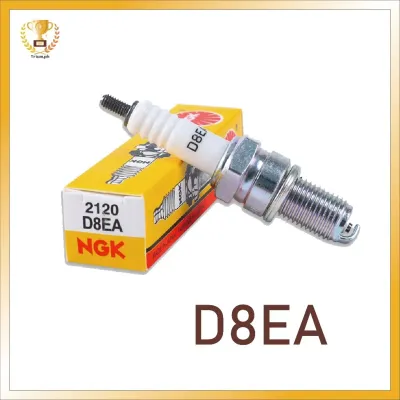
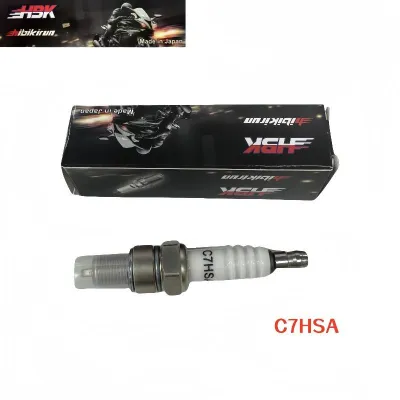
Prices are valid at publication and may change. Please refer to the product page for the latest price.

Copper is an exceptional conductor of electricity and heat, which is why standard spark plugs feature a solid copper core. However, copper has a relatively low melting point compared to precious metals, making it highly susceptible to spark erosion. To prevent the electrode from wearing down too quickly, copper spark plugs require a relatively thick center electrode, usually made of a nickel alloy wrapped around the copper core.
Platinum and iridium are precious metals with much higher melting points and greater resistance to wear and oxidation. Because these materials can withstand extreme combustion temperatures without eroding, manufacturers can design them with much thinner center electrodes. These are often referred to as fine-wire electrodes.
This difference in electrode thickness has a direct impact on the ignition process. A thinner electrode concentrates the electrical charge, requiring less voltage from the ignition coil to jump the gap. This lower voltage requirement makes it easier for the engine to start and ensures a more consistent spark, especially under high-compression or lean-burn conditions.
Copper Spark Plugs: Standard Performance and Frequent Replacement
Copper spark plugs are the traditional standard for internal combustion engines. They feature a nickel-alloy outer electrode with a copper core, providing excellent thermal conductivity. This design allows the plug to run relatively cool, which helps prevent pre-ignition in high-stress environments.
These plugs are highly suitable for older motorcycles, classic models, and low-displacement carbureted engines. Many older engine designs were engineered specifically around the electrical characteristics of copper plugs. In these machines, upgrading to premium metals may not yield any noticeable performance benefits, making standard copper the most practical choice.
However, the primary trade-off with copper is durability. Because nickel alloy wears down faster under the constant electrical arcing of the ignition system, the spark gap will gradually widen over time. As the gap grows, the ignition coil must work harder to produce a spark, which can eventually lead to misfires, rough idling, and decreased fuel efficiency.
Consequently, copper plugs require regular inspection, manual gapping, and more frequent replacement. While they offer the lowest upfront cost in ₱, the long-term maintenance effort is higher. If you enjoy working on your own motorcycle and do not mind removing the fairings regularly to check the engine components, copper remains a highly cost-effective option.
Platinum Spark Plugs: Balanced Durability for Regular Commuting
Platinum spark plugs represent a significant step up in durability from standard copper. They feature a small platinum disc welded to the tip of the center electrode. Because platinum is much harder than nickel alloy and has a higher melting point, it resists wear and spark erosion far more effectively.
When shopping for these plugs, you may encounter single platinum and double platinum designs. Single platinum plugs feature the precious metal only on the center electrode, while double platinum plugs have platinum on both the center electrode and the ground electrode. You can easily identify these variations by checking the manufacturer’s part numbers and packaging labels.
For daily commuters navigating busy city streets, platinum plugs offer an excellent balance of performance and longevity. They are highly resistant to carbon fouling, which is a common issue in stop-and-go traffic where engines often idle for extended periods. The stable spark gap ensures consistent combustion, helping to maintain smooth engine performance throughout the plug’s lifespan.
While platinum plugs cost slightly more in ₱ than copper, they significantly extend the time between replacements. This makes them an ideal choice for riders who want a dependable, low-maintenance spark plug for daily transportation without paying the premium price associated with high-end materials.
Iridium Spark Plugs: Premium Durability and High-Revving Engines
Iridium spark plugs are the premium choice for modern motorcycle ignition systems. Iridium is extremely dense, highly resistant to corrosion, and has an exceptionally high melting point. These physical characteristics allow for an extremely fine center electrode wire, often measuring just 0.4mm to 0.6mm in diameter.
This ultra-fine wire design concentrates the spark, allowing for highly efficient ignition even under challenging conditions. Modern fuel-injected, liquid-cooled, and high-compression motorcycle engines benefit greatly from this technology. The precise spark helps ensure complete combustion, which can contribute to smoother throttle response and more stable idling.
For high-mileage riders and those who use their motorcycles for long-distance touring, the longevity of iridium is a major advantage. Because the material is so resistant to wear, the spark gap remains virtually unchanged over tens of thousands of kilometers. This drastically reduces the frequency of spark plug maintenance, saving you time and effort.
When evaluating the cost-to-benefit ratio, iridium plugs require a higher initial investment in ₱. For occasional weekend riders, the financial return may take longer to realize. However, for daily riders who rely on their motorcycles for livelihood or long commutes, the peace of mind, reduced maintenance intervals, and consistent ignition reliability make iridium a highly practical upgrade.
Step-by-Step Guide to Verifying Compatibility and Purchasing
Working on your motorcycle’s ignition system requires careful attention to detail. Before performing any maintenance, ensure the engine is completely cool, the ignition key is removed, and you are working in a well-ventilated area. Always refer to your original-vehicle instructions, and if you are uncomfortable working with electrical components or tools, seek qualified professional installation.
To ensure you purchase the correct spark plug for motorcycle engines, follow this verification checklist:
- Consult the Owner's Manual: Locate the exact original equipment manufacturer (OEM) part number specified for your motorcycle model and year. Do not rely solely on general category descriptions.
- Decode the Part Number: Spark plug alphanumeric codes indicate specific physical dimensions. Ensure the thread diameter, thread pitch, hex size, and thread reach (the length of the threaded portion) match your engine's cylinder head exactly. Installing a plug with the wrong reach can cause catastrophic engine damage if the piston strikes the electrode.
- Verify the Heat Range: The heat range number in the part code determines how quickly the plug dissipates heat. Using a plug that is too hot can cause pre-ignition and engine damage, while a plug that is too cool will quickly foul with carbon deposits.
- Inspect the Physical Dimensions: Before installing a new spark plug, place it side-by-side with the old one to verify that the thread length, overall height, and terminal configuration are identical.
- Purchase from Reputable Sources: When browsing online marketplaces or local auto supply shops, be cautious of counterfeit products. Look for official brand stores, verify seller ratings, and inspect the physical product upon delivery. Genuine plugs feature crisp, aligned lettering, high-quality threads, and a securely attached terminal nut.
Frequently Asked Questions (FAQ)
Can I upgrade from copper to iridium spark plugs on an older motorcycle?
Yes, you can generally upgrade from copper to iridium, provided the physical dimensions, thread reach, and heat range match the manufacturer’s specifications exactly. However, you must verify that your motorcycle’s ignition system is compatible. Some older, low-voltage ignition systems may not fully benefit from the upgrade, or the manufacturer may specifically advise against changing the original electrode material. Always check your owner’s manual or consult a qualified mechanic before making the switch.
How do I know when my motorcycle spark plugs need replacing?
You can identify the need for a replacement through visual inspection and observable engine behavior. Visually, a worn spark plug may show a rounded center electrode, a significantly widened gap, heavy black carbon deposits, or oily wetness. Performance-wise, you may experience difficulty starting the engine (especially on humid mornings), a rough or inconsistent idle, engine misfires under acceleration, or a sudden, unexplained drop in fuel efficiency. If you observe any of these symptoms, inspect the spark plug immediately.
Community discussion
Share your experience or ask a question. Comments are reviewed before publication.