
Choosing the right spark plug for your motorcycle is not about finding a single, universally perfect option. Instead, the ideal choice depends on balancing your manufacturer’s specifications, your maintenance budget, and your typical riding conditions. While premium materials like iridium dominate marketing, traditional copper and mid-tier platinum plugs continue to serve vital roles for specific engines and riders. Understanding how these materials interact with your ignition system allows you to make an informed decision that protects your engine while optimizing performance.
In tropical climates where motorcycles frequently face high humidity, heavy downpours, and intense stop-and-go traffic, the demands on your ignition system are particularly high. A spark plug must consistently deliver a strong spark to ignite the air-fuel mixture, even when the engine runs hot in urban congestion. By comparing the physical characteristics, performance profiles, and long-term costs of copper, platinum, and iridium plugs, you can identify the exact component that matches your riding style and machine requirements.
Understanding the Core Differences in Spark Plug Materials
To understand why spark plugs perform differently, we must examine the physical properties of the metals used in their center electrodes. The spark plug channels electrical energy from the ignition coil across a small gap to initiate combustion. How long the electrode withstands the extreme heat and pressure inside the combustion chamber depends heavily on this material.
Products mentioned in this guide
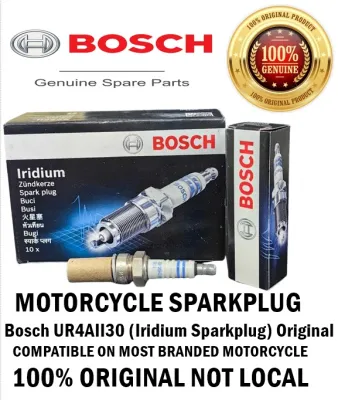
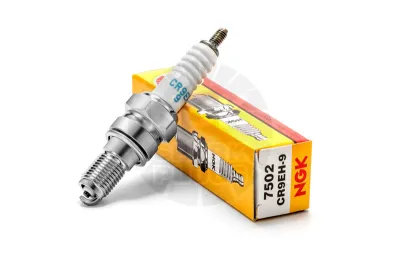
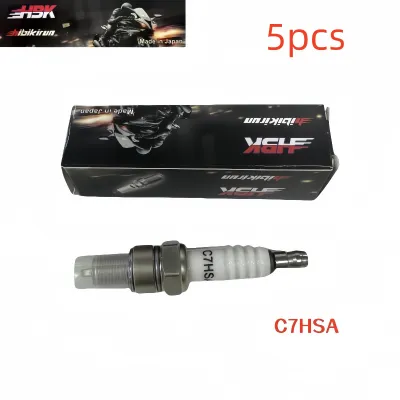
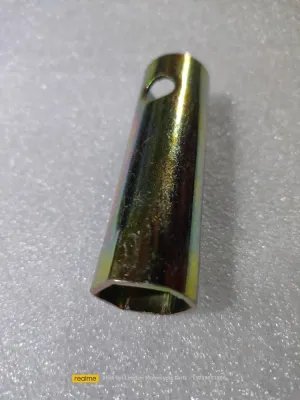
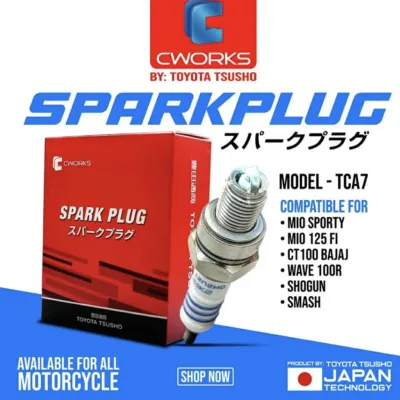
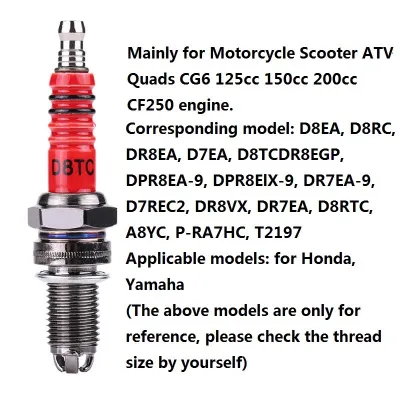
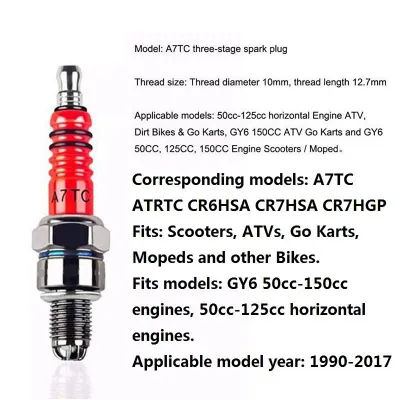
Prices are valid at publication and may change. Please refer to the product page for the latest price.
Copper spark plugs feature a solid copper core clad in a nickel alloy outer layer. Copper is an exceptional conductor of electricity and heat, allowing it to transfer thermal energy away from the combustion chamber quickly. However, nickel alloy has a relatively low melting point compared to precious metals, meaning the electrode wears down more rapidly under constant electrical arcing. To compensate for this faster wear rate, copper plugs require a relatively thick center electrode, which demands more voltage to jump the gap over time.
Platinum spark plugs feature a small platinum disc welded to the tip of the center electrode. Platinum is significantly harder than nickel alloy and has a much higher melting point, which dramatically improves its resistance to spark erosion and chemical wear. Because the material is so durable, the center electrode can be made slightly thinner than that of a standard copper plug. This reduction in diameter concentrates the electrical charge, allowing the spark to jump the gap with less electrical tension while maintaining a stable spark profile over a longer operating life.
Iridium spark plugs represent the high-end tier of ignition technology, utilizing an extremely hard precious metal with an exceptionally high melting point. Iridium is roughly six times harder and has a melting point several hundred degrees higher than platinum. This extreme durability allows manufacturers to engineer an incredibly fine center electrode tip, often measuring a fraction of a millimeter. A finer tip requires significantly less voltage to create a spark, resulting in highly concentrated electrical discharge, improved ignition reliability under high-load conditions, and the longest overall service life of the three types.
Comparing Performance, Lifespan, and Cost
Evaluating these three spark plug materials requires looking at how they translate physical properties into real-world performance, durability, and financial value. The size of the electrode tip directly influences ignition efficiency and throttle response. Because iridium and platinum plugs feature finer tips, they concentrate the spark’s energy more effectively, leading to more reliable combustion, smoother idling, and slightly crisper throttle response, especially during cold starts or in highly humid conditions. Copper plugs, with their thicker electrodes, require a higher voltage to bridge the gap, which can occasionally lead to minor ignition variance if the motorcycle’s electrical system is not in peak condition.

When it comes to expected lifespan, the differences follow a clear hierarchy. Copper plugs have the shortest service life because their nickel-alloy coating degrades relatively quickly under the intense heat of combustion. Platinum plugs offer a moderate lifespan, lasting significantly longer than copper before the electrode gap widens beyond specification. Iridium plugs deliver the longest service life by a wide margin, resisting wear and maintaining their precise gap for extended periods. However, riders must always verify the exact replacement intervals in their specific motorcycle owner’s manual, as engine design, fuel quality, and riding habits heavily influence actual wear rates.
Price positioning in the local market reflects these material differences, with options spanning from highly affordable to premium brackets. Copper plugs are the most affordable option, making them highly popular for budget-conscious riders and fleet operators who do not mind performing regular maintenance. Platinum plugs occupy a comfortable mid-range price point, offering a balanced compromise for daily commuters. Iridium plugs sit at the premium end of the spectrum, requiring a higher initial investment that is typically offset over time by their extended replacement intervals and reduced maintenance labor.
To help visualize these trade-offs, the following table summarizes the key characteristics of each spark plug material:
| Spark Plug Material | Relative Lifespan | Relative Cost | Ideal Use Case |
|---|---|---|---|
| Copper | Shortest | Most Affordable | Older engines, low-displacement commuters, budget-focused maintenance |
| Platinum | Moderate | Mid-Range | Standard daily commuting, modern mid-displacement motorcycles |
| Iridium | Longest | Premium | High-performance bikes, touring, hard-to-access engines, maximum reliability |
How to Match the Spark Plug to Your Motorcycle and Riding Style
Selecting the right spark plug is not a matter of simply buying the most expensive option available; it requires matching the component to your motorcycle’s engine design and your specific riding habits. A high-performance sportbike has vastly different ignition demands than a low-displacement underbone motorcycle used for daily deliveries in congested city streets. By analyzing your riding style and machine type, you can choose a plug that delivers reliable service without unnecessary expenditure.
You should choose copper spark plugs if you ride an older, carbureted motorcycle or a standard commuter bike on a strict budget. Because these engines often run richer fuel mixtures, plugs can foul regardless of the material used. Since you may need to clean or replace them more frequently due to fuel deposits, affordable copper plugs make excellent financial sense. Additionally, many older ignition systems were designed around the electrical resistance of copper, performing reliably without premium upgrades.
You should choose platinum spark plugs if you are looking for a practical, low-maintenance middle ground for your daily commute on a modern fuel-injected motorcycle. If your daily route involves mixed riding conditions—such as navigating tight city traffic followed by short stretches of open highway—platinum plugs provide the durability needed to resist wear without the premium price tag of iridium. They offer a “set-and-forget” reliability that appeals to riders who want to minimize their garage time while ensuring their engine starts reliably every morning.
You should choose iridium spark plugs if you ride a high-performance, multi-cylinder, modern sportbike, or a touring motorcycle where long-term reliability is paramount. High-revving engines subject spark plugs to extreme thermal and mechanical stress, conditions where iridium’s high melting point shines. Furthermore, if your motorcycle’s spark plugs are difficult to access—requiring the removal of the fuel tank, fairings, or radiator—the extended lifespan of iridium plugs is highly valuable, as it drastically reduces how often you must perform this labor-intensive disassembly.
Before making any purchase, you must verify if your motorcycle manufacturer strictly mandates a specific spark plug material or heat range in the service manual. Some modern engines are calibrated specifically for the electrical characteristics of iridium or platinum plugs, and installing a copper plug could lead to poor performance, misfires, or even ignition system error codes. The manufacturer’s technical specifications always override general material preferences, so consulting your manual is the essential first step in any ignition upgrade.
Critical Checks Before Buying and Installing
Regardless of the electrode material you choose, several critical technical specifications must be verified to ensure engine safety and proper performance. Installing a spark plug with the wrong dimensions or thermal properties can lead to catastrophic engine damage, ranging from punctured pistons to stripped cylinder head threads. Taking the time to double-check these details before purchasing or installing new plugs is a non-negotiable part of motorcycle maintenance.
First, you must verify the heat range of the spark plug, which refers to its ability to transfer heat away from the combustion chamber. Spark plugs are classified as “hot” or “cold” based on the length of their insulator nose. If you install a plug that is too hot for your engine, it will not dissipate heat quickly enough, potentially causing pre-ignition or engine knocking, which can destroy pistons and valves. Conversely, a plug that is too cold will dissipate heat too quickly, failing to reach the self-cleaning temperature and leading to rapid carbon fouling that causes misfires. Always match the exact heat range code specified by your motorcycle’s original equipment manufacturer (OEM).
Second, physical dimensions—specifically thread size, pitch, and reach—must match your engine’s specifications perfectly. The “reach” refers to the length of the threaded portion of the plug. If the reach is too short, the spark electrode will be recessed too far inside the cylinder head, leading to poor combustion and exposed threads that can accumulate carbon. If the reach is too long, the plug will protrude too far into the combustion chamber, where it can be struck by the moving piston or valves, causing immediate and severe mechanical failure.
Third, you must check and adjust the electrode gap before installation. Even if a spark plug is advertised as pre-gapped, the gap can easily be altered during shipping or handling. Use a precise spark plug gap gauge to measure the distance between the center and ground electrodes, comparing it to the specification in your motorcycle’s service manual. If adjustment is necessary, use a proper gapping tool to gently bend the ground electrode, taking extreme care never to press against or pry on the fragile center electrode, especially on platinum or iridium plugs where the delicate tips can easily fracture.
Finally, prioritize safety and precision during the installation process. Always begin threading the spark plug into the cylinder head by hand to prevent cross-threading, which can ruin the soft aluminum threads of the engine block. Once the plug is seated hand-tight, use a calibrated torque wrench to tighten it to the exact torque specification listed in your service manual. Under-tightening can allow hot combustion gases to leak past the threads, while over-tightening can strip the threads or distort the spark plug shell. If you feel any unusual resistance or binding while threading the plug, stop immediately, back the plug out, and inspect the threads or consult a qualified professional mechanic to avoid costly damage.
Frequently Asked Questions (FAQ)
Can I upgrade from copper to iridium spark plugs on any motorcycle?
While it is physically possible to upgrade to iridium spark plugs on most motorcycles if the thread dimensions and heat range match, it may not always yield noticeable benefits. Older engines, particularly those with carbureted fuel systems or minor oil consumption issues, may run rich or accumulate deposits that can foul a premium iridium plug just as quickly as a standard copper one. In such cases, the high cost of iridium may not be justified, as the plug’s long-life potential is cut short by external fouling. Always ensure the heat range is identical to the OEM specification to prevent engine damage.
How do I know when my motorcycle spark plugs need replacing?
You can identify the need for replacement through both physical inspection and riding symptoms. During a physical check, look for heavy carbon buildup, a rounded or worn center electrode, an excessively wide gap, or oil deposits on the firing tip. While riding, pay attention to performance warning signs such as difficulty starting the engine, a rough or unstable idle, sluggish throttle response, engine misfires, or a sudden drop in fuel efficiency. These physical and operational indicators should be evaluated alongside the recommended mileage intervals found in your motorcycle’s owner’s manual.
Community discussion
Share your experience or ask a question. Comments are reviewed before publication.