
Selecting the ideal spark plug for your Hyundai Accent is not about finding a single, universally superior material. Instead, the right choice depends on your vehicle’s factory specifications, your typical driving conditions, and your long-term maintenance budget. While modern ignition technology offers several material options, matching the specific engineering requirements of your engine is critical to maintaining optimal fuel efficiency and engine performance. This guide compares copper, platinum, and iridium options to help you weigh upfront costs against replacement frequency, allowing you to choose the most practical solution for your daily drive.
The Hyundai Accent has long been a reliable subcompact car on the road, navigating everything from congested city streets to open highways. To keep its engine running smoothly, the ignition system relies on spark plugs to deliver a precise electrical charge at the exact right millisecond. Because different model years and engine variants have different electrical and thermal requirements, understanding how these plug materials interact with your engine is the first step toward making an informed decision.
Understanding Spark Plug Materials for Your Hyundai Accent
To make an appropriate choice, it is essential to understand how spark plug materials differ in their physical properties and performance characteristics. The core of any spark plug contains a metal electrode that conducts high-voltage electricity from the ignition coil to create a spark. The material used on the tip of this electrode determines how efficiently the plug conducts electricity, how well it manages extreme combustion temperatures, and how quickly it wears down over time.
Products mentioned in this guide
![[GENUINE] Spark Plug. SET.4pcs. for Accent(2014-2025).1.4cc Rio(2012-2017).1.2cc. Kappa Engine 1.2cc/1.4cc. 18843-10062. 18843-08062. Chat us with chassis number before placing your order. GENUINE PARTS](https://img.lazcdn.com/g/p/53d02b684fb033660d9fcb5c04fb441c.jpg_400x400q80.jpg_.webp)
![[GammaKappa][Genuine] Spark Plug Set For Accent RIO GAS 2011-2018 Original Hyundai Mobis 4Pcs Set 18855-10060 18843-10062 18858-10090][G4LA G4LC G4FA]](https://img.lazcdn.com/g/p/0d018b09a69dc33e1fffa0fca9faea08.jpg_400x400q80.jpg_.webp)
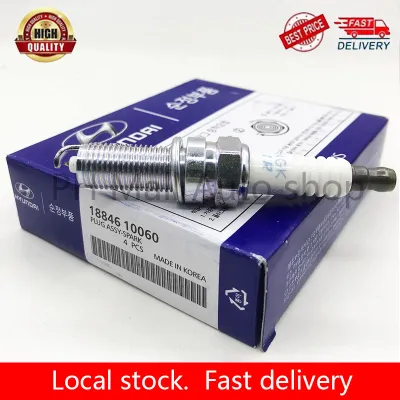
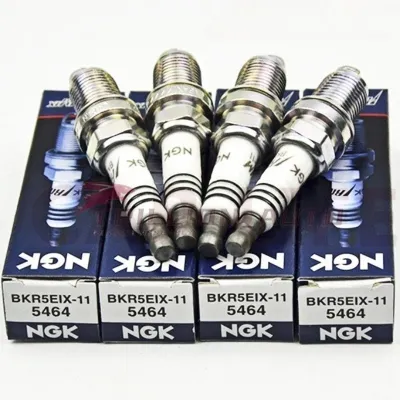
Prices are valid at publication and may change. Please refer to the product page for the latest price.
Copper spark plugs are actually constructed with a solid copper core for superior heat dissipation, but they feature a nickel alloy tip. Nickel has a relatively low melting point compared to precious metals, meaning the electrode wears down more rapidly under the intense heat and pressure of the combustion chamber. Despite this faster wear rate, copper remains an outstanding conductor of electricity, which is why it was the standard choice for older vehicle designs.
Platinum spark plugs upgrade the electrode tip with a small platinum disc. Platinum is a precious metal that is significantly harder than nickel alloy, giving it much greater resistance to electrical erosion and chemical wear. This material allows the spark plug to maintain its original electrode gap for a much longer duration, providing a more stable spark over time and reducing the frequency of required maintenance.
Iridium spark plugs represent the premium tier of ignition technology, utilizing an extremely dense precious metal with an exceptionally high melting point. Because iridium is incredibly strong, manufacturers can design these plugs with an extremely fine wire center electrode. This thin tip concentrates the electrical spark, requiring less voltage from the ignition system to fire reliably, which improves cold starts and ensures highly efficient combustion even under demanding engine loads.
Before purchasing any replacement spark plugs, you must consult your Hyundai Accent owner’s manual or locate the under-hood vehicle emission control information label. This label serves as the ultimate authority on the original equipment manufacturer specifications for your specific engine variant. If your vehicle came from the factory with iridium plugs, downgrading to platinum or copper can lead to rapid electrode wear, engine misfires, and unnecessary strain on your ignition coils. Conversely, upgrading from copper to a precious metal is generally acceptable, provided you verify that the new plugs match the exact heat range, thread dimensions, and electrode gap required by your engine.
Comparing Copper, Platinum, and Iridium Options
Evaluating the trade-offs between upfront cost, replacement frequency, and your specific driving environment is key to selecting the right spark plug material. Each material serves a distinct purpose in the automotive market, balancing immediate affordability against long-term durability. By understanding these trade-offs, you can avoid overpaying for performance you do not need or, conversely, buying budget plugs that require excessive labor to maintain.

Copper spark plugs offer the lowest upfront cost in ‑‑ making them highly attractive for drivers on a strict budget. However, because nickel alloy electrodes wear down relatively quickly, these plugs require the most frequent replacement intervals. For a Hyundai Accent that is driven sparingly or is part of a commercial fleet where regular, comprehensive mechanical inspections are already scheduled, copper plugs can be a highly practical and cost-effective option.
Platinum spark plugs provide a balanced middle ground, offering extended durability at a moderate price point. They resist wear much better than copper, meaning you will spend less time performing maintenance or paying for professional labor. This makes platinum plugs an excellent choice for standard daily commuters who want reliable, worry-free performance without paying the premium price associated with top-tier materials.
Iridium spark plugs represent the longest-lasting option available, designed to withstand extreme thermal and electrical stress over extended periods. Although they require the highest upfront investment in ₱, their exceptional wear resistance minimizes how often you need to replace them. For drivers who want to minimize the hassle of frequent engine maintenance or reduce long-term labor costs, iridium plugs offer the most efficient and durable solution.
| Material Type | Relative Upfront Cost | Relative Lifespan | Ideal Driver Profile |
|---|---|---|---|
| Copper | Budget | Standard | Fleet operators, budget-conscious owners, or those performing frequent DIY inspections |
| Platinum | Moderate | Extended | Daily commuters seeking a balance of cost and durability |
| Iridium | Premium | Longest | Long-term owners, high-mileage drivers, and those wanting to minimize maintenance labor |
How to Choose the Right Spark Plug for Your Driving Habits
Selecting the right spark plug is not just about the material itself; it is about matching that material to how you actually use your Hyundai Accent. Your daily commute, annual mileage, and maintenance preferences should guide your final decision. By analyzing your driving habits, you can select a plug that delivers the best value for your specific situation.
You should choose copper spark plugs if your primary goal is minimizing immediate out-of-pocket expenses and you do not mind performing regular under-hood maintenance. If you own an older Accent model that already requires frequent mechanical check-ups, installing copper plugs allows you to inspect the ignition system regularly while keeping your upfront costs low. This approach is highly suitable for DIY enthusiasts who enjoy working on their vehicles and prefer to monitor engine health closely.
You should choose platinum spark plugs if you use your vehicle for standard daily commuting, accumulate moderate annual mileage, and prefer a balanced approach to maintenance. Platinum plugs deliver stable, reliable ignition through typical stop-and-go city traffic and occasional highway trips. They offer a convenient “install and forget” experience for a reasonable duration, ensuring your engine runs efficiently without demanding constant attention or a premium budget.
You should choose iridium spark plugs if you plan to keep your Hyundai Accent for the long term, drive high mileage annually, or want to minimize how often you pay for professional mechanical labor. The extreme durability of iridium is particularly beneficial in tropical climates like the Philippines, where prolonged idling in heavy traffic under intense heat puts additional thermal stress on the engine. Investing in iridium plugs ensures your ignition system remains highly efficient over a long period, protecting your engine from misfires and optimizing fuel economy.
Regardless of your driving habits, you must verify your engine’s specific requirements before making a final choice. If your Hyundai Accent has undergone aftermarket engine modifications, or if the owner’s manual strictly mandates a specific heat range and material, you must adhere to those guidelines. Deviating from the manufacturer’s specified heat range can lead to pre-ignition, which can cause severe, irreversible damage to your engine’s pistons and valves.
Installation and Maintenance Safety Checks
Replacing spark plugs is a manageable task, but it requires strict adherence to safety protocols and precise installation techniques to prevent severe engine damage. Working on an ignition system carries inherent risks of electrical shock and mechanical damage if proper procedures are ignored. Always prioritize safety by working on a completely cool engine and consulting your vehicle’s original documentation before beginning.
Before installing any new spark plug, you must verify and adjust the electrode gap to match the exact specification listed on your under-hood emission label or in your owner’s manual. Even plugs labeled as “pre-gapped” can experience minor shifts during shipping and handling. Use a dedicated spark plug gap tool to measure the distance between the center and ground electrodes, taking extreme care not to apply pressure to the delicate center electrode tip, especially on platinum and iridium plugs, as these precious metal tips can easily chip or snap.
Using a calibrated torque wrench is an absolute necessity when installing spark plugs into the aluminum cylinder head of your Hyundai Accent. Tightening the plugs by feel alone can easily lead to under-tightening or over-tightening, both of which carry severe consequences. Over-tightening can strip the delicate threads in the cylinder head or distort the spark plug shell, while under-tightening can allow the plug to vibrate loose, causing compression leaks or even blowing the plug completely out of the cylinder head. Always torque the plugs to the exact foot-pounds or Newton-meters specified by the manufacturer.
Knowing when to stop the do-it-yourself process and consult a qualified professional is crucial for protecting your vehicle. If you encounter significant resistance when attempting to remove an old spark plug, do not force it, as this indicates the plug may be seized and forcing it could strip the cylinder head threads. Additionally, if you discover oil pooling in the spark plug wells, notice severely damaged threads, or experience a persistent check engine light after installation, stop immediately and seek the assistance of a qualified mechanic to diagnose and resolve the underlying issue.
Frequently Asked Questions (FAQ)
Can I mix different spark plug materials in my Hyundai Accent?
No, you should never mix different spark plug materials across the cylinders of your Hyundai Accent. Each spark plug material has unique electrical resistance, thermal conductivity, and spark propagation characteristics. Mixing materials can cause uneven combustion across the cylinders, leading to a rough idle, engine misfires, reduced fuel efficiency, and increased stress on the ignition coils and catalytic converter. To ensure balanced engine performance and prevent damage to emission control systems, always replace your spark plugs as a complete, matched set of identical brand, model, and material.
How do I know if my current spark plugs need replacing?
You can identify the need for new spark plugs through several common drivability symptoms and visual cues. If your Hyundai Accent is experiencing a rough idle, sluggish acceleration, difficulty starting (especially in humid or damp conditions), or a sudden drop in fuel economy, your spark plugs may be worn out. Upon removing the plugs for inspection, look for physical signs of wear such as heavy carbon buildup, a rounded or eroded center electrode, a widened gap, or wet oil fouling on the tip. If any of these conditions are present, or if the electrodes appear physically degraded, it is time to install a fresh set of plugs.
Community discussion
Share your experience or ask a question. Comments are reviewed before publication.