
Choosing the right spark plug for your Hyundai Eon involves balancing your daily commuting needs with maintenance preferences. While copper, platinum, and iridium each offer distinct characteristics, there is no single universal winner for every driver. The best choice depends on your budget, how often you prefer to visit the shop, and the specific original equipment manufacturer (OEM) recommendations for your engine. For a small-displacement vehicle like the Hyundai Eon navigating congested city streets, selecting a spark plug that resists carbon fouling and maintains a consistent spark is crucial for reliable daily performance.
The Hyundai Eon, typically equipped with a compact three-cylinder engine, works exceptionally hard during urban commutes. Frequent idling in heavy traffic, high ambient temperatures, and short trips can accelerate wear on ignition components. Because a three-cylinder engine relies heavily on every single cylinder to maintain balance and power, a single misfiring spark plug can cause noticeable vibrations and a severe drop in performance. Understanding how different electrode materials behave under these demanding conditions is the first step in making an informed decision.
Understanding Spark Plug Materials for City Driving
To choose the best spark plug for your daily commute, it is essential to understand how different metals handle the electrical and thermal demands of your engine. The core material and the coating on the electrodes determine how efficiently the plug conducts electricity, how well it dissipates heat, and how quickly it wears down over time.
Products mentioned in this guide
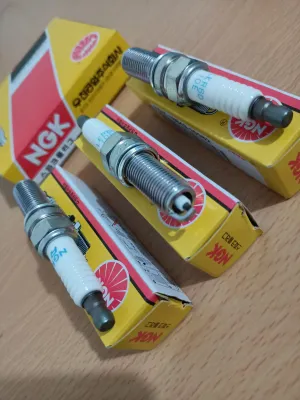
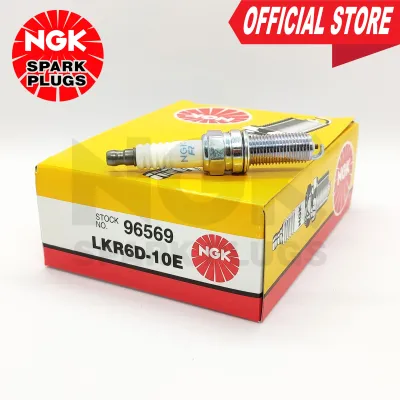
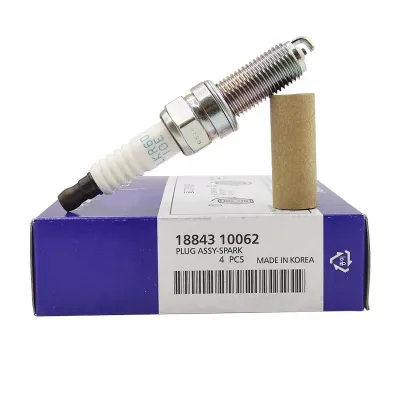
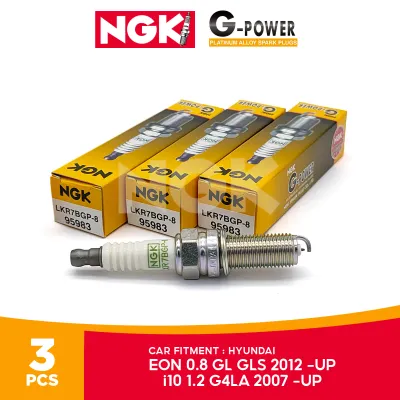

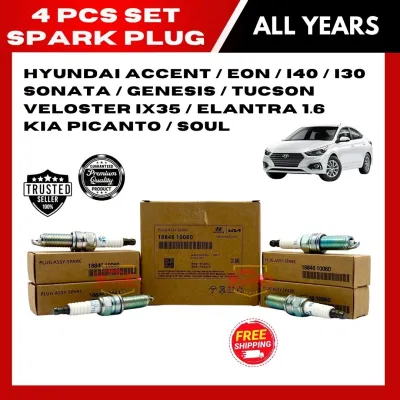
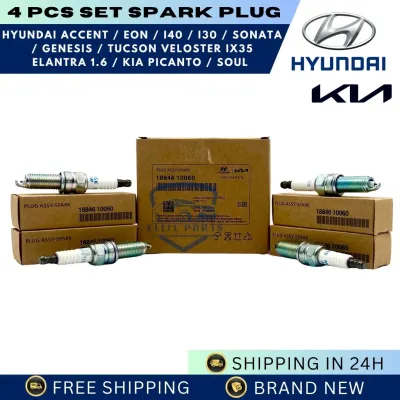
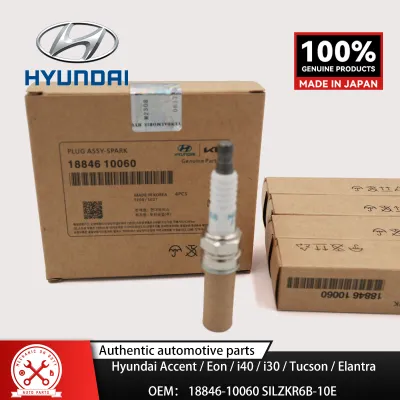
Prices are valid at publication and may change. Please refer to the product page for the latest price.
Copper spark plugs are often referred to as standard plugs. They feature a solid copper core for excellent electrical and thermal conductivity, but the electrodes are tipped with a relatively soft nickel alloy. Under the constant stress of stop-and-go city driving, frequent idling, and rapid acceleration, these soft electrodes wear down faster than harder metals. As the metal erodes, the gap between the electrodes widens, requiring more voltage from the ignition coils to produce a spark.
Platinum spark plugs offer a significant upgrade in durability. They feature a small platinum disc welded to the end of the center electrode, and some designs also feature platinum on the ground electrode. Platinum is much harder than nickel alloy, making it highly resistant to wear and spark erosion. This durability allows the plug to maintain its optimal gap size for a much longer period, which helps prevent carbon fouling during low-speed crawling and frequent cold starts.
Iridium spark plugs represent the premium tier of ignition technology. Iridium is extremely hard and has an incredibly high melting point, which allows manufacturers to design spark plugs with an extremely fine center electrode wire. This fine-wire design concentrates the electrical spark, requiring less voltage to jump the gap. For a small engine navigating congested urban roads, this consistent, low-voltage ignition helps maintain stable combustion and reliable performance even under heavy electrical loads from the air conditioning system.
City commuting conditions in the Philippines, characterized by high humidity, intense heat, and prolonged idling, create a challenging environment for spark plugs. Low-speed driving prevents the engine from reaching its optimal self-cleaning temperature, which can lead to rapid carbon buildup on the spark plug tip. Harder materials like platinum and iridium maintain their electrode shape and gap size much longer under these harsh thermal cycles, whereas standard copper plugs may degrade more rapidly, leading to a gradual decline in ignition efficiency.
Comparing Performance, Longevity, and Cost
When evaluating copper, platinum, and iridium spark plugs, drivers must weigh the initial purchase price against long-term maintenance requirements and performance consistency. Each material presents a distinct set of trade-offs that appeal to different types of vehicle owners.

Expected service intervals vary significantly between these materials. Rather than relying on generalized mileage claims, you should always check the specific product packaging, manufacturer labels, and your vehicle’s service manual. Generally, copper plugs require more frequent inspections and replacements, often needing attention after a fraction of the lifespan of premium alternatives. Platinum and iridium plugs are engineered for long-term durability, allowing you to drive much farther between replacements and reducing the frequency of maintenance visits.
A practical cost analysis reveals that while copper plugs have the lowest upfront price—often costing only a fraction of premium options—they may not be the most economical choice in the long run. In the Philippines, a single premium iridium or platinum plug can cost several hundred pesos (₱), representing a higher initial investment. However, because they last significantly longer, they reduce the frequency of purchasing replacement parts and paying for professional labor at local auto shops, making them a highly cost-effective choice over the lifespan of the vehicle.
It is important to clarify common misconceptions regarding fuel efficiency and performance upgrades. While premium materials are often marketed as improving fuel economy, a spark plug cannot exceed the engine’s original design efficiency. Upgrading to iridium or platinum does not automatically guarantee a massive boost in mileage; instead, it ensures that the engine maintains its peak factory-designed efficiency for a much longer period. To verify any performance claims, always check the manufacturer’s technical specifications and compliance certifications rather than relying on marketing hype.
The electrode design also plays a critical role in ignition consistency. The fine-wire design of iridium plugs concentrates the electrical spark, which can improve ignition consistency in small-displacement engines like the Hyundai Eon’s motor. This consistent spark is particularly beneficial during cold starts on humid mornings or when transitioning from a long idle to sudden acceleration in city traffic, ensuring the engine runs smoothly without hesitation.
How to Verify the Right Spark Plug for Your Hyundai Eon
Before purchasing any replacement parts, you must verify that the spark plugs are fully compatible with your specific vehicle model, year, and engine variant. Installing incorrect spark plugs can lead to poor engine performance, increased emissions, or even catastrophic engine damage.
Start by locating the original equipment manufacturer (OEM) part number and recommended spark plug material in your Hyundai Eon owner’s manual. If the manual is unavailable, consult an authorized dealership or a certified automotive professional to retrieve the exact specifications. Never assume compatibility based solely on a product category or a generic fitment guide on an online marketplace.
You must verify several critical physical specifications to ensure a proper fit and safe operation:
- Thread Pitch and Diameter: The threads on the spark plug must match the cylinder head perfectly to prevent stripping the threads.
- Thread Reach: The length of the threaded portion must be exact. A plug that is too long can strike the piston, while a plug that is too short will position the spark incorrectly and suffer from rapid carbon buildup.
- Hex Size: The size of the hex nut on the plug determines the socket size required for installation.
- Heat Range: This measures the plug's ability to dissipate heat from the combustion chamber. Installing a plug with a heat range that is too hot can cause pre-ignition (knocking), while a plug that is too cold will suffer from rapid carbon fouling.
Additionally, you must check the required electrode gap and understand why it must match the engine’s ignition system design. The gap must be verified using a proper feeler gauge or wire gap tool. If your vehicle has undergone aftermarket modifications, has exceptionally high mileage, or is consistently operated under extreme loads, you may need to consult a professional to determine if a non-standard heat range or material is appropriate. For a standard daily commute, however, sticking strictly to the factory-recommended specifications is the safest and most reliable path.
When to Replace Your Spark Plugs
Recognizing the warning signs of worn spark plugs can help you address ignition issues before they lead to a breakdown or costly engine repairs. Regular monitoring and timely replacement are key to maintaining a smooth daily commute.
Common symptoms of worn spark plugs include a rough or vibrating idle, sluggish acceleration when trying to merge into traffic, difficulty starting the engine in the morning, or a noticeable, unexplained drop in fuel economy. Because the Hyundai Eon uses a three-cylinder engine, any drop in ignition efficiency in one cylinder will cause highly noticeable engine vibrations and a distinct loss of power. If you experience these symptoms, the ignition system should be your first point of inspection.
If you choose to perform a visual inspection yourself, safely remove the spark plugs according to the vehicle’s service manual instructions. Look closely at the electrodes and the ceramic insulator. Normal wear typically shows a light tan or gray deposit on the tip. However, severe wear on the electrode tip, heavy black carbon deposits (carbon fouling), wet oil coating (oil fouling), or blistering on the insulator tip are clear indicators that the plugs must be replaced immediately.
Do not wait for symptoms to appear before thinking about your spark plugs. Use the vehicle’s scheduled maintenance intervals as your primary baseline. Keeping a detailed log of when the plugs were last changed helps you stay ahead of wear and prevents unexpected ignition failures on the road.
Working on your vehicle’s ignition system carries inherent risks, including electrical shock and damage to the engine’s cylinder head threads. Always ensure the engine is completely cool and the battery is disconnected before attempting any inspection. If you are uncomfortable with the process, lack the proper torque wrench and spark plug socket, or suspect deeper ignition issues like a failing coil pack, stop immediately and consult a qualified mechanic.
Making Your Final Decision
Selecting the best spark plug material for your Hyundai Eon comes down to a clear framework of personal priorities, budget, and maintenance habits. By matching your driving style with the characteristics of each material, you can make a confident choice for your daily commute.
Choose Copper if you prioritize the lowest upfront cost, perform regular maintenance yourself, and do not mind shorter replacement intervals. It is a solid, cost-effective choice for drivers who enjoy hands-on car care and have the time to inspect their engine regularly.
Choose Platinum if you want a balanced upgrade that extends service life without the premium price tag of iridium. It provides a reliable middle ground for daily commuters who want to reduce the frequency of maintenance without a major upfront expense.
Choose Iridium if you prefer the longest possible replacement intervals to minimize shop visits and are willing to pay a higher initial price. While the initial cost is higher, the durability and reliability make it highly suitable for busy commuters navigating demanding city traffic.
Always verify your owner’s manual before making a final purchase. If the manufacturer explicitly mandates a specific material or heat range for your Hyundai Eon’s engine, you must follow those guidelines to ensure safe operation and prevent potential engine damage.
Frequently Asked Questions (FAQ)
Can I mix different spark plug materials in my engine?
No, you must never mix different spark plug materials, brands, models, or heat ranges within the same engine. All cylinders must use identical spark plugs to ensure uniform combustion across the engine block. Mixing materials can cause uneven combustion rates, engine misfires, rough idling, and potential long-term damage to the engine’s internal components.
Do I need to adjust the spark plug gap before installation?
Many modern premium spark plugs, especially platinum and iridium options, come pre-gapped from the factory. However, you should always verify the gap against your owner’s manual specifications using a proper wire or feeler gauge before installation. If adjustment is necessary, exercise extreme caution; using improper gapping tools or applying excessive force can easily chip or break the delicate, fine-wire electrodes of platinum and iridium plugs.
Will upgrading to iridium spark plugs void my car's warranty?
Generally, upgrading to high-quality aftermarket spark plugs that meet or exceed the original equipment manufacturer (OEM) specifications—such as the correct size, thread pitch, heat range, and gap—will not void your vehicle’s warranty. To protect yourself, always review your specific warranty terms, ensure the parts are fully compatible with your Hyundai Eon, and keep all purchase receipts and service records as proof of proper maintenance.
Community discussion
Share your experience or ask a question. Comments are reviewed before publication.