
Quick Answer: Which Spark Plug Material is Best for Your MG 5?
Choosing the right spark plug for your MG 5 depends on finding the correct balance between your upfront budget, maintenance preferences, and long-term reliability goals. The MG 5, commonly powered by a 1.5-liter naturally aspirated engine in the Philippine market, relies on a highly efficient ignition process to maintain its fuel economy and smooth performance. Because urban driving conditions in Metro Manila and other major cities involve extensive idling and stop-and-go traffic, your choice of spark plug material directly impacts how often you will need to service your ignition system.
There is no single “best” spark plug material for every driver, but rather a clear set of trade-offs. Standard copper spark plugs are highly conductive and very inexpensive upfront, but they wear down quickly and require frequent replacements. Platinum spark plugs offer a durable middle ground, resisting wear much better than copper while remaining moderately priced. Iridium spark plugs represent the premium tier, delivering the longest service life, the most stable ignition performance under varying engine loads, and the highest resistance to heat and electrical erosion.
Before purchasing any replacement spark plugs, you must verify that the new parts match the exact original equipment manufacturer (OEM) specifications for your specific MG 5 model year. These specifications include the heat range, thread size, pitch, and reach. Installing a plug with incorrect dimensions or thermal properties can lead to severe engine damage, regardless of whether the plug is made of copper, platinum, or iridium. Always consult your MG 5 owner’s manual or an authorized service center to confirm these critical measurements before making a purchase.
Products mentioned in this guide
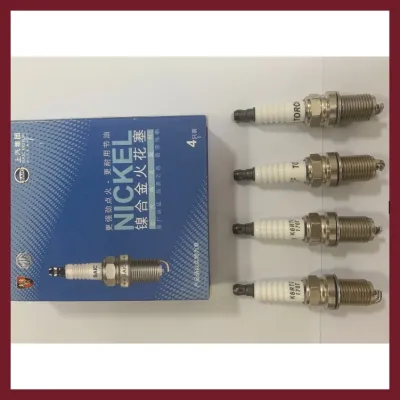
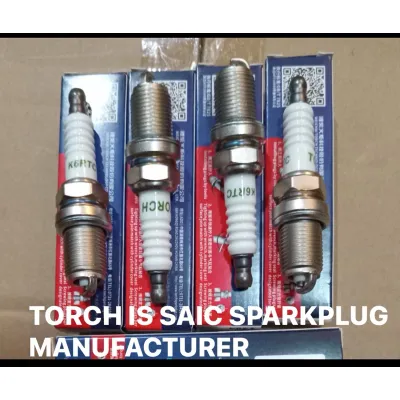
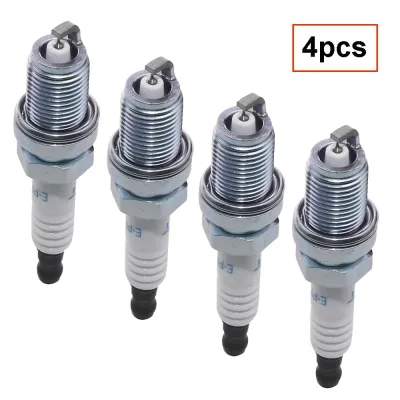
Prices are valid at publication and may change. Please refer to the product page for the latest price.
Material Breakdown: Copper, Platinum, and Iridium Explained
To understand why spark plugs behave differently inside your MG 5’s engine, it is necessary to look at the physical and chemical properties of the metals used to construct their electrodes. The combustion chamber of an engine is an incredibly harsh environment, experiencing temperatures exceeding 2,000°C and rapid pressure changes. The metal at the tip of the spark plug must withstand these conditions while consistently conducting tens of thousands of volts of electricity to ignite the air-fuel mixture.

Copper Spark Plugs: The Budget-Friendly Standard
Standard copper spark plugs are actually constructed with a solid copper core encased in a nickel-alloy outer sleeve. Copper is an outstanding conductor of both electricity and heat, allowing the plug to transfer electrical energy efficiently and dissipate heat quickly away from the firing tip. However, nickel alloy has a relatively low melting point and is highly susceptible to spark erosion, which is the gradual wearing away of metal caused by the electrical arc.
As the nickel-alloy electrode wears down, the sharp edges of the center electrode become rounded, and the gap between the center and ground electrodes gradually widens. A wider, rounded gap requires significantly more voltage from the ignition coils to jump, which can eventually strain your ignition system and lead to misfires. Consequently, while copper plugs perform exceptionally well when new, they are best suited as a traditional, entry-level option that demands regular inspection and frequent replacement intervals.
Platinum Spark Plugs: The Balanced Middle Ground
Platinum spark plugs improve upon the durability of standard copper plugs by incorporating a small platinum disc welded to the end of the center electrode. Platinum is a precious metal that is substantially harder than nickel alloy and possesses a much higher melting point. This superior hardness makes the electrode highly resistant to the chemical corrosion and electrical wear that occurs during every combustion cycle.
Because the platinum tip resists erosion, the spark plug maintains its precise gap distance for a much longer duration than a copper plug. This longevity translates directly into more consistent engine performance over time, as the ignition coils do not have to work progressively harder to bridge an expanding gap. Platinum spark plugs serve as a highly practical middle ground for MG 5 owners who want to extend their service intervals without paying the higher premium associated with top-tier materials.
Iridium Spark Plugs: The Premium Long-Life Option
Iridium spark plugs represent the pinnacle of modern ignition technology, utilizing an industrial-grade precious metal that is extremely dense and possesses an exceptionally high melting point. Iridium is roughly six times harder and eight times stronger than platinum, allowing it to withstand the most punishing combustion environments without showing measurable signs of wear for tens of thousands of kilometers.
This extreme strength allows manufacturers to design iridium spark plugs with an ultra-fine center electrode, often measuring just 0.4mm to 0.6mm in diameter. A finer tip concentrates the electrical field at the point of discharge, requiring much less voltage from the ignition coils to create a strong, stable spark. This concentrated energy produces a more robust flame kernel, promoting more complete and efficient combustion of the air-fuel mixture, which is especially beneficial for maintaining smooth engine operation under heavy loads.
Key Comparison Dimensions for MG 5 Drivers
When deciding which spark plug material to install in your MG 5, comparing their characteristics across practical ownership metrics helps clarify which option aligns best with your driving habits and budget.
Longevity and Replacement Intervals
The most significant difference among copper, platinum, and iridium spark plugs is how long they can reliably perform before needing replacement. Standard copper plugs typically have a useful life of only 20,000 to 30,000 kilometers before the nickel electrode degrades to the point of affecting engine efficiency. Platinum plugs extend this service interval significantly, often lasting between 50,000 to 80,000 kilometers before requiring attention.
Iridium spark plugs offer the maximum possible lifespan, frequently performing reliably for 100,000 kilometers or more. However, these intervals are general guidelines, and actual spark plug lifespan in the Philippines is highly dependent on local driving conditions. Prolonged idling in heavy traffic, high ambient humidity, and variations in fuel quality can accelerate carbon buildup and electrode wear, making it essential to consult your MG 5 owner’s manual for the manufacturer’s specific maintenance schedule.
Ignition Performance and Engine Response
The physical design of the electrode tip directly influences how your MG 5’s engine responds when you press the accelerator. The ultra-fine tip of an iridium spark plug reduces the “quenching” effect, which occurs when the cold metal of the electrode absorbs heat away from the newly formed spark, potentially weakening the flame. By minimizing quenching, iridium and high-quality platinum plugs allow the flame kernel to expand more rapidly and completely.
This efficient combustion process often manifests as a smoother engine idle, more immediate throttle response, and more reliable cold starts, particularly on damp or rainy mornings. It is important to note, however, that upgrading to premium spark plugs will not increase your engine’s maximum horsepower beyond its original factory design. Instead, premium plugs ensure that your engine consistently operates at its peak designed efficiency, preventing the performance drop-offs associated with worn or fouled plugs.
Upfront Cost vs. Long-Term Value
Evaluating the financial aspect of spark plugs requires looking beyond the initial purchase price to consider the total cost of ownership over your vehicle’s lifespan. Standard copper spark plugs are highly affordable upfront, with a set of four costing a fraction of what you would pay for premium materials. However, because they must be replaced three to four times more often than iridium plugs, the cumulative cost of parts can close this price gap over time.
Furthermore, you must factor in the cost of labor or the value of your personal time. If you pay a professional mechanic or visit an authorized service center to replace your spark plugs, you will incur a labor fee with every change. Installing a set of long-lasting iridium plugs minimizes the frequency of these service visits, making them the most cost-effective and convenient choice over the long run, despite their higher initial purchase price.
How to Verify the Correct Specifications for Your MG 5
Selecting the right electrode material is only one part of the equation; ensuring the spark plug physically and thermally matches your MG 5’s engine is critical for safety and performance. Before purchasing any spark plug, you must verify several key physical dimensions and technical ratings against your vehicle’s documentation.
- Thread Size and Pitch: The diameter of the threaded portion and the distance between each thread must match your engine's cylinder head precisely. Attempting to force a plug with incorrect threads will strip the aluminum threads in the cylinder head, resulting in an incredibly expensive and complex repair.
- Reach (Thread Length): The reach determines how far the spark plug extends into the combustion chamber. If the reach is too short, the spark will be recessed, leading to poor combustion and carbon buildup on the exposed engine threads. If the reach is too long, the plug will protrude too far and can be struck by the moving piston, causing catastrophic, irreversible engine damage.
- Hex Size: This is the width of the nut portion of the spark plug, which determines the size of the spark plug socket tool required for installation. Having the correct tool is vital to prevent slipping and cracking the delicate ceramic insulator during installation.
- Heat Range: The heat range measures the spark plug's ability to dissipate heat from its firing tip into the engine's cooling system. A plug that runs too hot can retain enough heat to ignite the air-fuel mixture prematurely, causing pre-ignition or engine knocking that can destroy pistons. Conversely, a plug that runs too cold will fail to reach its self-cleaning temperature, leading to rapid carbon fouling and misfires. Changing the electrode material does not alter the engine's heat range requirement; your new plugs must match the original OEM heat rating.
When installing new spark plugs, always use a calibrated torque wrench and adhere strictly to the torque specifications provided in your MG 5 service manual. Over-tightening can distort the spark plug’s metal shell or damage the cylinder head, while under-tightening can cause poor heat transfer and allow hot combustion gases to leak past the threads. Additionally, avoid using anti-seize compounds on the threads unless explicitly instructed by the spark plug manufacturer, as these lubricants can lead to accidental over-torqueing. If you are unsure about interpreting part numbers or performing the physical installation, consult a qualified mechanic or an authorized MG service center.
Decision Framework: Which Spark Plug Should You Buy?
To help you make the final decision for your MG 5, use this structured framework to align your choice with your specific driving needs, budget, and maintenance preferences.
- Choose Copper if: You are working with a highly restricted immediate budget, plan to sell or trade in the vehicle in the near future, or enjoy performing your own routine automotive maintenance and do not mind replacing the plugs every 20,000 to 30,000 kilometers.
- Choose Platinum if: You want a sensible upgrade in longevity and performance over standard copper plugs but prefer to avoid the premium price tag of iridium, seeking a balanced, mid-tier option that keeps your maintenance intervals reasonable.
- Choose Iridium if: You want the longest possible service life, desire the most consistent combustion efficiency for daily driving in heavy traffic, and want to minimize the long-term cost and hassle of frequent mechanic visits for spark plug replacements.
- Verify first if: You are experiencing active engine misfires, rough idling, or a lit check engine light. A simple spark plug upgrade will not resolve underlying mechanical issues, such as failing ignition coils, vacuum leaks, or oil intrusion in the spark plug wells. Always diagnose and repair these issues before installing premium plugs.
Frequently Asked Questions (FAQ)
Can I mix different spark plug materials in my MG 5?
You should never mix different spark plug materials, brands, or part numbers within the same engine. Each material and electrode design has unique electrical resistance and thermal characteristics, which influence how quickly and consistently the spark is generated. Mixing plugs can cause slight variations in combustion timing across the cylinders, leading to a rough idle, reduced fuel efficiency, engine misfires, and uneven wear on your ignition coils. Always replace spark plugs as a complete, matching set of four.
Will upgrading to iridium spark plugs void my MG 5 warranty?
Upgrading to high-quality aftermarket iridium spark plugs will not void your MG 5’s manufacturer warranty, provided that the plugs meet the exact physical and technical specifications (including heat range, thread reach, and dimensions) required by the OEM. Under local consumer protection guidelines in the Philippines, using compatible, high-quality aftermarket consumables does not invalidate your warranty. However, to ensure complete compliance and peace of mind, keep all purchase receipts and consult your authorized MG dealer if your vehicle is still within its active warranty period.
How do know if my current MG 5 spark plugs need replacing?
Common warning signs that your spark plugs are worn or fouled include a rough or vibrating engine idle, sluggish acceleration, a sudden decrease in fuel economy, difficulty starting the car, or engine misfires accompanied by a flashing check engine light. The most reliable way to confirm their condition is to have a qualified technician remove and visually inspect them. Plugs that exhibit heavily worn electrodes, thick carbon deposits, or oil fouling must be replaced immediately to prevent damage to the catalytic converter and ignition coils.
Community discussion
Share your experience or ask a question. Comments are reviewed before publication.