
Choosing the right spark plug for your Mitsubishi Mirage G4 is one of the most straightforward yet impactful maintenance decisions you can make for your vehicle. The “best” spark plug material for your subcompact sedan depends on your budget, driving habits, and maintenance preferences, provided the plugs match the exact technical specifications required by the engine. While the market offers copper, platinum, and iridium options, selecting among them requires balancing upfront costs against long-term durability and convenience.
The core trade-off between these materials lies in their physical durability and electrical conductivity. Copper spark plugs offer excellent electrical conductivity and the lowest upfront cost, but their soft electrodes wear down quickly, requiring frequent replacements. Platinum plugs provide a reliable middle ground, offering a significantly longer service life than copper. Iridium is the premium choice, featuring extreme hardness and a high melting point that allows for a ultra-fine electrode design, translating to maximum longevity and highly consistent ignition over time. It is important to note that upgrading to a premium material like iridium does not increase your engine’s baseline horsepower; instead, it preserves optimal combustion efficiency and extends your maintenance intervals, saving you from frequent garage visits.
Copper, Platinum, and Iridium: Material Differences Explained
To understand why spark plugs perform differently, it is necessary to examine the physical and chemical properties of the metals used in their electrodes. The spark plug’s primary job is to channel high-voltage electricity from the ignition coil across a small gap, creating a spark that ignites the air-fuel mixture inside the cylinder. This process subjects the electrode to extreme heat, high pressure, and chemical corrosion during every single combustion cycle.
Products mentioned in this guide
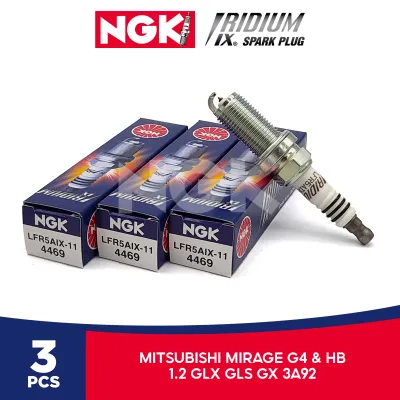
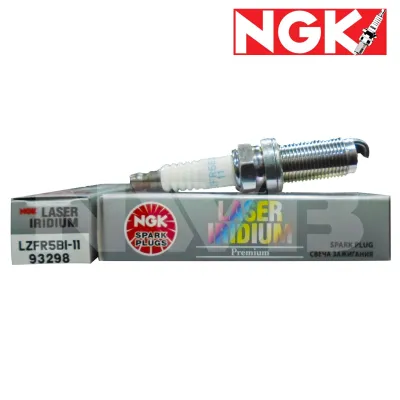
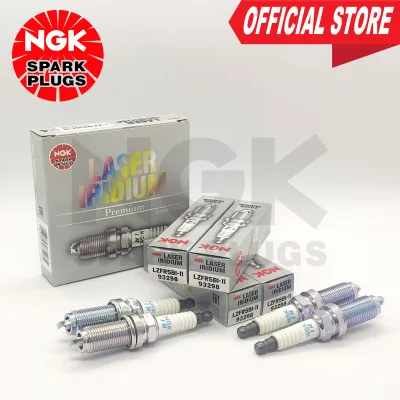
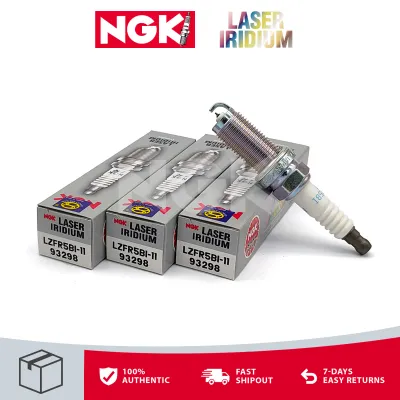
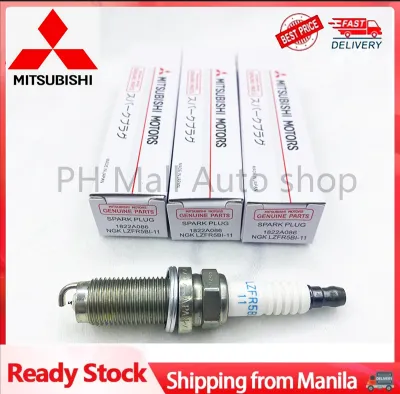
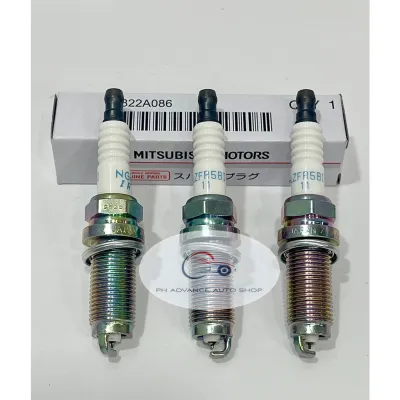
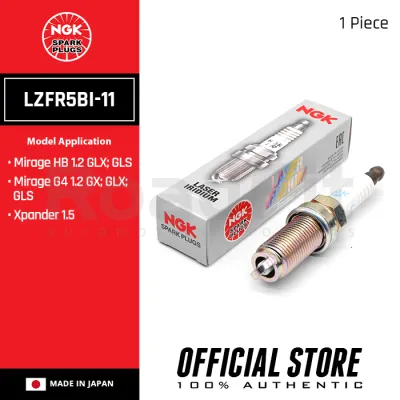
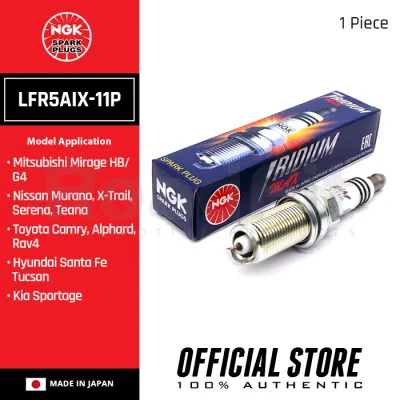
Prices are valid at publication and may change. Please refer to the product page for the latest price.
Copper spark plugs, which are actually made of a solid copper core encased in a nickel-alloy sheath, are highly regarded for their superior electrical conductivity. Copper allows electrical current to flow with minimal resistance, which keeps the plug running relatively cool. However, nickel is a relatively soft metal with a lower melting point than precious metals. Under the intense heat of the combustion chamber, the nickel electrode gradually erodes, rounding off the sharp edges where the spark jumps most easily. This wear increases the gap over time, requiring more voltage to fire and eventually causing ignition issues.
Platinum spark plugs improve on this durability by using a small platinum disc welded to the tip of the center electrode. Platinum is much harder than nickel alloy and has a significantly higher melting point. This physical resilience allows the electrode to resist wear and corrosion far better than copper, maintaining its shape and the critical spark gap for a much longer duration. Some designs, known as double-platinum plugs, feature platinum on both the center electrode and the ground electrode, further enhancing wear resistance on both sides of the spark gap.
Iridium is an extremely dense, precious metal that represents the pinnacle of modern spark plug technology. It is roughly eight times harder than platinum and has an exceptionally high melting point of approximately 2,446 degrees Celsius. Because iridium is so physically tough, manufacturers can design spark plugs with an ultra-fine center electrode, often measuring just 0.4mm to 0.6mm in diameter. A finer tip concentrates the electrical field, requiring less voltage to jump the gap and create a strong, stable spark. This design minimizes the electrical load on your ignition coils while ensuring highly reliable ignition under all operating conditions.
There is a common misconception among car owners that premium materials like iridium generate a “hotter” or “stronger” spark that can boost engine performance beyond factory limits. In reality, the voltage of the spark is determined by the vehicle’s ignition coils, not the spark plug material. The primary advantage of platinum and iridium is not a more powerful spark, but rather their ability to resist electrode degradation. They maintain the precise factory-specified electrode shape and gap over tens of thousands of kilometers, ensuring that your engine continues to run as efficiently as it did on day one.
Performance, Longevity, and Maintenance Intervals
When translating these material differences to real-world driving in a compact, fuel-efficient sedan like the Mitsubishi Mirage G4, longevity and maintenance intervals become the primary differentiators. Because spark plugs are wear items, their lifespan directly affects your vehicle’s operating efficiency and your personal maintenance schedule.

Standard copper spark plugs typically have a service life of approximately 20,000 to 30,000 kilometers before the electrode degrades enough to affect performance. Platinum spark plugs generally last between 60,000 and 80,000 kilometers, making them a highly durable mid-range option. Iridium spark plugs represent the longest-lasting category, often maintaining peak performance for 100,000 kilometers or more. These figures are general industry benchmarks and can vary based on driving conditions, fuel quality, and engine health. You should always verify the recommended replacement intervals in your Mitsubishi Mirage G4 owner’s manual, as modern Mirage models often come equipped with iridium plugs from the factory.
Neglecting to replace worn spark plugs leads to clear physical symptoms that compromise your driving experience. As the electrodes erode and the gap widens, the ignition system must work harder to bridge the distance. This can result in intermittent misfires, which manifest as a rough, vibrating idle, sluggish acceleration when merging onto highways, and a noticeable drop in fuel efficiency. In severe cases, worn plugs can cause hard starting, particularly on damp mornings or after the vehicle has sat idle for several days.
For the Mitsubishi Mirage G4, which utilizes a small-displacement 1.2-liter, three-cylinder 3A92 engine, spark plug health is exceptionally critical. Because a three-cylinder engine is inherently less balanced than a traditional four-cylinder engine, a single misfiring cylinder will cause highly noticeable vibrations throughout the cabin. Furthermore, because the Mirage G4 is engineered for maximum fuel economy, even minor ignition inefficiencies can quickly degrade your average kilometers-per-liter figures. While you might not feel a dramatic performance surge when upgrading from copper to iridium, the real benefit is the long-term preservation of the engine’s smooth operation and excellent fuel economy without the hassle of frequent replacements.
Cost vs. Value: Upfront Price and Long-Term Savings
Evaluating the financial side of spark plug selection requires looking beyond the initial purchase price at the auto supply store. You must consider the total cost of ownership, which includes the price of the parts, the frequency of replacement, and the labor costs associated with installation.
In the Philippine market, spark plug prices fall into distinct bands. Standard copper spark plugs are highly affordable, typically costing around ₱150 to ₱250 per plug. Platinum options generally range from ₱300 to ₱500 per plug, while premium iridium spark plugs are the most expensive, often priced between ₱700 and ₱1,200 or more per plug. Because the Mirage G4 features a three-cylinder engine, you only need to purchase three plugs, which makes the absolute price difference between the cheapest and most expensive options relatively manageable.
To evaluate the long-term value, consider the following comparison over a 100,000-kilometer vehicle lifecycle:
- Copper Plugs: Purchasing three copper plugs costs roughly ₱450 to ₱750. However, to cover 100,000 kilometers, you will need to replace them up to four or five times. This brings your total parts cost to between ₱1,800 and ₱3,750, plus the repeated labor costs or personal time required for five separate installations.
- Iridium Plugs: A single set of three premium iridium plugs costs between ₱2,100 and ₱3,600. Because they can easily last 100,000 kilometers, you only pay for parts and labor once.
This comparison highlights the convenience value of premium materials. If you rely on a professional workshop (talyer) or an authorized dealership (casa) for maintenance, the cumulative labor fees for five copper spark plug changes will quickly exceed the upfront cost of a single set of iridium plugs. For high-mileage daily commuters, ride-sharing drivers, or those who simply prefer a “fit and forget” maintenance routine, investing in iridium plugs is highly cost-effective. Conversely, if you are on a tight budget, drive very few kilometers annually, or enjoy performing your own basic garage maintenance, copper plugs can be a practical, low-cost choice.
How to Choose and Verify Specifications for Your Mirage G4
Selecting the right spark plug involves matching your driving profile to the correct material while strictly verifying the physical and electrical specifications of the plug. Installing a spark plug with incorrect dimensions or thermal properties can cause catastrophic engine damage.
Decision Framework
To simplify your choice, align your purchase with your driving habits and budget:
- Choose Copper if: You are looking for the lowest immediate expense, perform your own basic maintenance, and do not mind changing your spark plugs every 20,000 to 30,000 kilometers.
- Choose Platinum if: You want an affordable upgrade that doubles the service life of copper, providing a balanced, mid-range maintenance interval without paying the premium for iridium.
- Choose Iridium if: You want the maximum possible service life, drive long distances regularly, want to protect your ignition coils from strain, and prefer to minimize workshop visits.
Crucial Safety & Compatibility Checks
Before buying any set of spark plugs, you must verify three critical specifications against your vehicle’s documentation:
- Heat Range: The heat range refers to the spark plug's ability to dissipate heat from its firing tip into the cylinder head. If you install a plug that runs too hot, it can ignite the fuel mixture prematurely (pre-ignition or knocking), leading to severe piston damage. If the plug runs too cold, it will fail to burn off carbon deposits, leading to rapid fouling and misfires. Ensure the heat range code on the plug matches the OEM recommendation exactly.
- Spark Gap: The distance between the center and ground electrodes must be precise. If the gap is too narrow, the spark will be too small to ignite the fuel efficiently; if it is too wide, the ignition coil may fail to produce a spark at all. While many modern plugs come pre-gapped for specific engines, you must verify the gap specification for your Mirage G4. Note that you should never attempt to manually gap iridium or platinum plugs with a traditional coin-style tool, as the delicate precious-metal tips can easily snap off.
- Thread Size and Reach: The physical dimensions of the threaded portion must be an exact match. If the thread reach is too long, the plug will protrude too far into the combustion chamber and may be struck by the piston. If it is too short, the spark will not be positioned correctly, and the cylinder head threads can become clogged with carbon, making future replacements extremely difficult.
Always consult your Mitsubishi Mirage G4 owner’s manual to find the exact OEM part numbers and technical specifications. Because ignition systems are sensitive electrical components, ensure the vehicle’s engine is completely cool and the battery is disconnected before performing any replacement. If you are uncomfortable working with torque wrenches or handling delicate engine components, have the installation completed by a qualified professional mechanic.
Frequently Asked Questions (FAQ)
Can I mix different spark plug materials in my Mirage G4?
No, you should never mix different spark plug materials in your engine. Installing different types of spark plugs—such as two copper and one iridium—will cause uneven electrical resistance and varying wear rates across your cylinders. This imbalance can lead to uneven combustion, engine misfires, rough idling, and potential long-term damage to your ignition coils and catalytic converter. Always replace spark plugs as a complete, matching set of three.
Will upgrading to iridium spark plugs increase my Mirage G4's horsepower?
Upgrading to iridium spark plugs will not increase your engine’s horsepower beyond its original factory rating. Any noticeable improvement in acceleration, throttle response, or idling smoothness after installing new iridium plugs is simply the result of restoring the performance that was lost due to worn, degraded old plugs. Spark plugs do not create power; they only initiate the combustion process that releases the fuel’s energy.
How do I know if my Mirage G4 spark plugs need replacing?
Common signs that your spark plugs need replacement include a rough or shaking idle, sluggish acceleration, a sudden drop in fuel economy, and difficulty starting the engine. If your check engine light is flashing, it often indicates an engine misfire, which can be caused by worn plugs. While these symptoms serve as clear warning signs, the most reliable approach is to inspect and replace your spark plugs according to the preventative maintenance intervals outlined in your owner’s manual.
Community discussion
Share your experience or ask a question. Comments are reviewed before publication.