
Choosing the right spark plug for your Toyota Vios is a practical decision that directly impacts your car’s daily reliability, fuel efficiency, and long-term maintenance costs. As one of the most popular passenger cars in the Philippines, the Vios is a dependable workhorse, whether navigating the daily stop-and-go traffic of Metro Manila or cruising along the highway. When it comes time for routine maintenance, many car owners find themselves choosing between copper, platinum, and iridium spark plugs.
While all three types of spark plugs serve the same fundamental purpose—igniting the air-fuel mixture inside your engine’s cylinders—they do so using different materials that offer distinct trade-offs in terms of longevity, electrical conductivity, and price. Selecting the correct plug requires understanding these material differences and matching them to your specific Vios model year, engine type, and driving habits. By making an informed choice, you can avoid unnecessary mechanic fees, maintain optimal fuel economy, and ensure your engine runs smoothly under demanding tropical conditions.
Understanding Spark Plug Materials and Core Differences
To make the best choice for your Toyota Vios, it is essential to understand the physical properties of the metals used in spark plug construction. The term “copper,” “platinum,” or “iridium” refers specifically to the material coating or forming the tip of the center electrode, which is the small point where the electrical spark jumps to initiate combustion. Each of these metals has unique thermal and electrical characteristics that dictate how the spark plug performs over time.
Products mentioned in this guide
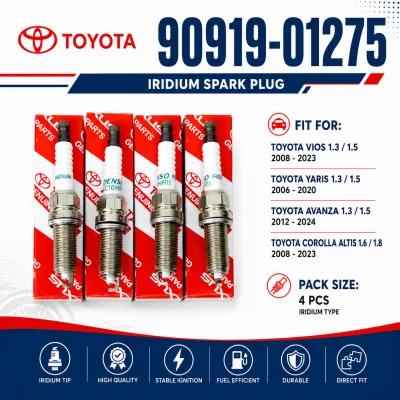
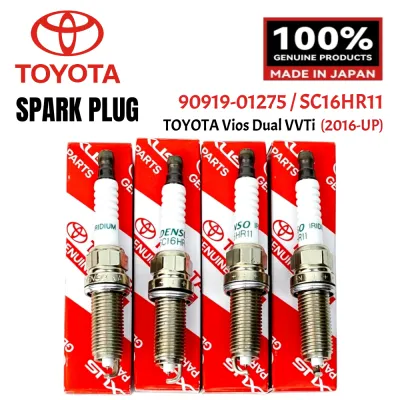
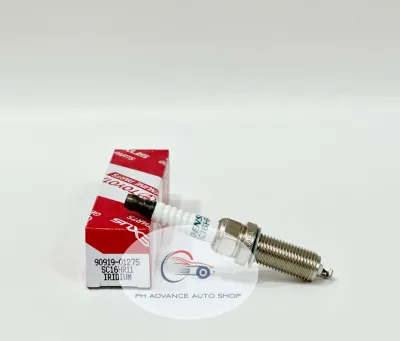
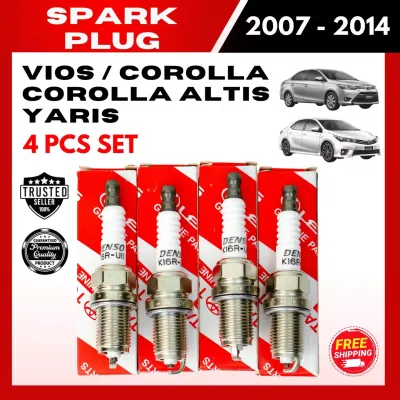
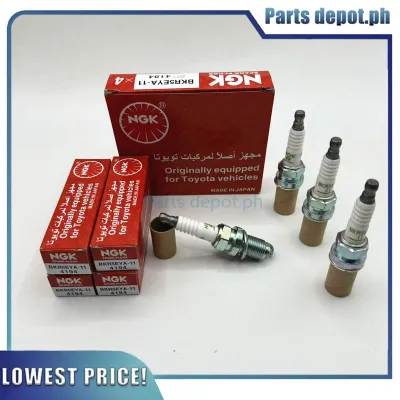
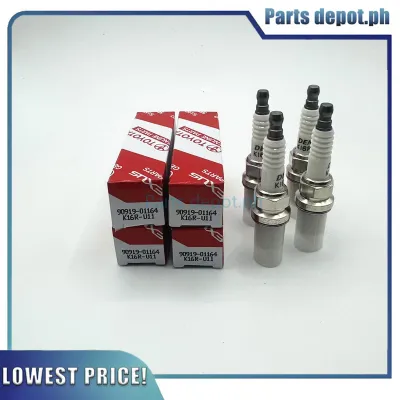
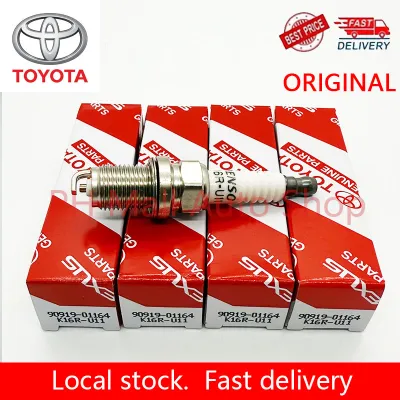
Prices are valid at publication and may change. Please refer to the product page for the latest price.
Standard copper spark plugs feature a solid copper core encased in a nickel-alloy sheath. Copper is an exceptional conductor of electricity and heat, allowing the plug to run relatively cool while delivering a strong, reliable spark. However, nickel alloy has a relatively low melting point compared to precious metals. Because of this, the electrode tip on a copper plug must be designed with a wider diameter to withstand constant electrical erosion. Over time, this wide tip gradually wears down, increasing the gap between the electrodes and requiring more voltage from your ignition coils to produce a spark.
Platinum and iridium spark plugs utilize precious metals that feature incredibly high melting points and superior structural durability. This extreme hardness allows manufacturers to design center electrodes with much finer tips, often measuring less than a millimeter in diameter. A finer tip concentrates the electrical charge, allowing a spark to jump across the gap more easily and consistently, even under lower voltage conditions. While platinum offers a significant upgrade in wear resistance over copper, iridium represents the pinnacle of modern spark plug technology, offering the highest melting point and the greatest resistance to electrical wear.
It is important to clarify a common misconception: upgrading to a premium material like iridium does not inherently generate more raw horsepower or turn a standard Vios into a high-performance racing machine. The primary benefit of precious metal plugs lies in their ability to maintain a consistent, precise spark gap over tens of thousands of kilometers. This consistency ensures that your engine continues to operate at its peak factory-designed efficiency, preventing the gradual performance degradation that occurs as cheaper plugs wear out.
Comparing Lifespan and Long-Term Maintenance Costs
The most significant practical difference between these spark plug materials is their service life, which directly translates to how often you will need to open the hood or visit a service center. Standard copper spark plugs have a relatively short lifespan, typically requiring replacement every 20,000 to 30,000 kilometers. In contrast, platinum plugs can easily last between 40,000 and 60,000 kilometers, while high-quality iridium plugs often boast a service life extending up to 100,000 kilometers or more under normal driving conditions.

To determine the exact replacement intervals for your specific vehicle, you should always consult your Toyota Vios owner’s manual. The manufacturer provides recommended maintenance schedules based on typical driving conditions. It is worth noting that driving in highly congested urban areas, idling for extended periods with the air conditioning running, or operating in dusty environments can accelerate spark plug wear, potentially shortening these intervals regardless of the material you choose.
When evaluating the financial aspect of your choice, you must look beyond the initial purchase price of the parts. A set of standard copper spark plugs is highly affordable upfront, often costing only a few hundred pesos ₱. Platinum and iridium plugs require a much higher initial investment, sometimes costing several times more than copper. However, you must factor in the cost of labor. If you rely on a professional mechanic or an authorized service center to perform your maintenance, the labor fees for replacing copper plugs three or four times will quickly surpass the one-time cost of purchasing and installing a single set of long-lasting iridium plugs.
For Vios owners who use their vehicles for daily commuting or commercial purposes, such as ride-hailing services, minimizing downtime is crucial. Every hour your car spends in the workshop is lost time and money. In these scenarios, paying a premium upfront for iridium plugs is highly cost-effective, as it ensures your vehicle remains on the road for years without requiring ignition system maintenance, ultimately lowering your total cost of ownership.
Evaluating Performance and Fuel Efficiency Claims
The design of your spark plugs plays a subtle but important role in how your engine responds to your inputs. Because platinum and iridium plugs feature much finer center electrodes, they require less electrical voltage to create a spark. This lower voltage requirement means your ignition system does not have to work as hard, which can lead to more reliable ignition during cold starts, smoother idling, and a more responsive throttle feel when accelerating from a complete stop.
However, it is vital to distinguish between restoring your engine’s original performance and achieving an actual upgrade. If your Vios is currently running on worn-out, fouled, or improperly gapped spark plugs, you will likely experience misfires, rough idling, and a noticeable drop in fuel economy. Replacing those degraded plugs with a fresh set of any material—whether copper, platinum, or iridium—will immediately restore your car’s factory-specified efficiency and power. The performance “boost” you feel is simply your engine returning to the way it was designed to run, rather than an added power boost from the precious metal itself.
Real-world fuel efficiency is determined by a complex combination of factors, including your driving habits, tire pressure, engine oil viscosity, and the overall mechanical health of your vehicle. While a premium spark plug ensures that the air-fuel mixture is ignited completely and consistently, it cannot compensate for aggressive driving, carrying excess weight, or neglecting other vital maintenance tasks. To maximize your fuel economy in the Philippines’ challenging traffic conditions, combine high-quality spark plugs with regular oil changes, clean air filters, and smooth acceleration habits.
Verifying Compatibility and Specifications for Your Vios
Before purchasing any spark plugs, you must verify that the parts are fully compatible with your specific Toyota Vios model year and engine type. The Vios has been produced across multiple generations, utilizing different engine families such as the older 1NZ-FE and 2NZ-FE engines, as well as the newer Dual VVT-i 1NR-FE and 2NR-FE engines. Each of these engines has highly specific requirements for spark plug dimensions, thread pitch, and heat range.
To ensure a perfect match, locate the original equipment manufacturer (OEM) part number in your vehicle’s owner’s manual, or carefully remove one of your existing plugs to read the part number stamped on the ceramic insulator. You must match the thread size and reach (the length of the threaded portion) exactly. Installing a spark plug with a thread reach that is too long can cause the plug to protrude too far into the combustion chamber, leading to physical contact with the piston. Conversely, a plug that is too short will shroud the spark, resulting in poor combustion and severe misfires.
Matching the correct heat range is equally critical to engine safety. If you install a spark plug that runs too hot for your engine’s design, the tip can become hot enough to ignite the air-fuel mixture prematurely, causing severe engine knocking (pre-ignition) that can destroy pistons and valves. If you install a plug that runs too cold, it will fail to reach the self-cleaning temperature required to burn off carbon deposits, leading to rapid fouling and ignition failure.
Additionally, you must pay close attention to the electrode gap. Many modern precious metal spark plugs come pre-gapped from the factory and feature extremely fragile iridium or platinum tips. Attempting to adjust the gap on these plugs using traditional gapping tools can easily chip, bend, or snap the delicate electrode, ruining an expensive plug instantly. Always verify if the plug is pre-gapped for your specific Vios engine before attempting any manual adjustments.
Working on your vehicle’s ignition system carries inherent safety risks. Always ensure that the engine is completely cool before attempting to remove or install spark plugs; loosening plugs in a hot engine can easily strip the delicate aluminum threads in the cylinder head. Always use a dedicated spark plug socket with a rubber insert to hold the plug securely, and use a calibrated torque wrench to tighten the plugs to the manufacturer’s exact torque specifications. If you do not possess the proper tools or the mechanical confidence to perform this task safely, always seek qualified professional installation at a reputable automotive service center.
Decision Framework: Choosing the Right Spark Plug
To make your final decision, evaluate your specific driving needs, budget constraints, and vehicle condition using this straightforward decision framework:
You should choose standard copper spark plugs if you are working with a strict upfront budget, prefer to perform your own basic car maintenance, or drive an older Toyota Vios model where copper plugs are the designated factory standard. Copper plugs are also an excellent choice if you plan to sell the vehicle in the near future or if you enjoy checking and servicing your engine components on a frequent basis.
You should choose platinum or iridium spark plugs if you want a highly reliable, low-maintenance solution that allows you to maximize the time between service intervals. This is the ideal choice for daily commuters, ride-hailing drivers, and owners of newer Vios models that came equipped with iridium plugs from the factory. Paying more upfront for precious metals will save you time, reduce long-term mechanic labor fees, and provide peace of mind during long drives.
Before making any purchase, always verify if your Vios has any aftermarket engine modifications or operates under severe heavy-load conditions, as these factors may require a different heat range or plug specification. Furthermore, if your engine is currently experiencing ignition system faults, such as oil burning due to worn piston rings or valve stem seals, resolve these mechanical issues first. Installing expensive iridium plugs in an engine that is actively burning oil will only result in the premium plugs becoming fouled and ruined prematurely, wasting your investment.
Frequently Asked Questions (FAQ)
Can I upgrade my older Toyota Vios from copper to iridium spark plugs?
Yes, upgrading your older Toyota Vios from copper to iridium spark plugs is generally a straightforward process, provided that the new plugs match the OEM specifications for thread size, reach, and heat range exactly. Upgrading to iridium can provide a more stable spark and significantly extend the time between replacements. However, you should also inspect the rest of your ignition system; if your vehicle’s ignition coils, spark plug wires, or distributor components are old and degraded, they may not be able to deliver the clean electrical current required to fully realize the benefits of a premium fine-electrode plug.
Do iridium spark plugs significantly improve fuel economy?
No, switching to iridium spark plugs will not provide a dramatic, standalone increase in your fuel economy compared to a brand-new set of standard copper plugs. The primary advantage of iridium is its exceptional durability, which allows it to maintain its optimal spark gap and ignition efficiency over a much longer lifespan. While you will likely notice a significant improvement in fuel economy if you are replacing old, worn-out, or fouled plugs, this improvement is a result of restoring your engine’s baseline factory efficiency rather than an inherent performance boost provided by the iridium material itself.
Community discussion
Share your experience or ask a question. Comments are reviewed before publication.