
Selecting the right spark plug for your vehicle is one of the most straightforward yet critical maintenance decisions you can make. The spark plug is responsible for igniting the air-fuel mixture within your engine’s cylinders, a process that occurs thousands of times every minute. Choosing the wrong type can lead to poor fuel economy, engine misfires, and even severe internal damage over time.
The optimal spark plug material for your car depends primarily on your vehicle’s original equipment manufacturer (OEM) specifications, its engine design, and your personal maintenance preferences. While modern ignition systems are highly sensitive, a basic decision framework can help you quickly identify which material fits your driving situation.
- Choose Copper if: You drive an older vehicle (typically manufactured before the mid-1990s), are operating on a strict upfront budget, and do not mind performing more frequent replacement intervals.
- Choose Platinum if: You want a reliable, mid-tier balance of extended lifespan and moderate cost for a standard daily commuter vehicle that originally came equipped with platinum plugs.
- Choose Iridium if: You drive a modern, high-performance, or high-compression engine, prioritize the longest possible service intervals, and want to maintain consistent ignition efficiency over several years.
- Verify first if: Your owner’s manual specifies an exact heat range or OEM part number. You must never downgrade from the manufacturer's recommended material, as modern engine control units (ECUs) are calibrated for the electrical resistance of specific electrode metals.
In the tropical climate of the Philippines, where vehicles frequently face extreme stop-and-go traffic in cities like Metro Manila, high humidity, and monsoon downpours, maintaining a strong and consistent spark is essential. Understanding the physical and chemical differences between these three materials will help you make an informed choice that keeps your engine running smoothly.
Products mentioned in this guide
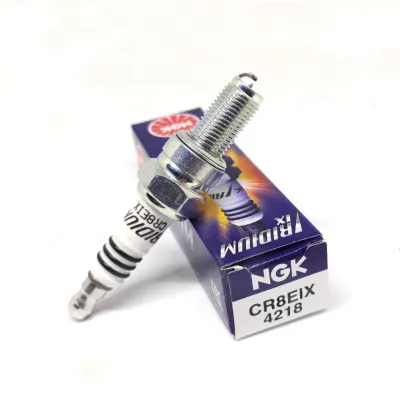
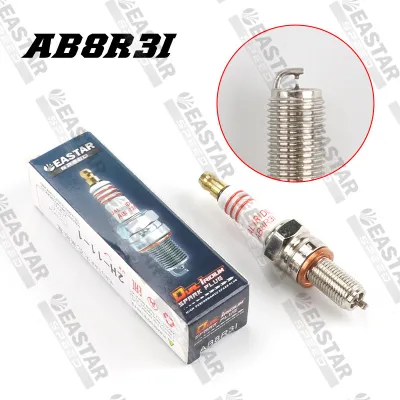
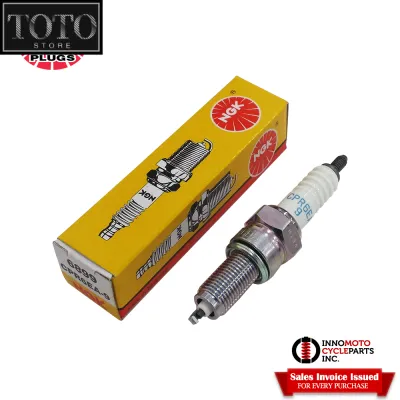
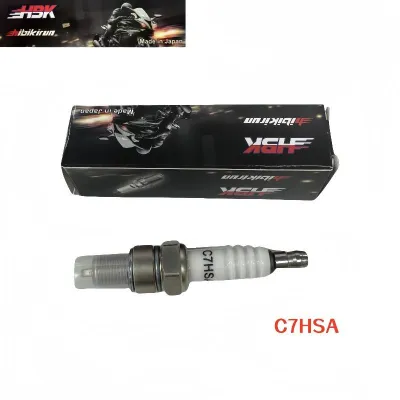
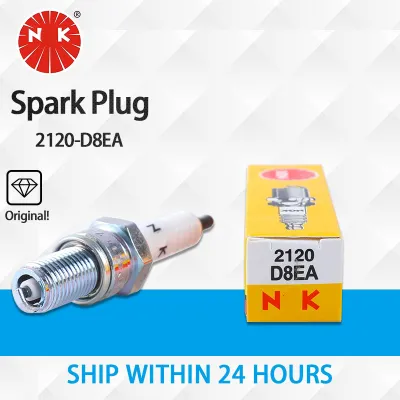
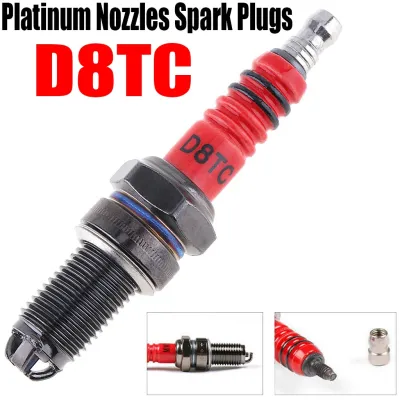
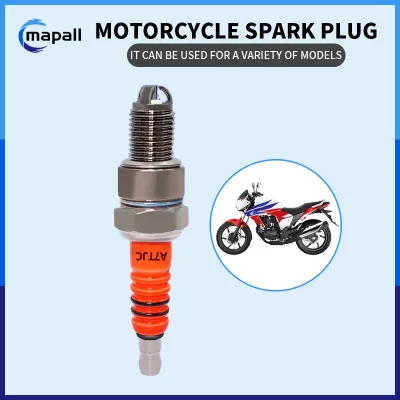
Prices are valid at publication and may change. Please refer to the product page for the latest price.
Material Breakdown: Copper, Platinum, and Iridium Explained
To understand why different spark plug materials exist, it is helpful to look at how a spark plug operates. The ignition coil sends a high-voltage electrical current down the center of the plug. Once this voltage is high enough, it jumps the gap between the center electrode and the ground electrode, creating an electrical spark. This spark ignites the compressed air-fuel mixture, forcing the piston down and generating power.
The material used to tip these electrodes determines how well the plug conducts electricity, how much heat it can withstand, and how quickly the metal wears away under intense electrical and thermal stress. Each metal offers a distinct set of physical properties that dictate its performance and lifespan.
Copper Spark Plugs
Copper spark plugs are actually constructed with a solid copper core encased in a nickel-alloy outer shell. The term “copper spark plug” is slightly misleading, as the actual firing tip of the center electrode is made of nickel alloy, not pure copper. Copper is an exceptional conductor of heat and electricity, allowing the plug to run cooler and transfer electrical energy with minimal resistance.
However, nickel alloy has a relatively low melting point and is softer than precious metals. Because of this, the electrical spark gradually erodes the electrode tip over time. As the tip wears down, the gap between the electrodes widens, requiring more voltage from the ignition system to jump the gap. This rapid wear rate makes copper plugs unsuitable for modern, high-voltage ignition systems that demand precise, consistent gaps over tens of thousands of kilometers.
Platinum Spark Plugs
Platinum spark plugs feature a small platinum disc welded to the end of the center electrode. Platinum is a precious metal that is significantly harder than nickel alloy and has a much higher melting point (approximately 1,768°C). This hardness makes the electrode highly resistant to wear and spark erosion, allowing the plug to maintain its original gap size for a much longer duration.
In “double platinum” designs, a platinum disc is welded to both the center electrode and the ground electrode. This configuration is particularly beneficial for waste-spark ignition systems, where the spark jumps from the center electrode to the ground electrode in one cylinder, and from the ground electrode to the center electrode in another. The presence of platinum on both surfaces prevents uneven wear, making them an excellent mid-tier upgrade for standard daily drivers.
Iridium Spark Plugs
Iridium spark plugs represent the premium tier of ignition technology. Iridium is an extremely dense, precious metal with a melting point of roughly 2,446°C, making it exceptionally hard and resistant to both electrical wear and chemical corrosion. Because iridium is so strong, manufacturers can design spark plugs with an incredibly fine center electrode tip, often measuring just 0.4mm to 0.6mm in diameter.
A finer electrode tip concentrates the electrical charge, meaning it requires significantly less voltage from the ignition coil to create a strong, consistent spark. This reduction in required voltage lowers the electrical load on your vehicle’s ignition coils and wires, extending their overall service life. The concentrated spark also creates a more localized, efficient flame kernel, which promotes more complete combustion within the engine cylinder.
Comparing Longevity, Performance, and Cost
When deciding which spark plug material to buy, you must evaluate how each option performs across three practical dimensions: how long they last, how they affect engine performance, and their long-term financial value.

Longevity and Service Intervals
- Copper Plugs: Typically require replacement every 20,000 to 30,000 kilometers due to the rapid wear of the nickel-alloy electrode.
- Platinum Plugs: Generally offer a service life of 60,000 to 80,000 kilometers under normal driving conditions.
- Iridium Plugs: Are engineered to last between 100,000 and 150,000 kilometers before needing a replacement.
These lifespans are general industry estimates and can vary widely based on your engine’s mechanical health, fuel quality, and driving habits. In the Philippines, severe stop-and-go traffic, high ambient humidity, and prolonged idling can accelerate carbon fouling. When an engine idles for long periods, the spark plugs may not reach their self-cleaning temperature (typically between 450°C and 850°C), leading to a buildup of carbon deposits that can shorten the plug’s effective lifespan regardless of the material used. Always prioritize your vehicle manufacturer’s recommended maintenance schedule over generic material lifespan claims.
Performance and Ignition Efficiency
There is a common misconception among car enthusiasts that installing premium iridium or platinum spark plugs will instantly add horsepower to a stock engine. In reality, spark plugs do not generate power; they simply ignite the fuel that produces it. A brand-new copper plug will perform just as efficiently as a brand-new iridium plug in terms of engine power, provided the ignition system can supply the necessary voltage.
The real performance advantage of platinum and iridium lies in their ability to maintain optimal ignition efficiency over a long period. As copper plugs wear down, their widening gaps require more voltage, which can eventually lead to intermittent misfires, sluggish throttle response, and a gradual drop in fuel economy. Premium plugs prevent this performance decay, ensuring that your engine continues to run at its factory-designed efficiency levels for years.
Cost and Long-Term Value
To determine the true cost of each spark plug type, you must look beyond the initial shelf price and calculate the total cost of ownership over the lifetime of your vehicle.
- Copper Plugs: Are the most affordable upfront, usually costing around ₱150 to ₱300 per plug. However, because they must be replaced up to five times more often than iridium plugs, you will spend more on labor or personal time over the long run.
- Platinum Plugs: Sit in the middle tier, typically priced between ₱400 and ₱800 per plug, offering a balanced compromise for budget-conscious drivers who still want decent longevity.
- Iridium Plugs: Have the highest upfront cost, often ranging from ₱800 to ₱1,500 or more per plug.
If you take your car to a professional mechanic or a local service center (talyer) for maintenance, you must pay for labor every time the plugs are changed. For vehicles with transversely mounted V6 engines or tightly packed engine bays where accessing the spark plugs requires removing the intake manifold, labor costs can be substantial. In these scenarios, paying more upfront for long-lasting iridium plugs is highly cost-effective, as it minimizes the number of times you have to pay for complex labor.
Step-by-Step Guide to Selecting the Correct Spark Plug
To ensure you purchase and install the exact part your vehicle requires, follow these safety-conscious steps before making a purchase.
Step 1: Consult the Owner’s Manual
Your vehicle’s owner’s manual or service guide is the ultimate authority on spark plug specifications. It will list the exact OEM part number, thread size, thread reach, hex size, and heat range required for your engine.
The heat range is a measure of how quickly the spark plug transfers heat from its firing tip to the engine’s cooling system. Using a plug with the wrong heat range can cause catastrophic engine damage. If the plug is too “hot,” it will retain too much heat, potentially igniting the air-fuel mixture prematurely (pre-ignition) and melting the piston. If the plug is too “cold,” it will not get hot enough to burn off carbon deposits, leading to rapid fouling and misfires. Never alter the heat range of your plugs unless you are running a highly modified engine under the direct guidance of a professional tuner.
Step 2: Check for Upgrades vs. Downgrades
When selecting a material, you must follow the rules of material compatibility:
- Upgrading is generally safe: If your car came from the factory with copper plugs, you can usually upgrade to platinum or iridium plugs, provided the physical dimensions, thread pitch, and heat range match perfectly. This upgrade will give you longer service intervals and more consistent ignition.
- Downgrading is highly discouraged: If your vehicle was designed to run on iridium plugs, do not install copper or platinum plugs. Modern engines designed for iridium plugs often feature high-energy ignition coils that expect the specific electrical resistance of an iridium electrode. Downgrading can cause immediate misfires, trigger a "Check Engine" light, reduce fuel efficiency, and put excessive strain on your ignition coils.
Step 3: Verify the Spark Plug Gap
The spark plug gap is the precise distance between the center and ground electrodes. This gap must match your engine’s ignition system specifications exactly. If the gap is too narrow, the spark will be too small to ignite the fuel efficiently; if it is too wide, the ignition coil may not be able to produce enough voltage to bridge the gap.
Before installing any new spark plug, check the gap using a dedicated feeler gauge or wire gap tool. Even if a box is labeled “pre-gapped,” the gap can easily be knocked out of spec during shipping, handling, or transit. When checking the gap on platinum or iridium plugs, be extremely gentle. Never press the gapping tool directly against the delicate precious-metal center electrode tip, as the thin iridium wire or platinum disc can easily chip, snap, or bend, rendering the expensive plug useless.
Step 4: Buy from Reputable Sources
The automotive aftermarket is flooded with counterfeit spark plugs, many of which are packaged in highly convincing replica boxes. These counterfeit plugs are typically made of cheap, low-grade metals with poorly welded tips that can break off and fall directly into your engine’s combustion chamber, causing thousands of pesos in catastrophic engine damage.
To protect your engine, only purchase spark plugs from authorized auto parts distributors, official brand online stores, or highly trusted local physical dealerships. Avoid buying incredibly cheap multi-packs from unverified third-party sellers on online marketplaces. If a deal on premium iridium plugs seems too good to be true, it is highly likely that they are counterfeit.
When to Replace: Warning Signs of Worn Spark Plugs
Regardless of which material you choose, spark plugs are wear-and-tear items that will eventually need to be replaced. You should perform a visual inspection or consult a professional mechanic if you experience any of the following common symptoms of worn spark plugs:
- Rough Idling: If your car vibrates excessively, makes unusual sputtering noises, or feels unstable while waiting at a red light, the spark plugs may not be igniting the fuel consistently.
- Engine Misfires: A misfire occurs when the air-fuel mixture in a cylinder fails to ignite. This often feels like a sudden hesitation, jerking, or temporary loss of power while driving, and is usually accompanied by a flashing or solid "Check Engine" light.
- Sluggish Acceleration: If you press the accelerator pedal and the vehicle hesitates or struggles to pick up speed, worn electrodes may be failing to provide a strong enough spark under load.
- Decreased Fuel Economy: When spark plugs wear out, combustion becomes incomplete, meaning your engine has to burn more fuel to maintain the same level of performance. A sudden, unexplained drop in your mileage is a classic sign of failing plugs.
- Difficulty Starting: Worn plugs require more voltage to spark, which can make it incredibly difficult for your starter motor and battery to turn the engine over, especially during cold starts or high-humidity mornings.
If you are comfortable performing basic DIY maintenance, you can remove the spark plugs to inspect their physical condition. A healthy spark plug should have a light tan or gray deposit on the firing tip. If you observe heavy, dry black soot (carbon fouling), wet black oil (oil fouling), a melted center electrode, or an obviously widened gap, the plugs must be replaced immediately.
Be aware that if your engine symptoms persist after installing brand-new, correctly gapped spark plugs, the underlying issue may lie elsewhere in the ignition or fuel delivery systems. Faulty ignition coils, worn spark plug wires, clogged fuel injectors, or vacuum leaks can all mimic the symptoms of bad spark plugs. If a simple plug replacement does not resolve the issue, seek a professional diagnostic scan to pinpoint the exact cause.
Frequently Asked Questions (FAQ)
Can I upgrade from copper to iridium spark plugs in an older car?
Yes, you can physically upgrade to iridium spark plugs in an older vehicle, provided the thread size, reach, and heat range match the original OEM specifications. However, you should evaluate if the upgrade is worth the financial investment. Older ignition systems designed for copper plugs operate at lower voltages and may not fully utilize the efficiency benefits of a fine-wire iridium tip. If the vehicle is only used for occasional short trips or is nearing the end of its operational life, the high cost of iridium plugs may not provide a noticeable return on investment compared to standard, affordable copper plugs.
Do premium spark plugs improve fuel economy?
Premium spark plugs do not improve fuel economy beyond your vehicle’s original factory specifications. Instead, they restore and maintain your engine’s optimal fuel efficiency by preventing misfires and ensuring complete, clean combustion. Over time, as standard copper plugs wear down, your fuel economy will gradually decline. Installing premium platinum or iridium plugs simply prevents this efficiency loss, allowing your vehicle to run at its peak designed fuel economy for a much longer period.
Should I use anti-seize on spark plug threads?
Most modern spark plugs from major manufacturers feature a special zinc or trivalent metal plating on their threads designed to prevent corrosion and seizing in aluminum cylinder heads. Applying anti-seize lubricant to these pre-plated threads can act as an unintended lubricant, significantly reducing friction. When you use a torque wrench to tighten the plug to the manufacturer’s specified torque, the lack of friction can lead you to over-tighten the plug, which can stretch the metal shell, damage the internal seals, or strip the delicate aluminum threads in your engine block. Always check the specific installation instructions provided by the spark plug manufacturer; if they state that the plugs have a non-seizing coating, install them dry without any anti-seize compound.
Community discussion
Share your experience or ask a question. Comments are reviewed before publication.