
Selecting the correct spark plug is one of the most critical maintenance decisions you can make for your vehicle’s engine. The spark plug is responsible for igniting the compressed air-fuel mixture within the combustion chamber thousands of times per minute. While this component may seem simple, the material used to construct its electrodes plays a massive role in how efficiently your engine runs, how often you need to perform maintenance, and how much you will spend over the lifespan of your vehicle.
There is no single “best” spark plug material that fits every vehicle on the road. The ideal choice depends heavily on your vehicle’s engine design, the manufacturer’s original specifications, and your personal maintenance budget. Rather than searching for a universal winner, you must identify which material aligns with your specific automotive setup.
You should choose copper spark plugs if you drive an older vehicle equipped with a traditional distributor-based ignition system, or if you are tuning a high-performance, high-boost engine where you prioritize maximum electrical conductivity and do not mind performing frequent, low-cost replacements.
Products mentioned in this guide
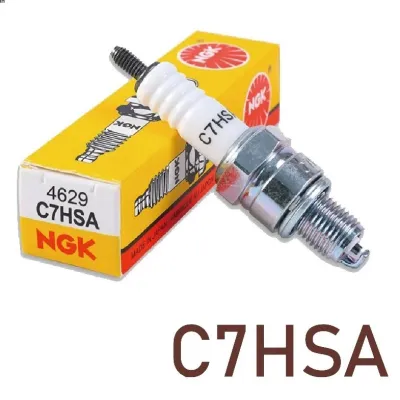
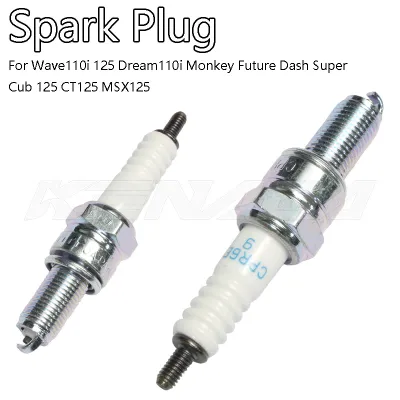
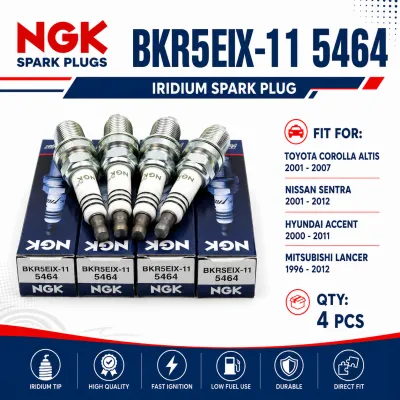
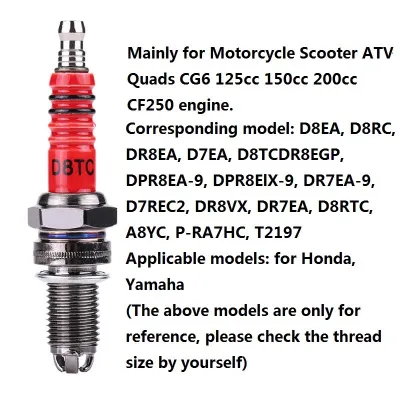
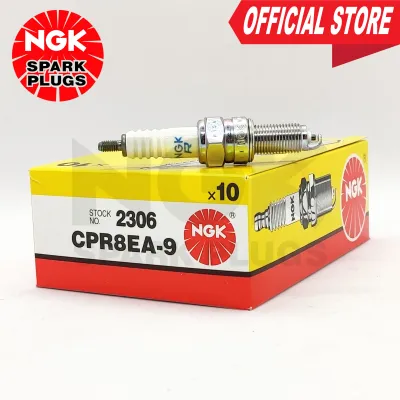
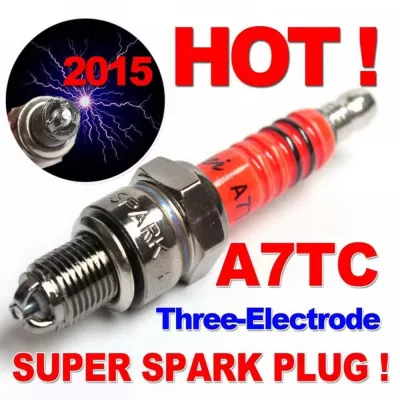
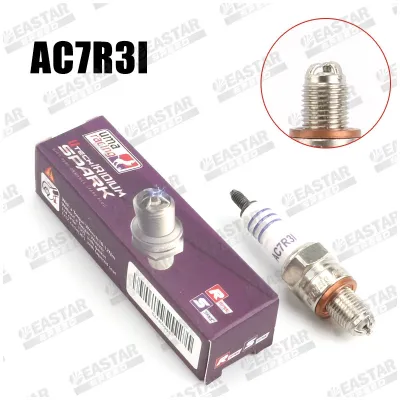
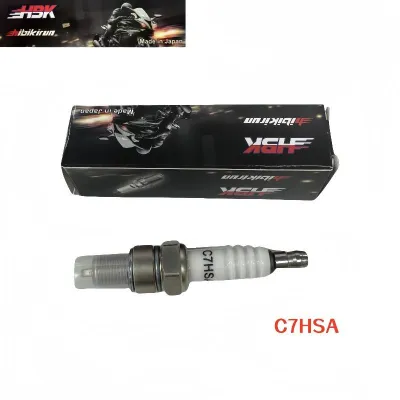
Prices are valid at publication and may change. Please refer to the product page for the latest price.
You should choose platinum spark plugs if you are looking for a reliable middle ground that offers significantly better durability than copper, making them highly suitable for standard modern daily drivers and electronic ignition systems.
You should choose iridium spark plugs if you drive a modern, high-efficiency vehicle with a coil-on-plug or high-compression ignition system, prioritize maximizing the interval between spark plug changes, and want the absolute highest ignition efficiency despite a higher upfront cost.
It is vital to understand that upgrading to a more premium material like iridium does not override your engine’s fundamental requirements. A spark plug must always match the exact physical dimensions, thread reach, and heat range specified by your vehicle’s manufacturer. Before making any purchase, always defer to your owner’s manual to ensure compatibility.
Copper vs. Platinum vs. Iridium: Core Material Differences
To understand why these three materials perform so differently, it is helpful to look at the physical and chemical properties of copper, platinum, and iridium. The core function of a spark plug is to allow high-voltage electricity to jump across a small gap, creating a spark that initiates combustion. The material at the tip of the electrodes must withstand extreme electrical pressure, chemical corrosion, and intense thermal shock within the combustion chamber.
Copper Spark Plugs
Often referred to as standard or traditional spark plugs, copper spark plugs actually feature a solid copper core encased in a nickel-alloy outer sheath. Copper is an exceptional conductor of electricity and heat, second only to silver among common metals. This high conductivity means that copper plugs can transfer electrical energy with minimal resistance, producing a strong, hot spark that promotes complete combustion.
However, the primary limitation of copper lies in its physical durability. Copper has a relatively low melting point and is a soft metal compared to precious metals like platinum and iridium. Under the intense heat and pressure of the combustion chamber, the nickel-alloy coating gradually erodes, and the copper core begins to wear down. This wear causes the gap between the electrodes to widen over time, requiring more voltage from the ignition system to jump the gap.
Because of this rapid wear rate, copper spark plugs have the shortest lifespan of the three types. They are best suited for older vehicles built before the 1990s that utilize low-voltage distributor ignition systems, or for specialized high-performance, turbocharged engines where the plugs are inspected and replaced frequently as part of a rigorous maintenance schedule.
Platinum Spark Plugs
Platinum spark plugs were introduced to address the rapid wear characteristics of copper. Platinum is a precious metal that is significantly harder than nickel alloy and has a much higher melting point. By welding a small platinum disc to the tip of the center electrode, manufacturers created a spark plug capable of resisting spark erosion and chemical corrosion for a much longer period.
There are two main configurations of platinum plugs: single platinum and double platinum. Single platinum plugs feature a platinum disc only on the center electrode, while the ground electrode remains standard nickel alloy. Double platinum plugs feature platinum plating on both the center electrode and the ground electrode.
The distinction between single and double platinum is highly critical for vehicles utilizing “waste-spark” ignition systems. In a waste-spark system, one coil fires two spark plugs simultaneously. In this setup, the electrical current travels from the center electrode to the ground electrode in one cylinder, but in the companion cylinder, the current travels in reverse—from the ground electrode to the center electrode. If you install single platinum plugs in a waste-spark system, the ground electrodes on half of your plugs will wear out prematurely. Therefore, you must verify your ignition system type and use double platinum plugs if required by your vehicle’s manufacturer.
Iridium Spark Plugs
Iridium is an extremely dense, hard precious metal with a melting point that surpasses both platinum and copper. Because of iridium’s extreme strength and resistance to wear, spark plug manufacturers can design the center electrode with an incredibly fine wire tip, typically measuring between 0.4mm and 0.6mm in diameter.
This fine-wire design provides a major ignition advantage. A thin, pointed electrode concentrates the electrical charge much more effectively than a thick, blunt electrode. As a result, it takes significantly less voltage for the electrical current to jump the gap and create a spark. This lower voltage requirement reduces the load on your vehicle’s ignition coils, leads to more reliable cold starts, and ensures stable ignition even under high-load or lean-burn conditions.
The primary trade-off with iridium spark plugs is their high upfront cost. Iridium is a rare precious metal, and the manufacturing processes required to weld such fine tips are highly complex. However, for modern high-efficiency engines, direct-injection systems, and turbocharged vehicles, the superior durability and ignition efficiency of iridium make it the standard choice.
Comparing Performance, Lifespan, and Value
When deciding which spark plug to purchase, it is helpful to weigh their performance, lifespan, and overall value side-by-side. The table below outlines the relative differences between these three common spark plug materials.

| Material | Relative Electrode Durability | Ignition Efficiency | Relative Upfront Cost | Best Suited For |
|---|---|---|---|---|
| Copper | Standard | High | Low | Older vehicles, classic cars, and high-performance tuning |
| Platinum | Extended | Very High | Moderate | Modern daily drivers and waste-spark ignition systems |
| Iridium | Maximum | Highest | High | High-efficiency modern engines and coil-on-plug systems |
Evaluating spark plugs requires looking at “value over time” rather than just the initial purchase price. In the Philippines, a standard copper spark plug might cost between ₱120 and ₱200, while a premium iridium plug can range from ₱600 to over ₱1,200 per piece. While copper is transitionally the cheapest option upfront, its short lifespan means you may need to replace them every 20,000 to 30,000 kilometers. In contrast, iridium plugs can easily last 100,000 kilometers or more before requiring replacement.
If you rely on a professional auto shop for your maintenance, the labor costs of replacing copper plugs three or four times will far exceed the higher upfront cost of a single set of iridium plugs. For vehicles where the spark plugs are difficult to access—such as transverse V6 engines where the intake manifold must be disassembled to reach the rear bank—using a long-lasting material like iridium is highly cost-effective.
However, you must remember that material alone does not dictate overall performance. The spark plug’s heat range, thread reach, and physical gap are far more critical to engine health than whether the tip is made of copper or iridium. The heat range refers to the plug’s ability to dissipate heat from the combustion chamber into the cylinder head. A premium iridium plug with an incorrect heat range can run too hot, causing destructive pre-ignition, or run too cold, leading to rapid carbon fouling. Always prioritize matching the exact specifications required by your engine over simply buying the most expensive material.
Matching the Right Spark Plug to Your Car and Driving Habits
Choosing the right spark plug requires analyzing your specific vehicle’s engineering and your daily driving environment.
Vehicle Age and Ignition System Older vehicles with distributor-based ignition systems operate at lower voltages and are designed around the wider, highly conductive electrodes of copper plugs. Installing an iridium plug in an older engine not designed for it can sometimes result in a weaker spark if the ignition system cannot supply the correct electrical profile. Conversely, modern coil-on-plug (COP) systems generate massive electrical energy and rely on the high wear resistance of platinum or iridium to maintain precise spark timing over tens of thousands of kilometers.
Driving Environment The local driving conditions in the Philippines present unique challenges for internal combustion engines. Navigating intense, stop-and-go traffic in urban areas like Metro Manila, Cebu, or Davao, combined with high ambient temperatures and tropical humidity, puts immense thermal stress on your vehicle’s cooling and ignition systems. Prolonged idling in heavy traffic prevents the engine from reaching its optimal self-cleaning temperature, which can lead to carbon deposits forming on the spark plug electrodes.
Under these severe driving conditions, the superior heat resistance of platinum and iridium plugs becomes highly advantageous. These precious metals maintain a consistent spark even when subjected to high thermal loads, helping to prevent misfires, rough idling, and carbon fouling. For drivers who frequently face long commutes in tropical heat, investing in platinum or iridium plugs provides an extra layer of ignition reliability.
Budget vs. Convenience Your approach to vehicle maintenance should also guide your decision. If you are a hands-on car owner who enjoys doing basic maintenance in your driveway and your engine offers easy, unobstructed access to the spark plugs, choosing copper plugs and replacing them frequently can be a satisfying and economical routine.
However, if you prefer a “set-and-forget” approach to maintenance, or if you want to minimize your visits to the mechanic, paying more for iridium or platinum plugs is the most practical path. Minimizing the frequency of spark plug replacements reduces the risk of cross-threading the delicate aluminum threads in your engine’s cylinder head during repeated installations.
Safety, Installation, and Maintenance Boundaries
Replacing spark plugs is a highly precise task that directly impacts your engine’s operation and safety. Before attempting to inspect or replace your spark plugs, you must observe several critical boundaries.
Verification First Never assume compatibility based on a spark plug’s material or a generic product listing on an online marketplace. Before purchasing, verify your vehicle’s exact model, year, engine displacement, and engine code. Consult your vehicle’s owner’s manual or the emissions control label located under the hood to find the exact OEM-recommended part number, thread size, reach, and heat range. Using a spark plug with the incorrect thread length can cause the piston to strike the plug, resulting in catastrophic engine failure.
Gapping The spark plug gap—the precise distance between the center and ground electrodes—must match your engine’s specifications exactly to ensure proper ignition. Always verify the gap using a dedicated wire loop gap tool or a feeler gauge before installing the plugs, even if the box states they are “pre-gapped.” Shipping and handling can easily bump the electrodes and alter the gap.
However, you must exercise extreme caution when dealing with platinum or iridium plugs. The fine-wire electrodes on these premium plugs are incredibly delicate. Never use a cheap, coin-style ramp gapping tool to adjust them, as sliding the tool against the precious metal tip can easily snap or chip the iridium or platinum coating, rendering the plug useless. If adjustment is necessary, use a specialized gapping tool that only bends the ground electrode without putting any pressure on the center electrode.
Installation Torque Proper installation torque is absolutely critical when installing spark plugs into an engine’s cylinder head, which is typically made of soft aluminum. You must use a calibrated torque wrench and follow the exact torque specifications provided by the spark plug manufacturer or your vehicle’s service manual.
Over-tightening a spark plug can strip the threads in the cylinder head—a highly complex and expensive damage to repair—or distort the spark plug’s steel shell, causing internal gas leaks and cracked ceramic insulators. Under-tightening can prevent the spark plug from seating properly, leading to compression loss, poor heat dissipation, and the risk of the plug backing out of the cylinder head entirely while the engine is running.
Additionally, note that many major spark plug manufacturers advise against using anti-seize lubricants on the threads of modern plated spark plugs. The metal plating on new plugs already acts as a dry lubricant; applying extra anti-seize can lead to accidental over-tightening because it reduces thread friction, causing you to exceed the safe torque limit.
Professional Help If you do not own a calibrated torque wrench, a high-quality spark plug socket with a rubber insert or magnetic retainer to hold the plug safely, or if your engine’s design requires removing major components like the intake manifold, throttle body, or vacuum lines to access the plugs, do not attempt the replacement yourself. Seek the assistance of a qualified professional mechanic to ensure the job is completed safely and correctly.
Frequently Asked Questions (FAQ)
Can I upgrade from copper to iridium spark plugs in my older car?
You can physically install iridium spark plugs in an older vehicle as long as the thread size, reach, and heat range match the manufacturer’s original specifications. However, doing so may not provide a noticeable boost in performance or fuel economy. Older engines with low-voltage distributor systems were engineered around the wider electrode gap and high conductivity of copper plugs. Before upgrading, always check your owner’s manual; some older ignition systems do not perform well with the fine-wire design of iridium plugs, which can lead to ignition issues or premature fouling if the heat range is incorrect.
Do iridium spark plugs improve fuel economy and horsepower?
Iridium spark plugs do not add horsepower or increase fuel economy beyond your engine’s original factory design limits. Instead, they help maintain your engine’s peak combustion efficiency over a much longer period. Because iridium is exceptionally resistant to wear, the electrode gap remains precise over tens of thousands of kilometers, preventing the gradual drop in fuel efficiency, rough idling, and misfires that occur as standard copper plugs degrade. Upgrading to iridium restores lost efficiency rather than creating new performance.
Community discussion
Share your experience or ask a question. Comments are reviewed before publication.