
Quick Answer: Which Spark Plug Material Should You Choose?
The choice of the ideal spark plug material for your vehicle is not a matter of simply buying the most expensive option on the shelf. Instead, the correct decision depends entirely on your vehicle manufacturer’s original design specifications, the architecture of your ignition system, and your long-term maintenance preferences. While copper, platinum, and iridium each offer distinct advantages, upgrading to a premium material does not override the fundamental requirement to match the exact heat range, thread size, reach, and hex size specified in your owner’s manual.
Copper plugs provide excellent conductivity at a low initial cost but require frequent replacement, making them suitable for older engines or specific high-performance applications. Platinum serves as a durable, mid-tier option that balances longevity and cost, particularly in distributor-less systems. Iridium represents the premium standard, offering the highest melting point and finest electrode tip for modern engines designed for long service intervals and maximum ignitability.
Core Differences: Copper, Platinum, and Iridium Explained
The center electrode of a spark plug is the critical point where electrical energy from the ignition coil is converted into an electric arc. The material used to tip this electrode dictates how well the plug resists thermal erosion, how quickly the gap widens over time, and how much voltage is required to initiate the spark. As engines run, the constant electrical discharge and intense heat of combustion gradually wear away the electrode metal, a process known as spark erosion.
Products mentioned in this guide
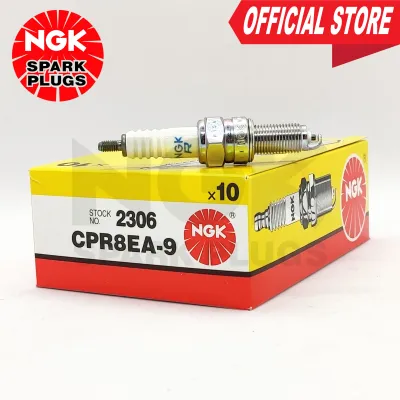
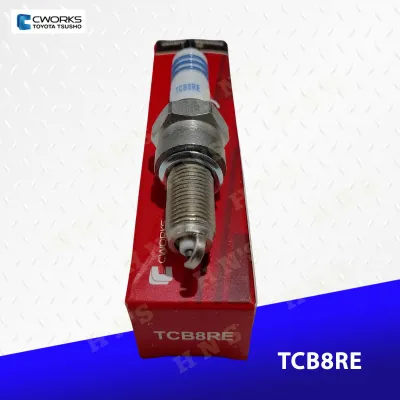
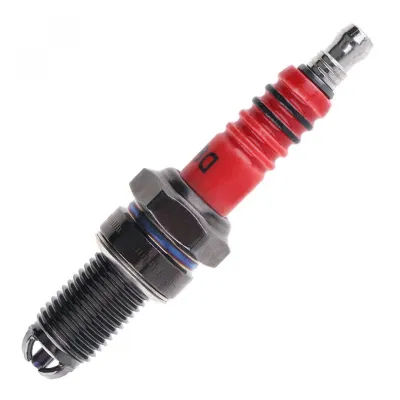
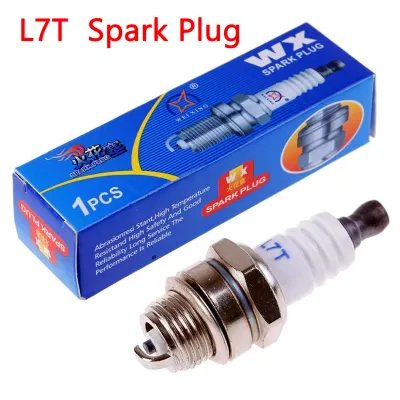
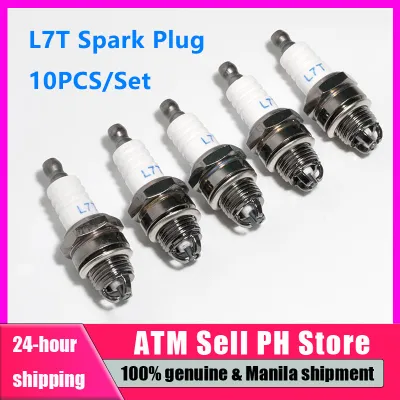
Prices are valid at publication and may change. Please refer to the product page for the latest price.

Choosing a material with a higher melting point and greater hardness allows manufacturers to design plugs with significantly smaller electrode tips. A smaller tip concentrates the electrical field, making it much easier for the spark to jump the gap. This reduces the electrical load on your ignition coils and ensures consistent combustion, even under challenging operating conditions.
Beyond the electrode material, a spark plug’s heat range is another critical factor that dictates its operation. The heat range refers to the plug’s ability to dissipate heat from its firing tip to the engine’s cooling system. A hot plug has a longer ceramic insulator nose that retains more heat, keeping the tip hot enough to burn off carbon deposits during low-speed driving. Conversely, a cold plug has a shorter insulator nose that transfers heat away rapidly, preventing pre-ignition under high-load or high-temperature conditions. Regardless of whether you select copper, platinum, or iridium, maintaining the correct heat range is vital to prevent engine damage.
Copper Spark Plugs
Often referred to as standard spark plugs, copper plugs actually feature a solid copper core encased in a nickel-alloy outer sheath. The sparking surface itself is made of this nickel alloy, as pure copper would melt too quickly under the extreme temperatures of the combustion chamber. Nickel has a melting point of approximately 1,455 degrees Celsius, which is lower than that of precious metals, meaning the electrode wears down at a relatively rapid rate.
To compensate for this faster wear and prevent the gap from widening too quickly, manufacturers must design copper plugs with a relatively large center electrode diameter, typically around 2.5 millimeters. This larger surface area requires a higher voltage from the ignition system to initiate a spark compared to finer precious-metal tips. Consequently, copper plugs place a higher demand on the ignition coils as they age and the gap naturally erodes.
These plugs are best suited for older vehicles manufactured before the mid-1990s that utilize traditional distributor-based ignition systems. They are also highly favored in specific high-compression, turbocharged, or nitrous-assisted performance engines where frequent spark plug inspection, gap adjustment, and replacement are standard maintenance practices. In these scenarios, the low cost of copper plugs makes regular replacement financially practical.
Platinum Spark Plugs
Platinum spark plugs utilize a small platinum disc welded to the end of the center electrode. Platinum is significantly harder than nickel alloy and boasts a higher melting point of approximately 1,768 degrees Celsius. This superior heat resistance allows the plug to withstand spark erosion for much longer periods, maintaining the correct electrode gap over tens of thousands of kilometers.
Because platinum resists wear so effectively, the center electrode can be engineered with a much narrower tip, often around 1.1 millimeters in diameter. This smaller tip concentrates the electrical charge, requiring less voltage from the ignition system to create a strong, reliable spark. The result is improved ignitability, smoother idling, and more consistent performance throughout the plug’s service life.
Platinum plugs are commonly used in modern distributor-less ignition systems (DIS). Many of these systems employ a waste-spark design, where one ignition coil fires two spark plugs simultaneously—one on the compression stroke and one on the exhaust stroke. In these systems, the spark travels from the center electrode to the ground electrode on one cylinder, and from the ground electrode to the center electrode on the companion cylinder. This reverse-polarity firing requires double-platinum plugs, which feature platinum discs on both the center and ground electrodes, to prevent premature wear on the ground side.
Double-platinum spark plugs are specifically engineered to address the unique wear patterns of waste-spark ignition systems. In these configurations, a single coil fires two plugs simultaneously, creating a circuit where electricity flows from the center electrode to the ground electrode in one cylinder, and from the ground electrode to the center electrode in the other. This reverse-polarity firing causes rapid erosion of the ground electrode on the second cylinder if it is made of standard nickel alloy. By welding a platinum disc to both the center and ground electrodes, double-platinum plugs ensure equal wear resistance in both directions, maintaining a stable gap and preventing premature ignition system failure.
Iridium Spark Plugs
Iridium is an extremely dense, hard precious metal with an exceptionally high melting point of approximately 2,446 degrees Celsius. This extreme thermal and physical durability makes iridium highly resistant to spark wear and chemical corrosion within the combustion chamber. As a result, iridium spark plugs represent the pinnacle of modern ignition technology, offering unparalleled longevity and performance.
The extreme strength of iridium allows manufacturers to create the thinnest center electrodes in the industry, with some tips measuring as fine as 0.4 to 0.6 millimeters. This ultra-fine tip acts as a highly concentrated point for the electrical field, drastically reducing the voltage required to jump the gap. This low voltage demand is highly beneficial for modern coil-on-plug (COP) ignition systems, as it minimizes thermal stress on individual ignition coils, extending their operational lifespan.
The fine-wire design of iridium plugs significantly improves flame kernel expansion during ignition, resulting in more complete combustion, superior cold-start reliability, and highly stable idling. These plugs are the standard factory equipment for the vast majority of modern engines. They are specifically engineered to support high-efficiency, low-emission engines that require extended service intervals, reducing the frequency of complex maintenance procedures.
To further enhance durability, many premium iridium plugs utilize an alloy of iridium and rhodium. Rhodium is added to improve the oxidation resistance of the iridium tip, which can otherwise slowly oxidize at extremely high combustion temperatures. Additionally, the ground electrodes of high-end iridium plugs are often tipped with platinum to match the wear resistance of the center electrode. This combination of advanced materials ensures that the plug can withstand the high-pressure, high-temperature environment of modern turbocharged and direct-injected engines without degrading.
Head-to-Head Comparison: Lifespan, Performance, and Cost
When evaluating copper, platinum, and iridium spark plugs, vehicle owners must weigh the upfront purchase price against long-term durability and maintenance labor. The relative lifespan of these materials follows a clear hierarchy, with iridium offering the longest service life, followed by platinum, and copper providing the shortest. However, drivers should always consult their specific vehicle’s owner’s manual for exact replacement schedules rather than relying on generalized mileage estimates, as driving conditions and engine design heavily influence actual wear rates.
In the Philippines, where tropical heat, high humidity, and dense stop-and-go traffic in metropolitan areas place severe stress on engines, spark plug longevity is a key consideration. While copper plugs have the lowest upfront cost—often priced at a fraction of premium alternatives—they require much more frequent replacement. For a daily driver, the cumulative cost of repeated labor, whether DIY or at a professional shop, can quickly offset the initial savings of copper. Conversely, iridium plugs carry the highest upfront cost but significantly reduce the frequency of maintenance, making them highly cost-effective over the vehicle’s lifespan.
From a performance perspective, upgrading to a premium material will not magically increase your engine’s horsepower beyond its original factory specifications. Instead, premium plugs like platinum and iridium excel at maintaining optimal combustion efficiency over a much longer duration. While a copper plug’s performance will begin to degrade as its wide electrode rounds off and the gap expands, an iridium plug will continue to deliver a precise, low-voltage spark, preserving factory fuel economy and throttle response for years.
| Material | Relative Lifespan | Electrode Size | Best Engine Type | Relative Upfront Cost |
|---|---|---|---|---|
| Copper | Shortest | Thickest (~2.5 mm) | Older engines / High-compression performance | Lowest |
| Platinum | Moderate | Medium (~1.1 mm) | Distributor-less / Waste-spark systems | Moderate |
| Iridium | Longest | Finest (~0.4 – 0.6 mm) | Modern Coil-on-Plug / High-efficiency engines | Highest |
How to Choose the Right Spark Plug for Your Vehicle
Selecting the correct spark plug requires a systematic approach based on your vehicle’s mechanical design and your driving habits. Rather than simply choosing the most expensive option, you should align your selection with the specific ignition system engineered by your car’s manufacturer.
Choose Copper if:
- You drive an older classic car or a vehicle manufactured before the mid-1990s that features a traditional distributor-and-rotor ignition system.
- You are working with a highly modified, turbocharged, or supercharged engine where spark plugs must be inspected and replaced frequently to monitor combustion conditions.
- You are operating on a strict upfront budget and do not mind performing regular DIY maintenance to adjust gaps and replace worn plugs.
Choose Platinum if:
- Your vehicle's owner's manual explicitly specifies platinum or double-platinum plugs as the original equipment.
- You drive a vehicle with a waste-spark ignition system, where double-platinum plugs are required to handle the dual-direction electrical flow without rapid ground-electrode wear.
- You want a reliable upgrade over copper that extends replacement intervals without paying the premium price of iridium.
Choose Iridium if:
- You drive a modern vehicle equipped with a coil-on-plug (COP) ignition system, where individual coils sit directly on top of each spark plug.
- Your vehicle's manufacturer specifies iridium plugs as original equipment; downgrading to platinum or copper in these engines can lead to frequent misfires, reduced fuel efficiency, and premature ignition coil failure.
- You prioritize long-term convenience, reliable cold starts during rainy tropical seasons, and consistent fuel efficiency in heavy traffic, and you want to minimize the number of times your engine cover is disassembled for maintenance.
Before making any purchase, it is critical to verify the exact part number, heat range, thread pitch, reach, and physical dimensions. Never assume that a plug is compatible simply because it is made of a premium material. Installing a plug with the incorrect thread length can cause catastrophic engine damage if the piston collides with the electrode, while an incorrect heat range can lead to pre-ignition or severe carbon fouling. Always cross-reference the plug manufacturer’s application guide with your vehicle’s specific engine code.
Installation and Maintenance Safety Guidelines
Before performing any inspection, maintenance, or replacement of ignition components, always read the specific product label and your vehicle manufacturer’s instructions. If instructions conflict, if the vehicle model is unidentified, or if the procedure is not explicitly covered, stop immediately and consult the manufacturer or a qualified professional.
Replacing spark plugs is a precise mechanical task that requires strict adherence to safety boundaries to prevent severe engine damage or personal injury.
Temperature Safety: Always ensure the engine is completely cold before attempting to remove or install spark plugs. Modern engines frequently utilize aluminum cylinder heads, which expand when hot. Attempting to unthread a spark plug from a hot aluminum head can easily strip the delicate threads, requiring an expensive cylinder head repair or replacement. A cold engine also eliminates the risk of severe contact burns from hot exhaust manifolds or engine blocks.
Gap Verification: Even if a spark plug package states that the plugs are “pre-gapped” from the factory, transit handling can occasionally alter the gap. Carefully verify the electrode gap using a dedicated feeler gauge or wire gap tool against the specification listed in your owner’s manual. When checking precious-metal plugs like platinum or iridium, exercise extreme caution; never press the gapping tool directly against the fragile center electrode tip, as the delicate precious-metal welding can easily snap off or crack.
Torque Specifications: Proper installation torque is critical for both heat transfer and engine compression. Always use a calibrated torque wrench to tighten the spark plugs to the vehicle manufacturer’s exact specifications. Overtightening can stretch the metal shell, distort the internal seal, or crack the ceramic insulator, leading to electrical leakage. Undertightening prevents the plug from seating properly, which restricts heat dissipation from the plug to the cylinder head, potentially causing pre-ignition, melted electrodes, or blown compression.
When to Stop: If you encounter significant resistance while unthreading an old plug, do not force it. Seized threads require careful application of penetrating oil and gradual back-and-forth movement to avoid snapping the plug inside the head. If you experience cross-threading while installing a new plug, stop immediately, back the plug out, and inspect the threads. If the check engine light remains illuminated or if the engine misfires after installation, seek professional diagnostic assistance from a qualified mechanic.
Frequently Asked Questions (FAQ)
Can I upgrade from copper to iridium spark plugs in an older car?
While it is physically possible to install iridium spark plugs in an older vehicle—provided the thread size, reach, and heat range match perfectly—it may not deliver a noticeable performance improvement. Older distributor-based ignition systems are designed to operate with the higher voltage demands of copper plugs and may not fully exploit the low-voltage efficiency of an ultra-fine iridium tip. For these classic setups, sticking to standard copper or a basic single-platinum plug is generally the most cost-effective and reliable choice.
Do iridium spark plugs improve fuel economy?
Iridium spark plugs do not inherently increase your vehicle’s fuel economy beyond its original factory design parameters. Instead, they excel at preventing the gradual decline in fuel efficiency that occurs as lower-grade plugs wear down. By maintaining a precise, consistent gap and requiring less voltage to fire, iridium plugs ensure complete and efficient combustion over a much longer lifespan, preserving your engine’s optimal fuel economy even after tens of thousands of kilometers of driving.
Community discussion
Share your experience or ask a question. Comments are reviewed before publication.