
Deciding between a CRP pulley set and a stock OEM pulley is not a matter of finding a universally superior component. The right choice depends on your specific performance goals, daily riding conditions, and willingness to perform regular transmission maintenance. While stock pulleys prioritize long-term durability, smooth daily operation, and strict compliance with factory warranty terms, aftermarket options like the CRP pulley set aim to alter RPM engagement and power delivery through modified ramp profiles.
However, simply swapping out a single component will not automatically transform your scooter’s performance. Real, noticeable changes in acceleration and top speed rely on holistic CVT (Continuously Variable Transmission) tuning rather than a single component swap. To make an informed decision, you must understand how these components interact with your scooter’s engine and transmission system.
Understanding the Core Differences in CVT Pulley Design
To understand how an aftermarket pulley set changes your scooter’s behavior, you must first look at the physical and engineering differences in its design. The most critical difference lies in the ramp angle profiles inside the variator. These internal tracks guide the roller weights as they slide outward under centrifugal force. Stock pulleys feature conservative, linear ramp angles designed to keep the engine running at a moderate, fuel-efficient RPM. In contrast, aftermarket pulley sets often feature steeper or curved ramp profiles that alter how quickly the pulley faces squeeze together, changing how fast the drive belt rides up to a higher gear ratio.
Products mentioned in this guide
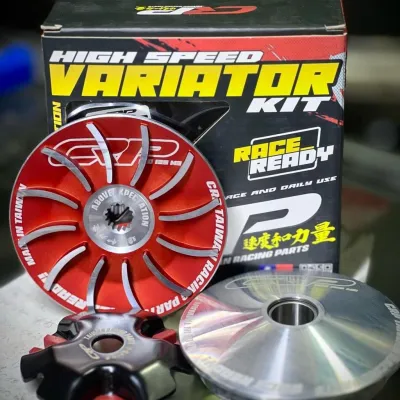
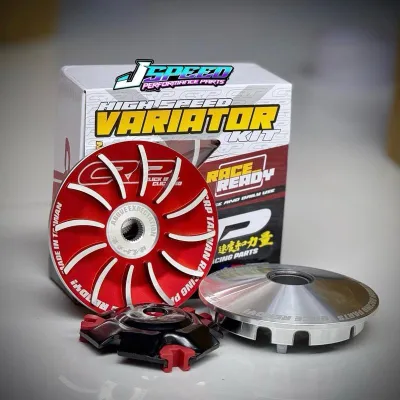
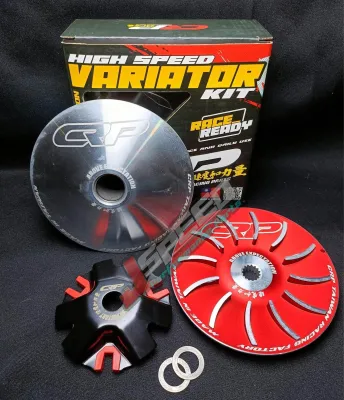
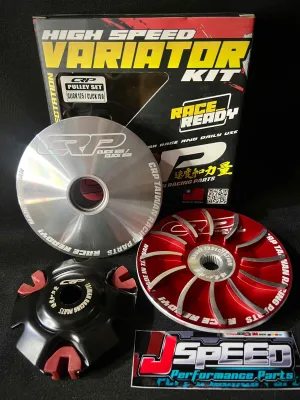
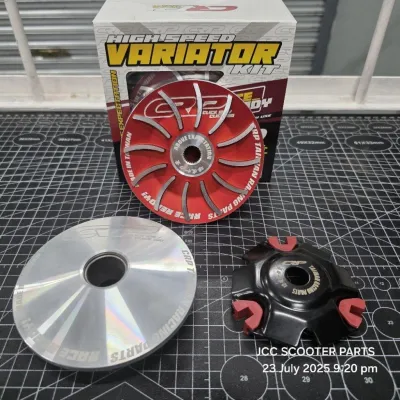
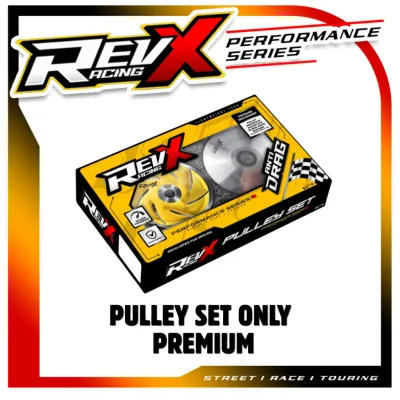
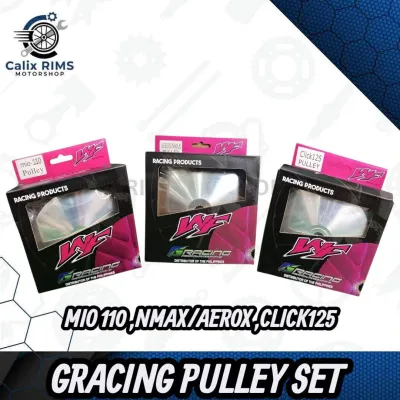
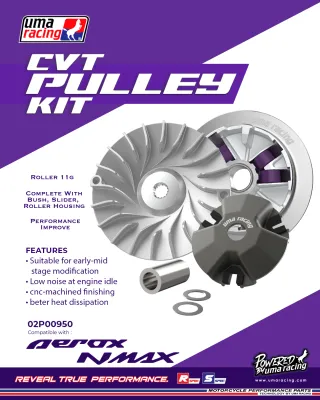
Prices are valid at publication and may change. Please refer to the product page for the latest price.
Material selection and surface finishes also differ between factory and aftermarket options. Stock OEM pulleys are typically made from standard cast aluminum alloys optimized for cost-effective mass production and reliable heat dissipation under normal commuting conditions. Aftermarket manufacturers often use modified aluminum alloys or apply specialized surface coatings to the pulley faces and roller tracks. These coatings aim to reduce friction and resist wear, though riders should always verify the manufacturer’s specific material claims on the product packaging before purchasing.
Another major design difference is the configuration of the roller weights. Stock setups come with a single, pre-determined weight optimized by factory engineers for a balance of fuel economy, quiet operation, and steady acceleration. Aftermarket pulley sets, such as those from CRP, frequently include multiple sets of lighter or heavier roller weights, or they allow you to customize the weight configuration. By changing the weight of the rollers, you can shift the engine’s engagement RPM closer to its peak power band, directly altering throttle response.
Before purchasing any aftermarket pulley set, you must verify its compatibility with your specific scooter model, manufacturing year, and engine displacement. CVT dimensions, shaft diameters, and splines vary widely across different scooter brands and models. Never assume a pulley set will fit based solely on a generic category description; always check the manufacturer’s compatibility chart to ensure a precise and safe interface.
Performance Expectations: Acceleration, Top Speed, and Belt Life
Many riders expect an aftermarket pulley set to instantly deliver faster acceleration and a higher top speed. However, a pulley upgrade rarely transforms performance in isolation. The front variator works in close coordination with the rear clutch assembly, the clutch springs, and the main center (contra) spring. If you install a high-performance pulley set but leave the rear CVT components completely stock, you may experience issues like belt slippage, erratic shifting, or engine bogging as the front and rear pulleys fight for tension.

To set realistic expectations, always check the manufacturer’s stated RPM target on the packaging or in the instruction manual. Some aftermarket kits are specifically engineered to favor low-end torque, which is highly beneficial for climbing steep flyovers or navigating stop-and-go traffic in congested urban areas. Other kits are designed to optimize mid-range acceleration or extend the high-speed cruising range for long-distance highway riding. Matching the pulley’s design intent with your daily riding route is essential for a satisfying upgrade.
Altered ramp angles also have a direct impact on drive belt life and operating temperatures. Because aftermarket pulleys change how the belt seats in the sheaves, they can increase friction and generate additional heat inside the CVT casing. This is a particularly important consideration in tropical climates with high ambient temperatures and humidity, where CVT heat buildup is already a common issue. After installing a new pulley set, it is vital to inspect the drive belt for premature cracking, glazing, or fraying after the first few hundred kilometers of use.
Additionally, you must consider the safety impact and road legality of altering your scooter’s transmission ratios. Changing how your CVT shifts can affect engine braking, which plays a crucial role in controlling your speed when riding down steep hills or coming to sudden stops. Ensure that any modifications do not compromise your ability to safely control the vehicle under emergency braking conditions, and verify that your modifications comply with local road safety regulations.
Installation, Tuning, and Maintenance Requirements
Upgrading your scooter’s CVT system requires a higher level of mechanical precision and specialized tools than standard maintenance. To safely remove and install a pulley set, you must use a dedicated variator holding tool or flyman wrench to secure the pulley face while loosening or tightening the center nut. Using makeshift tools like screwdrivers or chisels to jam the teeth can easily chip the pulley, damage the starter clutch, or bend the crankshaft. A calibrated torque wrench is also mandatory to tighten the variator nut to the exact specification defined in your scooter’s service manual.
Once the new pulley set is installed, a proper break-in period is necessary to ensure long-term reliability. For the first 100 to 200 kilometers, avoid aggressive full-throttle acceleration to allow the new roller weights, plastic slide pieces, and drive belt to seat properly against the new metal surfaces. After this initial break-in phase, it is highly recommended to open the CVT casing, inspect the components for any unusual wear patterns, and re-check the torque on the variator nut to ensure nothing has vibrated loose.
Because the transmission is a critical safety system, you must always prioritize original-vehicle instructions and safety boundaries. If you do not own the correct specialized tools, if you are uncomfortable working with high-torque fasteners, or if the component fitment seems unclear during installation, stop immediately. Consulting a qualified motorcycle mechanic or an authorized dealer is the safest way to ensure your new transmission components are installed correctly and will not fail while riding.
Cost and Value: Evaluating the Upgrade Investment
When deciding between a stock replacement and an aftermarket upgrade, evaluating the total cost structure in ₱ is essential. A standard OEM replacement pulley is generally affordable and straightforward to install, requiring no additional tuning. An aftermarket kit, such as a CRP pulley set, carries a higher upfront purchase price. If you do not perform the installation yourself, you must also factor in the professional labor fees charged by a specialized motorcycle shop to install and tune the system.
Beyond the initial purchase and labor, there are often hidden costs associated with CVT tuning. Achieving the optimal balance of acceleration and top speed rarely happens on the first attempt. You may find that the roller weights included in the kit are too light or too heavy for your body weight and riding style, requiring you to purchase additional sets of rollers in different gram configurations. You might also need to invest in a stiffer contra spring or a premium drive belt to prevent belt slip, further increasing the total cost of the project.
Before spending money on an upgrade, use a simple checklist to verify if your current stock pulley is actually inadequate or if it is simply worn out. Open your CVT casing and inspect the pulley faces for deep grooves, pitting, or uneven wear ridges caused by the belt. Check if the plastic slide pieces on the ramp plate are loose, cracked, or missing, and examine the roller weights for flat spots. Often, replacing these worn consumable parts with fresh, inexpensive OEM components will restore your scooter’s original performance and responsiveness without the need for an expensive aftermarket kit.
How to Decide: Choose Stock or Choose CRP?
To make the right choice for your scooter, you must weigh your daily riding habits against your willingness to maintain a modified transmission. Choose a stock OEM pulley if your primary concerns are maintaining your scooter’s factory warranty, maximizing fuel efficiency, and enjoying a quiet, smooth, and predictable ride. Stock components are engineered to deliver reliable performance over thousands of kilometers with minimal mechanical intervention, making them the ideal choice for daily commuters who want a hassle-free vehicle.
On the other hand, choose a CRP or aftermarket pulley set if you are looking to customize your scooter’s power delivery for specific riding conditions. This includes scenarios where you consistently carry heavy pillion loads, navigate steep mountain roads, or have already installed other engine modifications that require a higher RPM engagement to perform effectively. Keep in mind that choosing this path means you must be willing to inspect, clean, and service your CVT system more frequently to prevent premature wear of the belt and rollers.
Before making any purchase, always verify the condition of your existing CVT components first. If your drive belt is stretched, your rollers have flat spots, or your clutch lining is worn thin, replacing these parts with standard OEM-spec items might completely resolve your performance complaints. Taking the time to diagnose the root cause of your scooter’s sluggishness can save you from spending money on an aftermarket upgrade when a simple maintenance service is all that is actually required.
Frequently Asked Questions (FAQ)
Do I need to change the drive belt when installing a CRP pulley set?
While it is not strictly mandatory to change your drive belt if your current one is nearly new, installing a fresh belt alongside a new pulley set is highly recommended. A worn or stretched drive belt will have a reduced width, which prevents it from riding to the correct height on the newly designed pulley faces. This mismatch can prevent you from experiencing the intended performance adjustments of the aftermarket kit and can lead to uneven belt wear or slippage.
Will an aftermarket pulley set void my scooter's warranty?
Yes, modifying core drivetrain components like the variator or pulley set will typically void the manufacturer’s warranty for the transmission system and any related engine parts. Because aftermarket pulleys alter the operating RPM and stress levels on the engine, factory warranties generally do not cover failures associated with these modifications. Always consult your local authorized dealer and carefully review your scooter’s warranty booklet before installing any aftermarket transmission components.
Community discussion
Share your experience or ask a question. Comments are reviewed before publication.