
Choosing between motorcycle commuting boots and long-distance touring boots depends on where you spend most of your time on the road. Commuters navigating congested city streets require flexible, breathable footwear that allows for constant shifting and comfortable walking once off the bike. In contrast, long-distance riders heading out on provincial highways need rigid ankle support, robust impact protection, and heavy-duty weatherproofing to withstand hours of high-speed travel and unpredictable tropical downpours.
Defining Your Primary Riding Scenario
Navigating daily city traffic involves constant physical interaction with your motorcycle’s controls. You are repeatedly shifting gears, pressing the rear brake pedal, and planting your feet on asphalt at every congested intersection. This stop-and-go pattern places a high demand on flexibility, ventilation, and off-bike comfort, especially when walking from a parking structure to your final destination.
Long-distance touring presents a completely different set of physical demands. Instead of frequent stops, you maintain steady highway speeds for hours, exposing your feet to continuous wind pressure, engine heat, and sudden weather changes. Your feet remain relatively static on the footpegs, requiring structured support to prevent arch fatigue rather than maximum walking flexibility.
Products mentioned in this guide
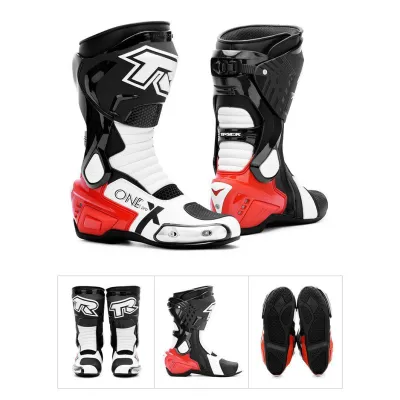
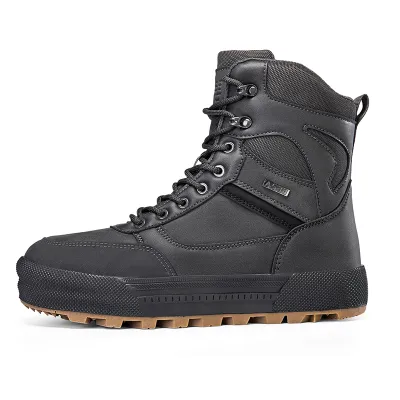
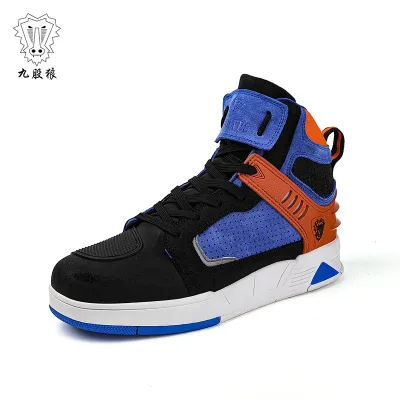
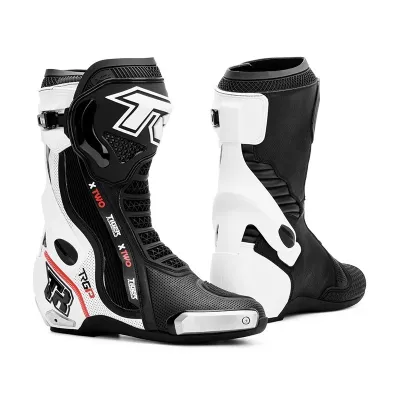
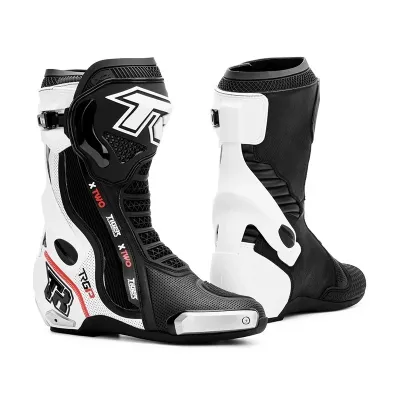
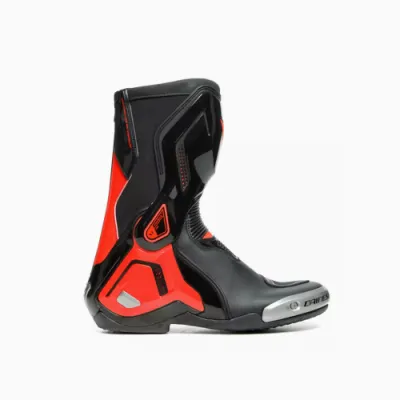
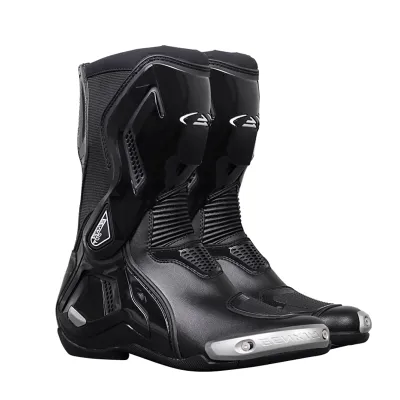
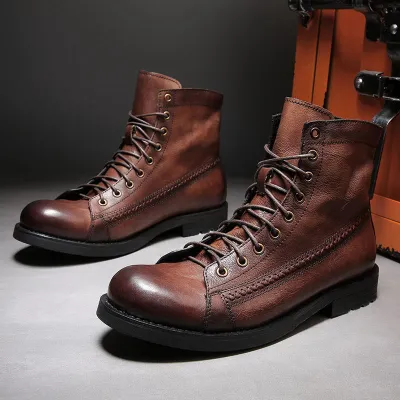
Prices are valid at publication and may change. Please refer to the product page for the latest price.
To determine which boot style suits you best, calculate your weekly mileage split. If eighty percent of your riding consists of short, daily trips through urban centers, prioritizing a lightweight, highly walkable boot is the most practical choice. However, if your weekends are dedicated to long-distance provincial loops where highway speeds and unpredictable weather dominate, investing in dedicated touring protection is essential.
Consider your destination activities as well. If your daily routine requires walking significant distances or standing for extended periods after parking, a bulky touring boot will quickly become uncomfortable. Conversely, if your long-distance rides end at a campsite or a hotel where you can immediately change into casual shoes, off-bike walking comfort becomes a secondary concern.
What to Look for in Daily Commuting Boots
Commuting boots must balance basic on-bike safety with everyday practicality. Look for lightweight materials like reinforced canvas, perforated leather, or high-tensile synthetic textiles that allow air to circulate during hot midday rides. These materials offer the necessary flexibility to operate the gear shifter and rear brake smoothly without requiring a lengthy break-in period.

The sole of a commuting boot should feature a flat, slip-resistant rubber profile. This design provides reliable traction when stepping onto oil-slicked city roads at intersections or walking across smooth, polished office floors. A sole with moderate flex allows your foot to roll naturally as you walk, preventing the stiff, awkward gait associated with heavy track or touring gear.
Convenience is another critical factor for daily riders. Look for quick-entry systems such as side zippers, secure hook-and-loop straps, or quick-lace systems that allow you to slip the boots on and off within seconds. These features save time during your morning routine and make transitioning to your workplace footwear hassle-free.
While commuting boots resemble casual sneakers or high-top shoes, they must still include dedicated motorcycle safety features. Verify that the boots feature reinforced toe boxes, stiffened heel cups, and ankle inserts. These components shield vulnerable impact zones from road debris and minor low-speed drops without adding excessive bulk that interferes with your daily activities.
What to Look for in Long-Distance Touring Boots
Touring boots prioritize maximum protection and structural support over walking comfort. These boots typically feature a tall design that extends up the shin, incorporating rigid thermoplastic polyurethane (TPU) protectors along the shinbone, ankle joints, and heel. This rigid construction minimizes lateral ankle twisting during a fall and shields your lower legs from flying stones or highway debris.
Weatherproofing is indispensable when traveling across different regions and elevations. Look for boots equipped with breathable, waterproof membranes that keep your feet dry during heavy tropical downpours while allowing sweat vapor to escape. For rides climbing into cooler high-altitude areas, a boot with solid windproofing helps maintain comfortable foot temperatures over hours of exposure.
The soles of touring boots are engineered for maximum grip on motorcycle footpegs rather than walking paths. They feature stiff internal shanks that support your arches, reducing foot fatigue when standing on the pegs over rough terrain. Deep tread patterns or specialized rubber compounds ensure your feet remain securely planted on the pegs, even when covered in rainwater or road grime.
To ensure a secure and comfortable fit, look for boots with adjustable calf closures. Multi-point adjustment systems, such as heavy-duty buckles, adjustable hook-and-loop panels, or ratcheting straps, allow you to customize the fit around your calves. This adjustability accommodates different thicknesses of riding pants, whether you tuck them inside the boot or wear them over the top.
Can One Pair of Motorcycle Boots Do Both?
Many riders search for a single pair of boots that can handle both the daily grind and weekend tours. Crossover boots attempt to bridge this gap by combining a mid-height cut with moderate ankle reinforcement and flexible soles. While these hybrid options offer a versatile middle ground, they inevitably involve trade-offs, providing less walking comfort than a dedicated urban shoe and less impact protection than a full-height touring boot.
Mid-height adventure or sport-touring boots serve as a common compromise. They offer better ankle stabilization and shin coverage than short commuting shoes, making them safer for occasional highway use. However, their stiffer construction can still feel restrictive during long walks, and they may run warmer in slow-moving city traffic due to the extra coverage.
When deciding on a single pair, prioritize the scenario where you face the highest risk or spend the most hours. If your commute is short but your weekend tours cover hundreds of kilometers of high-speed provincial roads, choose the superior protection of a touring boot. It is safer to endure a slightly stiff walk at your destination than to ride on the highway with insufficient ankle and shin protection.
If your budget allows, maintaining two distinct pairs of boots is often the most practical long-term solution. Using lightweight, breathable riding shoes for your daily commute keeps you comfortable and alert in city heat, while reserving heavy-duty touring boots for long trips extends the lifespan of both pairs. This approach ensures you never have to compromise on safety or comfort.
Verifying Fit, Safety Labels, and Manufacturer Specs
Before purchasing any motorcycle boots, verify their safety credentials by examining the manufacturer’s product specifications and internal tags. Look for official safety standards, such as the European CE certification label (specifically EN 13634), which rates boots for abrasion resistance, impact cut resistance, and transverse rigidity. These standardized ratings provide objective proof of the boot’s protective capabilities, helping you look past marketing claims.
When trying on new boots, always wear the specific socks and riding pants you plan to use on the road. Ensure there is adequate room in the toe box so your toes do not press against the front, especially under hard braking. Walk around to check for excessive heel slip; a boot that slips too much can cause painful blisters and may come off during an accident. Sit on a chair or a stationary motorcycle to confirm that the boots do not pinch your ankles or restrict blood flow around your calves when your knees are bent.
Proper maintenance is essential to preserve the protective qualities and weatherproofing of your boots. Check the manufacturer’s care instructions for specific material limitations, as cleaning methods vary significantly between full-grain leather, synthetic suede, and textile membranes. Avoid using harsh household detergents or unapproved oils that can degrade waterproof coatings or weaken structural stitching. Regularly clean off road grime and apply recommended conditioning treatments to keep the materials supple and resilient against the elements.
Frequently Asked Questions (FAQ)
How should motorcycle boots fit around the ankle and calf?
Motorcycle boots should fit snugly around the ankle and calf to prevent your foot from sliding inside the boot while operating the gear shifter and rear brake. A secure fit ensures that the integrated ankle protectors remain properly aligned over your joint bones during an impact. However, the fit must not be so tight that it pinches your skin, restricts joint movement, or cuts off blood circulation during long hours in the saddle. When wearing your riding pants, ensure the calf closures adjust smoothly without creating pressure points that could cause discomfort or leg fatigue.
Should I choose waterproof or ventilated motorcycle boots for wet and hot weather?
Your choice between waterproof and ventilated boots should depend on your local climate patterns and daily riding schedule. Ventilated boots with mesh panels or perforated leather are ideal for hot, humid city commuting, as they maximize airflow to keep your feet cool and dry from sweat. However, they offer no protection against heavy rain, allowing water to saturate your feet instantly. Waterproof boots keep rain out during sudden downpours but tend to trap heat and moisture in slow-moving traffic. For year-round versatility, many riders choose ventilated boots for daily dry-season commutes and keep waterproof boots or external boot covers ready for the wet season.
Community discussion
Share your experience or ask a question. Comments are reviewed before publication.