
Selecting the right motorcycle footwear is a critical decision that directly impacts your safety, comfort, and control on the road. For riders evaluating Dainese boots, the choice between commuter and touring models depends entirely on your daily riding habits, environmental conditions, and what you do once you step off the motorcycle. Commuter boots are designed to blend seamlessly into daily life, offering a balance of basic protective reinforcement and walking flexibility that suits short city trips and office environments. On the other hand, touring boots prioritize maximum lower-leg coverage, rigid impact protection, and advanced weatherproofing to keep you comfortable during multi-hour journeys. Understanding these design philosophies allows you to select a model that matches your specific riding profile without compromising on safety or comfort.
Core Differences Between Dainese Commuter and Touring Boots
The fundamental distinction between Dainese commuter and touring boots lies in their primary design objectives. Commuter boots, often styled as high-top sneakers or low-profile ankle boots, are engineered for the stop-and-go nature of urban riding. They feature flexible soles that allow for natural foot movement, making them comfortable for walking around an office, campus, or commercial space. While they incorporate essential protective elements like reinforced ankle cups and stiffened heel counters, they sacrifice some structural rigidity to ensure you do not feel fatigued when walking. This design makes them highly compatible with casual wear, allowing you to transition from the bike to your destination without needing a change of footwear.
In contrast, touring boots are built for the open road, where riders face sustained high speeds and unpredictable weather. These boots typically feature a much taller shaft that extends up the shin, providing comprehensive coverage against impact, road debris, and abrasion. The soles of touring boots are significantly stiffer than those of commuter boots, designed to distribute pressure evenly across the motorcycle footpegs and reduce foot fatigue during long hours in the saddle. This rigidity, while excellent for riding ergonomics and safety, makes touring boots less suitable for extended walking. Additionally, touring models place a heavy emphasis on weather sealing, utilizing advanced construction techniques to prevent water ingress while maintaining a secure, protective envelope around the foot and lower leg.
Products mentioned in this guide
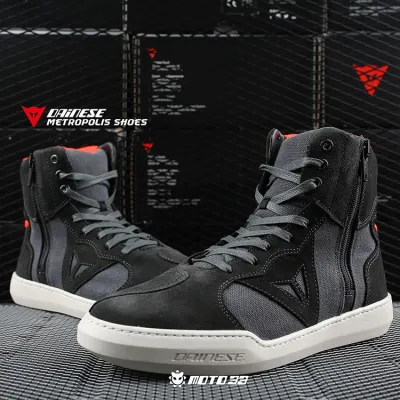
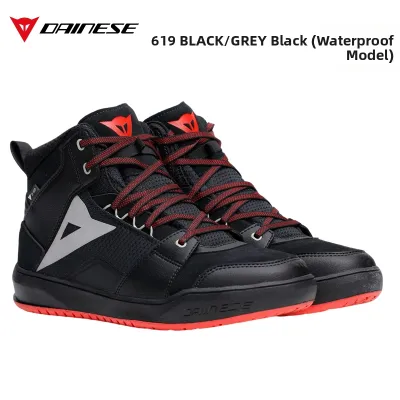
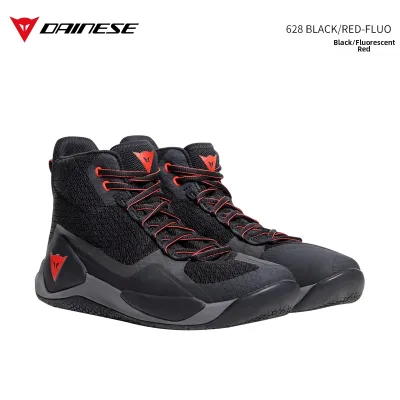
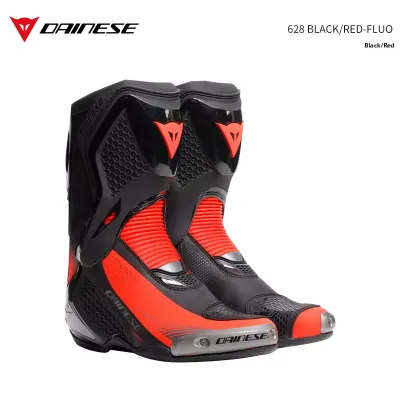
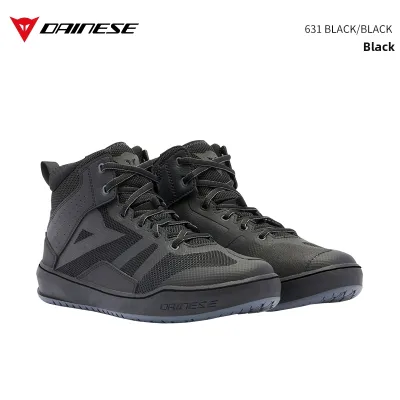
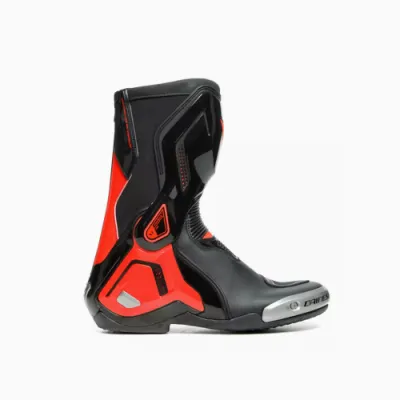
Prices are valid at publication and may change. Please refer to the product page for the latest price.
Evaluating Your Riding Habits and Environment
To determine which boot category aligns with your needs, you must carefully analyze your typical riding scenarios. Start by calculating your daily riding distance and the average speed of your routes. If your commute consists of short, low-speed trips through congested city streets, a lightweight commuter boot provides the agility and ventilation needed to navigate tight traffic. However, if your daily route involves high-speed highway stretches or long-distance weekend trips, the increased impact protection and wind resistance of a touring boot become essential.

Environmental conditions also play a decisive role in your selection, especially in tropical climates like the Philippines. During the wet season, sudden downpours can quickly saturate non-waterproof footwear, leading to discomfort and reduced control. If you ride year-round in these conditions, verifying the presence of a reliable waterproof membrane is crucial. Conversely, during hot and humid months, a heavily insulated touring boot can trap heat, making breathable mesh or perforated commuter boots a more practical choice for low-speed urban riding where airflow is limited.
Finally, consider what happens after you park your motorcycle. If your daily routine requires you to walk significant distances, climb stairs, or stand for long periods, the stiff construction of a full-length touring boot may cause discomfort. If you cannot easily change your shoes at your destination, a commuter boot that blends with casual or office attire offers a practical compromise. However, if your destination is simply another stop on a long-distance tour, riding-specific ergonomics should always take precedence over walking flexibility.
Key Specifications to Verify on the Product Label
When shopping for Dainese boots, you should not rely solely on the visual style of the footwear. It is essential to inspect the product labels and technical specifications to verify the level of protection and weatherproofing provided. The most reliable indicator of a boot’s protective capability is its CE certification label. Look for the CE marking (specifically standard EN 13634 for protective footwear for motorcycle riders) on the inner tag. This label provides ratings for height, abrasion resistance, impact cut resistance, and transverse rigidity, allowing you to objectively compare the structural strength of different models.
You must also verify the specific weatherproofing technologies integrated into the boot. For wet-weather riding, look for proprietary membranes such as D-Dry, which are designed to block external water while allowing moisture vapor to escape. If maximum breathability is your priority for hot climates, check the specifications for perforated leather panels or high-tensile fabric mesh inserts. Additionally, examine the construction of the shift pad, heel cup, and sole. A high-quality shift pad prevents premature wear from the gear lever, while a reinforced heel cup protects against crushing forces. The sole compound should offer high grip on both wet pavement and metal footpegs to prevent slipping when stopping or shifting.
| Design Feature | Commuter Boots (Typical Focus) | Touring Boots (Typical Focus) |
|---|---|---|
| Ankle Height | Low to mid-top (ankle coverage) | High-top (extends up the shin) |
| Sole Flexibility | Moderate to high (optimized for walking) | Low to moderate (optimized for peg support) |
| Weather Sealing | Variable (often breathable or light water resistance) | High (frequently features full waterproof membranes) |
| Shift Pad Coverage | Minimal or integrated into casual design | Robust, reinforced overlay for high-frequency shifting |
| Primary Material | Canvas, suede, or lightweight leather | Heavy-duty leather, microfiber, or high-tenacity fabric |
Note: Exact specifications, materials, and safety ratings vary by model and must be verified on the specific product label before purchase.
Decision Framework: Which Category Matches Your Profile?
To finalize your choice, evaluate how your riding habits align with the following profiles:
- Choose Commuter Boots if: Your daily rides are typically under an hour, you spend a significant portion of your day walking or standing off the motorcycle, and you require footwear that blends seamlessly with casual or professional clothing. This option is ideal for urban professionals, students, and casual weekend riders who prioritize convenience and lightweight comfort.
- Choose Touring Boots if: You regularly embark on multi-hour journeys, ride in diverse and unpredictable weather conditions, and prioritize maximum shin, ankle, and foot protection. This option is best suited for long-distance tourers, adventure riders, and highway commuters who require uncompromising structural support and weatherproofing.
- Verify first if: Your riding habits are evenly split between daily city commuting and long-distance weekend touring. In this scenario, you should check if a mid-height sport-touring boot can bridge the gap. These hybrid models often combine the robust protection and weatherproofing of a touring boot with a slightly lower collar and more flexible sole, offering a balanced compromise for multi-purpose riders.
Sizing, Fit, and Pre-Purchase Checks
Before finalizing your purchase of Dainese boots, you must perform several physical checks to ensure a proper fit and safe operation on your motorcycle. Always try on the boots wearing the specific socks you plan to use while riding, as thick motorcycle socks can significantly affect sizing. Pay close attention to the calf circumference and the adjustment range of the closure systems, whether they utilize zippers, velcro, or speed laces. The boots must fit securely without restricting circulation, and they should accommodate your riding pants comfortably, whether you wear them tucked inside or over the boot shaft.
Next, verify that the boot’s profile is compatible with your motorcycle’s controls. The sole must provide a secure grip on your footpegs, and the toe box must fit easily under your gear shifter without requiring awkward ankle angles. If you experience any painful pressure points, pinching, or restricted ankle movement while simulating riding positions, stop and consult the manufacturer or an authorized dealer. Properly fitting footwear should support your feet and ankles without hindering your ability to operate the rear brake and gear selector safely.
Frequently Asked Questions (FAQ)
How should I break in new Dainese riding boots?
To break in new riding boots safely, wear them indoors for short periods around your home. This allows the leather and synthetic materials to gradually conform to the unique shape of your feet without exposing them to road dirt or moisture. Avoid using unauthorized heat sources, such as hair dryers, or harsh chemical leather softeners, as these can permanently damage internal protective inserts, degrade adhesive bonds, or compromise the integrity of waterproof membranes. Always refer to the specific care and maintenance instructions provided in the manufacturer’s manual to ensure you do not void the warranty or reduce the boot’s protective capabilities.
Can I use touring boots for daily city commuting?
Yes, you can use touring boots for daily commuting, but you should be prepared for certain trade-offs. While touring boots offer superior impact and weather protection, their stiff soles and tall shafts can cause foot and leg fatigue during frequent walking or standing in heavy city traffic. In hot and humid tropical climates, a non-ventilated touring boot can also lead to excessive heat buildup at low speeds. If you plan to use touring boots for your daily commute, look for models that feature perforated panels or breathable linings, and consider keeping a spare pair of casual shoes at your destination to change into after your ride.

Community discussion
Share your experience or ask a question. Comments are reviewed before publication.