
Finding the right spot for your cellphone holder for cars is more than a matter of convenience; it directly impacts your safety and focus on the road. There is no single universal winner among dashboard, windshield, and air vent mounts. The ideal position depends on your vehicle’s interior layout, your personal line of sight, and local traffic regulations. Each mounting style offers distinct trade-offs in terms of stability, accessibility, and visibility. By evaluating how these positions perform under daily driving conditions, you can choose a setup that keeps your GPS navigation clear and your hands safely on the wheel.
Selecting the wrong position can lead to distracted driving, blocked views, or even damage to your vehicle’s interior. In tropical climates like the Philippines, factors such as intense cabin heat and high humidity also play a major role in how well a mount performs over time. Understanding the mechanical differences and physical demands of each mounting style is the first step toward making an informed decision.
Understanding the Core Mounting Positions
Dashboard mounts typically rely on suction cups with sticky gel pads, semi-permanent adhesive bases, or heavy, friction-based weighted bases. They sit on top of the instrument panel or the central console, positioning your phone near your natural line of sight without attaching directly to the glass.
Products mentioned in this guide
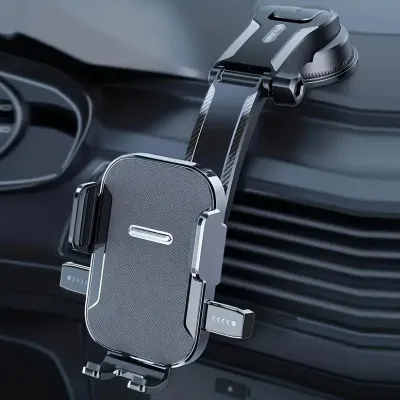
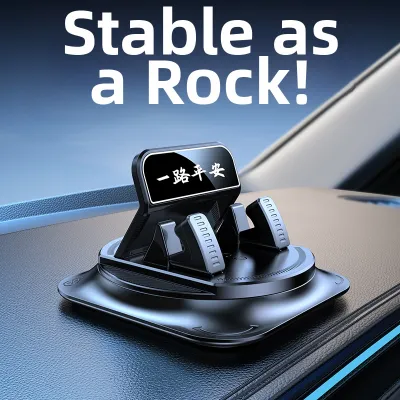
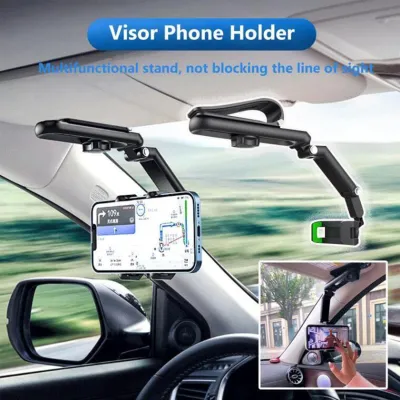

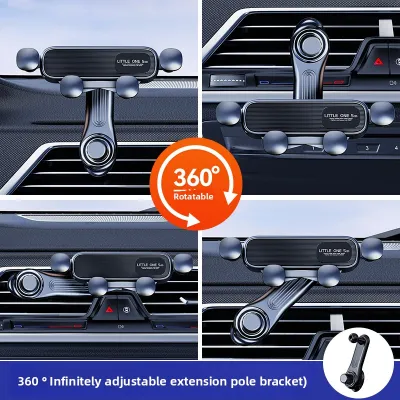
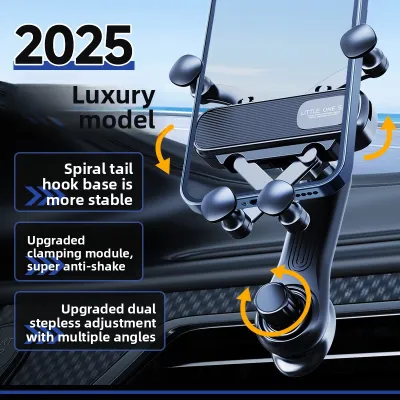
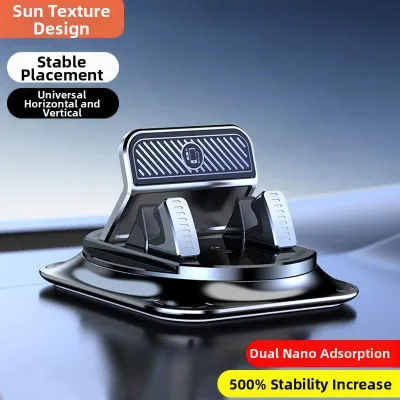
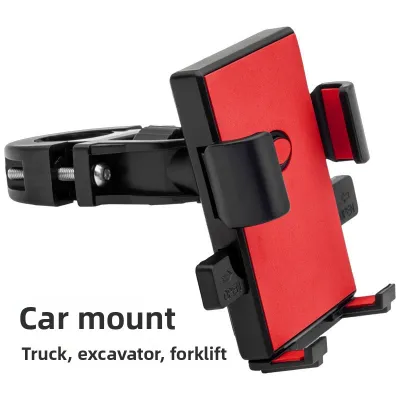
Prices are valid at publication and may change. Please refer to the product page for the latest price.
Windshield mounts use powerful suction cups designed to adhere directly to the interior glass surface. These mounts often feature adjustable, articulating arms or flexible goosenecks that allow you to bring the phone closer to your face or angle it precisely to avoid glare.
Air vent mounts utilize specialized clips, clamps, or gravity-fed hooks that grip the horizontal or vertical slats of your vehicle’s air conditioning vents. This style keeps the dashboard and windshield completely clear, offering a highly compact and easily transferable solution.
Visibility and Line of Sight for GPS Navigation
When navigating busy city streets, keeping your eyes near the road is paramount. Windshield mounting places your phone high up, allowing you to check GPS directions with minimal eye movement. However, this high placement can create a physical blind spot, especially in vehicles with smaller windshields or thick A-pillars, potentially obscuring pedestrians or oncoming traffic.

Dashboard mounting strikes a middle ground by keeping the phone relatively high but below the primary glass area. This keeps your forward field of view unobstructed while keeping the map within your peripheral vision. The success of this position depends on your dashboard’s height; a very high dash might still block some forward visibility, while a low one requires looking slightly further down.
Air vent mounts position your phone much lower in the cabin, typically level with the steering wheel. While this completely clears your view of the road, it forces you to look down and away from the windshield to read map details. This downward glance increases the time your eyes are off the road, which can be a safety concern during high-speed driving or in dense traffic.
Accessibility and Daily Usability
A great cellphone holder for cars must be easy to interact with when stationary and simple to operate. Windshield mounts, due to the forward slope of the glass, can sometimes position the phone too far forward, requiring you to stretch or lean out of your seat to reach the screen. This distance can make adjusting a route highly inconvenient.
Dashboard mounts generally offer better reachability, especially if they feature extending telescopic arms that bring the phone closer to the driver. This proximity allows for easy one-handed insertion and removal, which is highly convenient for quick stops. However, you must ensure the mount’s arm or the phone itself does not block your view of the instrument cluster, digital speedometer, or central infotainment screen.
Air vent mounts excel in terms of physical reach, as they are usually positioned right next to the steering wheel within arm’s length. Inserting and removing your phone is typically a simple one-handed motion, especially with modern magnetic or gravity-clamp designs. The primary drawback is that a mounted phone can block access to essential physical controls, such as hazard light buttons, climate control dials, or the air conditioning vents themselves, which can be frustrating during hot days when you need maximum airflow.
Stability, Vibration, and Device Safety
Road vibrations can turn a clear GPS map into an unreadable blur and put unnecessary stress on your phone’s internal components. Windshield mounts with long, flexible goosenecks or extended plastic arms are highly susceptible to screen wobble, especially when driving over potholes, speed bumps, or uneven asphalt. This constant shaking can make reading street names difficult and may eventually weaken the suction cup’s hold on the glass.
Air vent mounts depend heavily on the stiffness of your car’s vent louvers. Heavy smartphones can cause the slats to sag downward, pointing the screen toward the floor. Furthermore, in tropical climates where the air conditioning runs constantly, placing your phone directly in front of a cold air vent can cause the device to become extremely cold. When you step out of the car into warm, humid air, this rapid temperature change can cause moisture condensation inside the phone, potentially damaging sensitive electronics.
Dashboard mounts generally provide the most stable platform because they rest on a solid, structural part of the vehicle. However, they face a major challenge from intense tropical sunlight and cabin heat. When parked under the sun, dashboard temperatures can soar, causing the adhesive pads or suction gel of dashboard mounts to melt, lose their grip, or leave a sticky residue on your vinyl or leather dash.
Legal Restrictions and Safety Compliance
Before choosing a mounting location, you must consider local traffic laws, such as the Anti-Distracted Driving Act (ADDA) in the Philippines. This law strictly regulates where electronic devices can be placed within the driver’s line of sight. Generally, any mount attached to the windshield or dashboard must not obstruct your direct view of the road ahead. Devices should ideally be positioned within a “safe zone” that does not interfere with your primary field of vision, typically defined as no higher than four inches from the top of the dashboard.
Airbag deployment zones present another critical safety boundary. You must never install a phone mount on or near any panel marked with “SRS Airbag.” If an airbag deploys during a collision, a phone mount positioned in its path can be launched into the cabin at high speed, turning a safety feature into a dangerous projectile.
Additionally, your mount must not block your view of the vehicle’s instrument cluster, warning lights, or side mirrors. A mount that forces you to crane your neck to see your speed or fuel gauge compromises your situational awareness. Always test the placement from your actual driving position to ensure all critical vehicle displays remain fully visible.
Decision Framework: Which Position Should You Choose?
To determine the best setup for your daily drive, evaluate your vehicle’s layout and your driving habits against these guidelines:
Choose a windshield mount if you prefer eye-level navigation, have a deep dashboard that makes reaching the glass easy, and drive a vehicle with a large windshield where a small suction cup will not significantly block your view of the road. Ensure your local regulations permit glass-mounted devices.
Choose a dashboard mount if you want to keep your windshield completely clear of obstructions, have a flat, non-textured surface on your dash that can support a suction gel pad or adhesive, and want to bring the phone closer to your natural reach using an adjustable arm.
Choose an air vent mount if you drive a compact car with limited dashboard space, prefer a minimal and easily removable setup, and your vehicle features sturdy, traditional horizontal or vertical vent louvers. Avoid this option if your car has circular, fragile, or highly angled vents.
Before making a final decision, always verify your vehicle’s specific model year, dashboard dimensions, and mounting compatibility using the product and vehicle documentation rather than relying solely on generic category terms. Check if your dashboard has a textured or curved surface that might prevent adhesives from bonding, and inspect your air vents to ensure they can support the weight of your specific phone model without sagging or breaking.
Installation and Maintenance Best Practices
Proper installation prevents your phone mount from falling off while driving. For suction cup and adhesive mounts, start by thoroughly cleaning the mounting surface. Use isopropyl alcohol and a microfiber cloth to remove dust, oils, and dashboard protectants, which can compromise the bond. When using isopropyl alcohol to clean your dashboard, first verify that it is safe for your vehicle’s specific interior materials by checking your owner’s manual, as some plastics, leathers, or coatings can degrade when exposed to alcohol. Allow the surface to dry completely before applying the adhesive or suction cup.
If you are installing an air vent mount, gently test the clip mechanism on your louvers before applying full pressure. Avoid forcing a tight clip onto thick or fragile plastic slats, as this can crack the vent assembly. Position the clip as close to the base of the vent as possible to minimize leverage and reduce sag.
Regular maintenance is essential, especially in hot, humid climates. Periodically inspect adhesive pads for signs of peeling or melting, and wash suction cups with warm water and mild soap to restore their stickiness. If you notice the mount vibrating more than usual, tighten any adjustable knobs or collars to ensure your phone remains secure on every journey.
Frequently Asked Questions (FAQ)
Can a windshield mount leave a permanent mark on the glass?
Suction cups do not damage glass, but they can leave circular residue rings of silicone oils or dust. Over time, intense UV exposure can bake these residues onto the glass, making them difficult to clean. If your vehicle has aftermarket window tint film on the windshield, the constant pulling force of a heavy suction cup, combined with cabin heat, can cause the tint film to bubble or peel away permanently.
Will an air vent mount damage my car's AC louvers?
Yes, there is a risk of damage if the mount is not installed carefully. The plastic louvers in car air vents are designed to direct airflow, not to support heavy smartphones over road bumps. Heavy devices can strain the plastic joints, causing them to snap. To minimize this risk, look for vent mounts that feature an additional support leg resting against the solid dashboard trim to distribute the weight.
Is it safe to mount a phone directly above the steering wheel?
Mounting a phone directly above or on the steering wheel is highly unsafe. This position blocks your view of the instrument cluster, hiding critical information like your speed and warning lights. More importantly, the steering wheel houses the driver’s airbag. Placing a mount over the steering wheel horn pad means that in an accident, the deploying airbag will propel the device directly toward you with extreme force.

Community discussion
Share your experience or ask a question. Comments are reviewed before publication.