
Quick Answer: Which Phone Mount Position Is Best for Navigation?
Choosing the ideal position for your cellphone holder for cars is not a matter of finding a single, universally perfect product. Instead, the best mounting location depends heavily on your vehicle’s interior layout, your personal driving habits, and local road safety regulations.
Every mounting position involves a distinct set of trade-offs. Windshield mounts offer excellent eye-level visibility for navigation but carry a high risk of obstructing your view and can fail under intense heat. Dashboard mounts provide outstanding structural stability and keep your windshield clear, but they require you to look slightly downward and can damage delicate interior surfaces. Air vent mounts keep your sightlines completely open and are easy to install, but they block climate control airflow and can strain fragile plastic vent louvers.
To make an informed decision, you must weigh these characteristics against your daily driving environment. The following sections break down these trade-offs in detail to help you select the safest, most practical setup for your vehicle.
Products mentioned in this guide
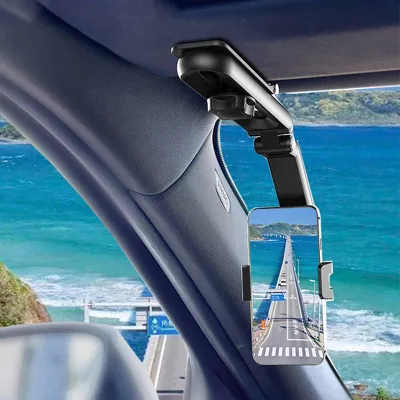
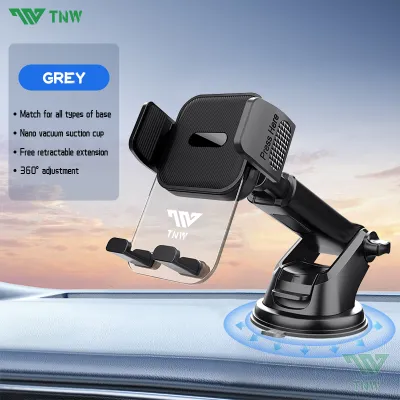
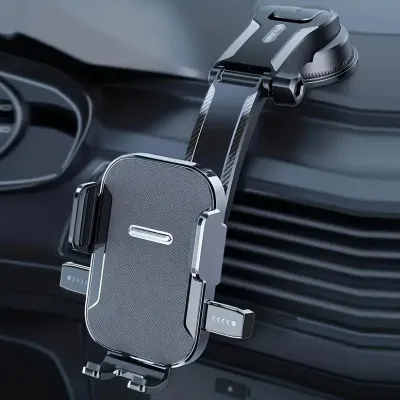
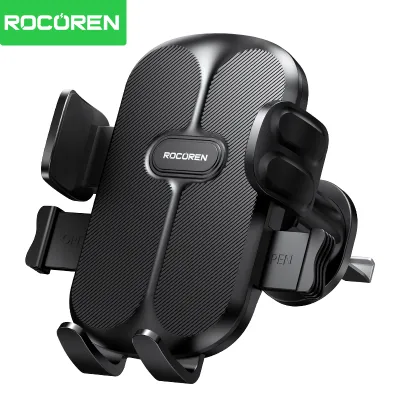
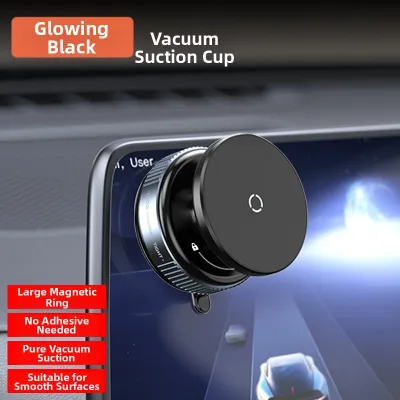
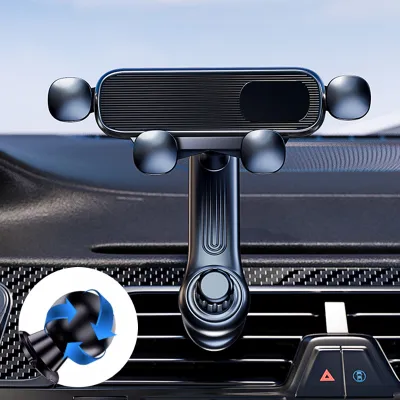
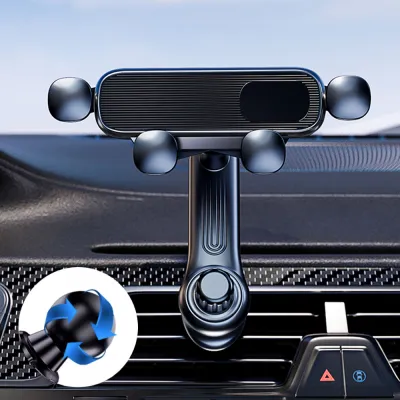
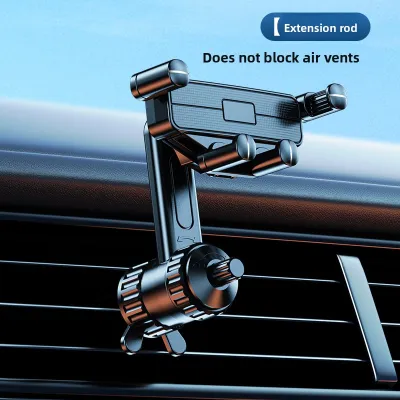
Prices are valid at publication and may change. Please refer to the product page for the latest price.
Key Factors for Evaluating Car Phone Mount Positions
When comparing different mounting positions, evaluating them against standardized criteria ensures your choice meets real-world driving demands. A mount that looks convenient in a store may perform poorly when subjected to daily commuting challenges.

Navigation Visibility
To navigate safely, you must be able to read your GPS map with a brief, effortless glance. Eye-level placement is highly desirable because it minimizes the time your eyes are off the road ahead. However, you must also consider screen glare. In tropical environments with intense, direct sunlight, a phone mounted high on the windshield or dashboard can suffer from severe glare, rendering the screen unreadable unless it can be angled away from the sun.
Stability and Vibration
A vibrating or shaking screen is incredibly difficult to read and causes rapid eye strain. Long, flexible mounting arms tend to act as levers, amplifying every bump and engine vibration. This is a critical consideration when driving on uneven provincial roads or potholed city streets. Rigid, short-arm mounts or direct-clip designs offer vastly superior stability, ensuring your map remains sharp and readable.
Driving Safety
Safety is the absolute priority when installing any aftermarket accessory. The mount and phone must never block your primary view of the road, pedestrians, or intersections. Furthermore, the installation must not interfere with your physical control of the vehicle or block critical safety equipment, such as steering wheel controls, gear shifters, and airbag deployment zones.
Installation and Vehicle Compatibility
Vehicle interiors vary wildly, meaning a mount that works perfectly in an SUV might be completely incompatible with a compact sedan. Deeply curved, heavily textured, or leather-wrapped dashboards reject adhesive pads and suction cups. Similarly, unique circular or vertical air vent designs often fail to support standard vent clips. You must carefully analyze your vehicle’s physical layout before purchasing a cellphone holder for cars.
Dashboard Mounts: Stability and Semi-Permanent Placement
Dashboard mounts are a popular choice for drivers who want a secure, long-term solution that keeps the windshield entirely clear of obstructions.
Visibility
Dashboard mounts place your phone just below your primary windshield line of sight. This positioning strikes an excellent balance, keeping your navigation map close to your natural field of view without physically blocking the glass. Because the phone sits slightly lower in the cabin, it benefits from the shade of the vehicle’s roofline, which significantly reduces sun glare and helps keep the screen legible in bright midday conditions.
Stability
When installed on a compatible surface, dashboard mounts offer exceptional stability. These mounts typically utilize a heavy-duty suction cup lined with a sticky polyurethane gel, or a semi-permanent adhesive pad. Because the base is anchored directly to a solid, structural part of the vehicle, it experiences minimal arm vibration. This structural rigidity keeps your phone steady even when navigating rough, unpaved roads or driving over speed bumps.
Safety Risks
The primary safety risk associated with dashboard mounts is improper placement. If the mount is positioned too high, it can still block your view of the car’s hood or create a blind spot on the front passenger side. Additionally, you must ensure the mount is never placed within or directly adjacent to the passenger-side airbag deployment zone. In the event of an accident, a deploying airbag can launch the mount and your phone into the cabin at extreme speeds, risking severe injury.
Best Use Cases
This setup is ideal for car owners who want a highly stable, semi-permanent mounting solution and have a flat, smooth, untextured dashboard surface. It is particularly well-suited for larger vehicles, such as SUVs and MPVs, where the spacious dashboard provides ample room to position the mount safely out of the driver’s direct line of sight.
Windshield Mounts: Eye-Level Visibility and Adjustability
Windshield mounts are favored by drivers who prioritize keeping their navigation maps as close to eye level as possible.
Visibility
Windshield mounts excel at keeping your GPS map directly in your natural line of sight. By placing the phone high on the glass, you can check your route with minimal eye movement, allowing your peripheral vision to remain focused on the road. This high placement is incredibly helpful when navigating complex, fast-moving highway interchanges where split-second lane decisions are required.
Stability
While highly adjustable, windshield mounts are highly susceptible to vibration. Long, articulating arms act as levers, magnifying road vibrations and causing the phone to shake continuously. Furthermore, intense cabin heat can cause the suction cup’s gel pad to degrade, dry out, and lose its vacuum seal. This often results in the mount unexpectedly falling off the glass while the vehicle is in motion.
Safety Risks
The most significant drawback of windshield placement is visual obstruction. A large smartphone mounted in the center of the windshield can easily block your view of pedestrians, motorcycles, or oncoming traffic at intersections. While some drivers attempt to mitigate this by placing the mount in the far-right corner, doing so requires looking too far away from the road to see the map, defeating the safety benefit of eye-level placement.
Best Use Cases
Windshield mounts are best suited for drivers who require eye-level navigation and have vehicles with deep, sloping dashboards. This layout allows you to attach the suction cup very low on the glass, near the dashboard line, minimizing forward visual obstruction while keeping the screen easily readable.
Air Vent Mounts: Discreet Placement and Easy Installation
Air vent mounts offer a highly discreet, low-profile alternative that requires no adhesives or suction cups.
Visibility
Air vent mounts sit completely below the dashboard line, keeping your entire windshield and upper dashboard free of clutter. However, this lower positioning means you must look significantly downward to read your GPS. This takes your eyes completely off the road for longer intervals, which can increase your reaction time during sudden stops in heavy traffic.
Stability and Compatibility
These mounts rely on a clip that clamps onto individual vent louvers. While horizontal, rigid vent blades provide decent stability, circular, vertical, or highly flexible vents often fail to support the weight of a modern smartphone. On rough roads, the weight of the phone can cause the vent blade to sag, pointing the screen downward and making it difficult to read.
Climate and Hardware Risks
Using an air vent mount introduces unique risks to both your phone and your vehicle. In tropical climates, blocking an active AC vent can reduce cabin cooling. More importantly, heavy modern smartphones place significant leverage on thin plastic vent blades. Over time, constant vibration can bend, crack, or completely snap the internal linkages of your air vents, leading to expensive repair bills.
Safety Risks
Because they sit low and away from your primary line of sight, vent mounts do not block your view of the road. However, the physical action of looking down to check a turn can increase your reaction time during sudden stops.
Best Use Cases
This style is perfect for rental cars, frequent travelers, or drivers who want a completely tool-free, non-destructive installation that can be removed in seconds. It is best used in vehicles with sturdy, thick, horizontal vent blades.
Critical Safety and Legal Boundaries for Mount Placement
Installing a cellphone holder for cars requires strict adherence to safety guidelines and local traffic laws to protect everyone inside the vehicle.
Airbag Deployment Zones
Under no circumstances should a phone mount be installed on, directly in front of, or immediately adjacent to any airbag cover. This includes the center steering wheel pad, the passenger-side dashboard panel, and the side pillars where curtain airbags are housed. Consult your vehicle’s owner’s manual to identify all airbag deployment zones before choosing a mounting location.
Field of Vision Management
Before driving, sit in your normal operating position and check your field of view. The mounted phone should not obscure your view of the road, side mirrors, or the front corners of your vehicle (A-pillars). A good rule of thumb is to place the mount so that the phone sits below the hood line from your point of view, or tucked neatly into the bottom-left corner of the windshield where it blocks only your view of the car’s hood.
Legal Restrictions
In the Philippines, the Republic Act No. 10913, also known as the Anti-Distracted Driving Act (ADDA), strictly regulates the placement of mobile devices. Under the law, a phone may be used for navigation only if it is mounted in a safe zone that does not interfere with the driver’s line of sight. The safe zone is generally defined as below the dashboard line or at the very bottom of the windshield, provided the device does not rise more than four inches above the dashboard. Violating these rules can result in heavy fines, making correct placement both a safety and a legal necessity.
Cable Management
A dangling charging cable is a serious safety hazard. It can get caught on the gear shifter, interfere with your steering wheel, or even drape down near your foot pedals. Use adhesive cable clips to route your charging cable neatly along the edges of your dashboard, ensuring it remains completely clear of all mechanical controls.
Decision Framework: Choosing the Right Cellphone Holder for Cars
To help you make a final purchasing decision, use this conditional framework based on your vehicle’s layout and your driving habits.
Choose a Dashboard Mount if:
- You want maximum structural stability with minimal screen vibration on rough roads.
- Your vehicle has a flat, smooth, untextured dashboard surface.
- You want to keep your windshield completely clear of obstructions and suction marks.
- You are comfortable with a semi-permanent adhesive or suction setup.
Choose a Windshield Mount if:
- You require your navigation map to be at eye level for rapid, safe glances.
- You use a large smartphone or a small tablet that requires robust, adjustable support.
- Your vehicle has a deep dashboard that allows you to mount the device low on the glass, minimizing forward blind spots.
- You are prepared to regularly clean the glass and check the suction cup's grip, especially during hot weather.
Choose an Air Vent Mount if:
- You want an absolute minimum of visual clutter on your dashboard and windshield.
- You frequently switch between vehicles or drive rental cars.
- Your car features sturdy, horizontal, non-moving air vent blades.
- You prefer a quick, damage-free installation that requires no adhesives or suction cups.
Verify First if:
- Your dashboard is covered in premium leather, soft-touch vinyl, or heavy textures, which can be damaged by adhesives or cause suction cups to fail.
- Your vehicle has circular, vertical, or extremely thin air vent blades that cannot support the weight of a phone mount.
- Your local traffic laws impose strict height limits on windshield-mounted accessories.
Frequently Asked Questions (FAQ)
Do windshield phone mounts leave marks on the glass?
High-quality silicone or polyurethane suction cups generally do not leave permanent marks, but they can leave a faint, round outline of silicone oil or dust. Over time, extreme heat can bake this residue onto the glass. To prevent or remove these marks, clean the windshield thoroughly with isopropyl alcohol and a microfiber cloth before installation and after removal. Avoid mounts that use cheap, aggressive adhesive glues on the suction pad, as these can leave a sticky residue that is difficult to clear without damaging the glass.
Can air vent mounts damage my car's AC blades?
Yes, air vent mounts can damage fragile plastic vent louvers if not used carefully. The combined weight of a modern smartphone and the mounting bracket creates a leverage effect that pulls down on the thin plastic blades. Over time, especially when driving over bumps and potholes, this constant stress can bend, crack, or completely snap the internal linkages of your air vents. To minimize this risk, choose a mount with a supportive kickstand or stabilizing clip that distributes the weight across the surrounding dashboard trim rather than relying solely on a single vent blade.
Is it safe to use an adhesive phone mount on a leather dashboard?
No, it is highly unsafe to use strong adhesive pads on leather, suede, or soft-touch vinyl dashboards. The industrial-strength adhesives used on these mounts are designed to bond permanently to hard plastics. If you attempt to remove the mount later, the adhesive will likely tear, stretch, or discolor the delicate leather or vinyl surface, causing expensive cosmetic damage. If your vehicle has a premium leather dashboard, stick to windshield suction mounts, air vent clips, or weighted friction bases that sit securely on the dashboard without relying on chemical adhesives.
Community discussion
Share your experience or ask a question. Comments are reviewed before publication.