
Choosing the right automatic transmission fluid is not about finding the most expensive brand or picking a bottle with the most colorful label. Instead, it requires matching the exact engineering specification mandated by your vehicle’s manufacturer. Automatic transmission fluids are highly specialized chemical compounds designed to act as hydraulic fluids, gear lubricants, heat-transfer mediums, and friction-control agents all at once. Using a fluid with the wrong specification can lead to immediate shifting problems, accelerated wear, or catastrophic transmission failure.
Understanding these specifications allows you to make informed decisions at the auto parts store or service center. By decoding standard classifications like Dexron, Mercon, and SP, you can ensure your vehicle’s transmission remains protected and operates smoothly under all driving conditions.
Why ATF Specifications Matter More Than Brand Names
Automatic transmission fluid (ATF) is arguably the most complex lubricant in any passenger vehicle. Unlike engine oil, which primarily reduces friction and cools internal components, ATF must also facilitate friction. It serves as the hydraulic medium that the valve body uses to shift gears, cools the torque converter, and provides the exact level of friction required for clutch packs to engage without slipping or grabbing too harshly.
Products mentioned in this guide
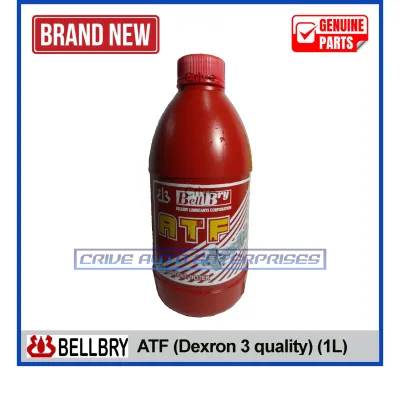
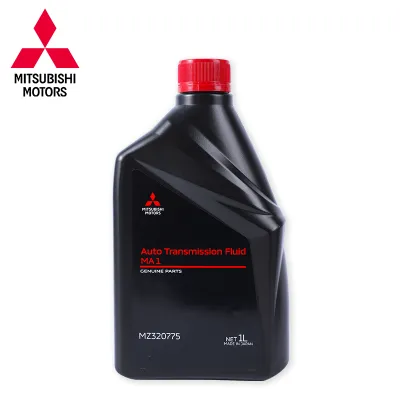
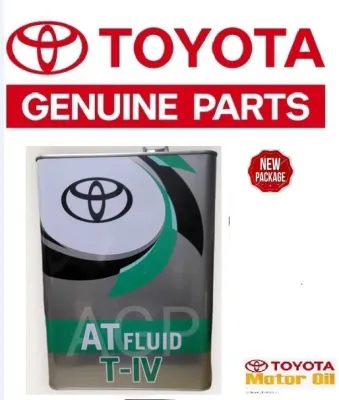
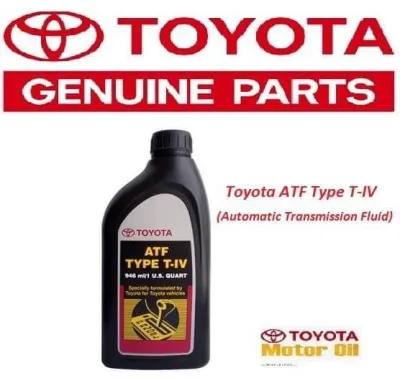
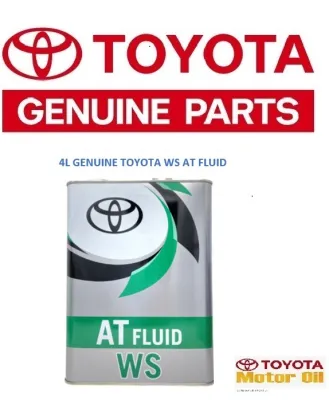
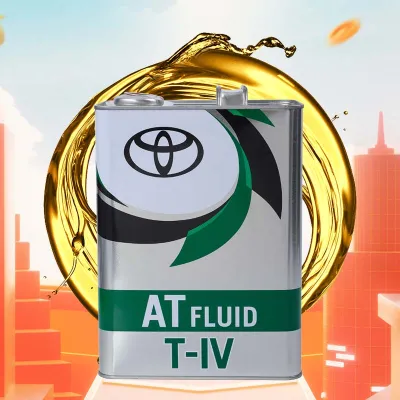
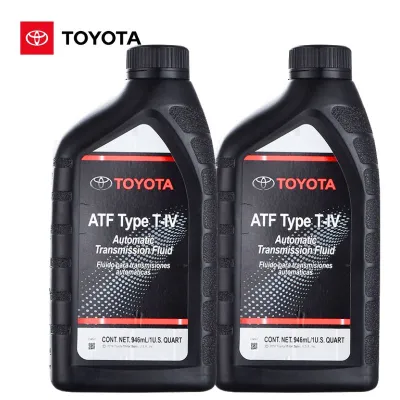
Prices are valid at publication and may change. Please refer to the product page for the latest price.
Every automatic transmission is engineered around a specific fluid viscosity and friction profile. Vehicle manufacturers (OEMs) establish strict performance standards to match their transmission designs. These specifications define how the fluid behaves under extreme pressure, how its viscosity changes with temperature, and how its friction modifiers interact with the friction material on the clutch plates inside the transmission.
If you use a fluid that does not meet the required specification, the consequences can be severe. A fluid with incorrect friction modifiers can cause the clutches to slip, generating intense heat that quickly destroys the clutch material. Conversely, if the fluid provides too much grip, shifts will feel harsh, jerky, and put unnecessary mechanical stress on the drivetrain. Viscosity mismatches can also prevent the transmission from maintaining proper hydraulic pressure, leading to delayed gear engagement or a complete failure to shift.
Ultimately, the brand name on the front of the bottle is secondary to the specification listed on the back. A premium, high-priced synthetic fluid is useless—and potentially harmful—if its chemical formulation does not align with your vehicle manufacturer’s engineering requirements.
Decoding Common ATF Standards: Dexron, Mercon, and SP
To simplify the purchasing process, major automotive manufacturers developed standardized families of transmission fluid specifications. The most common standards you will encounter in the market are General Motors’ Dexron, Ford’s Mercon, and various Asian OEM standards, often designated by “SP” or proprietary codes.

Dexron (General Motors Standard)
Dexron is a specification family created by General Motors. Over the decades, it has become one of the most widely recognized standards in the automotive industry, utilized not only by GM but also by various European and Asian manufacturers who source transmissions from global suppliers.
This standard has evolved through several generations, transitionally moving from Dexron II and Dexron III to the modern Dexron VI specification. Each iteration represents an advancement in fluid technology, typically offering improved oxidation resistance, better shear stability, and longer service life.
When navigating these generations, you must understand the rules of backward compatibility. Dexron VI is generally formulated to be backward compatible with older Dexron III applications in GM transmissions. This means you can typically use Dexron VI in an older vehicle that originally specified Dexron III. However, the reverse is strictly prohibited. You must never use an older specification like Dexron III in a modern transmission that requires Dexron VI. Modern systems rely on the lower viscosity and specific friction characteristics of Dexron VI; using an older, thicker fluid can cause sluggish shifting and increased wear.
Mercon (Ford Standard)
Mercon is the proprietary specification family developed by Ford Motor Company. Like Dexron, the Mercon standard has undergone significant changes to keep pace with modern, multi-speed transmission designs.
Common iterations of this standard include Mercon V, Mercon LV (Low Viscosity), and Mercon ULV (Ultra Low Viscosity). Each of these fluids is engineered for specific transmission architectures, with modern variations focusing heavily on reducing fluid drag to improve vehicle fuel efficiency.
Unlike the Dexron family, the Mercon lineage has strict boundaries regarding backward compatibility. Mercon LV and Mercon ULV are entirely different formulations and are generally not backward compatible with older transmissions that require Mercon V. Mercon LV has a significantly lower viscosity than Mercon V. If you put Mercon LV into a transmission designed for Mercon V, the fluid may be too thin to maintain adequate hydraulic pressure, leading to severe clutch slippage and internal damage. Always verify the exact suffix required for your specific model year.
SP and Asian OEM Specifications
Asian automotive manufacturers, including Toyota, Honda, Nissan, Mitsubishi, and Hyundai/Kia, typically rely on their own proprietary specifications rather than standard American classifications.
Hyundai and Kia utilize the “SP” family of specifications, such as SP-III and SP-IV. These fluids are engineered with highly specific friction modifiers designed to support slip-controlled lock-up clutches in modern torque converters. Similarly, Toyota utilizes specifications like Toyota T-IV and Toyota WS (World Standard), while Honda relies on formulations like DW-1.
When servicing an Asian vehicle, do not rely on broad marketing terms like “Asian Vehicle Fluid” or generic “Multi-Vehicle” labels. These fluids may attempt to bridge the gap between different requirements, but they cannot perfectly replicate the exact friction coefficients required by every proprietary system. To protect your transmission, look closely at the back of the bottle to ensure your vehicle’s specific OEM code (such as Toyota WS or Hyundai SP-IV) is explicitly printed as an approved application.
How to Match the Correct Automatic Transmission Fluid to Your Car
Finding the right fluid requires a systematic approach to ensure compatibility and protect your vehicle’s warranty. Follow these steps before purchasing any ATF.
- Step 1: Consult the Owner's Manual: Your vehicle's owner's manual is the ultimate authority. Locate the maintenance or specifications section to find the exact ATF standard required. If you do not have the physical manual, check the manufacturer's official portal or consult an authorized dealership. Never rely solely on verbal advice from auto parts store staff or general online forums.
- Step 2: Read the Product Label Carefully: When examining an ATF bottle, ignore the marketing claims on the front and turn to the back label. Look for a section labeled "Specifications," "Meets Requirements of," or "Suitable for Use in." The exact alphanumeric code from your manual must be explicitly listed here.
- Step 3: Evaluate Multi-Vehicle Fluids with Caution: Multi-vehicle ATFs are formulated to cover a wide range of manufacturer specifications. While they can be highly convenient, they are only safe to use if your specific required standard is explicitly listed on the bottle. If your required specification is absent from the label, do not use the fluid.
- Step 4: Consider the Operating Environment: In tropical climates like the Philippines, vehicles are subjected to high ambient temperatures and severe stop-and-go traffic. Under these conditions, transmission fluid temperatures can soar. Ensuring your fluid strictly matches the OEM viscosity specification is vital for maintaining proper cooling properties and hydraulic pressure under extreme thermal stress.
Critical Safety Boundaries and Common ATF Mistakes
Servicing a transmission carries high stakes. Avoiding common mistakes can save you from incredibly expensive repair bills.
- Never Mix ATF with CVT Fluid: Continuously Variable Transmissions (CVTs) operate on a completely different mechanical principle than traditional planetary-gear automatic transmissions. CVTs use a steel belt or chain riding on variable-width pulleys, requiring a fluid with exceptionally high steel-on-steel friction. Traditional ATF is designed to allow smooth clutch slippage and lacks these properties. Putting standard ATF into a CVT, or vice versa, will cause immediate belt slippage and destroy the transmission.
- The "Top-Up" Risk: If your transmission fluid is low, it is tempting to grab whatever ATF is available at the nearest service station to top it off. However, mixing different specifications or incompatible brands can alter the overall viscosity and degrade the additive package. This creates an unpredictable chemical mixture that may fail to protect your transmission. If the correct fluid is unavailable, it is safer to address the underlying leak and perform a complete drain-and-fill with the correct specification rather than mixing fluids.
- Ignore "Lifetime" Fluid Claims: Many modern vehicles are marketed with "lifetime" transmission fluid that supposedly never needs to be changed. In reality, "lifetime" usually refers to the duration of the manufacturer's warranty period, not the actual mechanical lifespan of the vehicle. In severe driving conditions—defined by frequent idling, heavy traffic, and hot climates—transmission fluid degrades over time. Regular inspection and periodic replacement based on your manual's severe service schedule are essential to maintaining transmission health.
Before undertaking any fluid replacement or top-up, always consult your vehicle’s original documentation. If you encounter conflicting information between the fluid bottle and your owner’s manual, or if the transmission system cannot be clearly identified, stop immediately. Consult the vehicle manufacturer or a qualified automotive professional to prevent permanent mechanical damage.
Frequently Asked Questions (FAQ)
Can I use Dexron VI in a car that requires Dexron III?
In most General Motors automatic transmissions, Dexron VI is fully backward compatible and can safely replace Dexron III. It offers superior shear stability and oxidation resistance. However, if you are servicing a non-GM transmission or an older manual transmission that specifies Dexron III, you must verify compatibility with the vehicle manufacturer, as some of these systems do not tolerate the lower viscosity of Dexron VI.
What happens if I use the wrong ATF specification?
Using the incorrect ATF specification can lead to immediate driveability issues, including slipping gears, delayed shifting, harsh or shuddering engagement, and unusual whining noises from the transmission pump. Over time, the incorrect friction modifiers will cause rapid wear of the clutch plates, leading to internal slippage, extreme operating temperatures, and eventual total transmission failure.
Is synthetic ATF better than conventional ATF?
Synthetic ATF generally provides superior performance compared to conventional fluid, offering better resistance to thermal breakdown, improved flow in cold temperatures, and longer overall service life. This is highly beneficial in demanding driving environments. However, a synthetic fluid is only beneficial if it explicitly meets the exact OEM specification required by your vehicle; synthetic base oils cannot compensate for an incorrect friction profile.
Community discussion
Share your experience or ask a question. Comments are reviewed before publication.