
When shopping for ignition components, encountering the term “B-series” often leads to immediate confusion. In the automotive world, this designation serves two entirely different purposes: it either identifies a specific spark plug thread size or refers to a high-performance ignition coil designed for a particular family of engines. For car enthusiasts and daily drivers alike, purchasing a b series coil requires a clear understanding of these distinctions to avoid compatibility issues, engine misfires, and electrical damage.
What Does "B-Series" Mean for Ignition Components?
To navigate the automotive parts market successfully, you must first determine whether your search for “B-series” relates to a spark plug specification or an engine-specific ignition coil. In standard spark plug nomenclature—most notably used by major manufacturers like NGK—the letter “B” at the beginning of a part number indicates a 14mm thread diameter. This is a physical measurement of the plug’s threaded portion that screws into the cylinder head. It has nothing to do with the engine family or the design of the ignition coil itself.
Conversely, a “b series coil” refers to an ignition coil pack engineered specifically for the Honda B-series engine family, which includes powerplants like the B16, B18, and B20. These engines are highly popular in the aftermarket and tuning scenes. Because these engines transitioned over time from traditional distributor-based ignition systems to modern individual coil-on-plug conversions, the term has become a staple among performance enthusiasts looking to upgrade their ignition systems.
Products mentioned in this guide
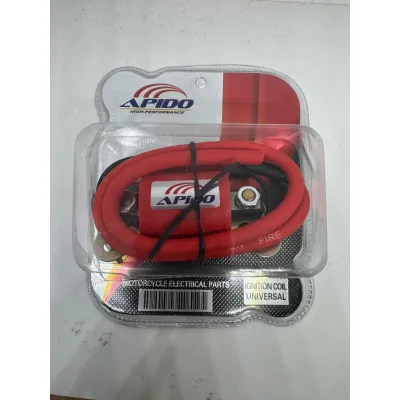
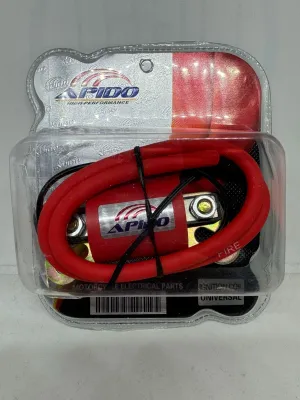
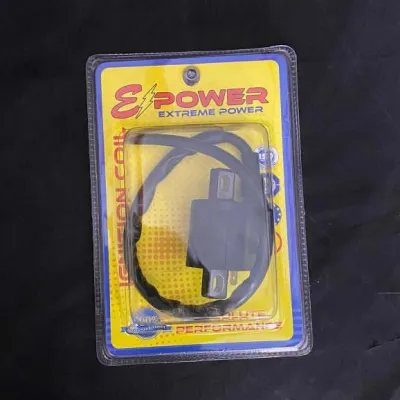
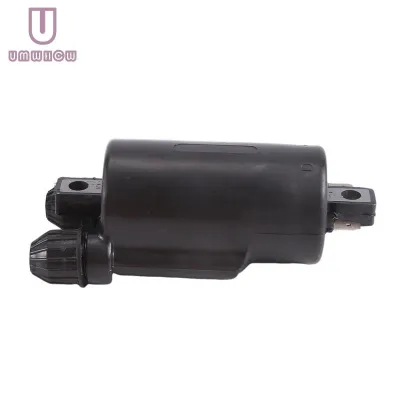
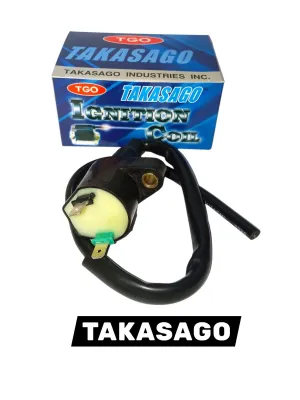
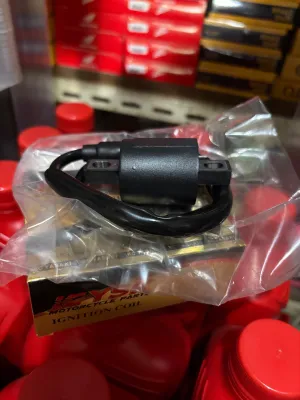
Prices are valid at publication and may change. Please refer to the product page for the latest price.
Distinguishing between these two meanings is the first critical step in parts selection. If you mistake a spark plug thread designation for an ignition coil specification, you risk buying components that are physically impossible to install. Before placing an order on any online marketplace, identify whether you are replacing a coil pack for a specific engine block or looking for spark plugs with a “B” prefix. The physical fitment, electrical connector pins, and voltage requirements differ entirely between these two categories.
Essential Ignition Coil Specifications Explained
Ignition coils are step-up transformers that convert the vehicle’s low battery voltage into the thousands of volts required to bridge the spark plug gap and ignite the fuel-air mixture. Understanding the electrical and physical specifications of these components is vital for ensuring long-term reliability and compatibility with your vehicle’s engine control unit (ECU).

Primary and Secondary Resistance Every ignition coil contains two sets of copper windings: primary and secondary. The resistance of these windings, measured in ohms, determines how much current flows through the coil and how much energy is stored and discharged. The ECU monitors these resistance levels to control dwell time and detect ignition faults. Installing a coil with resistance values outside the manufacturer’s specified range can overload the ECU’s ignition drivers or cause weak spark delivery. Always verify the required ohm readings in your vehicle’s official service manual before installing aftermarket coils.
Coil Design and Mounting Ignition systems have evolved through several distinct designs. Traditional distributor setups use a single central coil to send high-voltage current through a rotor to each spark plug wire. Distributorless Ignition Systems (DIS) often utilize waste-spark coil packs that fire two cylinders simultaneously. Modern vehicles almost exclusively use Coil-on-Plug (COP) designs, where an individual coil sits directly on top of each spark plug. When purchasing a b series coil or any replacement pack, the physical shape, mounting bracket locations, and wiring harness connector must match your engine’s cylinder head design perfectly.
Voltage Output and Dwell Time The voltage output of a coil determines its ability to ignite the air-fuel mixture under high cylinder pressures. While high-output performance coils promise stronger sparks, they also require precise dwell time management. Dwell time is the duration the ECU allows current to flow through the primary winding to charge the coil. Exceeding the required voltage output or running incorrect dwell times without proper ECU tuning can generate excessive heat, melting the coil casing or damaging sensitive electrical components in the ignition circuit.
The Truth About Heat Range in Ignition Systems
A common misconception among DIY mechanics is that ignition coils possess a specific “heat range.” In reality, heat range is an exclusive specification of spark plugs, not ignition coils. However, the thermal management of the spark plug directly impacts how hard the ignition coil has to work.
Defining Heat Range The heat range of a spark plug measures its ability to dissipate heat from the combustion chamber into the cylinder head and cooling system. A “cold” plug transfers heat rapidly, keeping its tip cooler to prevent pre-ignition in high-compression or turbocharged engines. A “hot” plug retains more heat at its tip to burn off carbon deposits during low-speed driving. The ignition coil itself does not have a heat range; its job is simply to deliver the electrical energy to the plug.
System Interdependence Although coils do not have a heat range, the entire ignition system operates interdependently. If you install a spark plug with an incorrect heat range, the consequences can be severe. A plug that is too hot can cause pre-ignition or engine knocking, while a plug that is too cold will suffer from carbon fouling. When carbon deposits build up on the plug tip, they create an alternative path for the electrical current, causing misfires. This forces the ignition coil to work harder to overcome the resistance, leading to thermal overload and premature coil failure.
Climate Considerations Operating a vehicle in hot and humid tropical conditions, such as in the Philippines, places significant thermal stress on the entire engine bay. Heavy stop-and-go traffic in urban areas combined with high ambient temperatures accelerates the degradation of plastic and rubber components, including ignition coil boots. In these demanding environments, sticking to the OEM-recommended spark plug heat range and using high-quality, heat-resistant ignition coils is crucial. Deviating from these specifications without professional tuning can lead to persistent engine misfires and reduced fuel efficiency.
How to Verify Compatibility Before You Buy
To avoid purchasing the wrong ignition components, you must take a systematic approach to verifying compatibility. Never rely solely on generic product titles or online compatibility checkers, which can occasionally contain errors.
OEM Part Number Cross-Referencing The most reliable method to guarantee a perfect match is to locate the Original Equipment Manufacturer (OEM) part number. This number is typically stamped or printed on the plastic housing of your existing ignition coil. Cross-reference this number with the replacement part’s documentation. If the numbers do not match or are not listed as compatible by the manufacturer, do not purchase the part.
Visual and Connector Inspection Before finalizing your purchase, conduct a thorough visual comparison. Inspect the wiring harness connector on the coil pack. Note the number of pins (such as 2-pin, 3-pin, or 4-pin configurations) and the shape of the locking tab. Additionally, measure the physical length of the coil boot. A boot that is too short will fail to make secure contact with the spark plug, while a boot that is too long will prevent the coil from mounting flush against the cylinder head, allowing moisture and debris to enter the spark plug well.
When to Seek Professional Help Modifying or replacing ignition components carries inherent safety and performance risks. If you are dealing with a highly modified engine, aftermarket engine management systems, or persistent misfire codes that do not resolve after replacing the coils, consult a qualified mechanic. Electrical diagnostics require specialized tools, such as oscilloscopes and scan tools, to measure dwell times and secondary ignition patterns accurately. Always refer to your vehicle’s manufacturer instructions and safety guidelines before attempting any DIY electrical work.
Frequently Asked Questions (FAQ)
Can a high-performance ignition coil change my spark plug's heat range?
No, an ignition coil cannot alter the physical heat range of a spark plug. The heat range is determined by the spark plug’s construction, specifically the length of the ceramic insulator nose and its ability to dissipate heat. While a high-performance coil delivers a stronger, more consistent spark, the fundamental thermal requirements of the combustion chamber remain unchanged. However, in highly modified or high-boost engines, a stronger spark might allow you to run a colder spark plug or adjust the plug gap, but this adjustment must be guided by professional tuning.
What are the common symptoms of a failing B-series ignition coil?
The most common symptoms of a failing ignition coil include engine misfires under load, a rough or unstable idle, a noticeable drop in fuel economy, and a loss of engine power. You may also experience hard starting conditions, especially on damp or humid mornings. When a coil fails, the ECU will typically trigger a check engine light with specific misfire codes (such as P0300 through P0304). Before replacing the coil, always inspect the spark plug and the wiring harness, as a cracked plug ceramic or a corroded connector can produce identical symptoms.
Community discussion
Share your experience or ask a question. Comments are reviewed before publication.