
Every time you look at your car’s tires, you are greeted by a complex string of numbers and letters molded into the rubber sidewall. These markings, such as 205/55 R16 91V, are not random codes; they are the precise blueprint of your tire’s dimensions, construction, and performance capabilities. Understanding how to read these specifications is essential for maintaining vehicle safety, ensuring optimal fuel efficiency, and making informed purchasing decisions when it is time for a replacement.
In tropical climates like the Philippines, where tires must routinely endure intense road heat, sudden monsoon downpours, and uneven road surfaces, choosing the correct tire specification is even more critical. Installing the wrong size can compromise your vehicle’s handling, accelerate tread wear, or even lead to sudden tire failure on the highway. By learning to decode these markings, you can confidently select tires that match your vehicle’s engineering requirements and your daily driving conditions.
Breaking Down the Main Tire Size Sequence
The most prominent sequence on any tire sidewall details its physical dimensions and construction type. This sequence typically begins with a three-digit number, followed by a slash, a two-digit number, a letter, and another two-digit number. Each of these components tells a specific story about how the tire will fit your wheel and interact with the road.
Products mentioned in this guide
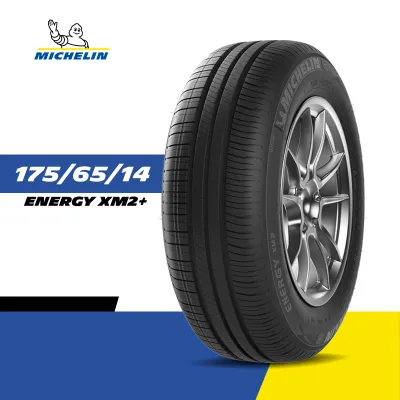
25 Lazada user ratings
🛠️Durability:goods since reliable brand 💰Price:sulit na sulit dahil sa vouchers 🦶Traction:di pa na try since first time using the brand fast …Read full reviewShow less
🛠️Durability:goods since reliable brand 💰Price:sulit na sulit dahil sa vouchers 🦶Traction:di pa na try since first time using the brand fast shipping and well-packaged! thanks
Both tires were well packed and in good condition. It was shipped immediately by the seller. Recent lang din ang production date which is 25…Read full reviewShow less
Both tires were well packed and in good condition. It was shipped immediately by the seller. Recent lang din ang production date which is 2525. Until next transaction.
Fast delivery, well packed, bought 4pcs from this shop with free 4 tire valves. Thank you sa seller, rider at Lazada 💰Price:9.9 sale big sav…Read full reviewShow less
Fast delivery, well packed, bought 4pcs from this shop with free 4 tire valves. Thank you sa seller, rider at Lazada 💰Price:9.9 sale big savings
DOT is 2024 as communicated by the seller thru chat and legit na 2024 siya thanks
Prices are valid at publication and may change. Please refer to the product page for the latest price.
The first three digits represent the section width in millimeters (e.g., 205). Wider tires offer a larger contact patch for improved dry grip, while narrower tires can improve fuel economy and cut through standing water more effectively during heavy tropical rains. Following the slash is the aspect ratio, which is the sidewall height expressed as a percentage of the width. Lower aspect ratios offer stiffer handling, while higher aspect ratios provide a taller cushion of air to absorb road vibrations and potholes.
Next is a letter indicating the internal construction, with ‘R’ standing for radial construction, the modern standard for passenger cars. Radial tires offer excellent tread life, flexible sidewalls, and superior heat dissipation. The final two-digit number represents the wheel diameter in inches. A tire marked with ’16’ fits exclusively on a 16-inch wheel. Attempting to mount a tire onto a wheel of a different diameter is highly dangerous, as even a minor mismatch prevents the tire bead from sealing correctly.
Decoding the Load Index and Speed Rating
Immediately following the tire size sequence, you will find a short combination of a two- or three-digit number and a single letter, such as ’91V’. These markings represent the load index and speed rating, which define the maximum operating limits of the tire under safe conditions.

The load index is a numerical code corresponding to the maximum weight a single tire can support when properly inflated. For instance, a load index of 91 indicates that the tire can carry up to 615 kilograms. The letter following the load index is the speed rating, indicating the maximum speed the tire can safely maintain under load. Common ratings include ‘H’ (up to 210 km/h), ‘V’ (up to 240 km/h), and ‘W’ (up to 270 km/h). While you are unlikely to reach these speeds on local expressways, the speed rating also serves as an indicator of the tire’s overall heat management capabilities, which is vital in hot tropical environments.
Installing tires with a lower load index or speed rating than specified poses severe safety risks. Under-rated tires can overheat rapidly, experience sidewall flexing, and fail catastrophically at highway speeds. Furthermore, using tires that do not meet original equipment specifications can void your vehicle’s warranty and may lead to insurance claim denials. Always prioritize safety by matching or exceeding the original equipment ratings.
Other Critical Sidewall Markings for Everyday Drivers
Beyond the primary size and performance ratings, tire sidewalls contain several other markings that are crucial for routine maintenance and safety checks. Knowing how to locate and interpret these codes can save you from driving on degraded or unsuitable rubber.
One of the most important markings is the Department of Transportation (DOT) safety code, which ends in a four-digit date code indicating the week and year of manufacture (e.g., ‘3226’ for the 32nd week of 2026). Because rubber naturally degrades over time due to oxygen exposure and environmental heat, tire professionals recommend replacing tires that are more than six to ten years old. You will also find the Uniform Tire Quality Grading (UTQG) ratings, which include grades for Treadwear (longevity), Traction (wet stopping ability), and Temperature (heat resistance, which is highly relevant for driving on hot asphalt).
Additionally, the sidewall lists the maximum inflation pressure in pounds per square inch (psi). This is the absolute maximum pressure the tire can safely hold, not the recommended operating pressure for your car. Over-inflating to this limit can result in a harsh ride, uneven tread wear, and reduced traction. Always refer to your vehicle’s official documentation to find the correct everyday inflation pressure.
How to Verify the Correct Car Tire Sizes for Your Vehicle
Before purchasing new tires, always verify the correct specifications recommended by your vehicle’s manufacturer rather than relying solely on the tires currently installed.
The easiest place to find this information is on the tire information placard, typically located on the driver’s side door jamb, inside the fuel filler door, or in the glovebox. This placard lists the exact tire size, load index, speed rating, and recommended cold inflation pressures. Cross-referencing this placard with the markings on your current tires is an excellent way to identify if a previous owner installed an incorrect size, allowing you to revert to the factory-specified dimensions to restore the vehicle’s intended handling characteristics.
If you are considering changing your tire size, plus-sizing, or adjusting for heavier loads, consult your owner’s manual or a qualified tire professional. Modifying tire dimensions can affect suspension clearance, steering geometry, and electronic safety systems like ABS. Professional installation and alignment are essential to ensure any alternative fitment remains road-legal and safe.
Frequently Asked Questions (FAQ)
Can I install a different tire width than what is currently on my car?
Yes, but you must stay within the manufacturer’s approved width range for your specific wheel. Installing a tire that is too wide or too narrow can prevent the tire bead from seating correctly, leading to air leaks. Additionally, excessively wide tires can rub against suspension components or the inner fender liner during sharp turns, while narrower tires may reduce overall cornering grip and braking performance.
What happens if the aspect ratio is slightly different from the original?
Changing the aspect ratio alters the overall rolling diameter of the tire, which directly impacts your vehicle’s speedometer and odometer accuracy. A taller sidewall will make your speedometer read slower than your actual speed, while a shorter sidewall will make it read faster. Furthermore, a significant change in rolling diameter can interfere with transmission shift points and may cause clearance issues within the wheel wells.
Do all four tires need to have the exact same size and markings?
For most front-wheel-drive and rear-wheel-drive cars, tires on the same axle must be identical in size, load index, speed rating, and tread pattern to ensure balanced handling and braking. However, for all-wheel-drive (AWD) vehicles, all four tires must be identical in size, brand, model, and tread wear depth. Variations in tire diameter on an AWD vehicle can cause the front and rear axles to rotate at different speeds, leading to severe drivetrain damage that can easily cost upwards of ₱50,000 to repair.
Community discussion
Share your experience or ask a question. Comments are reviewed before publication.