
Selecting a replacement clutch assembly for your motorcycle or scooter is not as simple as finding a part that looks like your old one. Every specification—from the friction plate count to the spring rate—directly dictates how effectively your engine transfers power to the rear wheel. In tropical riding conditions like those in the Philippines, where high humidity and intense stop-and-go traffic put constant thermal stress on your transmission, choosing the wrong specifications can lead to rapid component failure. Understanding these technical details ensures your ride remains safe, reliable, and responsive.
Why Clutch Assembly Specifications Matter
The clutch assembly serves as the vital link between your engine’s crankshaft and the transmission. When you pull the clutch lever or when a scooter’s automatic system engages, this assembly manages the friction required to connect or disconnect engine power to the gearbox. If you install an assembly with mismatched specifications, you risk experiencing severe clutch slippage, accelerated wear, or even catastrophic transmission damage.
Many riders mistakenly believe that if a clutch part matches their motorcycle’s general model name or looks identical on a store shelf, it will work perfectly. However, manufacturers frequently update internal transmission components across different model years or regional variants. Relying solely on visual similarity can result in a stack height that is too tall or too short, leading to a clutch that either drags constantly or fails to engage at all.
Products mentioned in this guide
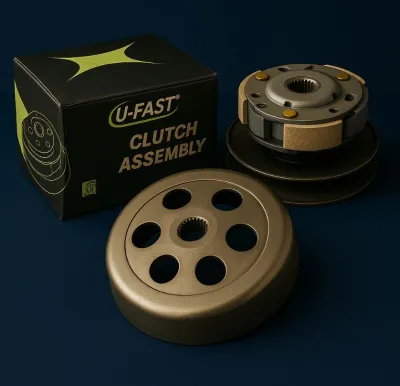
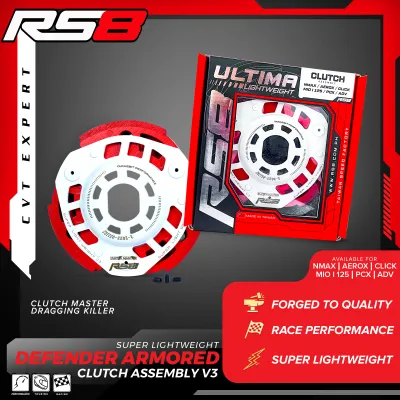
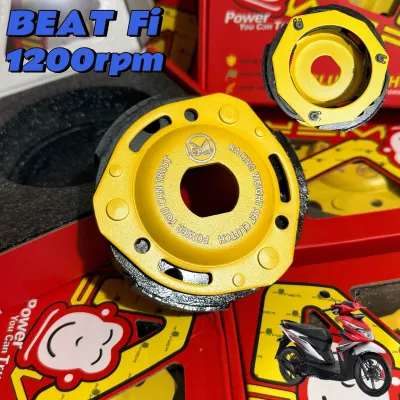
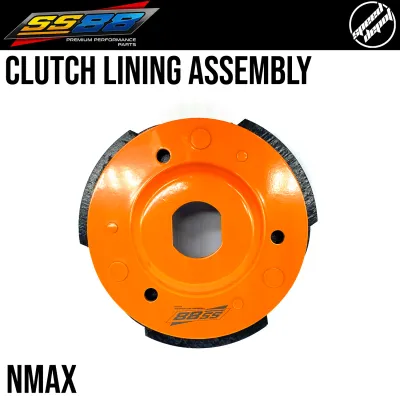
Prices are valid at publication and may change. Please refer to the product page for the latest price.
Decoding Friction Plate Specifications
Friction plates are the core wear items within the clutch assembly, and their dimensions must be precise. The total plate count and individual plate thickness combine to create the “stack height.” This overall measurement determines how far the pressure plate must travel to release the clutch. If the stack height deviates from the original equipment manufacturer (OEM) specification, the clutch basket may not engage correctly, causing incomplete disengagement or premature slippage under load.

The material compound of the friction plates also dictates how the clutch behaves under thermal stress. Common options include paper-based, cork, and sintered metal compounds. Paper and cork compounds offer smooth engagement and are standard for daily commuting, while sintered materials handle extreme heat better but can wear down standard clutch baskets faster. Always consult your vehicle’s official service manual to verify the exact compound required for your specific riding conditions.
Additionally, the groove patterns cut into the friction material are engineered to manage oil flow in wet clutch systems. These grooves channel engine oil away from the contact surfaces during engagement to prevent hydroplaning, while allowing oil to cool the plates when disengaged. Installing plates with incorrect groove patterns can restrict oil circulation, leading to localized overheating and warped steel plates.
Understanding Clutch Spring Rates and Tension
Clutch springs provide the clamping force necessary to hold the friction and steel plates together when the clutch is engaged. The spring rate—the amount of force required to compress the spring by a specific distance—and the free length of the spring are critical metrics. Over time, heat and repeated compression cause these springs to fatigue and shrink. If your springs measure below the minimum service limit specified in your service manual, they will fail to provide adequate clamping force, resulting in clutch slip.
The tension of these springs directly influences both lever feel and power holding capacity. Heavier springs increase the clamping force, which prevents slippage in high-torque scenarios, but they also make the clutch lever significantly harder to pull. For daily riders navigating congested urban roads, excessively stiff springs can lead to rapid hand fatigue. Conversely, springs that are too light will make the lever easy to pull but will allow the clutch to slip under hard acceleration.
When replacing clutch springs, they must always be installed as a complete, matched set. Mixing old, fatigued springs with new ones, or using springs with different rates, creates uneven pressure across the pressure plate. This uneven force causes the plates to engage at an angle, leading to rapid, uneven wear on the friction material and potential damage to the clutch basket splines.
Verifying Compatibility for Your Replacement Assembly
Before purchasing a new clutch assembly, you must verify its compatibility using official documentation. Start by locating your vehicle identification number (VIN) and cross-referencing it with the OEM part numbers in your motorcycle or scooter’s official service manual. This ensures you are matching the exact production run and regional specification of your machine, saving you from costly transmission repairs that can easily run upwards of ₱5,000.
When evaluating aftermarket clutch assemblies, carefully compare their specification sheets against your OEM baseline data. Pay close attention to the overall stack height, spring rates, and the spline count on the inner hub. A mismatch of even a single spline or a millimeter in stack height will prevent the assembly from mounting securely or operating safely.
Because the clutch is a critical safety component that directly impacts your control of the vehicle, you must prioritize safety during installation. If you encounter conflicting specifications, notice abnormal wear or grooving on your clutch basket, or feel unsure about the installation process, stop immediately. Consult a qualified professional mechanic to inspect the components and perform the installation to ensure your vehicle remains safe for the road.
Frequently Asked Questions (FAQ)
Can I mix different friction plate materials in the same clutch assembly?
No, you should not mix different friction plate materials within a single clutch assembly. Each material compound has a distinct friction coefficient and thermal expansion rate. Mixing them can cause uneven grip, localized hot spots, and unpredictable lever engagement. Always install a uniform set of plates that match the manufacturer’s specifications.
Do scooters use the same clutch assembly specifications as manual motorcycles?
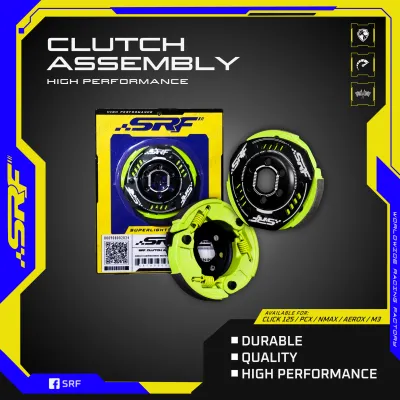
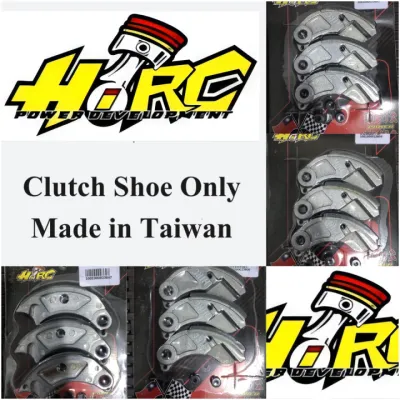
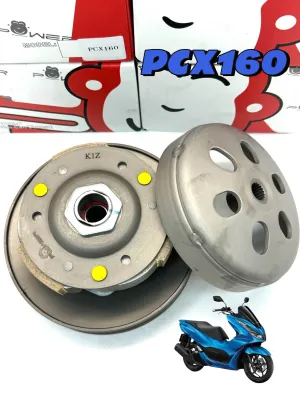
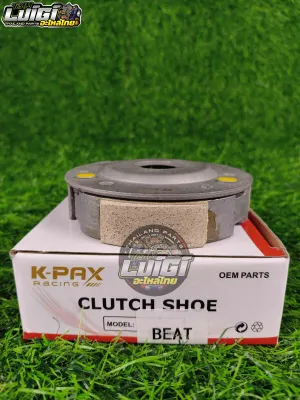
No, scooters typically use a continuously variable transmission (CVT) with an automatic centrifugal clutch, which operates differently from a manual motorcycle’s wet multi-plate clutch. Instead of friction plates and manual springs, scooter clutch assemblies rely on weighted clutch shoes, tension springs, and a clutch bell. When replacing scooter clutch parts, you must check the service manual for shoe thickness and spring tension specifications rather than plate counts.
Community discussion
Share your experience or ask a question. Comments are reviewed before publication.