
When you look at a bottle of engine oil for car gasoline applications, the alphanumeric codes like 5W-30 or 10W-40 represent its viscosity grade. Viscosity is simply a measure of a fluid’s resistance to flow. An oil with a lower viscosity flows more easily, like water, while an oil with a higher viscosity is thicker and flows more slowly, like honey.
The number before the “W” (which stands for Winter) indicates how easily the oil flows in cold temperatures, such as during a chilly morning engine startup. The second number, after the hyphen, represents the oil’s thickness at normal engine operating temperatures.
The correct grade for your gasoline car is strictly determined by the vehicle manufacturer, not by general assumptions about which number is “better.” Always check your owner’s manual or the engine oil filler cap before purchasing engine oil for car gasoline engines to ensure complete compatibility.
Products mentioned in this guide
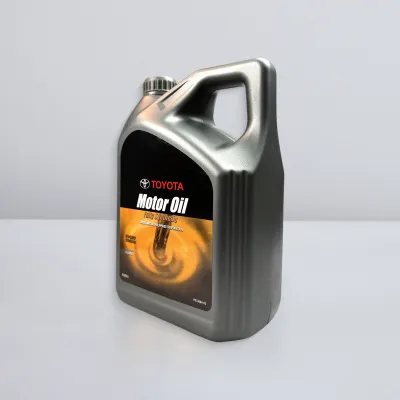
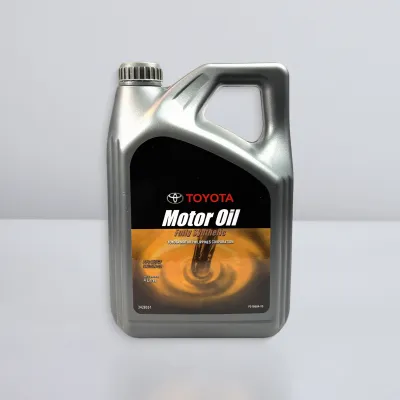
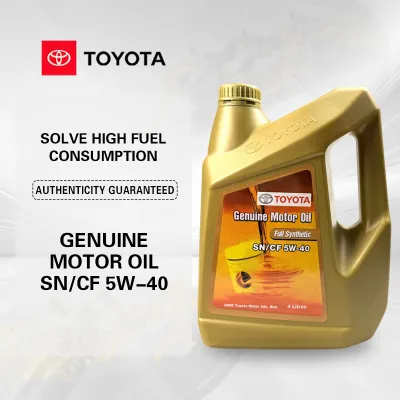
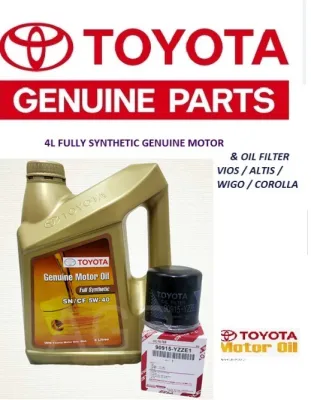
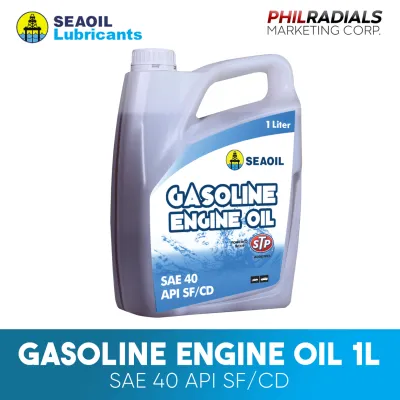
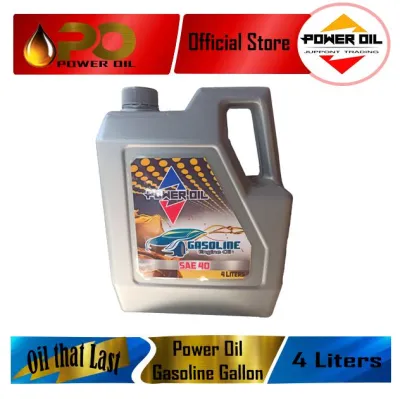
Prices are valid at publication and may change. Please refer to the product page for the latest price.
Breaking Down the Viscosity Grade: The "W" and the Numbers
The Society of Automotive Engineers (SAE) developed this numerical grading system to standardize how motor oils behave under different thermal conditions. Understanding these numbers helps you make informed maintenance choices rather than guessing at the retail shelf.
The First Number and the "W" (Cold-Start Performance)
The letter “W” stands for Winter, not weight. This rating measures the oil’s flow resistance at extremely low temperatures, simulating cold-weather startup conditions. A lower first number, such as 0W or 5W, means the oil remains fluid and pumps easily when the engine is cold, reaching critical moving parts like the valvetrain within seconds to prevent dry friction.
Even in the tropical climate of the Philippines, cold-start protection is vital. When a car sits overnight, the oil drains back down into the oil pan. A morning startup at an ambient temperature of 30°C is still technically a “cold start” because the engine has not yet reached its optimal operating temperature of 90°C to 100°C. Therefore, the oil must flow quickly to prevent initial metal-on-metal wear before the engine fully warms up.
The Second Number (Operating Temperature Protection)
The second number (such as 20, 30, or 40) represents the oil’s kinematic viscosity at 100°C (212°F), which closely approximates normal engine operating temperature. A higher number indicates a thicker, more robust oil film that maintains its protective barrier under high heat and heavy mechanical loads.
However, thicker is not universally better for every car. Modern gasoline engines are engineered with incredibly tight internal clearances between moving parts. Using an oil that is too thick can prevent it from flowing into these tight spaces quickly enough, leading to localized friction, increased operating temperatures, and premature engine wear.
How Viscosity Affects Your Gasoline Engine
Using the wrong viscosity grade can have immediate and long-term consequences for your gasoline engine’s health, performance, and overall fuel efficiency.

Using Oil That Is Too Thick Using a higher viscosity than recommended (such as 10W-40 in an engine designed for 0W-20) introduces unnecessary fluid drag inside the engine. The oil pump must work significantly harder to push the heavy fluid through the lubrication channels, which results in reduced fuel economy, sluggish acceleration, and potential oil starvation during cold starts because the fluid struggles to circulate quickly. Over time, this extra strain can accelerate wear on the oil pump and internal components.
Using Oil That Is Too Thin Conversely, using a lower viscosity than recommended (such as 5W-20 in an older engine requiring 10W-40) increases wear risks. Under high heat and load, a thin oil film can shear or break down, leading to direct metal-on-metal contact. This lack of protection causes accelerated wear on piston rings and cylinder walls, increases oil consumption, and can lead to a drop in oil pressure, which may ultimately result in catastrophic engine failure.
Climate Context While the Philippines has high ambient temperatures and high humidity, modern engine cooling systems are highly effective at maintaining stable internal operating temperatures. Drivers should not arbitrarily increase the high-temperature viscosity number just because of the hot weather; you must follow the manufacturer’s specified grade. The engineers who designed your vehicle already factored tropical climates and heavy traffic conditions into their recommended viscosity ranges.
How to Find the Correct Engine Oil for Your Gasoline Car
Finding the right engine oil for car gasoline applications requires a systematic approach to ensure compatibility and protect your engine’s warranty.
Step 1: Check the Primary Sources Look at the owner’s manual under the “Fluids and Lubricants” section, or check the text printed directly on the engine’s oil filler cap. The owner’s manual often provides a viscosity chart that recommends specific grades based on ambient temperature ranges, which is the most reliable source of information for your vehicle. If you have lost your physical manual, many manufacturers offer digital copies on their official websites.
Step 2: Verify Quality Certifications Viscosity is only half the equation; the oil must also meet specific performance standards. Look for current American Petroleum Institute (API) service categories (such as API SP) or ILSAC starburst symbols on the bottle. These certifications ensure the oil meets modern gasoline engine protection standards against sludge, timing chain wear, and low-speed pre-ignition (LSPI) in turbocharged engines.
Step 3: When to Consult a Professional Consult a qualified mechanic or your dealership if the manual is missing, if the engine has been heavily modified, or if the vehicle has exceptionally high mileage and is consuming oil. A professional can perform a compression test to check for internal wear and safely determine if a slight viscosity adjustment is safe and warranted based on the physical wear of your engine rather than guessing.
Common Viscosity Grades for Gasoline Cars
Understanding common viscosity grades helps you recognize what you are looking at on store shelves, though you should always defer to your vehicle’s specific requirements.
0W-20 and 5W-20 Typically recommended for modern, fuel-efficient gasoline engines with tight internal clearances. These grades focus on maximizing fuel economy and providing quick cold-start lubrication, which is essential for modern start-stop engine systems. They are almost exclusively available as full synthetic formulations.
5W-30 A highly common, versatile grade used in a wide variety of passenger cars, offering an excellent balance between cold-start flow and high-temperature protection. It is a popular choice for many modern sedans and SUVs, performing exceptionally well during daily commutes in heavy urban traffic.
10W-40 and 15W-40 Often specified for older gasoline engines, high-mileage vehicles, or heavy-duty applications where wider internal clearances require a thicker oil film to maintain oil pressure and seal piston rings. These grades help reduce oil consumption and prevent tailpipe smoke in worn engines.
Remember that this list is for general recognition only; your specific vehicle manual overrides any general market trends.
Frequently Asked Questions (FAQ)
Can I mix 5W-30 and 10W-40 engine oils?
Avoid intentionally mixing different viscosity grades, as it alters the carefully engineered flow characteristics and can compromise the additive package. In an absolute emergency where the engine is low on oil and the exact grade is unavailable, adding a different grade to prevent the engine from running dry is better than running with no oil. However, you should flush and refill the system with the correct, uniform grade as soon as possible to maintain optimal protection.
Is thicker oil always better for older gasoline engines?
While worn engine bearings and piston rings might benefit from a slightly thicker oil (like moving from 5W-30 to 10W-40) to maintain oil pressure and reduce consumption, this is not a universal rule. Switching to a thicker oil without professional assessment can cause poor circulation, overheating, and Variable Valve Timing (VVT) system malfunctions. Always base this decision on a mechanic’s diagnosis of the engine’s actual condition rather than just the odometer reading.
Community discussion
Share your experience or ask a question. Comments are reviewed before publication.