
Selecting the right motor oil for gasoline engine vehicles starts with decoding the alphanumeric codes on the bottle, such as 5W-30 or 10W-40. These codes represent the oil’s viscosity grade, which measures how easily the fluid flows at specific temperatures. Viscosity is the oil’s thickness or resistance to flow. If the oil is too thick, it cannot circulate quickly enough to protect vital engine components during startup; if it is too thin, it may fail to maintain a protective barrier between moving metal parts under extreme heat.
Even in tropical climates like the Philippines, where freezing temperatures are non-existent, understanding these numbers remains critical. Ambient heat, heavy stop-and-go traffic, and high operating temperatures place immense stress on lubricants. Choosing the correct viscosity grade ensures your engine receives immediate lubrication at startup and continuous protection under intense heat.
Understanding the Viscosity Numbers (e.g., 5W-30)
The alphanumeric rating system on motor oil labels was established by the Society of Automotive Engineers (SAE) to standardize how oil behavior is measured. In a multi-grade rating like 5W-30, the code is divided into two distinct parts. The first part, consisting of a number followed by the letter “W,” indicates the oil’s low-temperature flow characteristics. The “W” stands for Winter, not weight.
Products mentioned in this guide
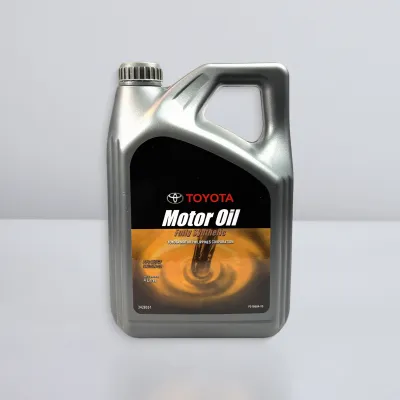
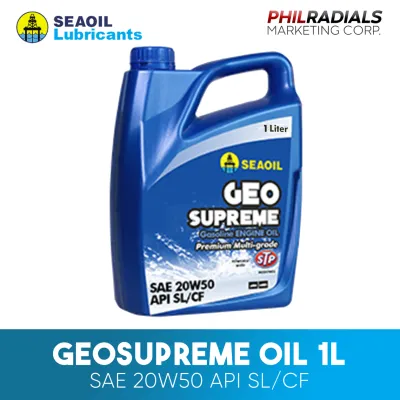
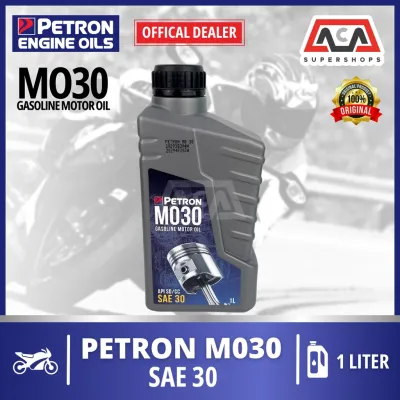
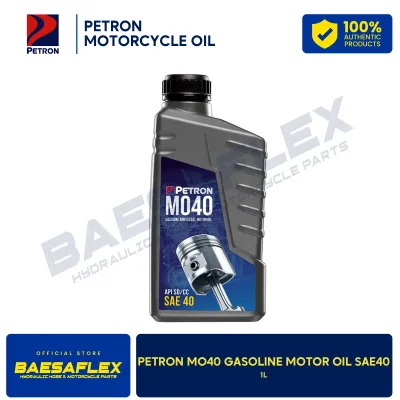
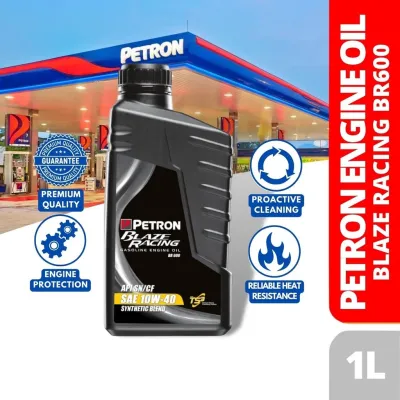
Prices are valid at publication and may change. Please refer to the product page for the latest price.
The number preceding the “W” (such as 0, 5, or 10) rates the oil’s flow resistance during cold starts. A lower number indicates that the oil remains more fluid at low temperatures, allowing the engine starter motor to crank easily and enabling the oil pump to distribute lubrication rapidly. Even in warm climates, an engine that has sat overnight is considered “cold” relative to its normal operating temperature. Using an oil with an appropriate cold-start rating ensures that critical components are lubricated within seconds of ignition.
The second number in the sequence, such as 30 or 40, represents the oil’s viscosity at the engine’s normal operating temperature, standardized at 100 degrees Celsius. This number indicates the thickness of the oil film when the engine is fully warmed up. A higher second number means the oil maintains a thicker protective barrier at high temperatures, while a lower number indicates a thinner oil film. Higher numbers do not automatically mean better protection; they must match the engine’s designed clearances.
Why Manufacturer Specifications Matter Most
Modern gasoline engines feature highly precise engineering tolerances, complex oil galleries, and advanced hydraulic systems like Variable Valve Timing (VVT). These systems rely on the engine oil to act as both a lubricant and a hydraulic fluid. Because of this dual role, modern engines are highly sensitive to viscosity variations, making the manufacturer’s specifications the ultimate authority for your vehicle.

Using an incorrect viscosity grade can trigger a cascade of mechanical issues. For instance, using an oil that is thicker than recommended can cause the VVT system to experience delayed response times, leading to sluggish acceleration and rough idling. Thicker oil also increases internal fluid drag, forcing the engine to work harder and reducing fuel economy. Conversely, using an oil that is too thin can result in insufficient oil pressure, especially when idling in hot weather, leading to premature wear on internal bearings.
To find the exact viscosity grade required for your vehicle, always consult the owner’s manual or check the oil filler cap under the hood. While some older vehicle manuals might show a chart suggesting thicker oils for hotter climates, modern engine designs generally mandate a single, specific viscosity grade regardless of ambient conditions. Before altering the recommended viscosity grade for high-mileage vehicles or severe driving conditions, consult the manufacturer’s supplementary guidelines or a qualified technician to avoid compromising engine longevity.
Single-Grade vs. Multi-Grade Motor Oil
Motor oils are broadly categorized into single-grade (monograde) and multi-grade formulations. Single-grade oils, such as SAE 40, are designed to operate within a narrow temperature range. They do not contain advanced additives to control viscosity changes, meaning they thin out rapidly as they heat up and thicken significantly as they cool down. While these oils were common in older automotive designs, they are rarely suitable for modern passenger vehicles.
Multi-grade oils, such as 5W-30 or 10W-40, use viscosity index improvers. These polymer additives expand as the oil heats up, preventing the fluid from thinning out excessively at high operating temperatures. When the engine cools down, these polymers contract, allowing the oil to remain fluid. Modern gasoline engines almost exclusively require multi-grade motor oils to meet strict performance and fuel efficiency standards, simplifying the purchasing decision for vehicle owners.
How to Verify the Correct Oil for Your Next Oil Change
To ensure your engine remains fully protected and your vehicle’s warranty stays intact, follow this structured verification process before your next oil change.
First, cross-reference the recommended SAE viscosity grade and the required performance standards in your vehicle’s owner’s manual. Look for specific industry certifications, such as the American Petroleum Institute (API) service categories (e.g., API SP) or the International Lubricant Standardization and Approval Committee (ILSAC) standards (e.g., ILSAC GF-6).
Second, carefully inspect the oil container label before purchasing. The front label will clearly display the viscosity grade, while the back label will feature the API donut or ILSAC starburst symbol confirming that the oil meets or exceeds the required performance specifications.
Third, verify that the selected oil complies with the manufacturer’s warranty terms if your vehicle is still covered under a factory warranty. Using an unapproved oil grade or a formulation that lacks the required manufacturer-specific approvals can lead to denied warranty claims.
Fourth, if you encounter conflicting information, observe abnormal oil consumption, or feel uncertain about which oil to select, stop and consult a certified technician or an authorized dealership. Professional guidance ensures that you do not inadvertently introduce a fluid that could compromise your engine’s internal components.
Frequently Asked Questions (FAQ)
Can I mix different viscosity grades like 5W-30 and 10W-40?
Mixing different viscosity grades is generally discouraged because it alters the carefully engineered viscosity profile and can dilute the specific additive packages of each oil. While modern engine oils are chemically compatible and mixing them will not cause a catastrophic reaction, it can result in an unpredictable viscosity that may not adequately protect your engine. Mixing should only be done as a temporary emergency measure to top up a dangerously low oil level, and it should be followed by a complete oil and filter change as soon as possible.
Does a higher viscosity number mean better engine protection?
No, a higher viscosity number does not mean better protection. While a thicker oil film can provide a robust barrier under extreme loads, an oil that is too thick for your engine’s design cannot flow quickly enough through narrow oil passages. This slow flow rate can starve critical components of lubrication during startup and increase internal operating temperatures due to fluid friction. Always use the exact viscosity grade specified by the vehicle manufacturer to ensure optimal flow and protection.
Should I change my oil viscosity as my car gets older?
You should maintain the factory-recommended viscosity grade even as your vehicle accumulates high mileage, unless the manufacturer explicitly advises an alternative or a qualified technician recommends a change. While some high-mileage oils contain seal conditioners to help reduce minor leaks, blindly switching to a thicker viscosity grade can restrict oil flow to critical engine areas and accelerate wear. Only adjust the viscosity if a professional diagnostic check indicates that internal wear warrants a different grade.
Community discussion
Share your experience or ask a question. Comments are reviewed before publication.