
When you look at a bottle of motorcycle engine oil, the alphanumeric codes on the label can feel like a foreign language. The numbers “10W-40” or “20W-50” are not random codes; they represent the oil’s viscosity, which is the single most critical factor in determining how well the lubricant protects your engine. Understanding these numbers ensures you choose the correct formulation recommended for your motorcycle, helping you avoid costly engine wear or clutch slippage.
If you are planning to change oil for your motorcycle, selecting the correct viscosity is the foundation of proper maintenance. Let’s break down what these numbers mean, how they protect your engine under intense heat, and how to make the right selection for your specific ride.
What is Oil Viscosity and Why It Matters
Viscosity is defined as a fluid’s resistance to flow. In simpler terms, it is the thickness of the oil. A low-viscosity fluid flows quickly like water, while a high-viscosity fluid flows slowly like honey.
Products mentioned in this guide
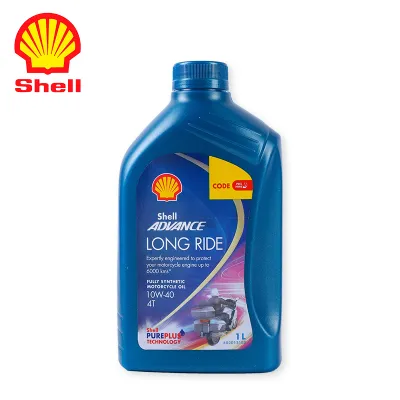
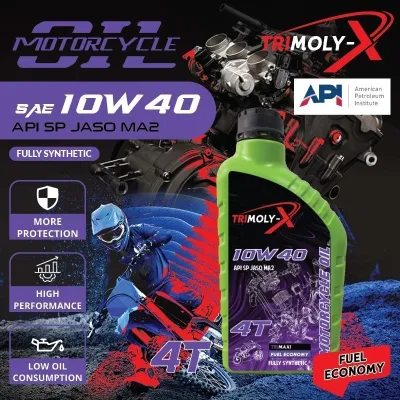
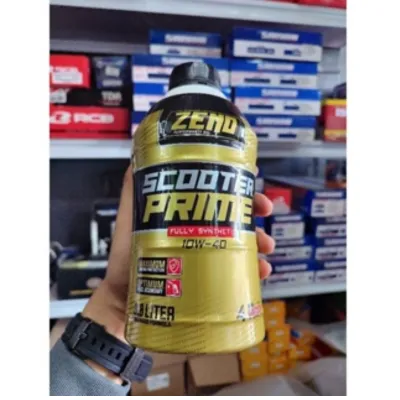
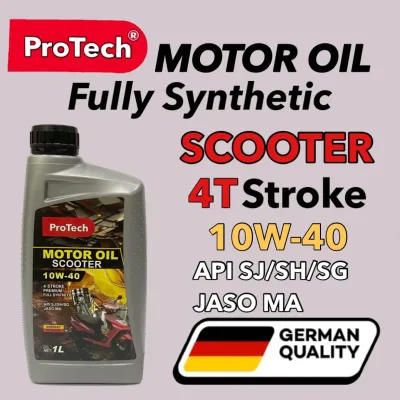
Prices are valid at publication and may change. Please refer to the product page for the latest price.
In a motorcycle engine, the oil’s primary job is to create a microscopically thin but incredibly strong protective film between moving metal parts. This film prevents direct metal-on-metal contact, which would otherwise cause severe friction, heat, and rapid wear.
Motorcycle engines operate under much harsher conditions than passenger car engines. They typically run at much higher RPMs, experience greater thermal stress, and rely on the oil to help dissipate extreme heat from the engine core. Maintaining the correct oil film thickness is vital for lubricating high-revving components and preventing premature engine wear.
Decoding the Numbers: What "10W-40" Actually Means
Modern motorcycle lubricants are multi-grade oils, which means they are engineered to flow effectively at cold temperatures while remaining thick enough to protect the engine at high operating temperatures. The numbers on the bottle, such as 10W-40, describe this dual-temperature performance.

The "W" (Winter) Rating and Cold Flow
In the rating “10W-40,” the “W” stands for Winter, not weight. The number preceding the “W” indicates the oil’s flowability and viscosity at cold temperatures.
A lower winter number, such as 5W or 10W, means the oil remains more fluid and flows easily in cold conditions. When you start an engine that has sat idle overnight, the oil has settled in the oil pan, leaving the upper engine components temporarily dry.
An oil with excellent cold-flow properties reaches critical components like the valve train within seconds of startup. This rapid circulation is crucial for reducing initial engine wear before the oil pump fully pressurizes the lubrication system.
The Operating Temperature Rating
The second number in the rating, such as the “40” in 10W-40, represents the oil’s viscosity at normal engine operating temperatures, which is standardly measured at 100°C.
A higher second number indicates a thicker, more resilient oil film at high heat. For instance, a 50-weight oil will maintain a thicker protective barrier under extreme thermal stress than a 30-weight oil.
This thickness is critical for protecting engine components under heavy loads, high RPMs, and sustained highway riding. If the oil becomes too thin under high heat, the protective film can break down, leading to accelerated wear on the cylinder walls, pistons, and bearings.
Why You Shouldn't Use Standard Car Oil in a Motorcycle
A common and potentially damaging mistake is using standard automotive engine oil in a motorcycle. While both fluids lubricate engines, their formulations are fundamentally different due to distinct mechanical layouts.
Most motorcycles use a shared sump system where a single oil reservoir lubricates the engine, the transmission gears, and the wet clutch. This means the oil must provide engine protection, withstand the high-shear environment of gear teeth, and allow the clutch plates to grip properly.
Standard car oils are formulated purely for fuel economy and contain friction modifiers designed to minimize resistance. If introduced to a motorcycle’s wet clutch, these friction modifiers will cause the clutch plates to slip, leading to power loss, overheating, and premature clutch failure.
To ensure compatibility, look for the JASO (Japanese Automotive Standards Organization) standards on the oil label. Oils certified as JASO MA or MA2 are specifically formulated to provide the correct frictional properties for wet clutches, while JASO MB oils are designed for dry-clutch automatic scooters.
How to Choose the Right Viscosity for Your Motorcycle
The motorcycle owner’s manual is the ultimate, non-negotiable authority for the required viscosity grade and performance specification. Manufacturers design engines with specific clearances, and using an unapproved viscosity can compromise lubrication.
Environmental factors play a major role in your choice. In tropical climates like the Philippines, ambient temperatures are consistently high, and riders frequently encounter heavy stop-and-go traffic. This intense heat makes the operating temperature rating (the second number) particularly important for maintaining oil film strength during long, hot rides.
Engine age and operating condition can also influence your selection. While some riders opt for a slightly higher viscosity for older, high-mileage engines to reduce oil consumption or mechanical noise, this adjustment should only be done within the acceptable ranges listed in the manufacturer’s manual.
Practical Tips When You Change Oil for Your Motorcycle
When performing maintenance, verify that the new oil’s viscosity, JASO rating, and API classification match your owner’s manual before breaking the seal on the bottle. Using the wrong fluid can void warranties and cause mechanical issues.
During the service, do not just drain and refill. Inspect the oil filter, clean the strainer screen if equipped, and replace the drain plug’s crush washer to prevent slow leaks. Always consult the original-vehicle instructions for correct torque specifications to avoid stripping the drain plug threads.
Finally, practice proper safety and environmental care. Drain the old oil into a suitable container, avoid overfilling the engine by checking the sight glass or dipstick while the bike is upright, and dispose of the used oil at a designated collection point or local service center.
Frequently Asked Questions (FAQ)
Can I mix two different oil viscosities if I am low on oil?
You should avoid mixing different oil viscosities, brands, or base types (such as synthetic and mineral) under normal conditions. Mixing alters the predictable viscosity profile and can cause different additive packages to clash or drop out of suspension, reducing the oil’s protective qualities.
However, running an engine dry will cause immediate, catastrophic seizure. If your oil level is dangerously low in an emergency, top up with any clean engine oil to reach safety, then perform a complete oil and filter change as soon as possible.
Community discussion
Share your experience or ask a question. Comments are reviewed before publication.