
Choosing the right anti-dragging 4-in-1 clutch combo for your motorcycle requires looking beyond the model name on the box. To eliminate clutch drag—where your motorcycle creeps forward at a red light even with the lever fully pulled—you must verify the exact thickness tolerances of the friction plates, the flatness of the steel plates, the tension of the clutch springs, and the compatibility of the included gasket or bearing with your specific engine casing. In tropical climates where stop-and-go traffic rapidly builds up engine heat, selecting components designed to withstand high thermal loads is essential for maintaining smooth gear transitions and preventing premature wear.
Understanding the "4-in-1" Components and Anti-Dragging Mechanics
A standard “4-in-1” clutch combo typically bundles four critical parts required for a complete transmission refresh: friction plates, steel plates, heavy-duty clutch springs, and a replacement crankcase gasket or release bearing. These components must work in perfect harmony to manage the transfer of power from your engine to the gearbox. When you pull the clutch lever, the pressure plate releases, allowing these plates to separate so you can shift gears smoothly without any forward movement from the rear wheel.
Clutch dragging occurs when this separation is incomplete, causing the transmission to remain partially engaged. This mechanical failure is often driven by warped steel plates that fail to sit flat, weak or unevenly worn clutch springs that apply inconsistent pressure, or friction materials that have swollen from absorbing degraded engine oil. When these parts fail to separate cleanly, you will experience stiff gear shifts, difficulty finding neutral, and a dangerous forward creep while idling.
Products mentioned in this guide
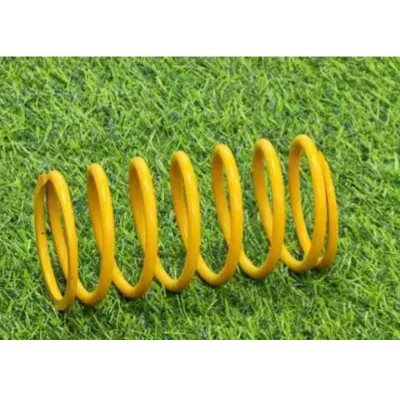
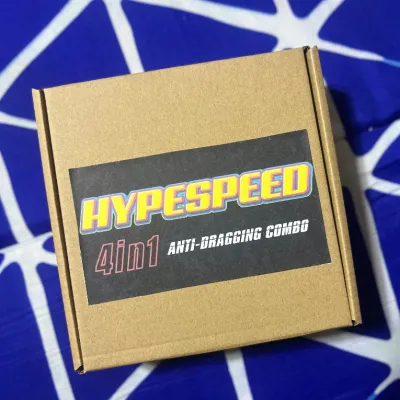
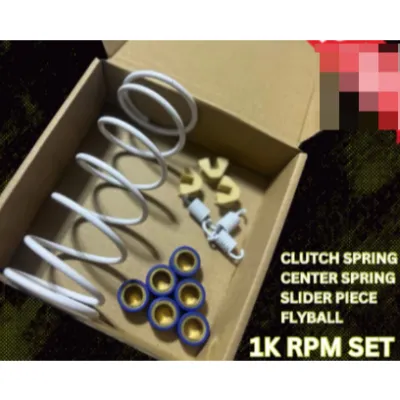
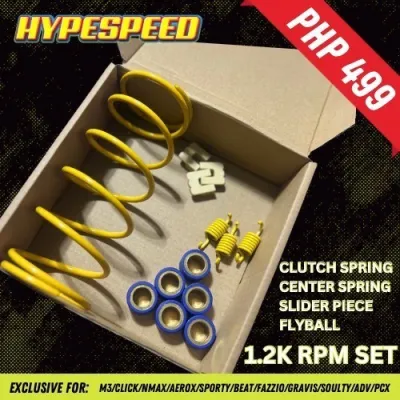
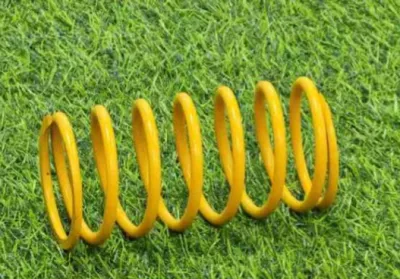
Prices are valid at publication and may change. Please refer to the product page for the latest price.
Because packaging definitions and included components can vary significantly between aftermarket manufacturers, you should never assume what is inside the box based on the “4-in-1” label alone. Always inspect the product packaging, verify the exact part numbers, and confirm that all four necessary components are explicitly listed on the manufacturer’s label before finalizing your purchase.
Key Specifications to Check Before Buying
When evaluating different clutch combos, the thickness tolerance of the friction plates is one of the most critical specifications to verify. High-quality kits maintain incredibly tight manufacturing tolerances, ensuring that every friction plate in the stack is identical in thickness. This consistency guarantees even pressure distribution across the entire clutch assembly, preventing localized hot spots and ensuring the clean, uniform separation required to eliminate dragging.

The flatness and surface treatment of the steel plates are equally vital for long-term reliability, especially under demanding riding conditions. Look for steel plates that have undergone precision grinding or specialized surface hardening treatments to resist warping under extreme thermal stress. In tropical environments where ambient temperatures are high and traffic congestion is common, standard steel plates can easily warp from the intense heat generated by constant clutch slipping, leading directly to a dragging clutch.
Clutch spring rate, or stiffness, represents a direct trade-off between positive clutch engagement and rider comfort. Stiffer springs provide higher clamping force, which prevents clutch slippage under heavy acceleration and ensures complete disengagement when the lever is pulled. However, excessively stiff springs will significantly increase the weight of your clutch lever pull, which can lead to rapid hand fatigue during long daily commutes.
Verifying Fitment and Compatibility for Your Motorcycle
Never rely solely on a generic product title or a broad category description when purchasing transmission components. You must cross-reference the original equipment manufacturer (OEM) part numbers and the aftermarket manufacturer’s official fitment chart against your motorcycle’s exact make, model, year, and engine displacement. Even minor mid-year production changes by motorcycle manufacturers can result in different plate counts, spline counts, or overall stack heights that will prevent a mismatching kit from functioning.
Before installing your new combo, it is essential to inspect the physical condition of your existing clutch basket. Over time, the tabs of the friction plates can wear deep grooves or notches into the aluminum fingers of the clutch basket. If these grooves are present, the new friction plates will get caught in the notches and fail to slide smoothly when you pull the lever, causing the clutch to drag regardless of how high-quality your new 4-in-1 kit is.
Additionally, you must verify whether your motorcycle utilizes a wet or dry clutch system. The vast majority of underbone motorcycles, scooters, and standard street bikes use wet clutches that operate fully submerged in engine oil, requiring friction materials specifically formulated to maintain grip while wet. Installing plates designed for a dry clutch into a wet system, or vice versa, will lead to rapid material disintegration, severe clutch slippage, and potential engine contamination.
Quality Indicators and Material Selection
The choice of friction material directly dictates how well your clutch handles heat and how long it will last before requiring replacement. Standard organic or cork-based friction materials offer smooth engagement and are highly affordable, making them suitable for gentle daily commuting. However, for riders who frequently carry heavy loads, navigate steep terrain, or operate in high-temperature urban environments, upgrading to advanced materials like Kevlar or carbon-fiber composites provides superior heat resistance and prevents the material swelling that causes dragging.
High-quality steel plates are often distinguished by specialized manufacturing processes, such as cryogenic tempering or double-disc grinding, which ensure absolute flatness and structural stability. These premium plates maintain their shape even when subjected to the intense friction of aggressive riding. Choosing a kit with these treated plates minimizes the risk of thermal warping, which is the leading cause of sudden clutch drag during extended rides.
Avoid cheap, unbranded clutch kits that do not specify the metallurgy or tension ratings of their clutch springs. Inferior springs often suffer from rapid tension loss after only a few hundred kilometers of use, leading to uneven pressure across the plate stack and a return of the very dragging issues you sought to fix. Opting to spend a few hundred ₱ more on a reputable brand that uses high-tensile silicon-chrome steel or equivalent spring alloys ensures consistent tension over thousands of operating cycles.
Installation Boundaries and When to Seek Professional Help
Replacing a motorcycle clutch is a precise mechanical task that directly impacts your vehicle’s safety and road legality. Before beginning any installation, you must thoroughly soak the new friction plates in clean, motorcycle-specific engine oil for the exact duration recommended by the manufacturer—typically between two and twenty-four hours. Installing dry friction plates will cause immediate, irreversible damage to the material upon the very first engine start, ruining the plates and potentially contaminating your entire lubrication system.
Once the new 4-in-1 combo is physically installed, you must properly adjust the clutch cable free play or bleed the hydraulic clutch system according to your motorcycle’s official service manual. Incorrect cable tension or air bubbles in a hydraulic line will prevent the pressure plate from lifting fully, resulting in persistent clutch dragging that can easily be mistaken for a defective kit. Always refer to the original vehicle manufacturer’s instructions for the correct clearance specifications.
Because transmission work carries a high risk of mechanical damage if performed incorrectly, you should stop and consult a qualified professional mechanic if you encounter any unexpected wear. If the clutch hub splines are heavily notched, if the clutch basket requires machining or replacement, or if you do not possess the specialized torque wrenches and holding tools required to secure the clutch center nut to specification, professional installation is highly recommended to ensure safe and reliable operation.
Frequently Asked Questions (FAQ)
Will a stiffer clutch spring make my lever too hard to pull?
Yes, installing stiffer clutch springs will naturally increase the effort required to pull your clutch lever. While the added stiffness is highly beneficial for preventing clutch slip and ensuring clean disengagement, it can make riding in heavy traffic tiring. If you find the lever pull too heavy after installing a high-performance kit, you can install an adjustable clutch lever to improve mechanical leverage, or consider upgrading to a hydraulic clutch conversion kit to reduce the physical effort required.
Can I mix and match parts from different 4-in-1 brands?
Mixing friction plates, steel plates, and springs from different manufacturers is highly discouraged. Clutch kits are engineered as complete systems where the total stack height, plate thicknesses, and spring tensions are precisely calibrated to work together. Combining mismatched parts can lead to uneven pressure distribution, incorrect stack height, and premature wear, which will likely cause severe clutch dragging or slippage.
Community discussion
Share your experience or ask a question. Comments are reviewed before publication.