
When driving on wet roads, a tire’s primary job is to maintain direct contact with the pavement by clearing away the water layer underneath it. Tire tread patterns achieve this through a combination of grooves, sipes, and channels designed to evacuate water from the contact patch. Without these engineered pathways, water builds up in front of the tire, eventually lifting the vehicle off the road surface—a dangerous phenomenon known as hydroplaning. Understanding how these tread features interact with water allows you to evaluate tire options more intelligently for wet-weather safety.
The Mechanics of Water Evacuation and Hydroplaning Resistance
To maintain grip on wet roads, a tire must physically push water out of its path. The tread pattern acts as a drainage system, routing water away from the center of the tire. If the volume of water on the road exceeds the drainage capacity of the tread, a thin wedge of water forms under the leading edge, leading to a loss of steering and braking control.
The efficiency of this drainage depends on the ratio of open space (void area) to solid rubber (contact area). A higher void area, characterized by wider and deeper channels, allows the tire to displace larger volumes of water quickly. However, tire design is a balancing act; increasing the void area reduces the rubber touching the road, which can decrease dry traction and accelerate tread wear.
Products mentioned in this guide
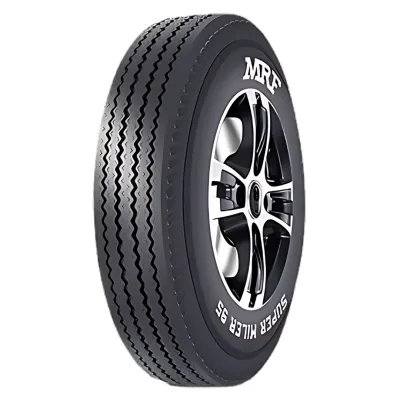
164 Lazada user ratings
Quality:Matibay💪 Appearance:good☺️ Performance:solid/great🙂 Matibay ..I'm confident to drive now for my family's safety. I will order again. …Read full reviewShow less
Quality:Matibay💪 Appearance:good☺️ Performance:solid/great🙂 Matibay ..I'm confident to drive now for my family's safety. I will order again. Thanks seller! 👍
🛠️Durability:very good 💰Price:less than local stores here 🦶Traction:goodExcellent performance on rough terrains, Provides a smooth and stable…Read full reviewShow less
🛠️Durability:very good 💰Price:less than local stores here 🦶Traction:goodExcellent performance on rough terrains, Provides a smooth and stable ride,
Great traction on wet surfaces, Durable and reliable tire, Made in India with superior craftsmanship, Provides a smooth and stable ride,
🛠️Durability: very good 💰Price: very cheap 🦶Traction: number 1 😂 solid manga idol dito na ako mag order lagi recomended
🛠️Durability:good makapal Ang tire Long-lasting and resistant to wear and tear,
35 Lazada user ratings
ok c seller bago tlga ung gulong manufactured about 7 weeks ago lang. 2nd purchase ko nato at mas mbilis courier Flash this time 3-days lang…Read full reviewShow less
ok c seller bago tlga ung gulong manufactured about 7 weeks ago lang. 2nd purchase ko nato at mas mbilis courier Flash this time 3-days lang ntanggap kona, kesa ung nauna inabot ng 6days pinick-up ko pa sa office nila j&t kc d raw mahanap ng rider address ko
🛠️Durability:Great value for money, Long-lasting and reliable performance, 💰Price:now I've always had a presence of mind while driving since …Read full reviewShow less
🛠️Durability:Great value for money, Long-lasting and reliable performance, 💰Price:now I've always had a presence of mind while driving since i knew my tire is brandnew ang i am using a durable product which i can rely on.
sa j&t delivery rider lang ako d masaya kc sabi nya d nya mahanap address ko kya pinick-up ko nlang sa opisina nila. ok c seller less than t…Read full reviewShow less
sa j&t delivery rider lang ako d masaya kc sabi nya d nya mahanap address ko kya pinick-up ko nlang sa opisina nila. ok c seller less than two months ago date of manufacture ng gulong na binigay as in bago tlga.
good quality tireGreat value for money,
Ideal for heavy-duty applications,
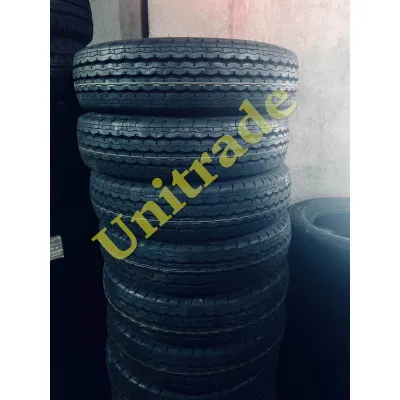
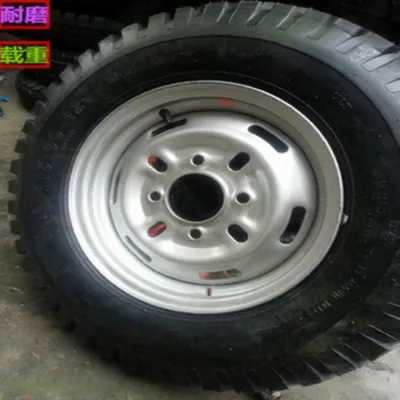
1 Lazada user ratings
The tire rims are really solid and high quality! The customer service is even better. Definitely worth buying for friends.
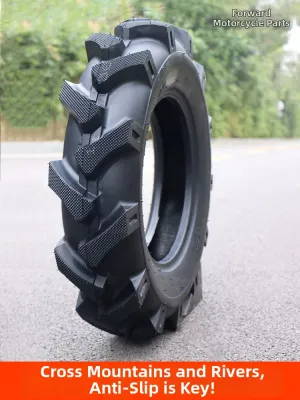
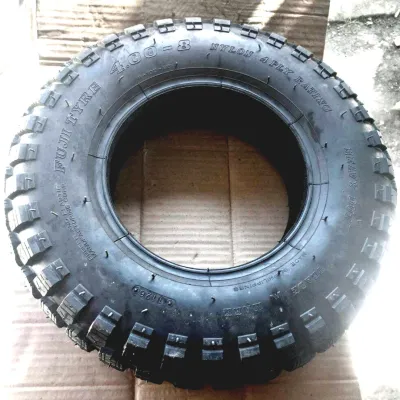
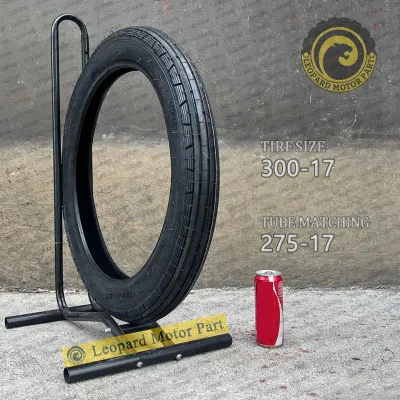
116 Lazada user ratings
ganda ng gulong at mukhang matibay isa sa mga recommended ko na gulong na pang tricycle salamat ng sobra seller at laking mura ng pagkakabil…Read full reviewShow less
ganda ng gulong at mukhang matibay isa sa mga recommended ko na gulong na pang tricycle salamat ng sobra seller at laking mura ng pagkakabili ko
It is as advertised and the same taiyo tire that I usually use only that I forgot to order interior tire. Well packed and fast delivery
salamat seller at sa lazada pati ma dn sa mabait na delivery rider sa uulitin mukang matibay naman sana mag tagal
🛠️Durability:good 💰Price:good Compatibility:ok 🔨Durability:good thank you at lazzada
Ano pong kasukat ng clutch cable natin?
Prices are valid at publication and may change. Please refer to the product page for the latest price.
When evaluating tires, look beyond the visual aggressiveness of the tread pattern. Instead, verify the standardized wet traction ratings and test results printed on the tire’s label or detailed in the manufacturer’s technical specifications. These standardized ratings provide a more reliable measure of real-world wet performance.
Key Tread Pattern Features That Define Wet Traction
A tire’s ability to handle wet pavement is determined by several distinct structural elements molded into the tread. These features—namely grooves, channels, and sipes—work in unison to manage different levels of water depth, from heavy pooling to microscopic moisture films. Each component plays a specialized role in maintaining road contact.

However, even the most advanced tread design cannot overcome the physical limitations of poor maintenance. The engineered effectiveness of these water-clearing features strictly depends on maintaining proper tire inflation and ensuring adequate remaining tread depth. Under-inflated tires can cause the tread to cup inward, reducing the efficiency of the drainage channels, while worn tread blocks simply lack the physical depth to route water away.
Circumferential Grooves and Water Channels
The most prominent features on any wet-weather tire are the deep, continuous grooves running around the circumference of the tread. These circumferential grooves act as primary pipelines, capturing bulk water from the front of the contact patch and channeling it rapidly toward the rear. By providing a clear path of least resistance, these grooves prevent water from building up under the center.
Complementing these longitudinal channels are lateral grooves, which curve outward toward the tire’s shoulders. These lateral channels break the surface tension of the water and direct the flow away from the center rib, expelling it out the sides. This lateral evacuation is critical during cornering, as it helps stabilize the tire’s shoulder blocks.
This water-clearing capability comes with an engineering trade-off. Wider grooves increase water capacity and raise the hydroplaning threshold speed, but they reduce the physical footprint of the rubber. On dry roads, this reduced contact area can slightly increase braking distances, which is why high-performance summer tires often feature narrower grooves than dedicated rain tires.
Sipe Density and Micro-Edge Grip
While large grooves handle bulk water evacuation, sipes manage thin films of moisture on damp surfaces. Sipes are microscopic slits cut into the solid tread blocks. As the tire rotates and contacts the road, these slits flex and open, creating a vacuum effect that sucks up the micro-film of water to expose dry pavement.
A higher density of sipes improves traction on damp roads by multiplying biting edges. However, excessive siping can compromise tread block structural integrity. Under heavy cornering or braking, highly siped blocks can flex excessively—a phenomenon known as tread block squirm. This squirm can cause heat buildup, accelerate wear, and reduce steering responsiveness.
To counter this trade-off, manufacturers develop advanced interlocking or three-dimensional (3D) sipe designs. These sipes feature internal wave-like structures that lock together under heavy cornering or braking to maintain tread block rigidity. When comparing tire options, check the manufacturer’s specification sheets for these interlocking sipe technologies to ensure a balance of wet flexibility and dry stability.
Matching Tread Specifications to Your Wet Weather Driving
Selecting the right tire requires matching the tread design to your typical driving environment. If you frequently drive in regions prone to heavy downpours, standing water, or poorly drained highways, prioritize tires with deep, wide circumferential grooves and prominent lateral channels. These features are optimized for bulk water evacuation and offer the highest protection against sudden hydroplaning.
For drivers in areas with frequent light rain, morning dew, or consistently damp roads without deep pooling, focus on tires with high sipe density and advanced silica-based rubber compounds. Silica enhances the rubber’s flexibility and improves chemical grip on wet surfaces, working hand-in-hand with the sipes to wipe away thin water films.
Before purchasing, always verify your vehicle’s specific model year, required dimensions, and load ratings in your owner’s manual or vehicle documentation to ensure compatibility and road legality. Because tires are critical safety systems, consult your vehicle’s original documentation for correct specifications, and have new tires mounted and balanced by a qualified professional to ensure proper installation.
Remember that the visual tread pattern is only one variable. For a reliable assessment of a tire’s capabilities, consult the Uniform Tire Quality Grading (UTQG) traction rating molded into the tire sidewall, which grades wet braking performance from AA (highest) to C. Verify these ratings and specific wet braking certifications on the product label for your final selection.
Monitoring Tread Depth and Wear Indicators for Sustained Wet Grip
Even the most advanced wet-weather tire will lose its effectiveness as the tread wears down. As the physical depth of the tread decreases, the volume of the circumferential grooves and lateral channels shrinks proportionally. This reduction in channel volume severely limits the tire’s water evacuation capacity, meaning the tire will hydroplane at much lower speeds than it did when new.
To help drivers monitor this safety-critical wear, manufacturers build Tread Wear Indicators (TWI) directly into the base of the main tire grooves. These indicators appear as small, raised rubber bars running across the grooves. When the surrounding tread wears down to the level of these bars, the tire has reached its wear limit and must be replaced immediately.
It is crucial to note that a tire’s wet performance degrades significantly long before it reaches the absolute minimum legal tread depth limit. While a worn tire may still provide acceptable grip on dry pavement, its ability to handle wet roads is dangerously compromised well before the wear bars are flush. For drivers in rainy climates, replacing tires earlier—before they reach the absolute wear limit—is a vital safety measure to maintain adequate wet grip.

Community discussion
Share your experience or ask a question. Comments are reviewed before publication.