
The Tylex V2L cordless drill/driver is a practical entry-level tool designed primarily for light-to-medium DIY projects, assembly tasks, and basic automotive maintenance. If your garage work involves installing interior accessories, drilling pilot holes in plastic trim, or fastening lightweight brackets, this tool offers the right balance of utility and convenience. However, it is not designed to replace heavy-duty professional pneumatic or high-torque impact tools. Understanding its technical limits ensures you can work safely without damaging your vehicle or the tool itself.
Voltage and Battery Capacity: Translating Power into Runtime
When evaluating cordless power tools, voltage serves as the primary indicator of potential power output. For the Tylex V2L, you should verify the exact voltage rating printed on the manufacturer’s label, which typically places it in the light-to-medium duty category. In practical terms, this voltage level provides sufficient power to drive screws into softwoods, plastics, and thin sheet metal commonly found in automotive cabins. Attempting to drill through thick steel plates or structural frame members with a lower-voltage tool can stall the motor and cause overheating, especially in warm, humid workshop conditions.
Battery capacity, measured in Amp-hours (Ah), directly dictates how long you can work before heading to the charger. A higher Ah rating means more fuel in the tank, allowing you to complete extensive tasks like removing dozens of interior door panel screws or mounting multiple accessories without interruption. In tropical climates, high humidity and ambient temperatures can accelerate battery drain and heat buildup. It is wise to monitor the battery temperature during continuous use and allow the tool to cool down if the handle feels excessively warm. Additionally, check if the battery platform is cross-compatible with other tools in the manufacturer’s lineup, which can save you money on future bare-tool purchases.
Products mentioned in this guide
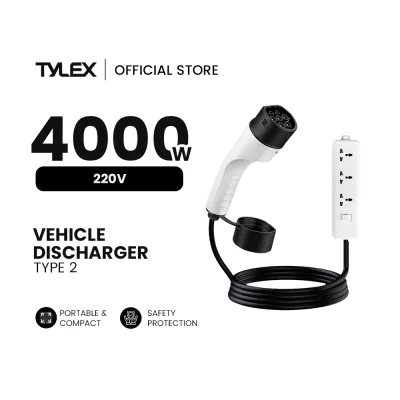
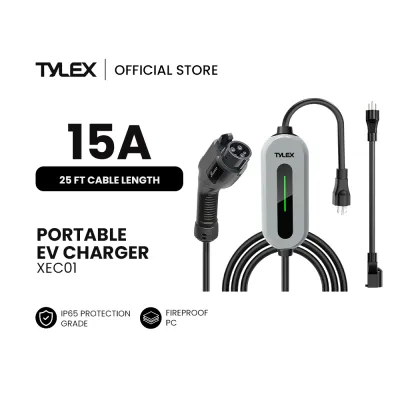
Prices are valid at publication and may change. Please refer to the product page for the latest price.
Torque and Speed Settings: Matching the Tool to the Task
Torque and speed are the two mechanical forces you must balance when operating any drill/driver. Torque, measured in Newton-meters (Nm), represents the twisting power of the tool, which is essential for driving large screws or stubborn fasteners. Speed, measured in revolutions per minute (RPM), determines how fast the chuck spins, which is critical for clean, efficient drilling. The Tylex V2L features adjustable settings that allow you to select high torque at low speeds for fastening tasks, or high speeds at lower torque for drilling holes.

Using the mechanical clutch collar is vital to prevent stripping threads or damaging delicate materials. When working on plastic automotive dashboards or interior trim, set the clutch to a low number so the tool slips before overtightening and cracking the plastic. For drilling metal brackets, switch the tool to drill mode to bypass the clutch and maximize rotational speed.
Always observe strict safety boundaries when working on a vehicle. Never rely on the torque output of a budget cordless drill for critical safety components such as brake caliper bolts, suspension arms, steering linkages, or wheel fasteners. These components require precise torque specifications set by the vehicle manufacturer. Always use a calibrated manual torque wrench for the final tightening of any load-bearing or safety-critical automotive fastener to prevent catastrophic component failure on the road.
Chuck Size and Ergonomics: Bit Compatibility and Handling
The chuck size of the Tylex V2L determines the maximum shank diameter of the drill bits and driver accessories you can use. Typically, tools in this class feature a 10mm (3/8-inch) keyless chuck. This size is highly versatile for general garage work, accommodating standard twist drills, spade bits, and screwdriver bit adapters. A keyless design allows you to swap bits rapidly without searching for a misplaced chuck key, saving valuable time during multi-step projects.
Physical handling and ergonomics play a significant role in how comfortable the tool is during extended garage sessions. Working under a dashboard or deep inside a cramped engine bay requires a tool that is lightweight and well-balanced. A heavy or poorly balanced drill can quickly cause wrist fatigue, leading to slipped bits and scratched surfaces. Look for rubberized grips that provide a secure hold even when your hands are sweaty or slightly oily from working on mechanical parts.
Prioritizing Specs: What Actually Matters for Your DIY Needs
Navigating the sea of technical specifications can be challenging, but focusing on what aligns with your actual usage will simplify your decision. For the occasional home mechanic or weekend DIY enthusiast in the Philippines, prioritizing battery reliability, comfortable ergonomics, and a sensitive clutch system is far more practical than chasing extreme peak torque numbers. A tool that fits comfortably in your hand and holds its charge during storage is much more valuable for basic maintenance than an expensive, heavy-duty tool designed for daily construction site use.
If your budget is around ₱1,500 to ₱3,000, looking for a reliable brushed motor with good thermal protection is a smart approach. Professional-grade features like brushless motor efficiency or rapid-charge stations are excellent but often come at a premium price that may not be justified for occasional garage projects. Focus on verifying the tool’s warranty terms and the availability of replacement batteries locally to ensure your investment remains useful over the long term.
Frequently Asked Questions (FAQ)
Can the Tylex V2L remove standard car lug nuts?
No, the Tylex V2L is a standard drill/driver and does not possess the mechanical mechanism required to break loose car lug nuts. Removing wheel fasteners requires an impact wrench, which uses a specialized anvil and hammer mechanism to deliver thousands of high-torque rotational blows per minute. Attempting to use a standard drill for this task will likely strip the gears, burn out the motor, or cause personal injury. Always use a manual breaker bar or a dedicated, high-torque impact wrench for wheel maintenance.
Does a higher battery capacity increase drilling speed?
A higher battery capacity (Ah) does not increase the maximum rotational speed (RPM) of the drill, as speed is primarily determined by the motor design and voltage. However, a higher-capacity battery can sustain peak performance for longer periods. Under heavy drilling loads, smaller batteries can experience voltage sag, causing the motor to slow down or stall. A larger battery pack maintains a more stable voltage output, allowing the tool to drill more consistently under load.
Community discussion
Share your experience or ask a question. Comments are reviewed before publication.