
Choosing the right stickers for your motorcycle depends on whether you want to customize your bike’s appearance, protect its paint from physical damage, or improve your visibility on dark roads. If your main goal is personalization, decorative decals offer endless design options. If you want to shield your fairings from stone chips and scratches, clear paint protection film (PPF) is the ideal choice. For riders who commute at night or travel long distances in low-light conditions, reflective safety stickers are essential. Many riders find that a strategic combination of these three types provides the ultimate balance of style, defense, and road safety.
How to Choose the Right Motorcycle Sticker for Your Needs
To select the most suitable stickers for motorcycle upgrades, you must first define your primary riding objectives. Daily commuting in congested urban areas presents different challenges than weekend touring on gravel-strewn provincial roads. Your motorcycle’s current cosmetic state and your long-term ownership goals should also guide your decision.
Before purchasing any decal kit or protective wrap, always verify your specific motorcycle model, year, and fairing dimensions against the product documentation. Never infer compatibility from generic category terms, as mounting positions and bodywork shapes vary significantly between model years.
Products mentioned in this guide
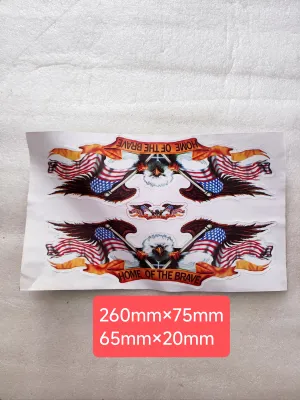

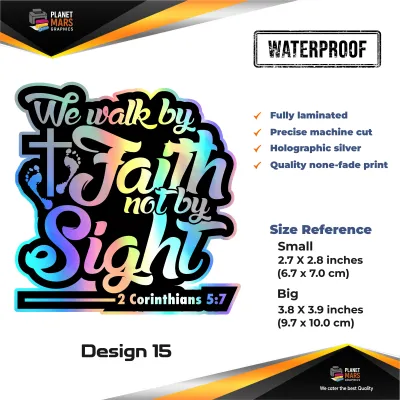

Prices are valid at publication and may change. Please refer to the product page for the latest price.
If you ride a brand-new motorcycle and want to preserve its resale value, your priority should be physical protection. Clear protective films shield pristine factory paint from road debris and daily wear. Conversely, if you ride an older motorcycle with minor scratches or faded fairings, decorative decals can mask these imperfections while giving your bike a fresh, customized look.
Your typical riding schedule and environment are equally critical factors. Night riders, delivery couriers, and highway tourers should prioritize reflective stickers to ensure they remain visible to other motorists. While hybrid stickers that combine decorative designs with reflective elements exist, you must understand that each category uses distinct materials and adhesive properties that dictate how they perform over time.
Decorative Stickers for Motorcycle Customization: Style and Personalization
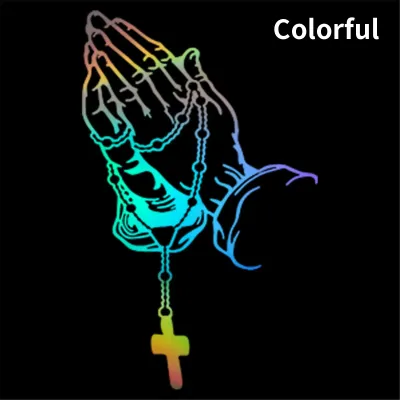
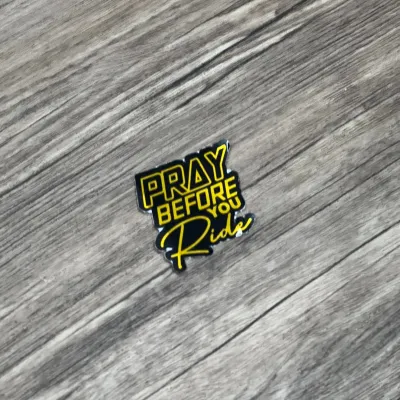
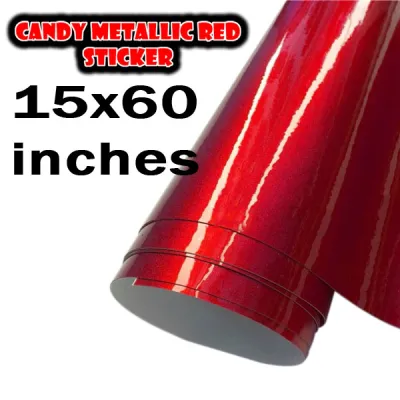
Decorative stickers are the most popular choice for riders looking to express their personal style, replicate racing liveries, or add custom branding to their machines. These decals come in a vast array of designs, colors, and finishes, including matte, gloss, metallic, and carbon fiber textures.

When shopping for decorative stickers, the choice of vinyl material is paramount. High-quality decals typically use cast vinyl, which starts as a liquid and is cast into thin sheets. Cast vinyl is highly conformable, meaning it can stretch and shrink to fit the complex curves, sharp angles, and deep recesses of modern motorcycle fairings without lifting. In contrast, calendered vinyl is thicker and made by rolling heated plastic. Because calendered vinyl has a “memory” of its flat state, it tends to shrink and lift at the edges when applied to curved surfaces, making it less suitable for long-term motorcycle use.
In the tropical climate of the Philippines, decorative decals face severe environmental stress. Intense UV exposure from the sun and heavy rains during the monsoon season can quickly cause cheap, low-grade stickers to fade, crack, or peel. When selecting decals, always check the product specifications for UV-stabilized inks and waterproof adhesive ratings. High-grade cast vinyl decals often feature a clear laminate overlay that protects the printed design from both sun damage and mild chemical exposure during washing.
While decorative stickers are excellent for visual customization, they offer virtually no protection against physical impacts. They are thin and easily punctured by flying gravel or road debris. Furthermore, before applying any decorative decal, you must verify that the adhesive is explicitly rated as safe for automotive clear coats. Using stickers with aggressive industrial adhesives can chemically bond with your paint, leading to costly clear coat damage when you eventually decide to remove or replace them.
Protective Stickers and Paint Protection Film (PPF)
If your goal is to maintain your motorcycle’s showroom finish, protective stickers and paint protection films (PPF) are the industry standard. Unlike decorative decals, these products are engineered specifically to absorb physical impacts, resist abrasions, and shield your paint from environmental contaminants.
Clear PPF is typically made from polyurethane (TPU) or high-grade polyvinyl chloride (PVC). Polyurethane is the superior material for motorcycle applications because of its exceptional elasticity and optical clarity. High-quality TPU films feature self-healing properties, where minor scratches and swirl marks disappear when exposed to heat from the sun or warm water. PVC-based protective films are generally thicker and less expensive, but they lack self-healing capabilities and are more prone to yellowing and cracking under prolonged exposure to intense tropical sunlight.
Beyond full-body clear wraps, specialized protective stickers target high-wear contact areas on the motorcycle. Fuel tank pads protect the rear of the tank from scratches caused by jacket zippers, belt buckles, and riding gear. Knee grip pads applied to the sides of the tank provide physical protection while offering the rider better leg traction during cornering. Additionally, clear protective strips can be applied to front forks, fenders, and side fairings to guard against stone chips kicked up by leading vehicles.
When purchasing protective films, you must verify key technical specifications such as material thickness, UV stability, and adhesive type. Standard motorcycle PPF ranges from 6 to 8 mils (150 to 200 microns) in thickness, providing a robust physical barrier without altering the bike’s design lines. Always check the manufacturer’s documentation to ensure the film features non-yellowing UV inhibitors, which prevent the clear film from turning unsightly brown or yellow over time.
Applying protective films, especially on complex fairing curves, requires patience and precision. PPF is typically applied using a wet installation method, utilizing a slip solution of water and mild soap to position the film before squeegeeing out the liquid. Because trapping dirt, dust, or moisture beneath the film can ruin the adhesive and cause bubbling, professional installation is highly recommended for full fairing wraps. This is particularly true in humid environments where airborne dust can quickly contaminate the adhesive surface during installation.
Reflective Stickers for Night Visibility and Safety
For riders who frequently travel after sunset or navigate poorly lit provincial highways, reflective stickers are a critical safety upgrade. These stickers do not emit light on their own; instead, they utilize retroreflective technology to bounce light directly back to its source, such as the headlights of an oncoming or trailing vehicle. This dramatic increase in night visibility gives other drivers more time to react, significantly reducing the risk of collisions.
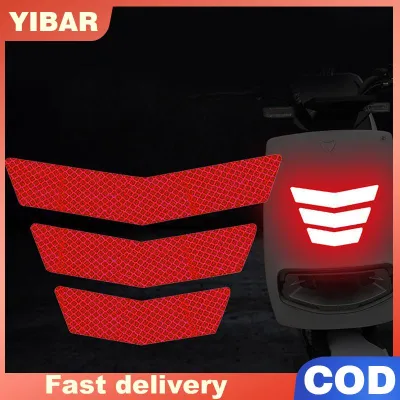
Reflective stickers are available in several convenient formats. Pre-cut rim tapes are designed to fit the outer edges of your wheels, creating a striking, continuous circle of light when the wheels are spinning at night. Reflective tape rolls allow you to cut custom shapes and strips to line the contours of your frame or fairings. Additionally, many manufacturers produce decorative graphic kits printed on reflective vinyl bases, allowing you to combine aesthetic customization with safety.
To achieve maximum safety benefits, you should implement a 360-degree placement strategy. Apply white or yellow reflective stickers to the front of the motorcycle, such as the front forks or fender, to alert oncoming traffic. Use yellow or orange reflective elements on the sides of the bike, including the wheels and side fairings. Red reflective stickers should be reserved exclusively for the rear tail section or mudguard to signal your riding direction to trailing drivers. You can also apply reflective decals to your helmet or riding jacket to elevate your visual profile even further.
When applying reflective rim tape, you must exercise caution to avoid compromising your bike’s safety systems. Ensure the adhesive tape does not contact or contaminate braking surfaces, such as disc rotors or drum brake assemblies. If your installation requires removing wheels or brake components, always consult your original-vehicle manufacturer instructions and seek qualified professional installation to ensure road legality and safety.
When shopping for reflective stickers, always check the product labels for official retroreflective standards or brightness certifications. Cheap, uncertified reflective stickers often use simple metallic pigments that look shiny in daylight but fail to reflect light effectively at night. High-quality safety stickers use microprismatic or glass-bead technology to ensure high reflectivity even at wide angles. Before purchasing, verify that the stickers are designed to withstand harsh outdoor conditions, including heavy rain and high road temperatures.
Comparing Decorative, Protective, and Reflective Options
Choosing the right motorcycle sticker requires weighing the trade-offs of each type against your specific riding needs. While some products attempt to bridge the gap between categories, most stickers are optimized for one primary function.
| Sticker Type | Primary Purpose | Best For (Rider Profile) | Key Material Feature | Main Limitation |
|---|---|---|---|---|
| Decorative | Visual customization and styling | Style-conscious riders, show bikes | Highly conformable cast vinyl | No physical or impact protection |
| Protective | Finish preservation and scratch defense | New bike owners, off-road riders | Self-healing polyurethane (TPU) | High cost, complex installation |
| Reflective | Night safety and low-light visibility | Daily commuters, night tourers | Retroreflective microprisms | Limited design and color variety |
If you find yourself torn between these options, hybrid stickers offer a practical compromise. Many manufacturers now produce decorative decals that are printed directly onto retroreflective vinyl bases. This allows you to enjoy custom graphics and vibrant colors during the day, which then transform into bright, highly visible safety markers under headlight beams at night. Alternatively, you can apply clear PPF over your decorative decals to protect your custom graphics from wear and tear, though you must ensure the underlying decals are fully cured and compatible with the PPF adhesive before application.
Safe Application and Maintenance for Motorcycle Decals
Proper application and ongoing maintenance are essential to ensure your motorcycle stickers look professional and last for years. Even the highest-quality vinyl will peel or bubble if the installation surface is poorly prepared or if the stickers are subjected to harsh cleaning methods.
To prepare your motorcycle’s surface, start by washing the target area thoroughly with a mild, pH-neutral motorcycle soap to remove surface dirt and road grime. Once dry, degrease the area using isopropyl alcohol diluted to 50% to 70% with distilled water, or use a dedicated wax-and-grease remover. This step is critical because any remaining wax, polish, ceramic coatings, or paint sealants will prevent the sticker’s adhesive from bonding properly, leading to immediate edge lifting. Ensure the surface is completely dry and free of lint before proceeding.
Always apply your stickers in a shaded, dust-free environment with minimal wind. Avoid applying decals in direct, hot tropical sunlight, as high surface temperatures can cause the adhesive to set instantly on contact. This prevents you from repositioning the sticker and increases the likelihood of trapping air bubbles beneath the vinyl. If bubbles do occur during dry application, use a squeegee wrapped in a soft microfiber cloth to gently push the air toward the nearest edge, or use a fine pin to puncture the bubble and release the air.
When washing your motorcycle, take extra care to protect the edges of your decals and protective films. Avoid pointing high-pressure washer nozzles directly at the edges of the stickers, as the intense water pressure can easily lift the adhesive and peel the vinyl away from the fairing. Instead, hand wash these areas gently using a soft wash mitt and mild soap. Never use aggressive solvents, abrasive cleaning pads, or harsh chemicals unless they are explicitly authorized by the sticker manufacturer, as these can degrade the vinyl and dull its finish.
When preparing the surface or removing residue, describe and use cleaners, fluids, and care products only for their label-authorized uses. A generic material name like “solvent” or “alcohol” does not prove safety for your specific paint, leather, plastics, sensors, or seals. Always read the product label and test a small, hidden area first.
If you need to remove old or damaged stickers, do so carefully to avoid harming your bike’s finish. Apply gentle heat using a hairdryer on a low setting to soften the adhesive; never use a high-temperature industrial heat gun, which can warp plastic fairings or damage the paint. Slowly peel the sticker back at a 45-degree angle. If adhesive residue remains, apply a mild, paint-safe adhesive remover, testing it first on a hidden area of the motorcycle to ensure it does not react with the plastic or clear coat. Always refer to your motorcycle’s owner’s manual for specific care instructions regarding matte finishes or sensitive plastics.
Frequently Asked Questions (FAQ)
Can I apply motorcycle stickers over matte paint or wrapped surfaces?
Applying stickers over matte paint requires extreme caution. Glossy adhesives can chemically alter the unique texture of matte clear coats, leaving permanent glossy spots or residue when removed. Furthermore, applying stickers over an existing vinyl wrap carries a high risk of tearing or lifting the underlying wrap during installation or subsequent removal. Always verify adhesive compatibility with your specific surface type, and consult a professional wrap installer if you are unsure.
Will removing old stickers damage my motorcycle's clear coat?
Factory-applied clear coats are highly durable and generally safe from damage when stickers are removed correctly using gentle heat and paint-safe adhesive removes. However, the risk of damage increases significantly on aftermarket repaints, faded paint, or single-stage finishes that lack a protective clear coat. To minimize risk, always test a small, inconspicuous corner first, peel slowly, and avoid scraping the paint with metal blades or abrasive tools.
Are reflective rim tapes legal for street use in the Philippines?
Reflective rim tapes are widely accepted as a safety-enhancing modification that improves side visibility on dark roads. However, you should always check the current Land Transportation Office (LTO) regulations and guidelines regarding vehicle modifications and lighting. Because local ordinances and national enforcement standards can update, verifying compliance with official LTO documentation or visiting an authorized inspection center is the safest approach before modifying your wheels or lighting profiles.
Community discussion
Share your experience or ask a question. Comments are reviewed before publication.