
Choosing the right viscosity grade for your diesel engine is essential to maintain optimal performance, fuel efficiency, and long-term durability. When selecting a Delo Gold engine oil, the decision is not about finding a single universal option, but rather matching the specific requirements of your vehicle’s engine with the correct viscosity grade. Your primary guide in this process must always be your vehicle owner’s manual, which outlines the exact specifications designated by the manufacturer for your engine type and operating environment.
Understanding Viscosity Grades and Your Engine's Requirements
Viscosity grades are represented by a numerical code established by the Society of Automotive Engineers (SAE), such as 15W-40 or 10W-30. The first number, followed by the letter “W” (which stands for winter), indicates the oil’s flow characteristics at low temperatures. A lower number before the “W” means the oil remains more fluid in cold conditions, allowing it to circulate quickly through the engine during a cold start to minimize initial wear.
The second number in the sequence represents the oil’s viscosity at operating temperature, typically measured at 100 degrees Celsius. A higher second number indicates a thicker oil film at high temperatures, which provides robust protection under heavy thermal loads. For instance, an SAE 40 oil maintains a thicker protective barrier than an SAE 30 oil when the engine reaches its full operating temperature.
Products mentioned in this guide
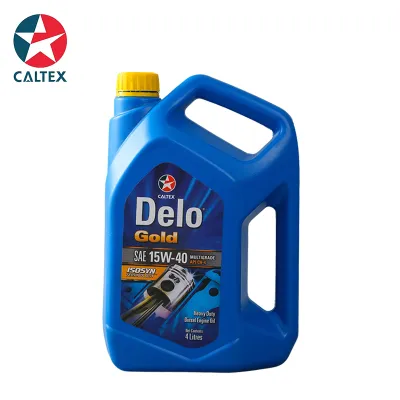
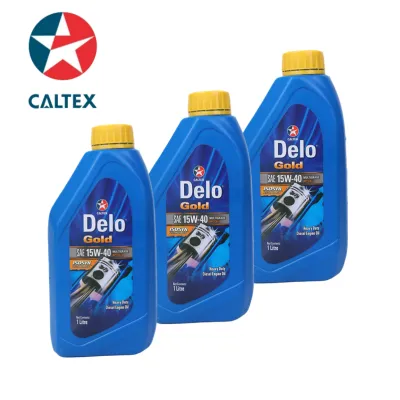
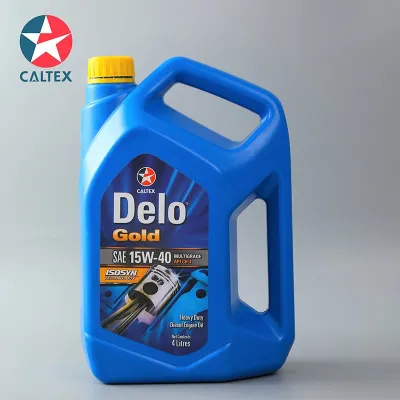
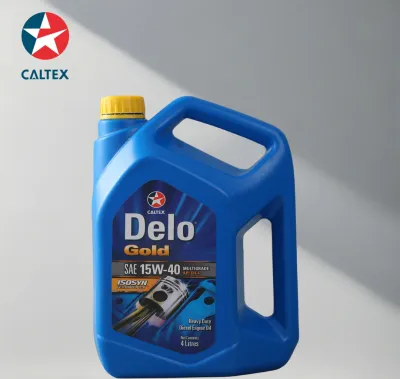
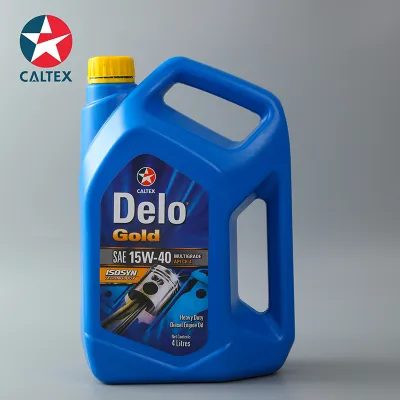
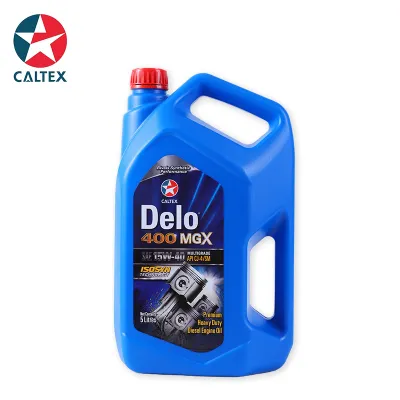
Prices are valid at publication and may change. Please refer to the product page for the latest price.
To determine which grade is appropriate, you must consult your vehicle owner’s manual. Original equipment manufacturers (OEMs) design engines with specific clearances between moving parts, and these clearances require a precise oil thickness to lubricate effectively. Using an oil with a viscosity grade outside the manufacturer’s recommended range can restrict oil flow, increase internal friction, and potentially void your vehicle’s warranty.
Matching Delo Gold Grades to Operating Conditions
In tropical climates characterized by high ambient temperatures and high humidity, cold-start conditions are vastly different from those in colder regions. Even so, the cold-start rating remains relevant because the engine still experiences a period of warming up from ambient temperature to its optimal operating state. A 15W-40 grade is a common choice for heavy-duty diesel engines operating in warm climates, as it offers excellent high-temperature stability and film strength.

For modern diesel engines or those operating in lighter-duty cycles, a 10W-30 grade might be recommended by the manufacturer to improve fuel economy. The thinner oil reduces viscous drag within the engine, allowing components to move with less resistance. However, if your daily driving involves heavy loads, towing, or navigating prolonged stop-and-go traffic in urban areas, a higher high-temperature rating like 40 is often preferred to prevent the oil film from thinning excessively under stress.
Beyond viscosity, you must verify that the specific Delo Gold product matches your engine’s emission control systems. Modern diesel engines equipped with Exhaust Gas Recirculation (EGR), Diesel Particulate Filters (DPF), or Selective Catalytic Reduction (SCR) systems require oils with specific chemical formulations to prevent premature clogging or damage to these sensitive components. Always check the product data sheet or the back label of the container to ensure compatibility with your vehicle’s emission standards.
Verifying Specifications and Avoiding Common Mistakes
Before purchasing any engine oil, it is critical to cross-reference the API (American Petroleum Institute) service category printed on the Delo Gold container with the requirements listed in your owner’s manual. Diesel engine oils are designated by categories starting with “C” (such as CI-4 or CK-4). A newer category generally covers the requirements of older categories, but you must ensure the oil meets or exceeds the minimum standard specified for your specific engine model and year.
A common mistake among vehicle owners is switching to a thicker viscosity grade, such as moving from a 10W-30 to a 15W-40, in an attempt to stop minor oil consumption or quieten a noisy engine. While a thicker oil might temporarily reduce oil consumption past worn seals, it can also reduce oil flow to critical upper-engine components during startup. Mechanical issues should always be diagnosed and repaired by a qualified professional rather than masked with a heavier oil grade.
To ensure engine safety and product performance, always inspect the packaging before purchase. Look for sealed, authentic containers from authorized retailers to avoid counterfeit products that do not meet safety standards. Read the product label carefully for any specific application limits, and follow the vehicle manufacturer’s instructions for oil change intervals and disposal procedures.
Frequently Asked Questions (FAQ)
Can I switch between viscosity grades if my manual approves multiple options?
Yes, you can switch between viscosity grades if your vehicle owner’s manual explicitly lists multiple approved options for your typical ambient temperature range. When making a transition, it is highly recommended to perform a complete oil and filter change rather than mixing different viscosity grades in the engine oil pan. Mixing different grades can alter the intended viscosity and additive balance, potentially reducing the oil’s overall protective capabilities.
Does a higher viscosity grade provide better protection for older diesel engines?
Not necessarily. While there is a common belief that older or high-mileage engines require thicker oil to compensate for internal wear, using a viscosity grade higher than what the manufacturer recommends can do more harm than good. Thicker oil moves more slowly through the engine, which can increase operating temperatures and reduce lubrication efficiency at critical startup moments. If your older engine is experiencing low oil pressure or high oil consumption, consult a qualified mechanic to address the underlying mechanical wear instead of relying on a heavier oil grade.
Community discussion
Share your experience or ask a question. Comments are reviewed before publication.