
Selecting the right lubricant for your diesel engine involves balancing operating conditions, manufacturer specifications, and maintenance budgets. When comparing delo gold 15w40 diesel oil against industry stalwarts like Shell Rimula and Castrol CRB, there is no single, universally superior option. Instead, the optimal choice depends on your vehicle’s specific engine design, emission control systems, and typical driving patterns.
Before purchasing any engine fluid, always check your vehicle’s owner’s manual and the product label for compatibility. If the instructions conflict, or if your vehicle has aftermarket modifications, consult the manufacturer or a certified automotive professional before proceeding.
Quick Answer: Which 15W-40 Diesel Oil Fits Your Engine?
Choosing the correct 15W-40 diesel oil requires a clear understanding of your vehicle’s mechanical needs and operational environment. While all three brands offer robust protection within the 15W-40 viscosity grade, they target slightly different engine priorities and operational profiles.
Products mentioned in this guide
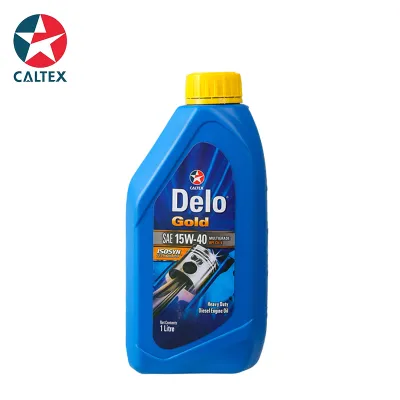
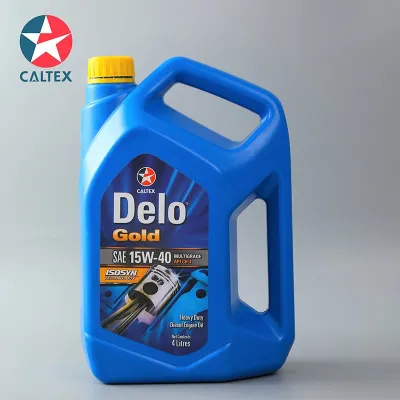
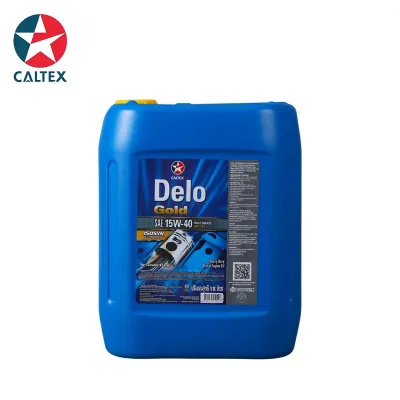
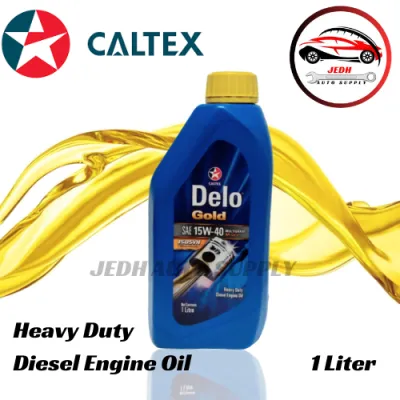
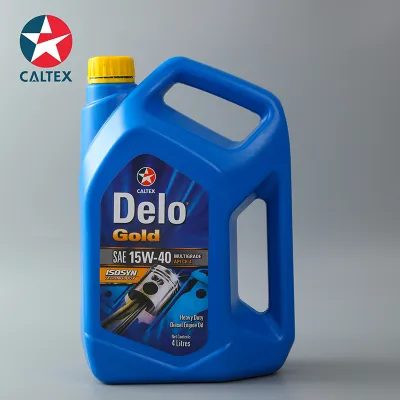
Prices are valid at publication and may change. Please refer to the product page for the latest price.
- Choose Delo Gold if your vehicle or fleet prioritizes heavy-duty soot control and operates under high-temperature, high-load conditions. This formulation is highly regarded for maintaining film strength and preventing wear in demanding commercial environments, such as long-haul transport or construction.
- Choose Shell Rimula if you operate a mixed commercial fleet and require versatile, adaptive protection across varying operating temperatures. It is engineered to handle diverse load conditions, making it a reliable choice for operators managing different generations of diesel engines.
- Choose Castrol CRB if your primary concern is engine cleanliness, sludge prevention, and soot dispersion in stop-and-go urban traffic or older, high-mileage engines. Its formulation focuses on keeping internal components free from deposits that can choke performance.
Ultimately, marketing claims should remain secondary to technical specifications. Your final decision must strictly align with the API (American Petroleum Institute) and ACEA (Association des Constructeurs Européens d’Automobiles) ratings mandated by your vehicle’s manufacturer. Using an oil with the incorrect service category can compromise engine protection and potentially void your warranty.
Brand Focus: Delo Gold 15W-40 Diesel Oil and Competitors
Each lubricant manufacturer approaches engine protection with a distinct formulation philosophy, utilizing proprietary additive packages designed to address specific mechanical stressors.

Delo Gold 15W-40
Delo, a brand under the Chevron/Caltex umbrella, has established a long-standing reputation in the heavy-duty commercial sector. The engineering focus of Delo Gold 15W-40 centers on providing robust wear protection and soot handling under extreme thermal stress. This oil is formulated with specialized additive technologies, such as ISOSYN, which combines premium base oils with high-performance additives to provide protection comparable to some synthetic formulations.
When evaluating Delo Gold, always inspect the product label to verify the specific additive technology claims and the current API service category printed on the packaging. This ensures you are purchasing the correct sub-variant (such as Delo Gold Ultra or Delo Gold Multigrade) that matches your engine’s requirements. These formulations are designed to resist oxidation and maintain viscosity stability, making them a common sight in heavy commercial operations across the Philippines.
Shell Rimula 15W-40
Shell Rimula is positioned as an adaptive lubricant designed to provide “energized protection” across mixed fleets and varying operating environments. Shell’s formulation philosophy emphasizes dynamic protection, meaning the oil is engineered to adapt physically and chemically to the changing pressures and temperatures inside the engine. This adaptability is particularly beneficial for operators who run vehicles under a mix of highway cruising and heavy-load conditions.
To ensure compatibility, you must verify the specific Shell Rimula sub-variant, such as the Rimula R4 series (e.g., R4 X or R4 L). Cross-reference the corresponding ACEA and API specifications printed on the back of the bottle with your vehicle’s manual. The Rimula lineup is engineered to control acids, deposits, and wear, offering a balanced approach for mixed-fleet operators who want to streamline their lubricant inventory.
Castrol CRB 15W-40
Castrol CRB focuses heavily on engine longevity through cleanliness and sludge prevention. In diesel engines, soot and combustion byproducts can easily combine to form thick, black sludge that restricts oil flow and accelerates component wear. Castrol addresses this issue by formulating its CRB line with active cleaning agents, such as Durashield or Duratec technology, which work to disperse soot particles and prevent them from agglomerating into harmful deposits.
When selecting Castrol CRB 15W-40, check the product label for specific cleaning and anti-wear additive claims. It is critical to confirm the exact API service category on the container to ensure it meets modern diesel requirements, especially if you are servicing newer engines with tighter tolerances. This oil is highly favored by operators of older engines or vehicles that experience frequent idling and short-trip cycles, where soot buildup is typically more pronounced.
Critical Comparison Dimensions to Check on the Label
To make an objective comparison between these three lubricants, you must look past the front-label marketing and examine the technical specifications, certifications, and physical properties detailed on the back label or the product’s Technical Data Sheet (TDS).
API and ACEA Service Categories
The American Petroleum Institute (API) and the Association des Constructeurs Européens d’Automobiles (ACEA) define the baseline performance standards for engine oils. For diesel engines, API categories begin with the letter “C” (e.g., CH-4, CI-4, CJ-4, CK-4). Newer categories, such as API CK-4, introduce stricter standards for oxidation resistance, shear stability, and soot-induced wear control compared to older standards like API CI-4.
Always match the oil’s label ratings against the minimum requirements specified in your vehicle’s owner’s manual. While newer API categories are generally backward compatible and offer enhanced protection, older engines may not require the advanced additive packages of a CK-4 oil. Conversely, using an older API category (like CH-4) in a modern engine requiring CK-4 can lead to rapid oil degradation and engine damage. Similarly, ACEA “E” categories (such as E7 or E9) define performance levels for heavy-duty European diesel engines, focusing on piston cleanliness and wear control.
OEM Approvals and Certifications
Original Equipment Manufacturer (OEM) approvals are highly specific certifications granted by engine builders after rigorous testing. These approvals, such as Mercedes-Benz MB-Approval 228.3, Volvo VDS-3, Cummins CES 20078, or MAN M 3275-1, carry significantly stricter performance thresholds than baseline API or ACEA standards.
When comparing Delo Gold, Shell Rimula, and Castrol CRB, look for explicit OEM approval codes on the product packaging or technical data sheet. Be careful to distinguish between a label that states the oil “meets the requirements of” a specification and one that lists a formal “OEM approval.” A formal approval indicates that the lubricant has been officially tested and certified by the manufacturer, which is critical for maintaining vehicle warranties and ensuring long-term component compatibility.
Viscosity Stability and Shear Resistance
Multi-grade oils like 15W-40 rely on polymer additives called viscosity index improvers to maintain their thickness at high temperatures while remaining fluid at lower temperatures. Under the intense mechanical stress of a diesel engine—specifically within the high-shear environments of turbocharger bearings, oil pumps, and valve trains—these polymer chains can be physically sheared or torn apart. This mechanical degradation leads to a permanent loss of viscosity, causing the oil to thin out and lose its protective capability.
To evaluate an oil’s resistance to this breakdown, check the High-Temperature High-Shear (HTHS) viscosity and shear stability metrics on the manufacturer’s Technical Data Sheet. A higher HTHS value indicates that the oil can maintain a stronger, more resilient hydrodynamic film under extreme heat and load. In tropical climates like the Philippines, where ambient temperatures regularly exceed 35°C, high shear resistance is vital to prevent metal-on-metal contact and premature engine wear.
Matching the Oil to Your Vehicle and Operating Conditions
Your vehicle type, cargo load, and daily driving environment dictate the specific demands placed on your engine oil. A heavy-duty dump truck requires a different protective profile than a family pickup truck navigating urban traffic.
Heavy-Duty Trucks and Commercial Fleets
Heavy-duty commercial vehicles, such as cargo trucks, buses, and construction equipment, operate under continuous high-load conditions for extended periods. These engines generate substantial amounts of soot and run at high operating temperatures, which accelerates oil oxidation and thermal breakdown. For these applications, selecting an oil with exceptional soot-handling capabilities and high thermal stability is paramount.
Fleet operators should look for 15W-40 lubricants certified to the latest API CK-4 or ACEA E9 standards, which are designed to support extended drain intervals when combined with a regular used oil analysis (UOA) program. Regular oil analysis allows fleet managers to monitor the actual condition of the lubricant and the engine, ensuring that drain intervals are safely optimized without risking catastrophic engine wear.
Light Commercial Vehicles and Daily Drivers
Light commercial vehicles, utility vans, and daily-driven diesel pickups (such as the Toyota Hilux, Isuzu D-Max, or Mitsubishi Triton) operating in major Philippine cities face severe stop-and-go traffic, prolonged idling, and short-trip driving cycles. These conditions prevent the engine from reaching its optimal operating temperature, leading to increased moisture condensation, fuel dilution, and rapid soot buildup in the crankcase.
For these vehicles, an oil with strong dispersant properties—like Castrol CRB or specific light-duty formulations of Shell Rimula—is highly beneficial to keep soot suspended and prevent sludge formation. However, owners of modern light-duty diesel vehicles must consult their owner’s manual carefully. Many modern passenger-car diesel engines are engineered for lower viscosity grades, such as 5W-30 or 5W-40, and utilizing a heavy-duty 15W-40 oil in these engines can reduce fuel efficiency, restrict oil flow during cold starts, and increase wear on tight-tolerance components.
Emission Systems: DPF and EGR Compatibility
Modern diesel engines utilize advanced emission control technologies, such as Exhaust Gas Recirculation (EGR) and Diesel Particulate Filters (DPF), to meet stringent environmental standards. EGR systems recirculate exhaust gases back into the combustion chamber, which lowers combustion temperatures but significantly increases the amount of soot entering the engine oil. This requires an oil with robust dispersant additives to prevent soot agglomeration.
Crucial Warning: Standard, traditional 15W-40 diesel oils are typically high-SAPS (Sulfated Ash, Phosphorus, and Sulfur) formulations. If your vehicle is equipped with a DPF, using a high-SAPS oil can permanently damage the system. The sulfated ash produced during combustion cannot be burned off during DPF regeneration, leading to physical blockage of the filter, increased exhaust backpressure, and costly replacement bills. If your vehicle has a DPF, you must verify that the specific 15W-40 variant is explicitly approved as a low-SAPS lubricant (typically meeting API CK-4 and ACEA E9 or C-class specifications), or switch to the low-SAPS viscosity grade mandated by the vehicle manufacturer.
How to Verify Your Choice and Ensure Authenticity
The prevalence of counterfeit automotive fluids in the retail market poses a significant risk to engine health. Using counterfeit or sub-standard engine oil can lead to rapid thermal breakdown, severe sludge accumulation, and catastrophic engine failure.
To safeguard your engine and protect your vehicle’s warranty, adhere to the following purchasing and maintenance practices:
- Purchase from Authorized Channels: Buy engine oil only from official brand service stations, authorized distributors, or highly reputable automotive retail chains. When buying from online marketplaces, only purchase from official flagship brand stores.
- Inspect the Packaging: Carefully examine the container before opening. Check that the security seals are intact, the plastic molding is clean and free of defects, and the batch numbers, QR codes, and manufacturing dates are clearly printed and unsmudged. Counterfeit products often feature poorly printed labels or misaligned caps.
- Maintain Detailed Service Records: Keep all purchase receipts and document every oil change. Record the date of the service, the exact odometer reading, the specific oil brand and sub-variant used, and the brand of the replacement oil filter. This documentation is essential for verifying maintenance history and supporting warranty claims.
- Resolve Specification Conflicts: If the recommendations in your owner's manual conflict with the specifications listed on the oil container, or if you are unsure of your vehicle's specific requirements, stop. Consult a certified mechanic or your vehicle manufacturer's authorized dealership before pouring the oil into your engine.
Frequently Asked Questions (FAQ)
Can I mix Delo Gold, Shell Rimula, and Castrol CRB if I need to top up?
While mixing different brands of diesel oil of the same 15W-40 viscosity and similar API service categories is acceptable in emergency situations to prevent running on low oil, it is not recommended for regular use. Each brand utilizes a unique, proprietary additive package. Mixing them can dilute and disrupt the balance of these chemical additives, potentially reducing the overall effectiveness of wear protection, soot dispersion, and anti-foaming properties. For optimal performance, drain the mixed oil and refill with a single brand as soon as practical.
Is 15W-40 suitable for all diesel engines in the Philippines?
No, 15W-40 is not suitable for all diesel engines. While it is a highly reliable and popular viscosity grade for heavy-duty commercial trucks, older diesel engines, and many utility vehicles operating in the hot, humid climate of the Philippines, modern light-duty diesel passenger cars, SUVs, and vans often require lower viscosity oils. Modern engines are designed with tighter clearances and advanced emission systems that typically mandate synthetic 5W-30 or 5W-40 oils. Always consult your vehicle’s owner’s manual to verify the approved viscosity grade.
How often should I change my 15W-40 diesel oil?
Your oil change interval depends entirely on your vehicle manufacturer’s guidelines, your driving conditions, and the specific service category of the oil used. For heavy-duty commercial operations, intervals can range widely and are best determined through regular used oil analysis. For passenger vehicles and light commercial trucks operating in severe stop-and-go urban traffic, oil change intervals are typically shorter than those driven primarily on open highways. Always follow the severe-service maintenance schedule outlined in your owner’s manual if you regularly drive in heavy traffic.
Community discussion
Share your experience or ask a question. Comments are reviewed before publication.