
Selecting the right diesel engine oil is one of the most critical maintenance decisions you can make to ensure the long-term reliability, efficiency, and performance of your vehicle. With major brands like Caltex Delo, Shell Rotella, and Castrol CRB offering highly regarded products, choosing between them requires a clear understanding of your vehicle’s specific requirements, your typical driving conditions, and how each oil formulation behaves under thermal stress.
Quick Answer: Matching the Oil to Your Driving Conditions
To simplify your decision-making process, you can match these prominent diesel engine oils to your specific driving environments and vehicle demands. Each brand has developed a distinct market positioning and formulation focus designed to address specific engine challenges.
- Choose Delo Gold if: Your vehicle frequently operates under heavy loads, undergoes constant stop-and-go city driving, or is part of a commercial fleet requiring exceptional soot control and wear protection. Verify first if your engine manual specifies API CI-4, CH-4, or similar classifications, as the Delo Gold line is highly optimized to keep soot finely dispersed and prevent abrasive wear under these conditions.
- Choose Shell Rotella if: You prioritize high-temperature stability, advanced deposit control, and want the flexibility of choosing between conventional, semi-synthetic, or fully synthetic options (such as the T4, T5, or T6 sub-variants). Verify first if the specific Rotella variant matches your vehicle's emissions systems, particularly if you drive a modern diesel engine that requires low-SAPS (sulfated ash, phosphorus, and sulfur) oils to protect exhaust aftertreatment devices.
- Choose Castrol CRB if: Your main concern is combating internal engine sludge, managing piston deposits during long operational hours, and maintaining overall engine cleanliness. Verify first if the specific Castrol CRB formulation (such as CRB Multi or CRB Turbomax) aligns with the exact Society of Automotive Engineers (SAE) viscosity and performance certifications required by your engine manufacturer.
Ultimately, the absolute best oil for your vehicle is not determined by brand popularity, but by how precisely the fluid matches the original equipment manufacturer (OEM) specifications. Before purchasing any diesel engine oil, always consult your vehicle’s owner’s manual to verify the required SAE viscosity grade and the minimum API or ACEA service category. If these requirements are unclear or if you operate under unique driving conditions, verifying these details first will prevent costly compatibility errors.
Products mentioned in this guide
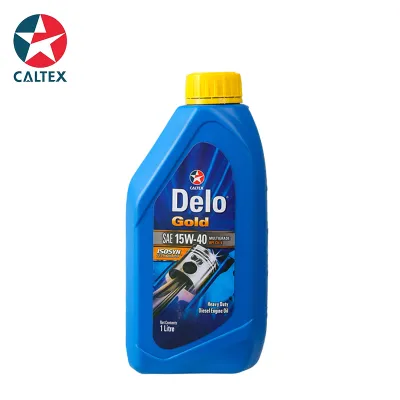
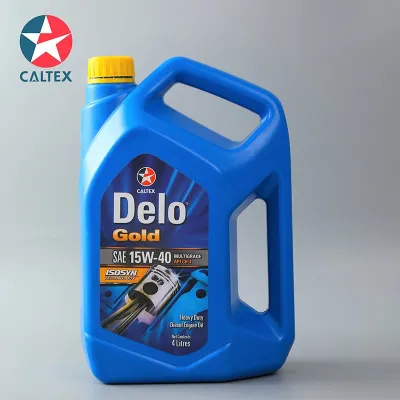
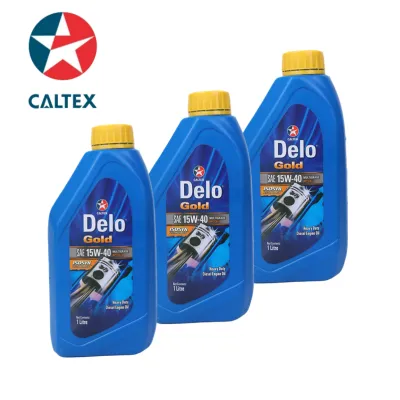
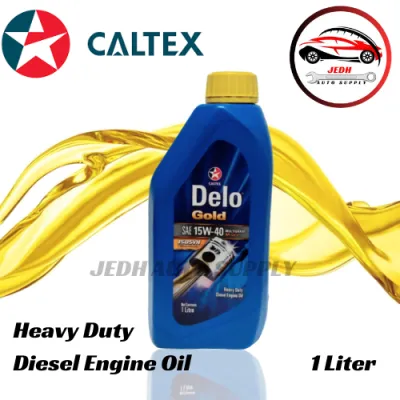
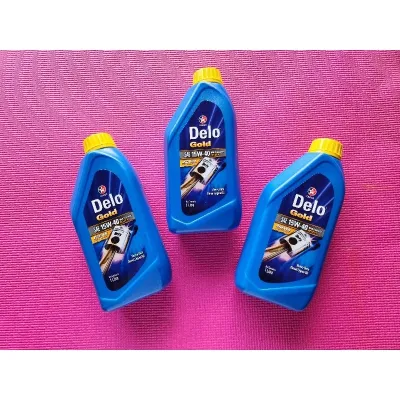
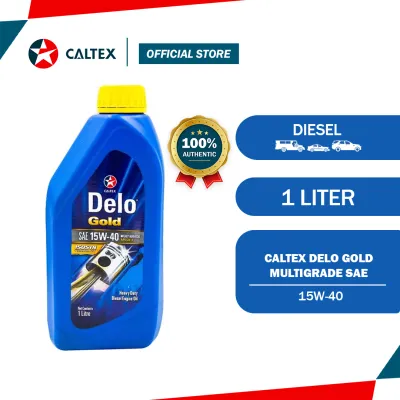
Prices are valid at publication and may change. Please refer to the product page for the latest price.
Core Diesel Engine Oil Requirements to Check First
Before comparing the unique attributes of Delo Gold, Shell Rotella, and Castrol CRB, you must establish the baseline technical criteria required by your vehicle’s manufacturer. These specifications are non-negotiable and override any brand-specific preferences, as using an incompatible oil can lead to accelerated engine wear, reduced fuel efficiency, or even catastrophic component failure.

Your first step must always be to locate the required SAE viscosity grade in your vehicle’s owner’s manual. Viscosity determines the oil’s resistance to flow and how effectively it creates a protective film between moving metal parts at various temperatures. In a tropical and highly humid climate like the Philippines, ambient temperatures remain consistently warm throughout the year, and urban traffic congestion can cause engine bay temperatures to soar. Under these severe operating conditions, the high-temperature viscosity rating (the second number in a grade like 15W-40) is critical. An oil that is too thin at operating temperature may fail to maintain a sufficient protective barrier, while an oil that is too thick can increase internal drag, raise operating temperatures, and reduce fuel economy.
In addition to viscosity, you must identify the minimum American Petroleum Institute (API) or European Automobile Manufacturers’ Association (ACEA) service category required for your engine. These rating systems define the oil’s performance capabilities and compatibility with emission control systems. For example, modern diesel engines equipped with Diesel Particulate Filters (DPF) or Selective Catalytic Reduction (SCR) systems typically require low-ash oils meeting API CK-4 or CJ-4 standards to prevent the accumulation of metallic deposits that can clog and destroy expensive exhaust components. Conversely, older diesel engines without modern aftertreatment systems may specify API CI-4 or CH-4 oils, which often contain higher levels of protective anti-wear additives that are highly beneficial for older valve train designs.
Using an engine oil with a lower API rating than what is specified by your vehicle’s manufacturer can void your warranty, accelerate emissions system degradation, and lead to premature engine wear. While newer API service categories are generally designed to be backward-compatible with older specifications, you must always cross-reference the product label with your owner’s manual to confirm compatibility. If your vehicle operates under severe conditions—such as frequent short trips, heavy towing, or prolonged idling in hot weather—you may need to adjust your maintenance intervals, but the baseline technical specifications of the oil must always align with the OEM requirements.
Delo Gold: Typical Formulation Traits and Best Applications
Delo Gold, a prominent product line under the Caltex brand, is formulated with a strong emphasis on heavy-duty engine protection, robust soot dispersion, and wear prevention. In diesel engines, incomplete combustion naturally produces soot, which can migrate into the engine oil. If left unmanaged, these soot particles can agglomerate into larger, highly abrasive particles that cause severe wear on cylinder liners, rings, and valve trains, while also increasing the oil’s viscosity and restricting flow.
To combat this, Delo Gold utilizes specialized additive technologies designed to keep soot particles finely dispersed throughout the oil, preventing them from clumping together. This soot-channeling capability helps maintain consistent oil viscosity, ensures reliable oil flow during startup, and protects critical engine components from abrasive wear even under severe operating loads. Furthermore, the formulation provides strong resistance to oil oxidation and thermal breakdown, helping to maintain the protective oil film under the high temperatures common in turbocharged diesel engines.
It is important to recognize that the “Delo Gold” family includes several distinct variants, such as Delo Gold Ultra and Delo Gold Multigrade, which carry different viscosity ratings and API classifications. For this reason, you must carefully read the product label to confirm the exact specifications of the bottle you are purchasing. For instance, a Delo Gold variant carrying an API CI-4 rating is highly suited for older or medium-duty diesel engines, whereas a variant with a different rating might be required for newer passenger vehicles.
Delo Gold is particularly beneficial for utility vehicles, older sports utility vehicles, light commercial trucks, and public utility vehicles that operate continuously in congested urban environments. The frequent stop-and-go driving patterns, combined with the high ambient heat of tropical regions, place immense stress on the engine oil. Delo Gold’s robust soot-handling and wear-protection characteristics make it an excellent choice for these demanding scenarios, provided the specific product’s certifications match your OEM guidelines.
Shell Rotella: Typical Formulation Traits and Best Applications
Shell Rotella has established a global reputation centered on high-temperature stability, exceptional deposit control, and versatility across various base oil types. The Rotella product line is engineered to withstand extreme thermal stress, making it a popular choice for high-performance turbocharged diesel engines that generate immense heat during operation.
One of the defining characteristics of the Shell Rotella family is its structured tier system, which includes Rotella T4 Triple Protection (conventional), Rotella T5 (synthetic blend), and Rotella T6 (fully synthetic). Each of these sub-variants utilizes distinct base oils and additive packages tailored to different performance levels and operating conditions. For example, Rotella T6 fully synthetic oil is formulated to offer superior low-temperature flow characteristics for easier startups, while simultaneously providing outstanding resistance to shear and thermal breakdown at extremely high operating temperatures.
Because the formulations and intended applications vary significantly across the Rotella lineup, you must verify the exact sub-variant on the product label before purchasing. Modern diesel passenger vehicles and light trucks with advanced emissions systems will benefit significantly from the low-ash formulations found in newer Rotella products, which help protect DPFs from premature plugging. Meanwhile, heavy-duty commercial vehicles or older diesel engines may find excellent value and protection in the conventional Rotella T4 variants.
Shell Rotella is highly suited for driving conditions where high thermal stability and continuous operation are prioritized. This includes long-haul highway driving, prolonged idling in hot weather, and heavy towing applications. If your daily driving involves traversing long highway stretches under high ambient temperatures, the robust thermal resistance of Shell Rotella helps prevent oil thinning and oxidation, ensuring that your engine remains fully protected throughout the entire drain interval.
Castrol CRB: Typical Formulation Traits and Best Applications
Castrol CRB is engineered with a primary focus on managing engine cleanliness, controlling sludge buildup, and preventing piston deposits. Over hours of continuous operation, diesel engines can accumulate harmful deposits on pistons and rings, which can lead to ring sticking, loss of compression, increased oil consumption, and accelerated cylinder bore wear.
To address these issues, Castrol CRB formulations incorporate specialized cleaning agents and dispersants designed to prevent the formation of sludge and lacquer on hot engine surfaces. By keeping internal engine components clean, Castrol CRB helps maintain optimal engine compression, ensures efficient heat transfer away from critical parts, and prevents the restriction of oil passages. This focus on internal cleanliness is vital for extending the overall operating life of the engine and maintaining consistent performance over time.
As with any premium engine oil line, Castrol CRB is available in multiple formulations, including Castrol CRB Multi and Castrol CRB Turbomax. Each variant is tailored to specific engine generations and operating demands, meaning you must inspect the product label to verify its viscosity grade and certified API or ACEA ratings. Ensuring that the specific Castrol CRB bottle matches your engine’s requirements is essential for achieving the intended level of protection and cleanliness.
Castrol CRB is highly recommended for fleet operations, delivery vans, and passenger diesel vehicles that experience long operating hours or continuous daily use. Vehicles used in logistics, public transport, or daily long-distance commuting benefit greatly from the continuous deposit-control properties of Castrol CRB. By keeping the engine free of harmful sludge and deposits, this oil helps maintain operational efficiency and minimizes unscheduled maintenance downtime.
Comparing the Brands Across Critical Diesel Dimensions
When deciding between Delo Gold, Shell Rotella, and Castrol CRB, it is helpful to compare how their typical formulations address the primary challenges faced by diesel engines. Because each brand offers multiple products within its lineup, you should treat these comparisons as general brand characteristics and always verify the specific product’s technical data sheet.
| Dimension | Delo Gold (Typical Focus) | Shell Rotella (Typical Focus) | Castrol CRB (Typical Focus) |
|---|---|---|---|
| Soot & Sludge Control | Excellent soot dispersion; prevents abrasive wear and viscosity increase in high-soot environments. | Strong deposit control; keeps internal components free of carbon buildup under thermal stress. | Superior sludge prevention; focuses on maintaining overall engine cleanliness and open oil pathways. |
| High-Temperature Stability | Reliable thermal protection; maintains a stable oil film under typical heavy-load conditions. | Outstanding resistance to thermal breakdown; highly stable in turbocharged and high-heat applications. | Good thermal resistance; engineered to prevent lacquer and deposit formation on hot piston surfaces. |
| Base Oil Options | Primarily premium conventional and high-quality mineral-based formulations. | Broad range including conventional (T4), semi-synthetic (T5), and fully synthetic (T6) options. | Available in high-quality mineral and synthetic-technology formulations depending on the variant. |
| Target Applications | Heavy-duty commercial fleets, utility vehicles, and stop-and-go urban driving. | High-performance turbocharged diesels, long-haul transport, and extreme temperature operations. | Continuous-use delivery vehicles, passenger diesels, and engines prone to sludge accumulation. |
Rather than attempting to declare a single “winner” among these brands, you should evaluate these critical dimensions by reading the Product Data Sheets (PDS) provided by the manufacturers. The PDS contains precise laboratory measurements that can help you make an informed decision based on your vehicle’s needs. Key parameters to look for on a PDS include:
- Viscosity Index (VI): A higher Viscosity Index indicates that the oil's viscosity changes less as the temperature rises or falls. This is highly beneficial for engines operating in climates with dramatic temperature shifts or under extreme operating heat.
- Total Base Number (TBN): TBN measures the oil's reserve alkalinity, which represents its ability to neutralize acidic combustion byproducts. A higher starting TBN is often desirable for engines using fuels with higher sulfur content, as it helps prevent corrosive wear over the oil's service life.
- Sulfated Ash Content: For modern vehicles equipped with DPFs, you must ensure the sulfated ash content is low (typically below 1.0% mass) to prevent premature filter blockage. This is often designated by API CK-4 or ACEA C-series specifications.
Always avoid relying solely on generic marketing terms like “maximum protection” or “advanced formula.” Instead, train yourself to look at the back of the oil bottle for official OEM approvals. Major engine manufacturers, such as Cummins, Volvo, Mercedes-Benz, and Mack, have their own stringent testing standards (e.g., Cummins CES 20086 or Volvo VDS-4.5). If an oil bottle explicitly lists an approval code that matches the requirement in your vehicle’s manual, you can proceed with confidence knowing that the formulation has been thoroughly tested and certified for your specific engine type.
Verifying Value and Authenticity Before Purchase
Once you have identified the correct oil brand, viscosity, and specification for your vehicle, the final step is to ensure you are purchasing a genuine product at a fair market value. In the automotive aftermarket, counterfeit engine oils represent a significant hazard. These counterfeit fluids are often made from cheap, low-quality base oils completely lacking the advanced additive packages required to protect heavy-duty diesel engines. Using counterfeit oil can lead to rapid thermal breakdown, severe sludge formation, clogged oil filters, and catastrophic engine failure.
To evaluate the value of the oil, compare the price-per-liter across authorized automotive retailers, official brand service stations, or reputable local workshops. In the Philippines, diesel engine oils generally range from approximately ₱350 to ₱800 per liter, depending on whether the formulation is conventional, semi-synthetic, or fully synthetic. Purchasing oil in larger volume containers, such as 4-liter or 6-liter gallons, or even 18-liter pails for fleet operations, typically offers a lower cost-per-liter than buying individual 1-liter bottles. However, be highly suspicious of any product priced significantly below the established market average, as this is a primary indicator of a counterfeit product.
To protect your engine, follow these actionable steps to verify the authenticity of your diesel engine oil before pouring it into your crankcase:
- Purchase from Authorized Channels: Buy your oil directly from official brand service stations (such as Caltex stations for Delo or Shell stations for Rotella), authorized flagship stores on major online marketplaces, or well-established, licensed auto supply shops.
- Inspect the Packaging Seals: Genuine engine oils feature high-quality, tamper-evident packaging. Check that the plastic cap's locking ring is intact and has not been broken or resealed. Underneath the cap, there should be a securely bonded induction seal covering the bottle opening; if this foil seal is loose, missing, or shows signs of glue, do not use the oil.
- Examine the Labels and Batch Codes: Look closely at the print quality of the labels. Genuine products feature sharp, clear text and precise alignment. Blurry graphics, spelling errors, or peeling labels are strong indicators of a counterfeit. Additionally, look for laser-printed batch codes and production dates on the bottle body or cap, and verify that they are clean, legible, and match the manufacturer's typical formatting.
By taking the time to verify the technical specifications, compare the formulation benefits, and confirm the authenticity of your purchase, you can ensure your diesel engine receives the exact lubrication it needs to run smoothly, efficiently, and reliably for years to come.
Frequently Asked Questions (FAQ)
Can I Mix Delo Gold with Shell Rotella or Castrol CRB?
While mixing different brands of diesel engine oil of the same viscosity grade and API rating is acceptable in an emergency situation—such as when your oil level is critically low and you cannot find your primary brand—it is not recommended for regular use. Each brand utilizes its own proprietary blend of base oils and chemical additive packages designed to work cohesively. Mixing different brands can disrupt this chemical balance, potentially reducing the oil’s overall performance, anti-wear protection, and effective service life. For optimal engine protection, always perform a complete oil and filter change using a single brand and formulation.
Does a Higher API Rating Mean Better Protection for Older Diesel Engines?
Not necessarily. While newer API service categories (such as CK-4) are designed to offer advanced protection and are generally backward-compatible with older standards, older diesel engines may have specific requirements. For instance, some older engines designed for API CI-4 or older specifications rely on higher levels of zinc and phosphorus (ZDDP) additives to protect flat-tappet valve trains from wear. Newer API categories often limit these additives to protect modern exhaust aftertreatment systems. Always consult your vehicle’s manual to determine if a newer API rating is fully compatible with your older engine’s internal materials and seals.
Community discussion
Share your experience or ask a question. Comments are reviewed before publication.