
Choosing between Delo Gold, Shell Rotella, and Castrol VECTON requires looking past marketing slogans and focusing on your vehicle’s specific mechanical demands. There is no single universal winner among these diesel engine oils; the right choice is the one that matches the viscosity, API service category, and original equipment manufacturer (OEM) approvals specified in your vehicle’s owner’s manual. While all three brands offer highly regarded formulations, they target different operational needs, from heavy-duty commercial fleets to modern passenger diesel SUVs operating in demanding tropical climates.
To make an informed decision, you must first understand your engine’s baseline requirements and then evaluate how each brand’s product lines align with your typical driving conditions. This guide will walk you through decoding oil labels, matching formulations to your driving environment, and verifying product authenticity to ensure your engine receives the precise protection it needs.
Identifying Your Diesel Engine's Exact Oil Requirements
Before comparing brands, you must establish the non-negotiable specifications required by your vehicle. Your primary source of truth is always the owner’s manual, which outlines the exact viscosity grade and performance standards your engine requires to operate safely and maintain its warranty.
Products mentioned in this guide
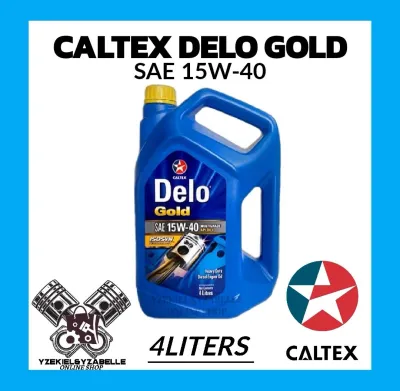
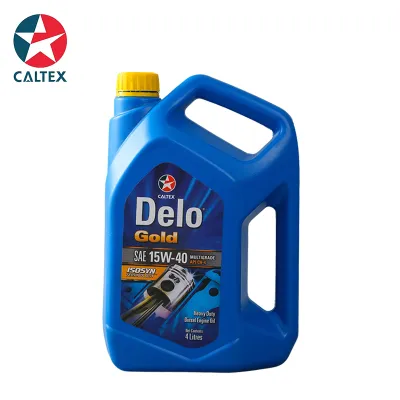
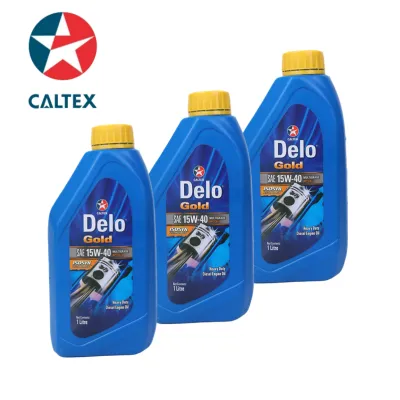
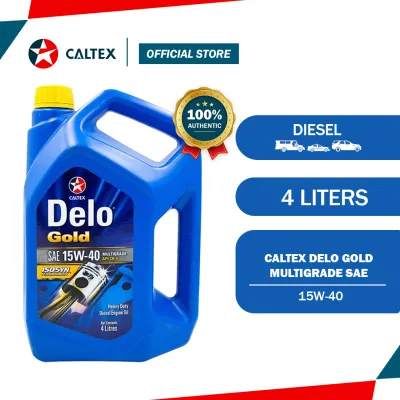
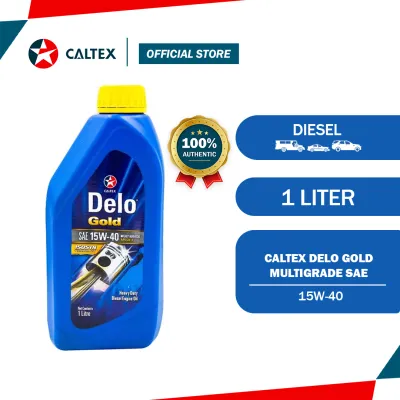
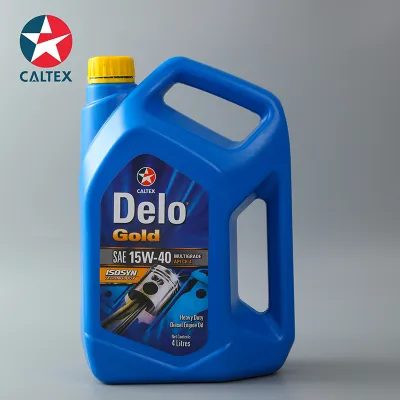
Prices are valid at publication and may change. Please refer to the product page for the latest price.
The viscosity grade, such as 15W-40 or 5W-30, dictates how the oil flows at different temperatures. The number preceding the “W” (which stands for winter) indicates the oil’s flow characteristics in cold temperatures, while the second number indicates its viscosity at operating temperature. In tropical regions, the high-temperature rating is particularly critical for maintaining a strong protective film under extreme heat.
You must also identify the required American Petroleum Institute (API) service category or European Automobile Manufacturers’ Association (ACEA) specifications. Modern diesel engines with advanced emission control systems typically require API CK-4 oils, which are designed to protect exhaust aftertreatment devices like Diesel Particulate Filters (DPF). Older engines may specify API CJ-4, CI-4, or even CH-4 formulations, which contain different additive balances.
Understanding the difference between mineral, semi-synthetic, and fully synthetic base oils is equally important. Mineral oils offer basic protection and are often suitable for older, high-mileage utility vehicles. Semi-synthetics and fully synthetics provide enhanced thermal stability, better resistance to oxidation, and longer service intervals, making them highly suitable for modern turbocharged common-rail direct injection (CRDI) engines.
Finally, look for OEM-specific approvals that may override general API ratings. Manufacturers such as Mercedes-Benz, Volvo, Cummins, and Ford have their own stringent testing standards. If your manual states that the oil must meet a specific standard, such as MB-Approval 228.31 or Volvo VDS-4.5, you must verify that this exact approval is printed on the product label before purchasing.
Comparing the Core Product Lines: Delo Gold, Rotella, and VECTON
Each of these three major brands has established a distinct market positioning and formulation philosophy. Understanding these differences helps you match their strengths to your specific vehicle application.

Delo Gold, produced by Chevron, is historically recognized for its focus on commercial fleet durability and heavy-duty transport. Formulated with specialized additive technologies, Delo Gold products are engineered to provide robust soot dispersancy and wear protection. This makes them a common choice for utility vehicles, buses, and delivery trucks that undergo continuous, high-mileage operation.
Shell Rotella has a deep heritage in heavy-duty trucking, agricultural equipment, and demanding towing applications. The Rotella lineup typically includes mineral-based, synthetic blend, and fully synthetic options. It is widely favored by owners of heavy-duty pickup trucks and commercial vehicles who require high shear stability and protection under extreme mechanical loads.
Castrol VECTON is positioned around modern fleet efficiency and extended drain intervals. Formulated with unique system technologies, VECTON is designed to adapt to changing engine pressures and temperatures, resisting oil breakdown and maintaining viscosity for longer periods. This positioning appeals to operators looking to optimize maintenance schedules and reduce downtime.
To verify these marketing claims, you must read the technical data sheets and product labels carefully. Do not rely solely on front-label branding; turn the bottle over to confirm the API certifications and specific additive standards. Ensure the formulation matches your engine’s emission system requirements, particularly if your vehicle is equipped with a DPF that requires low-SAPS (Sulfated Ash, Phosphorus, and Sulfur) oil.
Matching Oil Formulations to Your Driving Conditions
Your driving environment plays a massive role in how quickly engine oil degrades. In the Philippines, unique environmental and traffic factors must be factored into your selection process.
The combination of high ambient temperatures and intense humidity accelerates oil oxidation and thermal breakdown. Under these tropical conditions, an oil must possess excellent thermal stability to prevent the formation of harmful sludge and varnish. A robust 15W-40 mineral or semi-synthetic oil is often preferred for older utility engines, while modern engines benefit from the superior heat resistance of a synthetic blend or fully synthetic 5W-30 or 5W-40 oil.
Heavy traffic and prolonged idling, which are common in major metropolitan areas, place severe stress on diesel engines. During stop-and-go driving, engines do not operate at optimal temperatures, leading to increased soot accumulation and fuel dilution in the oil. If your daily commute involves heavy traffic, you need an oil with exceptional soot-dispersing properties to prevent wear and maintain engine cleanliness.
Heavy-load applications, such as frequent hauling, towing, or commercial transport, demand maximum film strength and anti-wear protection. Under these high-stress conditions, the oil film between moving parts can thin out, leading to metal-on-metal contact. Formulations with robust anti-wear additives and high shear stability are essential for preserving engine life in these scenarios.
You must also adjust your expectations for oil drain intervals based on your driving patterns. While some oils advertise extended drain capabilities, these claims are often based on ideal highway driving conditions. If your vehicle operates under severe conditions—such as frequent short trips, dusty environments, or heavy idling—you must shorten your oil change intervals regardless of the brand you choose.
Assessing Value, Packaging, and Product Authenticity
Calculating the true cost of ownership involves looking at packaging sizes, retail pricing, and the critical step of ensuring you are buying genuine products.
To compare value accurately, calculate the cost per liter by dividing the retail price in ₱ by the total volume of the container. While a 1-liter bottle might seem inexpensive, purchasing a 4-liter or 6-liter jug typically offers a lower cost per liter. For fleet operators or high-mileage drivers, purchasing 20-liter pails can yield even greater long-term savings.
Choosing the right package size also depends on your vehicle’s oil capacity. Most passenger diesel SUVs and pickups require between 6 to 8 liters of oil for a complete change. Purchasing a combination of a 4-liter jug and individual 1-liter bottles, or buying two 4-liter jugs, is often more practical than buying multiple single-liter containers.
Due to the popularity of these brands, counterfeit engine oil is a persistent risk in the market. Using counterfeit oil can lead to rapid engine wear, sludge buildup, and catastrophic engine failure. To protect your investment, always purchase oil from authorized physical distributors, official brand stores on reputable e-commerce platforms, or well-established auto supply chains.
When receiving or purchasing your oil, perform a thorough physical inspection of the packaging. Check that the tamper-evident seal under the cap is intact and has not been resealed. Look for clear, high-quality label printing, matching batch codes, and production dates stamped on the bottle. Many manufacturers also include holographic security labels or QR codes that you can scan to verify authenticity.
Decision Framework: Which Diesel Oil Should You Choose?
To make your final selection, use this conditional framework to match your verified vehicle specifications and driving habits to the right product.
Choose Delo Gold if your vehicle or commercial fleet requires a dependable, heavy-duty formulation that meets API CI-4 or CK-4 specifications, and you prioritize proven soot control and wear protection in high-mileage utility vehicles or older diesel engines.
Choose Shell Rotella if you operate heavy-duty machinery, transport trucks, or passenger vehicles subjected to constant heavy towing and high-stress loads, and you require a formulation with high shear stability that is available in the exact viscosity grade specified by your manufacturer.
Choose Castrol VECTON if your maintenance strategy focuses on optimizing oil drain intervals within manufacturer-approved limits, your modern diesel engine requires a synthetic or synthetic-blend formulation, and you want an oil designed to resist thermal breakdown during long highway runs.
Before finalizing your purchase, always perform a final check of your vehicle’s warranty requirements. If your vehicle is still under manufacturer warranty, using an oil that lacks the explicit OEM approval required by your manual can void your coverage. When in doubt, consult your vehicle’s authorized service center or a qualified automotive professional to confirm compatibility.
Frequently Asked Questions (FAQ)
Can I mix Delo Gold with Shell Rotella or Castrol VECTON?
While mixing different brands of diesel engine oil of the same viscosity and API rating is generally acceptable in an emergency, it is not recommended for long-term use. Each brand utilizes a unique, proprietary package of additives, detergents, and anti-wear agents. Mixing them can disrupt the chemical balance, potentially reducing the oil’s overall performance, thermal stability, and soot-dispersing capabilities. For optimal engine protection and performance, perform a complete oil and filter change when switching from one brand to another rather than mixing them.
How do I know when it is time to change my diesel engine oil?
The primary baseline for oil changes is the manufacturer’s recommended service interval found in your owner’s manual. However, you should also perform regular physical inspections of the oil using the dipstick. While diesel engine oil naturally turns black quickly due to soot suspension, you should check for changes in consistency, a gritty texture, or a strong smell of diesel fuel, which indicates fuel dilution. If your vehicle operates under severe conditions, such as heavy traffic, high heat, or frequent towing, you should shorten the drain interval accordingly, regardless of what the oil life monitoring system or standard schedule suggests.
Community discussion
Share your experience or ask a question. Comments are reviewed before publication.