
Choosing the correct spark plug for your vehicle is one of the most straightforward yet critical maintenance decisions you can make. The choice between traditional copper, mid-tier platinum, and advanced options like the denso iridium sc20hr11 depends entirely on your vehicle’s engine design, manufacturer recommendations, and your long-term maintenance preferences. Selecting the wrong material or physical specification can lead to poor fuel economy, engine misfires, or even severe mechanical damage.
In tropical climates like the Philippines, where vehicles frequently endure intense heat, high humidity, and prolonged idling in heavy urban traffic, the demands on your ignition system are exceptionally high. Under these conditions, the thermal efficiency and durability of your spark plugs play a vital role in keeping your engine running smoothly. Understanding how these materials behave under stress is the first step toward making an informed purchase.
Quick Answer: Which Spark Plug Type Fits Your Driving Needs?
The ideal spark plug for your vehicle is not simply the most expensive one on the shelf; it is the one that aligns with your engine’s original engineering specifications. Modern engines are designed around the electrical and thermal characteristics of specific spark plug materials. Attempting to save money with a cheaper material, or upgrading to a premium material without verifying compatibility, can alter how efficiently the fuel mixture ignites.
Products mentioned in this guide
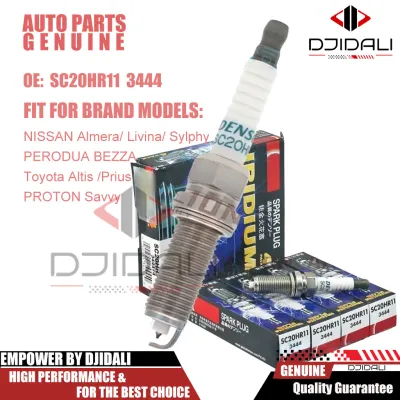
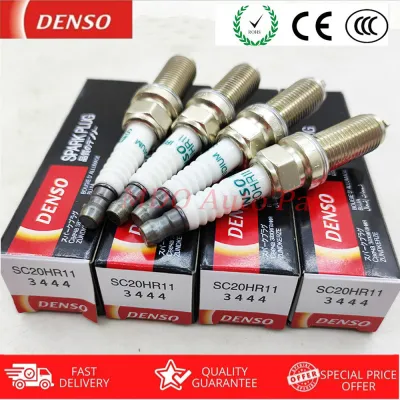
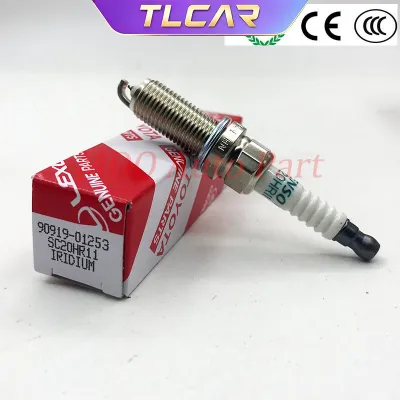
Prices are valid at publication and may change. Please refer to the product page for the latest price.
Denso Iridium plugs, such as the highly sought-after SC20HR11, are typically engineered for modern, high-efficiency engines that require long service intervals and precise ignition. These plugs excel in vehicles with coil-on-plug ignition systems, where consistent voltage delivery is necessary to maintain low emissions and optimal fuel economy. If your owner’s manual specifies iridium, downgrading to a lesser material can cause immediate performance issues.
Platinum spark plugs serve as a practical middle ground. They offer a significantly longer lifespan than copper plugs at a more accessible upfront price point. They are highly suited for commuter vehicles that require reliable daily performance without the premium cost of iridium, provided the vehicle manufacturer supports platinum specifications.
Copper spark plugs, which feature a nickel-alloy outer coating, are generally reserved for older engines, classic vehicles, or specific low-compression tuning applications. While they offer excellent electrical conductivity, their rapid wear rate makes them unsuitable for modern engines designed for extended maintenance intervals.
Regardless of the material you choose, any upgrade or replacement must strictly adhere to the heat range and physical dimensions specified by your vehicle’s manufacturer. Changing the material type should never mean guessing at the physical fitment or thermal properties required by your cylinder head.
Material Breakdown: Copper, Platinum, and Iridium Explained
To understand why spark plugs perform differently, it is necessary to examine the metallurgy of their electrodes. The spark plug’s job is to channel thousands of volts of electricity across a small gap, creating a reliable spark that ignites the compressed air-fuel mixture inside the combustion chamber. Different metals handle this intense electrical and thermal stress in distinct ways.

Copper Spark Plugs
Copper spark plugs are somewhat misnamed, as they actually feature a solid copper core encased in a nickel-alloy outer electrode. Copper is an exceptional conductor of electricity and heat, which allows the plug to run relatively cool while delivering a robust spark. However, nickel alloy is a relatively soft metal with a lower melting point than precious metals. Under the constant bombardment of electrical arcing and combustion heat, the nickel electrode wears down quickly. This wear causes the spark gap to widen over time, requiring more voltage from the ignition coils to jump the gap, which eventually leads to misfires.
Platinum Spark Plugs
Platinum spark plugs utilize a small platinum disc welded to the end of the center electrode (and sometimes the ground electrode in “double platinum” designs). Platinum is significantly harder than nickel alloy and has a much higher melting point. This physical durability allows the plug to resist spark erosion and chemical corrosion far better than copper. Consequently, platinum plugs maintain their factory-set spark gap for a much longer duration, ensuring stable ignition characteristics over tens of thousands of kilometers.
Iridium Spark Plugs
Iridium is an extremely dense, precious metal with an exceptionally high melting point, making it incredibly resistant to wear and spark erosion. Because iridium is so strong, manufacturers like Denso can construct spark plugs with an ultra-fine center electrode, often measuring just 0.4mm to 0.7mm in diameter. The denso iridium sc20hr11 leverages this design to concentrate the electrical energy at the tip. A finer tip requires less voltage to create a spark, which reduces the workload on your ignition coils and improves overall ignition reliability.
It is important to clarify a common automotive myth: premium spark plugs do not inherently increase an engine’s maximum horsepower beyond its original factory design. Instead, high-quality materials like iridium prevent the gradual loss of power, rough idling, and poor fuel economy that occur when lesser materials degrade. They preserve peak combustion efficiency over a vastly extended lifespan.
Core Comparison Dimensions: What Actually Matters for Your Engine
When evaluating which spark plug type to purchase, you must weigh several practical factors that directly affect your vehicle’s performance, maintenance schedule, and overall operating costs.
Service Life and Replacement Intervals
The most obvious difference among these materials is how long they last before requiring replacement. Copper plugs typically need to be inspected and replaced every 20,000 to 30,000 kilometers due to the rapid wear of the nickel-alloy electrode. Platinum plugs offer a substantial upgrade, often lasting between 50,000 and 80,000 kilometers. Premium iridium plugs, such as the SC20HR11, are designed to perform reliably for 100,000 kilometers or more under normal operating conditions. Always consult your vehicle’s official service manual for the exact mileage thresholds, as severe driving conditions—such as the stop-and-go traffic jams common in major Philippine cities—can accelerate wear.
Ignitability and Engine Response
Ignitability refers to a spark plug’s ability to quickly and cleanly start the combustion process. The fine-wire design of an iridium plug’s center electrode minimizes the “quenching effect,” where the cold metal of the electrode absorbs heat from the newly formed flame kernel. Because the iridium tip is so small, it absorbs very little heat, allowing the flame to grow rapidly and evenly. This results in smoother cold starts, more consistent idling, and sharper throttle response compared to copper plugs, which have larger electrodes that can slightly dampen the initial flame growth.
Cost vs. Long-Term Value
While copper plugs are inexpensive upfront, they require more frequent replacements. In contrast, premium iridium plugs carry a higher initial purchase price. However, when you calculate the long-term value, iridium often proves more economical. Replacing spark plugs less frequently means spending less on labor costs at your local service center. Furthermore, the sustained combustion efficiency of iridium plugs helps prevent the drop in fuel economy that typically occurs as cheaper plugs wear out, saving you money at the fuel pump over several years.
| Feature / Metric | Copper Spark Plugs | Platinum Spark Plugs | Iridium Spark Plugs (e.g., Denso SC20HR11) |
|---|---|---|---|
| Electrode Material | Nickel Alloy over Copper Core | Platinum Tip | Iridium Tip |
| Relative Lifespan | Shortest (Frequent Replacement) | Moderate (Extended Service) | Longest (Maximum Durability) |
| Upfront Cost | Lowest | Moderate | Higher |
| Ignition Voltage Required | High | Medium | Low |
| Best Suited For | Older engines, classic cars, frequent tuners | Mid-generation vehicles, balanced budgets | Modern engines, long-interval commuter cars |
Evaluating the Denso Iridium SC20HR11: Compatibility and Verification
If you are considering the denso iridium sc20hr11 for your vehicle, you must verify that its physical and thermal characteristics perfectly match your engine’s requirements. Spark plugs are highly specialized components, and installing a model with the wrong specifications can result in poor performance or severe mechanical damage.
Decoding the Part Number
Alphanumeric codes on spark plugs are not random; they represent precise engineering dimensions and properties. In the case of the Denso SC20HR11:
- S: Indicates the thread size and shape, typically featuring a 12mm thread diameter with a long reach.
- C: Represents the hex size and specific construction features of the plug shell.
- 20: Denotes Denso's proprietary heat range rating.
- H: Indicates the thread reach (typically 26.5mm), which is longer than standard plugs to accommodate modern multi-valve cylinder heads.
- R: Specifies that it is a resistor-type spark plug, which contains an internal resistor to suppress electromagnetic interference (EMI) that could disrupt your vehicle's onboard electronics, sensors, and radio signals.
- 11: Indicates a pre-set spark gap of 1.1mm (0.044 inches).
Heat Range Matching
The heat range (indicated by the “20” in the Denso code) is a measure of how quickly the spark plug can dissipate heat from the combustion chamber into the cylinder head. The SC20HR11 is a medium-to-cool plug. If you install a plug with a heat range that is too hot for your engine, it will retain too much heat, potentially causing pre-ignition (knocking) which can destroy pistons. Conversely, if you install a plug that is too cold, it will not reach its self-cleaning temperature, leading to rapid carbon fouling and chronic misfires.
Physical Fitment
The physical dimensions of the plug are non-negotiable. The SC20HR11 features a long thread reach of 26.5mm. If you attempt to install a plug with a shorter reach, the spark will be recessed too far inside the cylinder head, resulting in incomplete combustion. If you install a plug with a longer reach than specified, the electrode could physically strike the top of the piston, causing catastrophic engine failure. Always cross-reference your vehicle’s year, make, model, and engine code with the official Denso application guide or your owner’s manual.
Gap Verification
While the “11” suffix indicates that the plug is pre-gapped to 1.1mm at the factory, you must always verify this measurement before installation. Rough handling during shipping or retail storage can occasionally bend the ground electrode, altering the gap. Use a precise wire feeler gauge to check the gap against your engine’s official specifications. When handling iridium plugs, be extremely gentle; the ultra-fine iridium center electrode is brittle and can easily snap if you apply leverage or pressure directly against it.
The Decision Framework: How to Choose the Right Spark Plug
To finalize your decision, you should evaluate your vehicle’s design, your driving habits, and your maintenance preferences against a clear set of criteria.
Choose Denso Iridium (SC20HR11) if:
- Your vehicle's manual specifies it: This model is the original equipment manufacturer (OEM) standard for many modern vehicles, particularly popular commuter models from brands like Toyota (such as the Vios, Yaris, Altis, and Prius equipped with Dual VVT-i engines).
- You want to minimize maintenance: If you prefer a "set-and-forget" approach to maintenance and want to avoid changing your plugs for up to 100,000 kilometers, iridium is the logical choice.
- You drive in demanding conditions: If your daily commute involves navigating heavy stop-and-go traffic in hot, humid tropical environments, the superior thermal stability of iridium will help maintain consistent fuel efficiency.
Choose Platinum if:
- It is the recommended OEM standard: If your vehicle was designed around platinum plugs, sticking with this material maintains factory performance.
- You want a balance of cost and longevity: Platinum offers a reliable, mid-tier solution that outlasts copper without the higher upfront cost of premium iridium.
Choose Copper if:
- You drive an older or classic vehicle: Older ignition systems were designed around the high conductivity and low resistance of copper plugs and may not perform well with modern precious metal alternatives.
- You frequently tune or inspect your engine: If you are operating a highly modified or turbocharged vehicle where you regularly pull the plugs to inspect combustion conditions, the low cost of copper makes frequent replacements economical.
Verify First if:
- You are unsure of your engine code: Many car models use different engines depending on the production year or trim level. Always check the physical engine stamp or the vehicle identification number (VIN) to ensure compatibility.
- Your vehicle is under warranty: If your car is still covered by a manufacturer powertrain warranty, check if using non-OEM branded parts could affect your coverage.
Safe Handling and Installation Boundaries
Replacing spark plugs is a rewarding DIY task, but it requires strict adherence to safety boundaries and correct mechanical procedures to prevent expensive mistakes.
First, always wait for the engine to cool down completely before attempting to remove the spark plugs. Modern engines utilize aluminum cylinder heads, which expand significantly when hot. Attempting to unscrew a spark plug from a hot aluminum head can easily strip the delicate metal threads, resulting in an expensive cylinder head repair.
Second, always use a calibrated torque wrench to tighten the new spark plugs to the manufacturer’s exact torque specifications. Over-tightening can stretch the spark plug’s metal shell, crack the internal ceramic insulator, or strip the threads in the cylinder head. Under-tightening can prevent the plug from sealing properly against the combustion chamber, leading to compression loss, hot combustion gas leakage, and poor heat dissipation.
Third, check the spark plug manufacturer’s instructions regarding the use of anti-seize lubricants. Denso spark plugs are manufactured with a special zinc-chromate or nickel plating on the threads, which is designed to prevent corrosion and seizing in aluminum heads. Applying anti-seize to these pre-coated threads acts as an unintended lubricant, which can cause you to over-tighten and damage the plug or the cylinder head when using standard torque values. If the manufacturer advises against anti-seize, install the plugs dry.
Finally, always thread the new spark plugs in by hand first using a spark plug socket and an extension bar. This allows you to feel the threads engaging smoothly. If you encounter any physical resistance, or if the plug does not spin easily for several turns, stop immediately. Back the plug out, inspect the threads for dirt or damage, and try again. Never force a spark plug with a wrench if it is cross-threaded. If you are uncomfortable with any part of this process, consult a qualified professional mechanic to complete the installation safely.
Community discussion
Share your experience or ask a question. Comments are reviewed before publication.