
When you notice your steering wheel getting stiff or squealing during tight turns, your first instinct is to check the power steering reservoir. If you find a bottle of Dexron III automatic transmission fluid (ATF) sitting on your garage shelf, you might wonder if it can double as a quick top-up. The direct answer is that Dexron III can indeed be used in power steering systems, but only if your vehicle manufacturer explicitly specifies it as an approved fluid.
Using the wrong fluid in your power steering system can lead to catastrophic failure of the steering rack and pump. Because power steering systems rely on precise hydraulic pressures, even a minor mismatch in fluid properties can degrade internal rubber components. Before pouring any fluid into your vehicle, you must understand what this specification means and how to verify if your car is compatible.
What Does the Dexron III Specification Actually Mean?
Dexron III is not a brand of fluid, but rather a performance standard originally developed by General Motors (GM) for automatic transmissions. Introduced in the 1990s, this specification was designed to meet the demands of electronically controlled transmissions that required specific frictional characteristics, high thermal stability, and robust wear protection. Over the decades, it became a widely adopted benchmark across the global automotive industry, serving as a multi-purpose hydraulic fluid in various mechanical applications.
Products mentioned in this guide
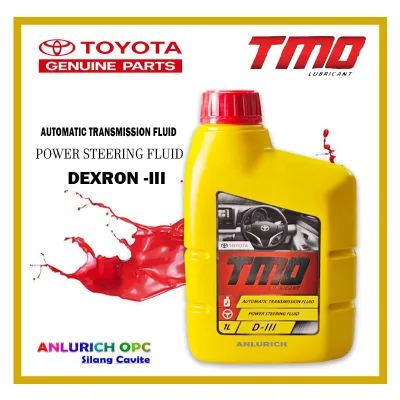
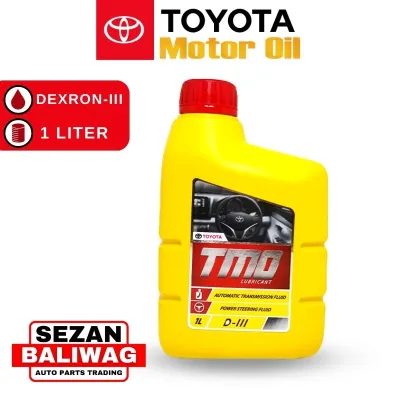
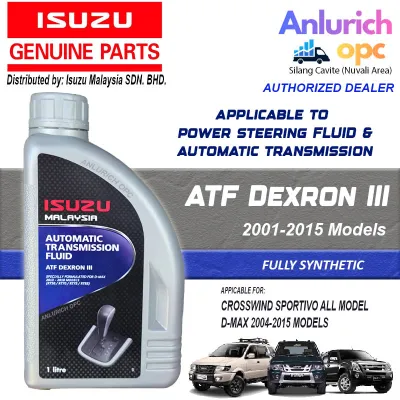
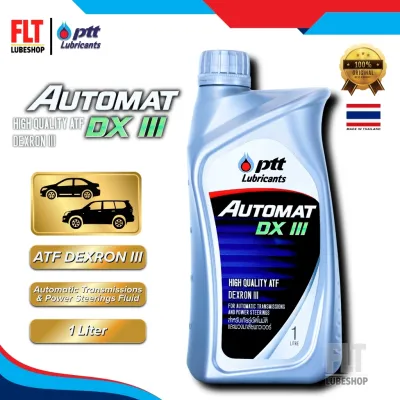
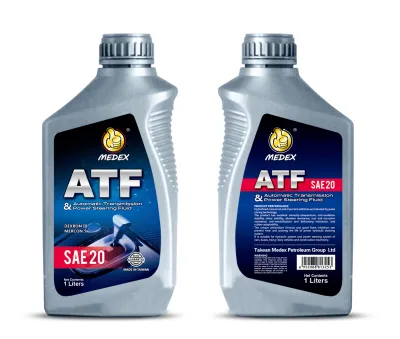
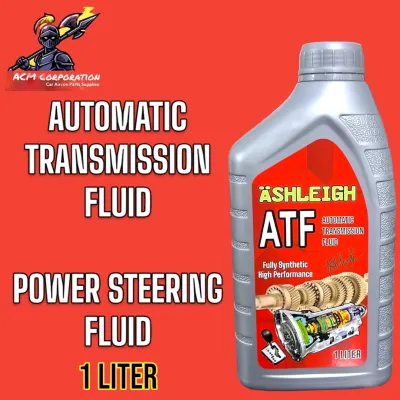
Prices are valid at publication and may change. Please refer to the product page for the latest price.
To understand why Dexron III is frequently used in hydraulic steering systems, it helps to look at its core chemical and physical properties. The fluid is engineered with a specific viscosity index, which ensures it remains thin enough to flow smoothly in cold conditions while retaining enough thickness to protect metal components under extreme heat. Additionally, it contains a robust package of anti-wear additives, corrosion inhibitors, and anti-foaming agents that prevent air bubbles from compromising hydraulic pressure.
These characteristics are highly beneficial for power steering systems, which operate under intense pressure and generate significant heat. In tropical climates like the Philippines, where stop-and-go city traffic in high ambient temperatures is common, the thermal stability of Dexron III helps prevent the fluid from breaking down prematurely. The anti-foaming additives ensure that as the power steering pump circulates the fluid, it does not draw in air, which would otherwise cause a spongy steering feel and accelerate pump wear.
Is Dexron III Safe for Your Power Steering System?
While Dexron III is an excellent hydraulic fluid, it is absolutely not a universal solution for every car on the road. Whether it is safe for your vehicle depends entirely on the original equipment manufacturer (OEM) design of your steering system. Many older vehicles, particularly Japanese, American, and select European models built before the mid-2000s, were engineered to use Dexron III ATF directly inside their power steering reservoirs. For these specific vehicles, using Dexron III is perfectly safe and matches the factory requirements.

However, modern automotive engineering has shifted toward highly specialized, low-viscosity dedicated power steering fluids or synthetic hydraulic fluids. If your vehicle is designed for a modern synthetic fluid, such as Pentosin CHF 11S or a brand-specific power steering fluid, pouring Dexron III into the reservoir can cause severe, irreversible damage. The chemical composition of Dexron III, including its specific friction modifiers and detergents, can react aggressively with the seal materials used in modern steering racks.
When an incompatible fluid is introduced, the rubber seals and hoses within the steering system can swell, shrink, crack, or dissolve over time. This leads to fluid leaks, which can spray highly flammable hydraulic fluid onto hot engine components, creating a serious fire hazard. Furthermore, seal degradation can allow fluid to bypass the internal pistons of the steering rack, resulting in a sudden loss of steering assist while driving. Replacing a damaged steering rack and pump can easily cost between ₱15,000 and ₱40,000 in parts and labor, making a careless fluid choice an incredibly expensive mistake.
Dexron III ATF vs. Dedicated Power Steering Fluid
To make an informed purchasing decision, it is helpful to contrast Dexron III automatic transmission fluid with dedicated power steering fluids. The primary difference lies in their formulation goals. Automatic transmission fluids are highly complex lubricants designed to manage the wet clutches, planetary gear sets, and torque converters inside a transmission. They contain friction modifiers that allow clutch plates to slip and engage smoothly, along with heavy detergents designed to keep internal transmission passages free of varnish and debris.
In contrast, dedicated power steering fluids are formulated solely for hydraulic pressure transmission and component lubrication. They do not require the friction modifiers needed for transmission clutches, nor do they typically contain the same heavy detergent packages. Instead, dedicated power steering fluids focus on maintaining a highly stable viscosity across a narrow temperature range and protecting the specific elastomers (rubbers and plastics) used in a particular manufacturer’s steering gear.
You should be cautious of aftermarket bottles labeled as “universal” power steering fluids or “multi-vehicle” formulas. While these products often carry premium price tags and promise compatibility with all makes and models, they are frequently compromises that may not meet the exact shear stability or seal-compatibility requirements of your vehicle. A higher price does not equal safety; always prioritize the technical specification over generic marketing claims.
How to Verify the Exact Fluid Your Vehicle Needs
Before buying any fluid or attempting to top up your reservoir, you must take active steps to verify your vehicle’s exact requirements. Never rely on guesswork or assume that a fluid is correct simply because it shares the same color as the fluid currently in your reservoir. Power steering fluids and ATFs can both be dyed red, green, clear, or amber, and old fluid often turns a dark, muddy brown as it degrades, making visual identification highly unreliable.
To find the correct specification, start by checking your vehicle’s owner’s manual under the “Specifications,” “Capacities,” or “Maintenance” section. This document will list the exact fluid standard required, such as Dexron III, PSF-3, or a specific manufacturer part number. Next, pop the hood and inspect the power steering reservoir cap itself. Manufacturers often emboss the required fluid type directly onto the plastic cap as a quick reference for mechanics and owners.
If your owner’s manual is missing and the cap label is faded or illegible, do not guess. You should contact a local authorized dealership or a certified automotive professional who can look up your vehicle’s Vehicle Identification Number (VIN) to confirm the correct fluid. If you find conflicting information between aftermarket fluid labels and your vehicle’s official documentation, always defer to the vehicle manufacturer’s instructions.
Frequently Asked Questions (FAQ)
Can I mix Dexron III with other power steering fluids?
No, you should never mix Dexron III with other types of power steering fluid unless your vehicle manufacturer explicitly states that they are compatible. Mixing different fluid types can trigger chemical reactions that cause the fluids to separate, foam, or thicken into a sludge. This compromises the hydraulic pressure of the system, accelerates pump wear, and can lead to sudden steering stiffness or complete steering pump failure. If you accidentally mix incompatible fluids, you must have the system professionally flushed immediately.
What are the symptoms of using the wrong power steering fluid?
If the wrong fluid has been added to your power steering system, you will likely notice several warning signs. The most common symptom is a loud whining, groaning, or screeching noise coming from the engine bay, especially when turning the steering wheel at low speeds or while parking. Other signs include an unusually stiff or heavy steering wheel, visible fluid leaks pooling under the front of the car, foaming or bubbling fluid inside the reservoir, or a distinct burnt smell. If you experience any of these symptoms, stop driving the vehicle and consult a qualified mechanic to perform a complete system flush and inspect the seals for damage.
Community discussion
Share your experience or ask a question. Comments are reviewed before publication.