
When your motorcycle or scooter starts losing its punch off the line, the immediate temptation is to look for aftermarket performance upgrades. You might hear fellow riders talk about installing a torque accelerator to restore that lost zip or to make climbing steep inclines effortless. However, before spending your hard-earned money on modification parts, it is crucial to understand that sluggish acceleration is more frequently a symptom of routine wear and tear rather than a limitation of your stock machine. In many cases, restoring your motorcycle’s original performance requires basic maintenance rather than adding aftermarket components to your drivetrain.
Diagnosing Sluggish Acceleration: Wear vs. Performance Limits
To determine why your motorcycle feels sluggish, you must first isolate the components that transfer power from the engine to the rear wheel. In automatic scooters, the Continuously Variable Transmission (CVT) is highly sensitive to heat, dust, and friction. Start by inspecting the drive belt. Over time, constant flexing and exposure to high operating temperatures can cause the rubber compound to dry out, crack, or develop a glazed surface. A glazed belt slips against the pulley faces, meaning the engine revs up but the power fails to reach the ground efficiently.
Next, examine the variator assembly, specifically the CVT rollers and sliders. These small, cylindrical weights rely on centrifugal force to push the pulley faces together and change your gear ratio. If the rollers develop flat spots or if the variator channel accumulates road dust and belt debris, the rollers cannot slide smoothly. This hesitation prevents the transmission from shifting seamlessly, resulting in a noticeable lag when you twist the throttle.
Products mentioned in this guide
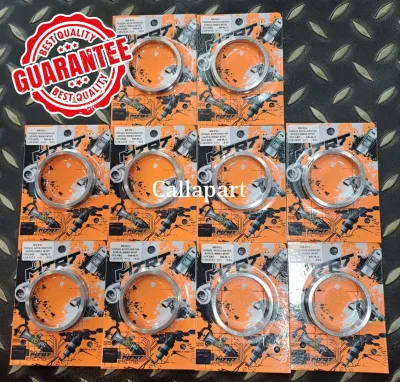
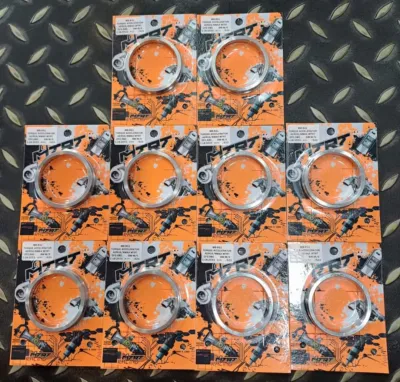
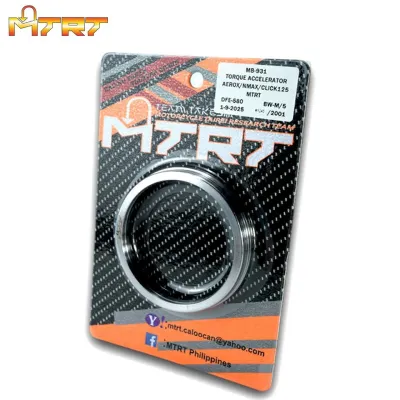
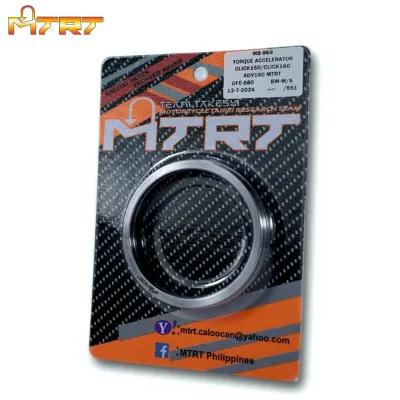
Prices are valid at publication and may change. Please refer to the product page for the latest price.
The rear clutch assembly is another common culprit behind poor acceleration. The clutch shoes must grip the inner surface of the clutch bell firmly to move the vehicle forward. If the shoes are worn down to the metal backing, or if the clutch bell has become warped and discolored from excessive heat, the clutch will slip. This slipping manifests as a shuddering sensation or delayed engagement when accelerating from a complete stop.
Finally, do not overlook non-transmission components that directly affect engine output. A clogged air filter starves the engine of oxygen, while a degraded spark plug can cause weak combustion. Similarly, restrictions in the fuel delivery system, such as a dirty fuel injector or a clogged fuel filter, will limit the engine’s ability to produce power. Modifying your transmission will not resolve these fundamental engine performance issues, making a thorough diagnostic check the essential first step.
What a Torque Accelerator Actually Does to Your Drivetrain
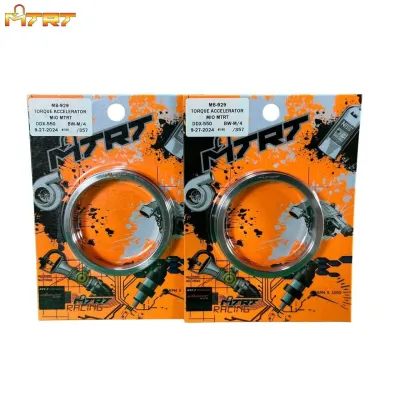
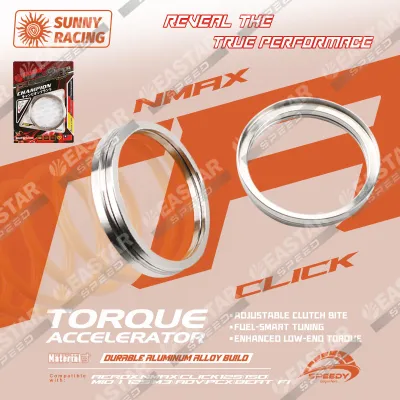
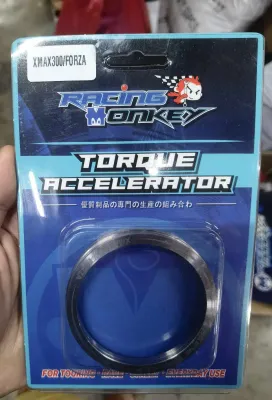
A motorcycle torque accelerator—often referred to as a torque drive, high-angle groove pulley, or modified secondary sliding sheave—is designed to alter how the rear pulley behaves under load. Mechanically, this component features redesigned guide paths or ramps that control the opening and closing of the secondary pulley. By changing the angle of these grooves, the torque accelerator modifies the pulley ratio and forces the drive belt to transition differently along its path. This mechanical shift keeps the engine in its optimal power band longer during acceleration, providing a more responsive feel.

Unlike factory CVT tuning, which is engineered by manufacturers to balance fuel economy, component longevity, and smooth daily commuting, aftermarket torque drives prioritize immediate throttle response. The stock setup typically uses a curved or dual-angle groove design to transition quickly into a higher gear ratio for fuel efficiency. An aftermarket torque accelerator often utilizes straight, steeper grooves to delay this upshift, keeping the transmission in a lower gear ratio longer to maximize torque delivery when you open the throttle.
It is vital to maintain realistic expectations regarding what these components can achieve. A torque accelerator cannot create horsepower out of thin air; it merely optimizes the distribution of the power your engine already produces. If your engine is rated for a specific horsepower, a drivetrain modification only changes how quickly or smoothly that power is delivered to the rear tire. It will not turn a low-displacement commuter scooter into a high-performance racing machine.
Before purchasing any aftermarket transmission part, carefully read the product labels and manufacturer specifications. Verify the materials used in construction, such as high-tensile steel or specialized coatings designed to withstand friction. Ensure the manufacturer clearly outlines the intended performance characteristics and operational limits of the part, as installing a component designed for track racing on a daily commuter can lead to premature wear of your drive belt and pulleys.
Maintenance vs. Modification: Making the Right Choice
Deciding whether to perform standard maintenance or install an aftermarket torque accelerator depends on your specific riding conditions and the current state of your motorcycle. If your scooter previously accelerated perfectly but has gradually lost its responsiveness over thousands of kilometers, a standard Original Equipment Manufacturer (OEM) replacement kit is usually the best path. Replacing worn rollers, a stretched belt, and tired clutch springs with fresh OEM parts will fully restore the factory performance you originally enjoyed, without altering the vehicle’s engineering balance.
On the other hand, modifications may be appropriate if your daily riding demands exceed the design parameters of a stock commuter scooter. For instance, if you regularly carry heavy cargo, ride with a pillion passenger, or frequently navigate steep mountain passes like those in Antipolo or Tagaytay, your transmission is subjected to continuous high loads. In these specific scenarios, a torque accelerator can help keep the engine in its power band, preventing the transmission from bogging down on steep inclines.
When making your decision, evaluate the total budget in Philippine Pesos (₱) for both options. A comprehensive CVT service using OEM replacement parts is generally highly cost-effective and ensures long-term reliability. Conversely, purchasing aftermarket modification parts, which often require matching stiffer torque springs and specialized roller weights to function correctly, can quickly escalate in cost. You must weigh this financial investment against the actual utility the modification provides for your daily commute.
Additionally, be aware of the risk of masking underlying mechanical issues with drivetrain modifications. Installing a torque accelerator to compensate for a weak engine, low compression, or a failing fuel pump might temporarily mask the sluggishness, but it will eventually lead to more severe mechanical failures. Always ensure your engine is in peak mechanical health before attempting to modify how its power is delivered to the ground.
Safety, Compatibility, and Installation Boundaries
Altering your motorcycle’s drivetrain introduces significant safety and compatibility considerations that must not be overlooked. You must verify that any aftermarket torque accelerator is explicitly compatible with your motorcycle’s exact make, model, year, and engine displacement. Never assume a part will fit simply because it looks similar to your stock component or is labeled for a general category of scooters. Consult the manufacturer’s official documentation and compatibility charts to confirm precise dimensions and mounting interfaces.
Modifying your transmission can also have legal and financial implications. In many jurisdictions, aftermarket modifications to the drivetrain can void your manufacturer’s factory warranty or complicate insurance claims in the event of an accident. Before installing any non-standard parts, review your warranty terms and consult your insurance provider to understand how these changes might affect your coverage and road legality.
While basic CVT cleaning is a common DIY task, installing a torque accelerator requires specialized tools, such as a clutch spring compressor and a torque wrench, to ensure proper assembly. If you lack the proper equipment or experience, stop your DIY attempt and consult a qualified motorcycle mechanic. Incorrect installation can lead to loose nuts, misaligned pulleys, or a bound clutch assembly, which can cause catastrophic transmission failure while riding.
Following any installation or major transmission service, adhere to a strict break-in procedure. Avoid sudden full-throttle acceleration for the first few dozen kilometers to allow the new components and the drive belt to seat properly. Regularly check the belt tension and inspect the transmission case for any abnormal vibrations, unusual whining noises, or excessive heat buildup, which are early warning signs of installation errors or component incompatibility.
Frequently Asked Questions (FAQ)
Will a torque accelerator fix a slipping drive belt or worn clutch?
No, a torque accelerator cannot compensate for damaged, worn, or slipping consumable components. If your drive belt is stretched or your clutch shoes are worn down, installing an aftermarket torque drive will not resolve the issue and may actually accelerate the wear on these parts. You must replace all worn wear-and-tear components with fresh parts before evaluating whether you need any performance modifications.
Does installing a torque accelerator require ECU remapping?
Generally, a mechanical change to the CVT pulleys does not require electronic control unit (ECU) remapping, as it only alters the physical gear ratios rather than engine combustion. However, if the modification significantly changes how long the engine stays at high RPMs, it could affect fuel consumption and operating temperatures. Always consult the part manufacturer’s instructions to verify if any adjustments to your fuel mapping or sensors are recommended for your specific motorcycle model.
Community discussion
Share your experience or ask a question. Comments are reviewed before publication.