
Understanding the numbers on a bottle of diesel engine oil is the first step toward protecting your engine from premature wear. Viscosity grades like 5W-30 and 15W-40 represent how the oil flows under different temperature conditions. Selecting the correct grade ensures critical internal components remain lubricated, whether starting the vehicle on a cool morning or hauling heavy loads in intense tropical heat.
Viscosity is a fluid’s resistance to flow. In an engine, oil must be thin enough to circulate rapidly during startup, yet thick enough to maintain a protective film between moving parts under extreme heat. If the oil is too thin, metal-on-metal contact occurs; if too thick, the engine wastes energy, leading to poor fuel efficiency and delayed lubrication.
Diesel engines place unique, heavy demands on lubrication compared to gasoline engines. They operate under higher compression ratios, generate greater internal pressures, and utilize heavier moving parts. Additionally, diesel combustion produces soot and acidic byproducts that contaminate the oil, making a robust and correctly rated lubricant essential for engine longevity.
Products mentioned in this guide
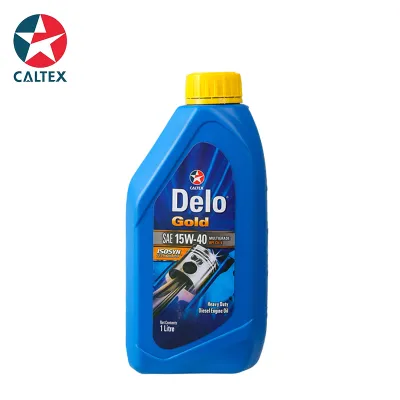
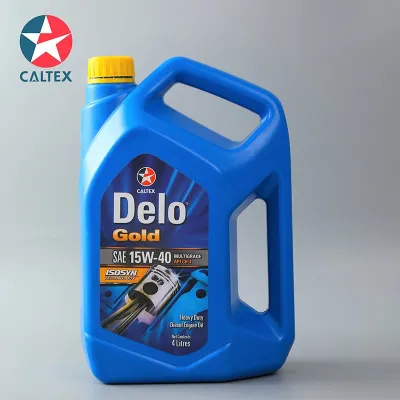
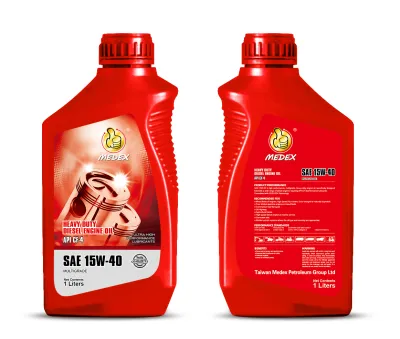
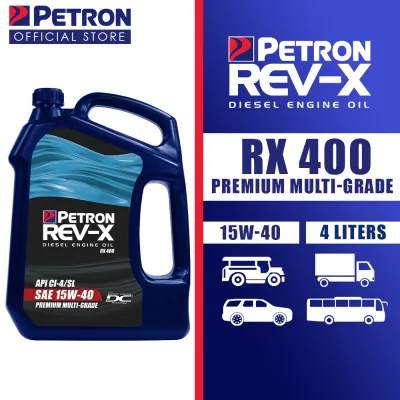
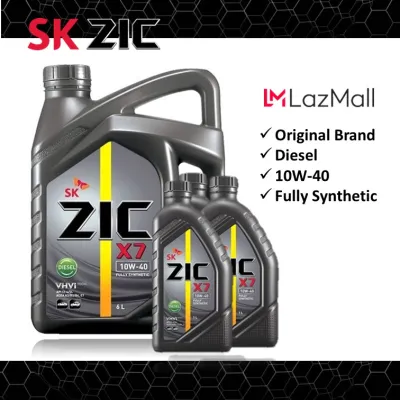
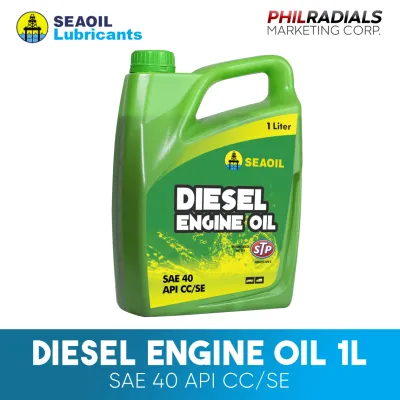
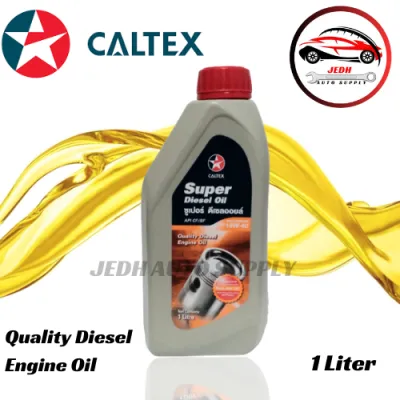

Prices are valid at publication and may change. Please refer to the product page for the latest price.
Decoding the Viscosity Grade: What the Numbers and "W" Mean
The Society of Automotive Engineers (SAE) established the standardized grading system found on diesel engine oil labels. A grade like 5W-30 or 15W-40 designates a multi-grade oil, which is engineered to perform reliably across a wide range of operating temperatures.
In these ratings, the letter “W” stands for “Winter,” not weight. The number preceding the “W” indicates the oil’s flow characteristics at low temperatures. A lower number, such as 5W, means the oil remains fluid and flows easily in cold conditions, whereas a higher number, like 15W, indicates a thicker oil that moves more slowly when cold.
While “Winter” might seem irrelevant in a tropical country like the Philippines, the cold-start rating remains highly significant. Here, “cold” refers to ambient morning temperatures—typically between 25°C and 30°C—after the engine has rested overnight. Upon startup, a lower cold-start rating like 5W allows the oil to pump quickly to the upper valvetrain, minimizing the dry friction that causes the vast majority of engine wear.
The second number in the grade, such as 30 or 40, represents the oil’s kinematic viscosity at normal engine operating temperature, standardized at 100°C. This number indicates how thick the oil film remains once the engine is fully warmed up. A higher second number means the oil retains more body and resists thinning out under extreme heat and heavy mechanical loads.
Ultimately, a multi-grade diesel engine oil utilizes specialized polymer additives called viscosity index index improvers. These additives allow a 5W-30 oil to flow like a thin 5-weight oil at low temperatures to protect the engine during startup, while maintaining the protective film of a thicker 30-weight oil once the engine reaches its optimal operating temperature.
Comparing Common Grades: 5W-30 vs. 15W-40 in Tropical Climates
The choice between 5W-30 and 15W-40 often comes down to the design of your vehicle’s engine and its intended use case. These two grades serve distinct roles, particularly in tropical environments.

A 5W-30 diesel engine oil is typically formulated for modern, light-duty diesel engines, such as those found in daily-driven midsize SUVs and pickup trucks. Modern engines are engineered with incredibly tight clearances between bearing surfaces. A thinner oil like 5W-30 reduces internal drag, which improves fuel economy and allows the oil to circulate rapidly. This rapid circulation is vital for cooling turbochargers and ensuring immediate lubrication upon startup.
Conversely, 15W-40 has long been the traditional standard for heavy-duty commercial diesels, older utility vehicles, and heavy-duty trucks. These engines often feature wider bearing clearances and operate under severe mechanical stress, such as hauling heavy payloads or towing trailers over long distances. The thicker high-temperature film of a 15W-40 oil provides a robust cushion that protects older, heavily loaded components from direct contact.
A common misconception among vehicle owners in the Philippines is that the hot tropical climate automatically requires a thicker oil like 15W-40. This is a risky assumption. Modern diesel engines are specifically engineered, manufactured, and tested to run on lighter viscosity oils like 5W-30. Pouring a thick 15W-40 oil into an engine designed for a thinner grade can lead to sluggish oil flow, higher operating temperatures, increased fuel consumption, and oil starvation in the upper valvetrain.
How to Choose the Right Viscosity for Your Diesel Engine
Selecting the correct diesel engine oil viscosity requires a methodical approach that prioritizes engineering specifications over anecdotal advice. Following a structured decision-making process will protect your vehicle’s warranty and extend its service life.
First, always consult your vehicle’s owner’s manual. The manufacturer’s manual is the absolute authority on which SAE viscosity grades are safe for your specific engine model and year. Beyond the viscosity grade, you must verify that the oil meets the required performance standards, such as API (American Petroleum Institute) classifications like CK-4, or ACEA (European Automobile Manufacturers’ Association) specifications. Using an oil with the correct viscosity but the wrong performance certification can lead to premature oil degradation and engine damage.
Second, evaluate your specific driving conditions. If your daily route involves severe duty cycles—such as prolonged idling in heavy metropolitan traffic, frequent short trips, or carrying maximum payloads under the hot sun—your manual may offer a range of acceptable viscosities. In these cases, choosing a slightly higher viscosity within the manufacturer’s approved range can provide extra protection against thermal breakdown, provided the manual explicitly permits it for your operating temperature.
Third, consider the physical condition and age of the engine. High-mileage diesel engines that have experienced significant wear may develop wider clearances between internal bearings, sometimes resulting in a drop in oil pressure. Under professional guidance, switching to a slightly thicker oil within the manufacturer’s approved limits can help maintain adequate oil pressure. However, this adjustment should never exceed the boundaries specified by the manufacturer.
Before purchasing any diesel engine oil or performing maintenance, always check the product label to ensure compatibility with your vehicle’s emission control systems, such as Diesel Particulate Filters (DPF). Arbitrarily changing viscosity grades outside of manufacturer recommendations can void your vehicle’s warranty and cause catastrophic engine failure. If you are unsure about the correct specifications or if your owner’s manual is unavailable, consult an authorized dealership or a qualified automotive technician before proceeding.
Frequently Asked Questions (FAQ)
Can I mix 5W-30 and 15W-40 diesel engine oils?
In an absolute emergency—such as when your oil level is critically low and you risk running the engine dry—mixing these two viscosities is acceptable to get you safely to a service station. However, doing so alters the intended viscosity profile and can dilute the effectiveness of the specialized additive packages in each oil. You should avoid mixing different grades for regular operation. If you must mix them in an emergency, schedule an oil and filter change as soon as possible to restore a uniform, approved lubricant to your engine.
Is thicker oil always better for older, high-mileage diesel engines?
No, thicker oil is not universally better for older engines. While a slightly thicker oil can help seal worn piston rings and maintain oil pressure in engines with worn bearings, going too thick can cause severe issues. If you use an oil that is significantly thicker than what the oil pump was designed to handle, the pump will struggle to circulate the fluid. This can starve critical upper engine components, such as the camshaft and valve assembly, of lubrication during startup, accelerating wear rather than preventing it. Always stick to the high-mileage recommendations provided in your vehicle’s documentation or seek a professional diagnostic assessment.
Community discussion
Share your experience or ask a question. Comments are reviewed before publication.