
Selecting a disc brake lock with alarm requires balancing physical toughness with reliable electronics. To protect your motorcycle from theft, you must look for a lock made of hardened steel or high-grade alloy, a locking pin that fits your brake disc’s ventilation holes, and a weather-resistant alarm system that deters thieves without triggering false alerts. Evaluating these key specifications ensures you invest in a security accessory that physically blocks wheel rotation while providing an active auditory warning.
Understanding Lock Material and Pin Size
The physical strength of your disc brake lock with alarm is your primary line of defense against physical attacks like cutting, sawing, or hammering. When shopping, look for locks constructed from hardened steel or heavy-duty alloy materials. You can verify these material claims by checking the product packaging, technical specifications, or the manufacturer’s official documentation for certifications or hardening treatments.
Equally critical is the locking pin diameter, which must pass cleanly through one of the ventilation holes on your motorcycle’s brake disc. Before purchasing, use a caliper or a precise ruler to measure the diameter of the holes on your disc. Choosing a pin that is too thick will make the lock impossible to mount, while a pin that is too thin might allow excessive movement, reducing security.
Products mentioned in this guide
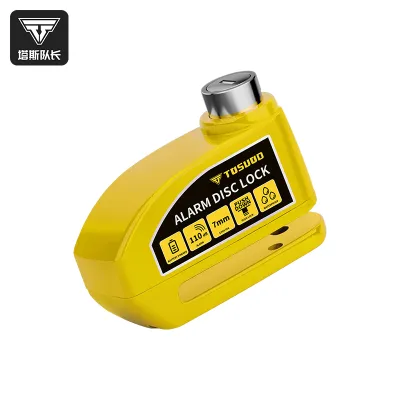
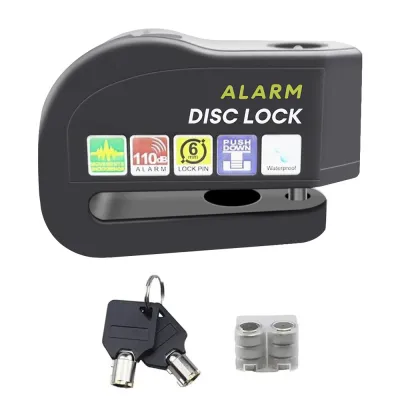
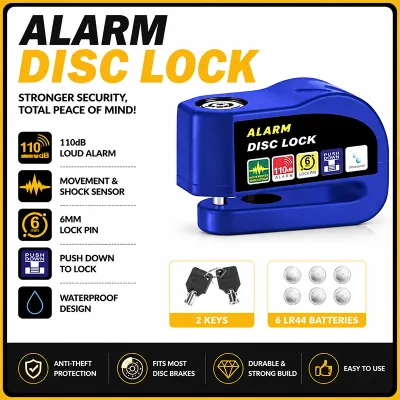
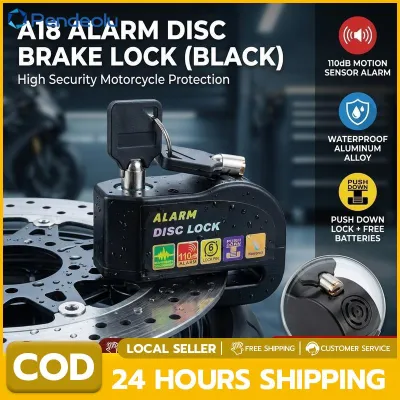
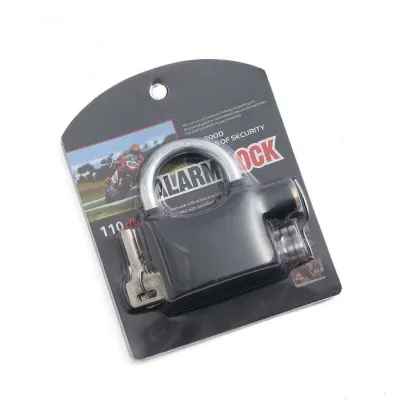
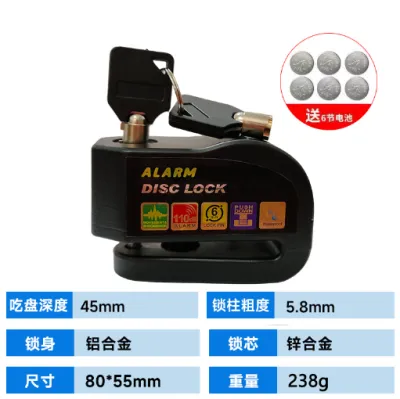
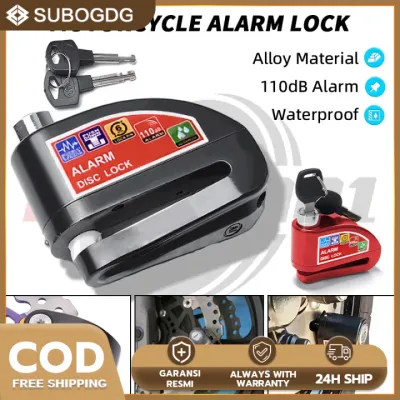
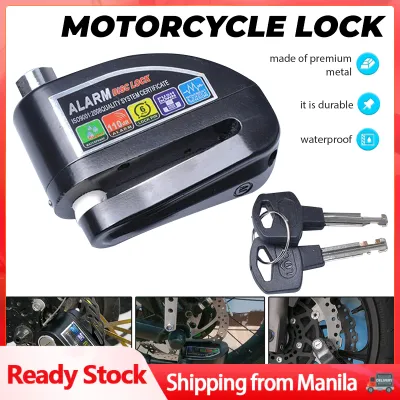
Prices are valid at publication and may change. Please refer to the product page for the latest price.
There is a natural trade-off between physical mass and daily convenience. Thicker, heavier locks offer superior resistance to manual tools but can be bulky to carry in a small under-seat compartment or backpack. Consider your daily commute and storage options when deciding between a heavy-duty lock for long-term parking and a lighter, more portable model for quick stops.
Evaluating Alarm Sensitivity and Sound Output
An alarm that is too quiet will fail to deter thieves, while one that is overly sensitive will trigger constantly in busy public parking areas, causing unnecessary noise pollution. To ensure the alarm is effective in noisy outdoor environments, check the decibel (dB) rating printed on the product packaging. A higher decibel rating helps the sound cut through ambient traffic and street noise, drawing immediate attention to any tampering.

Look for locks that feature adjustable sensitivity levels or advanced motion-detection systems. Some models use simple shock sensors that trigger at the slightest vibration, while others require sustained movement or a specific tilt angle to activate. Adjustable settings allow you to fine-tune the lock’s responsiveness based on where you park, preventing false alarms caused by passing heavy trucks or nearby footsteps.
Additionally, consult the user manual to understand the arming and disarming delays. A well-designed lock usually provides a short delay or a warning beep when first touched, giving you enough time to insert the key and unlock it without triggering the full siren. Understanding this operational sequence prevents accidental activation during your daily routine.
Checking Battery Life and Weather Resistance
Because these security devices are exposed to the elements, they must be built to withstand harsh tropical conditions, including intense heat, high humidity, and sudden downpours. When evaluating a disc brake lock with alarm, check the device or packaging for an official Ingress Protection (IP) rating. A higher IP rating, such as IP65 or IP67, indicates that the lock’s electronic housing is sealed against dust and heavy rain, preventing water ingress from shorting out the alarm.
Battery configuration is another critical factor for long-term maintenance. Some locks feature replaceable button-cell or lithium batteries housed in a secure, tool-accessible compartment, while others use sealed internal batteries that cannot be replaced. Replaceable systems allow you to keep the alarm functional for years, provided you check the seals during every battery change to maintain water resistance.
When reviewing battery specifications, look for the manufacturer’s estimated battery lifespan under typical usage conditions rather than just standby time. Frequent alarm triggers will drain the battery much faster than idle monitoring. Regularly testing the alarm function ensures you are never left with a silent lock when you need protection most.
Matching the Lock to Your Motorcycle's Brake Disc
To avoid purchasing an incompatible lock, you must perform a physical verification of your motorcycle’s brake assembly. Start by measuring the thickness of your brake disc and comparing it to the lock’s throat depth, which is the distance from the locking pin to the inner back of the lock body. The lock must slide far enough onto the disc for the pin to align with a ventilation hole without pinching the disc surface.
Next, check the clearance between the mounted lock and your motorcycle’s surrounding components, such as the brake caliper, wheel rim, and front fork. A lock that fits the disc but rubs against the caliper or suspension can scratch your bike or cause mechanical interference. Ensure there is sufficient clearance for the lock to sit comfortably without putting pressure on these sensitive parts.
Always remember to remove the lock before starting your motorcycle, as riding with the lock engaged can cause severe damage to your brake caliper, suspension, or front fork, and may lead to a sudden fall. Using a bright reminder cable looped from the lock to your handlebar is a highly recommended safety practice. Always consult the lock manufacturer’s official compatibility lists or fitment guides before finalizing your purchase on an online marketplace.
Features That Matter Less for Daily Security
When shopping within a specific ₱ budget, it is easy to get distracted by aesthetic features that do not contribute to actual security. Bright neon colors or custom decals can act as a visual deterrent to remind you to remove the lock before riding, but they do not improve the physical cut resistance or structural integrity of the steel. Focus your budget on material quality rather than premium paint finishes.
Similarly, basic smart connectivity features, such as Bluetooth tracking or app-based notifications, often add complexity and cost without enhancing the physical barrier. If the lock’s core physical construction is weak, smart features will not stop a determined thief from physically removing the lock. A robust mechanical cylinder and a hardened steel body should always take priority over digital add-ons.
Finally, remember that a higher price tag does not automatically guarantee superior steel hardness or better alarm reliability. Some premium-priced locks charge more for brand recognition or complex key designs that do not necessarily offer better resistance to common physical attacks. Always verify the actual material specifications and IP ratings rather than relying on price as a proxy for quality.
Frequently Asked Questions (FAQ)
Can a disc brake lock with alarm drain my motorcycle's battery?
No, a disc brake lock with an alarm operates entirely on its own independent internal batteries, such as button cells or dedicated lithium packs. It has no physical or electrical connection to your motorcycle’s wiring harness or battery system. You can leave the lock mounted on your brake disc indefinitely without worrying about draining your motorcycle’s starting battery or affecting its electrical performance.
How do I prevent false alarms in heavy rain or strong winds?
To minimize false alarms during severe weather, choose a lock that offers adjustable sensitivity settings so you can lower the shock detection threshold when heavy rain or high winds are expected. Additionally, pay attention to how the lock rests on the disc; if it hangs loosely and bangs against the brake caliper or wheel spokes when vibrated by the wind, it is more likely to trigger. Positioning the lock so it rests snugly against a solid part of the disc can help dampen wind-induced movement.
Community discussion
Share your experience or ask a question. Comments are reviewed before publication.