
Maintaining a pristine car interior in a tropical climate like the Philippines presents constant challenges, from fine road dust settling on the dashboard to sweat and humidity soaking into the upholstery. While reaching for household detergents might seem like a quick, budget-friendly fix, using the wrong chemicals can permanently ruin your vehicle’s cabin surfaces. The key to successful DIY car interior cleaning lies in matching the right low-moisture techniques to your foam seats and using ammonia-free, streak-free solutions on your glass. By understanding the specific material tolerances of your vehicle, you can safely lift deep-seated grime and maintain a fresh, hygienic cabin without risking expensive structural damage or unsightly discoloration.
What materials and surfaces require special care during DIY car interior cleaning?
Before mixing any cleaning solutions, you must identify the exact materials inside your cabin, as automotive surfaces are far more sensitive than household fixtures. Automotive glass, for instance, is rarely just bare glass. Many modern vehicles feature aftermarket window tints, integrated defroster lines on the rear windshield, or specialized anti-glare and UV-blocking coatings on the front windshield and side windows. Standard household glass cleaners often contain harsh chemical agents that can chemically react with these films and coatings, causing them to peel, bubble, or turn purple over time.
The seats present an entirely different set of physical vulnerabilities, particularly when dealing with polyurethane foam cores covered by fabric or perforated leather. Foam is highly porous and acts like a giant sponge, absorbing any liquid applied to the surface. If excess water or heavy liquid cleaners penetrate deep into the seat cushion, the moisture becomes trapped within the dense cell structure. In a warm, humid environment, this trapped moisture creates an ideal breeding ground for mold, mildew, and musty odors that are nearly impossible to eliminate without completely replacing the seat foam.
Products mentioned in this guide
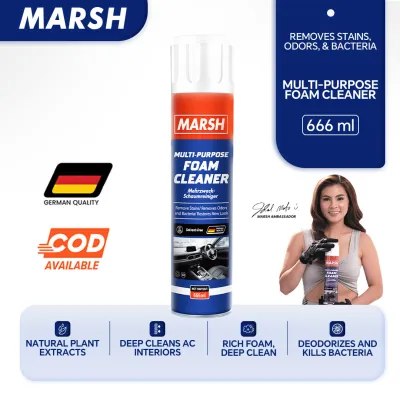
88 Lazada user ratings
Fast cleaning solution, No rinsing needed, No rinsing needed, Safe for hands and surfaces, Safe for hands and surfaces, Powerful foaming act…Read full reviewShow less
Fast cleaning solution, No rinsing needed, No rinsing needed, Safe for hands and surfaces, Safe for hands and surfaces, Powerful foaming action, Powerful foaming action, Non-greasy finish, Non-greasy finish, Easy to use, Protects against fading,
Maganda mabilis makapag linis tapos ang bango pa.. make sure na lang na nalinis na muna talaga yung surface ng basahan bago gamitan nito par…Read full reviewShow less
Maganda mabilis makapag linis tapos ang bango pa.. make sure na lang na nalinis na muna talaga yung surface ng basahan bago gamitan nito para hindi siya malabo ang surface.. mas malinis siya kapag isang pasada ng punas ng malinis na basahan..
Safe for hands and surfaces, easy to use. spray is working well and it cleans dirt. thank you seller and thank you rider.
Powerful foaming action, Great for car interiors, Protects against fading, No rinsing needed,
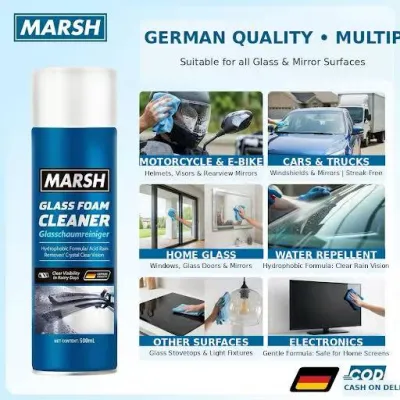
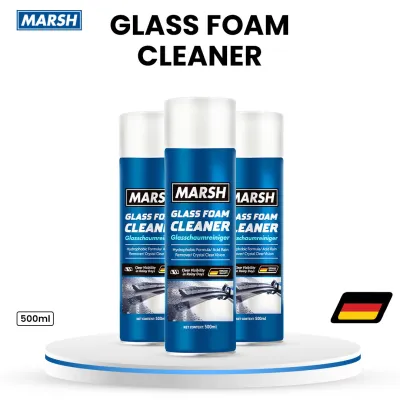
1,918 Lazada user ratings
👌Ease of Use:spray type, easy to use 💪Effectiveness:for observation, first time useFast shipping, fair enough Clear vision, just hesitant if…Read full reviewShow less
👌Ease of Use:spray type, easy to use 💪Effectiveness:for observation, first time useFast shipping, fair enough Clear vision, just hesitant if this will work o side mirrors. hope this will not affect the glass.
👌Ease of Use:Removes stains, Effective cleaning, Genuine product, 🔨Durability:nice packaging walang damage onbawas 🔒Safety:well sealed at na…Read full reviewShow less
👌Ease of Use:Removes stains, Effective cleaning, Genuine product, 🔨Durability:nice packaging walang damage onbawas 🔒Safety:well sealed at naka bubble wrap 💪Effectiveness:Sana effective xa wow
well package and effective! thank you seller, my to go good deal products thank you marsh ph! parang mala magic gem lang Hydrophobic formula…Read full reviewShow less
well package and effective! thank you seller, my to go good deal products thank you marsh ph! parang mala magic gem lang Hydrophobic formula, Fast shipping, Removes stains,
Easy to use, Fast shipping, Fast shipping, Removes stains, Removes stains, Hydrophobic formula, Effective cleaning, Clear vision, Good packa…Read full reviewShow less
Easy to use, Fast shipping, Fast shipping, Removes stains, Removes stains, Hydrophobic formula, Effective cleaning, Clear vision, Good packaging, Oil film removal,
Hydrophobic formula, Long-lasting shine, Easy to use, Fast shipping, Genuine product,
335 Lazada user ratings
Clear vision guarantee, Easy to use, Good seller service, Great for vehicles, Excellent packaging, Stain removal, Fast shipping,
Great for vehicles, Excellent packaging,
Fast shipping, Hydrophobic formula,
Excellent packaging,
Hydrophobic formula,
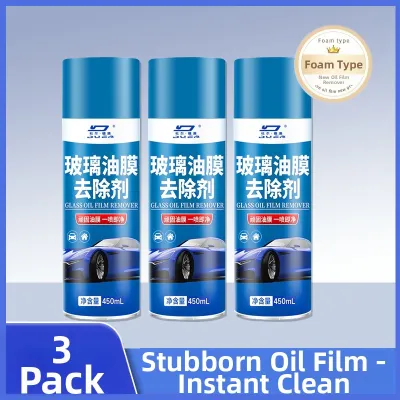
5 Lazada user ratings
Got this a few days ago and had time to test it. Got this DUER BEAO item on sale, what a steal! Cheaper than buying from a service center. G…Read full reviewShow less
Got this a few days ago and had time to test it. Got this DUER BEAO item on sale, what a steal! Cheaper than buying from a service center. Great value, will order more.
Just received this today. My DUER BEAO product has become part of my daily routine. Compatible with my vehicle, no issues at all. Five stars…Read full reviewShow less
Just received this today. My DUER BEAO product has become part of my daily routine. Compatible with my vehicle, no issues at all. Five stars from me!
Decided to try this after seeing good reviews. Packaging was secure and the item was in perfect condition. Highly recommend!
Finally received my order after a short wait. Five stars from me! Couldn't be happier with it.
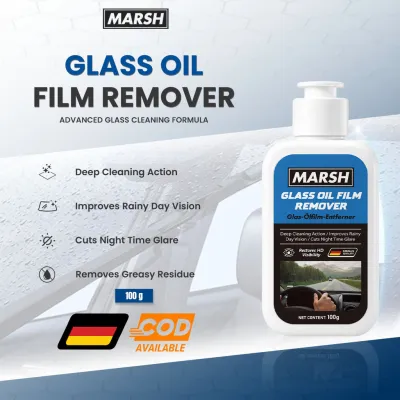
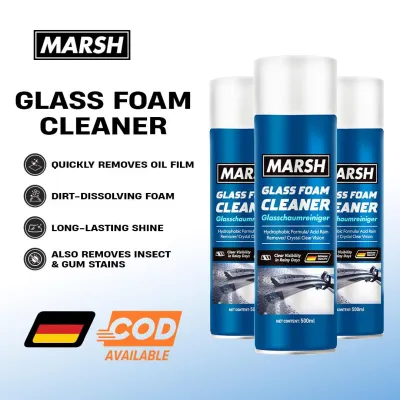
Prices are valid at publication and may change. Please refer to the product page for the latest price.
Furthermore, excessive moisture and aggressive scrubbing can accelerate the chemical breakdown of the foam itself, leading to a loss of structural support and premature sagging. To prevent these costly issues, always consult your vehicle’s owner’s manual and any aftermarket modification records before starting your cleaning routine. The manufacturer’s documentation often outlines specific material warnings, such as avoiding certain solvents on leather accents or keeping liquids away from integrated seat sensors, side airbags, and heating elements.
Which DIY cleaning ingredients are safe and effective for automotive glass?
To achieve crystal-clear visibility without compromising your window treatments, you must select mild, fast-evaporating ingredients that dissolve oily residues without leaving a film. A highly reliable DIY glass cleaning base consists of a one-to-one mixture of isopropyl alcohol (70% concentration) and distilled water. Isopropyl alcohol acts as a mild solvent that rapidly cuts through off-gassing film—the hazy residue caused by plasticizers evaporating from your car’s dashboard—while distilled water ensures that no mineral spots are left behind as the solution dries.

You must strictly avoid any cleaning mixtures that contain ammonia, which is a common ingredient in household window sprays. Ammonia chemically attacks the adhesives used in aftermarket window tinting films, leading to rapid peeling, bubbling, and severe discoloration. Additionally, ammonia can degrade the delicate rubber weatherstripping and seals surrounding your windows, causing them to dry out, crack, and eventually leak during heavy tropical downpours. Abrasive tools, such as stiff-bristled brushes, steel wool, or rough paper towels, must also be avoided, as they can permanently scratch glass surfaces and damage delicate rear-window defroster grids.
The application method is just as critical as the chemical mixture itself to ensure a streak-free finish and protect your vehicle’s interior. Instead of spraying the DIY solution directly onto the glass—which can cause overspray to land on sensitive dashboard plastics or run down into the door panels—spray a light mist onto a clean, high-pile microfiber cloth first. Wipe the glass in a consistent grid pattern, moving horizontally and then vertically, to ensure complete coverage. Immediately follow up with a second, dry microfiber cloth to buff away any remaining moisture before it can dry naturally and leave streaks. Pay close attention to the window edges, ensuring no liquid pools near the rubber seals.
How can you clean foam seats and fabric surfaces without causing mold or damage?
Cleaning foam seats requires a strict low-moisture approach to prevent liquids from reaching the deep, porous layers of the cushion. Soaking your car seats is a critical failure point in DIY detailing; once water saturates the inner foam, the lack of airflow inside a closed vehicle makes natural drying extremely slow. This prolonged dampness not only triggers rapid mold and mildew growth but also weakens the adhesives and structural integrity of the foam, leading to crumbling and permanent deformation of the seat bolster.
To clean fabric seats safely, you should utilize a dry-foam or low-moisture surfactant method rather than liquid saturation. You can create a highly effective low-moisture cleaner by mixing a few drops of mild, pH-neutral dish soap or specialized upholstery concentrate with warm distilled water in a spray bottle, shaking it vigorously to generate a thick, dry foam. Scoop only the dry suds onto a soft-bristled upholstery brush and gently work the foam into the fabric surface in circular motions. This technique allows the active surfactants in the foam to lift dirt and oils from the fabric fibers without allowing liquid water to sink into the underlying foam cushion.
For targeted spot cleaning of stubborn stains, use a damp microfiber cloth lightly misted with your mild soap solution, blotting the stain from the outside inward to prevent it from spreading. Once the scrubbing or blotting is complete, immediately press a dry, clean towel firmly into the treated area to extract as much residual moisture as possible. You can repeat this blotting process several times with fresh, dry towels until no more dampness transfers to the cloth.
After cleaning, you must implement a rigorous drying protocol before sealing the vehicle or sitting on the seats. Park the car in a secure, well-ventilated area with all doors or windows open, preferably under direct sunlight to utilize natural heat. To accelerate the process in humid conditions, position a high-velocity floor fan or a household dehumidifier inside the cabin to force continuous airflow across the damp surfaces. Before declaring the job finished, perform a physical moisture check by pressing a dry paper towel deep into the seat seams; if any dampness is detected, continue the drying process to ensure the core is completely dry.
What are the essential safety checks and spot-testing steps before applying DIY cleaners?
Even when using mild, household-derived ingredients, you must perform a systematic spot test before applying any DIY mixture to highly visible cabin surfaces. Chemical reactions can vary wildly depending on the age of the vehicle, previous detailing treatments, and exposure to UV radiation. To minimize risk, select a highly inconspicuous test area, such as the lower edge of a window tint film near the door panel, or a hidden fabric seam underneath the seat cushion where any potential damage will remain completely out of sight.
Apply a tiny drop of your DIY solution to the test area using a cotton swab, let it sit for sixty seconds, and then gently wipe it away with a clean white cloth. Examine both the surface and the cloth carefully for any visual or tactile warning signs of an adverse reaction. On glass or tint films, look for immediate clouding, haziness, or a sticky texture that indicates the adhesive is dissolving. On fabric or foam, check the white cloth for dye transfer, and feel the surface to ensure it has not suffered from discoloration, fiber stiffness, or structural melting.
You must establish clear stop conditions to protect your vehicle from permanent damage during this testing phase. If you observe any color bleeding, surface distortion, or unusual chemical odors, abort the DIY cleaning process immediately. Rinse the test area thoroughly with a small amount of clean, distilled water, blot it dry with a clean towel, and do not attempt to apply the mixture elsewhere. If the test area fails, it is a clear indication that your vehicle’s materials require a different chemical formulation or professional-grade attention.
When should you stop DIY cleaning and switch to professional automotive products?
While DIY solutions are highly effective for routine maintenance and light dust, they have distinct chemical limitations when confronting severe or specialized contamination. Stubborn contaminants such as deeply embedded grease, tree sap, road tar, or dye transfer from dark denim jeans often require specialized solvents that household ingredients cannot replicate safely. Attempting to scrub these stubborn stains away with improvised DIY mixtures usually results in fabric thinning, color fading, or permanent damage to the underlying seat foam.
Using improvised household alternatives on sensitive automotive plastics, leather accents, or specialized acoustic foams also carries significant risk. Modern car interiors feature complex material blends, including soft-touch plastics and synthetic leathers, which can dry out, crack, or lose their protective topcoats when exposed to non-automotive detergents. When DIY methods fail to lift a stain or when you are dealing with delicate, high-value cabin materials, it is best to stop and switch to dedicated, commercially formulated automotive interior cleaners, saving you from spending ₱1,500 or more on professional detailing services for minor spills.
These specialized products are engineered specifically to target automotive soils while remaining safe for sensitive cabin materials under high-temperature conditions. You can easily source reputable automotive interior cleaners, pH-neutral fabric shampoos, and dedicated glass cleaners from physical auto supply shops or trusted online marketplaces. When purchasing, always read the product labels carefully to verify compatibility with your specific vehicle model and interior materials, ensuring a safe and professional-grade result every time.

Community discussion
Share your experience or ask a question. Comments are reviewed before publication.