
Direct Answer: Do Bundled Car Wash Shampoos Actually Clean Well?
The effectiveness of car wash shampoos included in pre-packaged car care packages varies significantly depending on the formulation, the vehicle’s paint condition, and the level of road grime. While many bundled shampoos offer adequate cleaning power for regular maintenance washes on lightly soiled vehicles, they often lack the advanced lubricity, high-concentration foaming agents, or specialized dirt-encapsulation properties found in premium, standalone car wash soaps.
For a daily-driven vehicle subjected to typical road dust and light rain, a bundled shampoo is generally safe and effective to use, provided it is formulated properly and diluted according to the manufacturer’s instructions. However, if your vehicle is covered in heavy monsoon mud, stubborn asphalt road grime, or has a delicate aftermarket ceramic coating, these bundled formulas may fall short. In those scenarios, relying on a basic bundled soap without proper pre-washing steps can increase the risk of creating micro-scratches and swirl marks on your clear coat.
How to Evaluate the Quality of Shampoos in Car Care Packages
To determine whether the shampoo in your car care kit is safe for your paint or if it should be relegated to washing your wheels and wheel wells, you must evaluate it across several critical performance dimensions. Understanding these factors helps you protect your vehicle’s finish while achieving a thorough clean.
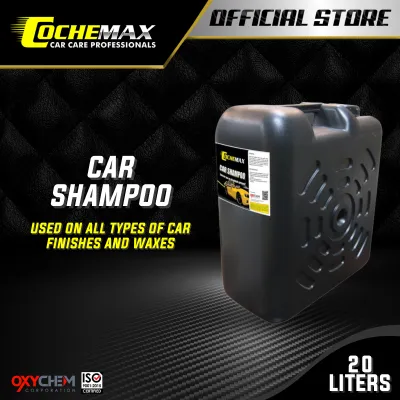
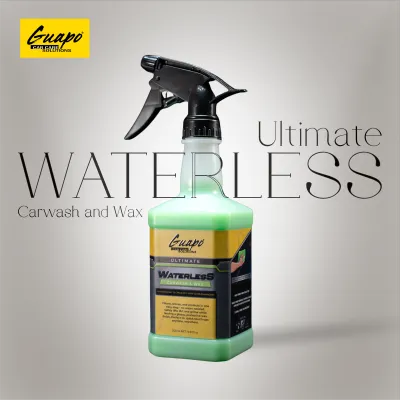
Products mentioned in this guide
Prices are valid at publication and may change. Please refer to the product page for the latest price.

pH Balance
A high-quality car wash shampoo should be pH-neutral. This chemical neutrality ensures that the soap cleans the surface without stripping away existing layers of wax, paint sealants, or delicate ceramic coatings. Alkaline or acidic soaps are highly aggressive; while they excel at stripping heavy grease, they will degrade your paint’s protective barrier over time, leaving the clear coat exposed to UV damage and oxidation under the intense tropical sun.
Lubricity
Lubricity refers to the slickness of the soapy solution. When you glide a wash mitt across your vehicle’s paint, the shampoo must create a low-friction barrier between the mitt and the clear coat. This slick barrier allows dirt particles to slide off safely. If a bundled shampoo feels watery or lacks slickness when rubbed between your fingers, it will likely drag abrasive dirt particles across the paint, resulting in unsightly swirl marks.
Foaming Action
Foam is more than just a visual indicator of a working soap; it plays a mechanical role in safe car washing. Rich, stable foam clings to the vertical surfaces of the vehicle, trapping, encapsulating, and suspending dirt particles away from the paint. This suspension prevents the dirt from grinding against the clear coat during the hand-wash phase. Low-quality bundled soaps often produce thin, fast-dissolving bubbles that fail to suspend dirt effectively.
Residue and Streaking
A premium shampoo must rinse away completely clean, leaving no surfactant film, soap scum, or streaks behind. In high-humidity and high-temperature environments, soaps can dry rapidly during the wash process. If a shampoo contains cheap fillers or excessive artificial colorants and fragrances, it is highly prone to leaving a stubborn, hazy residue that dulls the paint’s natural gloss and requires tedious re-washing to remove.
Comparing Common Shampoo Formulations Included in Kits
Car care packages are assembled for different price points and user needs, meaning the type of shampoo included can vary. Identifying which formulation is in your kit allows you to adjust your washing technique and manage your expectations regarding the final finish.
Standard pH-Neutral Car Wash
Standard pH-neutral shampoos are the most common inclusion in entry-level and mid-range car care packages. These formulas focus purely on gentle cleaning, utilizing mild surfactants to lift daily dust and road film without adding any gloss enhancers, waxes, or protective polymers. Because they leave nothing behind, they are highly predictable and safe for frequent weekly maintenance washes on almost any paint finish.
These standard formulas are ideal if you prefer to apply your own dedicated paste wax, liquid sealant, or spray detailer after the wash. Since they do not deposit any foreign materials on the surface, they ensure that your post-wash protective products bond directly and cleanly to the paint or existing coating. However, because they lack gloss-enhancing additives, your car’s shine after the wash will depend entirely on the existing condition of your clear coat.
Wash and Wax (2-in-1) Formulas
Wash and wax formulas are popular in consumer-grade kits because they promise to clean and protect the vehicle in a single step. These shampoos contain suspended gloss agents, liquid carnauba wax, or synthetic polymers. As you rinse the soap away, these conditioning agents are designed to cling to the paint surface, leaving behind a thin, water-beading layer that temporarily boosts gloss and depth.
While convenient, these hybrid formulas involve a clear trade-off. To accommodate the waxing agents, the concentration of active cleaning surfactants is often reduced, making these soaps less effective at cutting through heavy road grime or greasy film. Furthermore, the micro-thin layer of wax deposited during a wash is highly temporary, typically lasting only a week or two, and cannot replace the robust, long-term protection of a dedicated, hand-applied wax or sealant.
High-Foam Concentrates
Often included in premium car care packages that feature a foam gun or foam cannon attachment, high-foam concentrates are engineered to produce an incredibly thick, shaving-cream-like lather. These formulas are designed to dwell on the vehicle’s surface for several minutes, softening and encapsulating abrasive dirt and environmental fallout before you even touch the paint with a wash mitt.
When using these high-foam concentrates, thorough rinsing is absolutely essential. Because they are highly concentrated and contain robust foaming agents, any soap left in the panel gaps, door jambs, or under trim pieces can dry into a stubborn, chalky soap scum. This is particularly problematic in regions with hard municipal tap water, as the minerals in the water can bind with the heavy soap surfactants, leaving difficult-to-remove water spots if not rinsed promptly and dried with a quality towel.
Observable Signs That Your Bundled Shampoo is Working
You do not need a laboratory to test the quality of your bundled car wash soap. By observing how the product behaves on your vehicle during and immediately after the wash, you can easily judge if it is performing safely and effectively.
Dirt Suspension
As you pass your soapy wash mitt over a dirty panel, observe how the grime reacts. A high-quality shampoo will lift the dirt off the paint and pull it into the mitt’s fibers with minimal physical pressure. If you find yourself needing to scrub vigorously or make multiple heavy passes over the same spot to remove basic road film, the shampoo lacks the surfactant strength or lubricity required for a safe clean.
Water Behavior During Rinsing
Pay close attention to how water behaves when you rinse the soap off each panel. If the shampoo is rinsing away cleanly, the water should sheet off the panels smoothly, leaving behind a clean surface that beads water according to whatever base protection (wax or sealant) you previously applied. If the water clings to the paint in patchy, sluggish sheets, or if the surface looks greasy, the shampoo is leaving behind an unwanted surfactant film.
Post-Dry Feel
Once the vehicle is completely dry, conduct a tactile inspection. Wash your hands, then gently slide the back of your fingers across a flat painted surface, such as the hood or roof. The paint should feel exceptionally smooth, clean, and slick. If the surface feels sticky, tacky, or “squeaky” (which indicates a complete stripping of surface oils and protection), the shampoo may be too aggressive or may have left a heavy residue.
Glass and Trim Check
Windows and black plastic trim are highly unforgiving and serve as excellent indicators of shampoo quality. Inspect your windshield and side glass after drying; they should be crystal clear and completely free of streaks or cloudy patches. Additionally, examine the black plastic trim around the bumpers and side mirrors. A low-quality shampoo will often dry into a white, chalky residue on porous plastic and rubber seals, which can be incredibly difficult to clean off.
Safe Washing Techniques to Maximize Cleaning Effectiveness
Even a premium car wash shampoo can cause paint damage if used incorrectly, while a mediocre bundled shampoo can deliver excellent, scratch-free results when paired with proper washing techniques. Implementing these safe practices helps compensate for any performance limitations in your bundled soap.
The Two-Bucket Method
To prevent scratching your paint, always use the two-bucket wash method. Fill one bucket with your diluted car wash shampoo solution and a second bucket with clean, clear water. Before dipping your wash mitt back into the soapy water, rinse it thoroughly in the clean water bucket and wring it out. This releases the dirt particles trapped in the mitt’s fibers into the rinse bucket, preventing you from transferring abrasive grit back onto your vehicle’s delicate paintwork.
Pre-Rinsing
Never apply soapy water directly to a dry, dusty, or muddy vehicle. Always perform a thorough pre-rinse using a garden hose or a pressure washer, starting from the top of the vehicle and working your way down. This initial rinse removes loose dust, sand, mud, and larger debris, significantly reducing the amount of abrasive material your wash mitt has to contend with during the hand-wash phase.
Washing in the Shade
In tropical climates, washing your car under direct sunlight is highly discouraged. The intense heat warms the vehicle’s metal panels, causing the water and shampoo to dry almost instantly. When soap dries on the paint, it leaves behind severe water spots and chemical etching that can be permanent. Always wash your vehicle early in the morning, late in the afternoon, or under a covered carport where the panels can remain cool to the touch.
Following Label Dilution Ratios
More soap does not equal a better wash. If you over-concentrate your shampoo in an attempt to get more suds, you will make the solution incredibly difficult to rinse off, increasing the risk of heavy residue, streaking, and premature stripping of your wax or sealant. Always check the applied product’s label for the manufacturer’s recommended dilution ratio. If you are dealing with aftermarket modifications, delicate vinyl wraps, or specialized matte paint, consult the treated item’s manufacturer instructions first to ensure chemical compatibility. If instructions conflict, the item is unidentified, or the use is not covered, stop and consult a qualified professional.
Choose Your Path: Keep the Bundled Shampoo or Upgrade?
Before deciding whether to continue using the shampoo included in your car care package or to invest in a premium standalone product, assess your vehicle’s specific needs and your personal detailing goals.
Keep using the bundled shampoo if:
- Daily Maintenance: Your vehicle is a daily driver subjected only to normal road dust and light rain, and you wash it on a regular weekly or bi-weekly schedule.
- Satisfactory Results: Your paint feels smooth, rinses clean, and shows no signs of heavy streaking, hazy residue, or white chalky deposits on plastic trim after washing.
- Basic Protection: Your vehicle has standard factory paint protected by basic consumer-grade waxes or spray sealants, and you do not mind reapplying them occasionally.
Upgrade to a standalone premium shampoo if:
- Ceramic Coatings: Your vehicle has a professional ceramic coating, which requires specialized, residue-free, pH-neutral maintenance shampoos to maintain its hydrophobic properties.
- Heavy Grime: You frequently drive through muddy rural roads, coastal areas with high salt content, or industrial zones with heavy fallout and stubborn road film.
- Visible Swirls: You notice an accumulation of fine scratches or swirl marks on your clear coat, indicating that your current wash soap lacks the necessary lubricity.
- Poor Rinsing: The bundled soap consistently leaves streaks on your windows or dries too quickly, making the wash process frustrating and labor-intensive.
Verify first if:
- Specialized Finishes: Your vehicle features delicate vinyl wraps, paint protection film (PPF), or specialized matte paint. These surfaces are highly sensitive to gloss enhancers and certain surfactants. Always check the wrap or paint manufacturer's care guidelines, and verify compatibility on the shampoo product label before proceeding. If there is any doubt or conflict in instructions, consult a professional detailer.
Frequently Asked Questions (FAQ)
Can I use the car wash shampoo from a kit on my motorcycle or bicycle?
Most pH-neutral car wash shampoos included in car care packages are safe for use on motorcycles and bicycles, but you must check the product label first to confirm compatibility with specific materials. Be highly cautious around exposed braking components, such as brake rotors, pads, and calipers, as some shampoos containing gloss enhancers or wax additives can leave a slippery residue that reduces braking efficiency. Additionally, avoid spraying high-pressure water directly into sensitive electrical components, bearings, or chains during the rinse phase.
Why does my car look dull after using the wash and wax shampoo from my package?
A dull or hazy appearance after using a 2-in-1 wash and wax shampoo is typically caused by improper dilution, inadequate rinsing, or washing the vehicle on hot panels under direct sunlight. When the soap solution dries too quickly, the wax polymers and surfactants dry unevenly on the clear coat, creating a cloudy film. To resolve this, ensure you always wash the vehicle in the shade when the panels are cool, follow the exact dilution instructions on the product label, and rinse each section thoroughly with clean water before moving to the next.
How long does an opened bottle of bundled car wash shampoo last?
Generally, an opened bottle of car wash shampoo has a shelf life of approximately one to two years, provided it is stored correctly. To maximize its lifespan, keep the bottle tightly sealed and store it in a cool, dry place away from direct sunlight and extreme temperature fluctuations. If you observe severe chemical separation that does not resolve after shaking the bottle vigorously, a significant change in the soap’s color, or a foul, rancid odor, the surfactants have likely degraded, and the product should be replaced to avoid poor cleaning performance or paint streaking.
Community discussion
Share your experience or ask a question. Comments are reviewed before publication.