
Tire valve caps do not directly hold back the pressurized air inside your tires, but they play an indispensable role in preventing slow air leaks during rainy weather. While the primary seal is maintained by the spring-loaded valve core nestled deep inside the stem, an uncapped valve is highly vulnerable to environmental elements. When you drive on wet roads without a cap, water, mud, and road grime easily enter the valve stem, leading to corrosion and seal degradation that eventually cause air to escape. Understanding how these small components protect your tire assembly can save you from the hassle of dealing with recurring low tire pressure and premature tire wear.
Recognizing Slow Tire Leaks in Wet Conditions
Identifying a slow leak caused by a compromised valve stem can be challenging, especially when wet weather masks the symptoms. One of the most common signs is the frequent need to top up your tire pressure shortly after driving through heavy rain or navigating deep puddles. When water enters an unprotected valve stem, it can temporarily seal a micro-leak or, conversely, accelerate the escape of air as the moisture interacts with a failing internal seal.
Another indicator is a faint, intermittent hissing sound coming from the wheel hub area when the tire is wet or immediately after you wash your vehicle. Water acts as a natural diagnostic agent; as air escapes through a wet valve, it may create tiny, barely audible bubbles or a soft whistling noise that is otherwise silent when the tire is completely dry.
Products mentioned in this guide
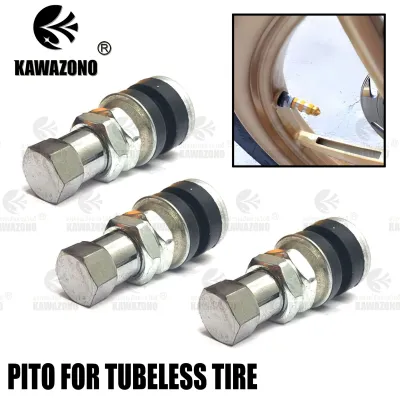
496 Lazada user ratings
Perfect fit for my bike, Sleek and stylish design, Durable and reliable valve, Improved performance with this valve, Convenient for motorcyc…Read full reviewShow less
Perfect fit for my bike, Sleek and stylish design, Durable and reliable valve, Improved performance with this valve, Convenient for motorcycle use, Efficient and effective, Convenient for motorcycle use, Great value for money, Great value for money,
ok naman siya, try Kong gamitin sa etrike hope mag fit siya. thanks seller at sa nag deliver. later ko pa siya ikakabit.
Improved performance with this valve, Efficient and effective, Sleek and stylish design, High-quality material,
Enhances safety while riding, Great value for money, Improved performance with this valve,
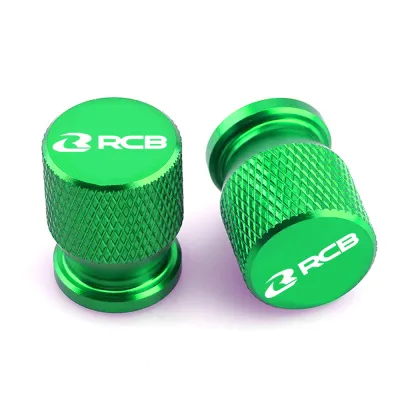
4,866 Lazada user ratings
Ease of Installation:fit Compatibility:useful Durability:alloy cap thanks seller I'm thinking to purchase again next upon consuming
Comes in a pair (2 pcs), Suitable for multiple models, Corrosion resistant material, Elegant zinc alloy finish.
Ease of Installation: User-friendly, Effortless installation, 👌Ease of Use: Elegant zinc alloy finish,
Comes in a pair (2 pcs), Suitable for multiple models, Suitable for multiple models, very good 👍
maganda at mukhang matibay sakto sa lagayan ng pito. rcb brand
Prices are valid at publication and may change. Please refer to the product page for the latest price.
You should also inspect the physical state of the valve stem after driving in wet conditions. If you notice a persistent accumulation of wet mud, road grit, or dark grime packed directly around the opening or base of the valve stem, it is a clear sign that road spray is actively entering the assembly. Over time, this trapped moisture and debris will work its way down to the delicate sealing mechanisms inside.
The Actual Role of Tire Valve Caps
To understand why valve caps are so critical in wet weather, it is essential to clarify a common automotive misconception. Many drivers believe that the plastic or metal cap is the primary barrier holding the air inside the tire. In reality, the primary mechanical seal is the Schrader valve core, a small, spring-loaded brass or stainless steel component threaded deep inside the metal or rubber valve stem. The valve core features a tiny rubber gasket that presses against the inner walls of the stem to keep the highly pressurized air contained.

The true job of the external tire valve cap is to act as a protective shield for this sensitive internal mechanism. When driving, your wheels spin at high speeds, creating a centrifugal force that can draw in road debris, water, and salt spray. The valve cap blocks these contaminants from entering the throat of the valve stem, ensuring that the valve core remains clean, dry, and free to function as designed.
Some high-quality valve caps feature an internal rubber O-ring or gasket that provides a secondary, backup seal. While this secondary seal can temporarily slow down a leak if the primary valve core begins to fail, it is not designed to be a permanent substitute for a damaged or worn-out valve core. Relying solely on a cap to hold back tire pressure will eventually lead to a sudden loss of inflation, especially under the high temperatures and stresses of highway driving.
How Rain and Moisture Trigger Valve Core Leaks
When you drive in rainy weather without a protective cap, the open valve stem acts as a funnel for road spray. Water mixed with microscopic road debris, sand, and brake dust is forced into the stem opening at high velocity. Once this mixture settles inside the throat of the valve, it creates a highly abrasive and corrosive environment directly on top of the valve core.
Over time, the trapped moisture causes the metal components of the valve core—typically made of brass, aluminum, or plated steel—to corrode. This corrosion can cause the tiny internal spring to lose its tension or bind, preventing the pin from returning to its fully closed position after you check or adjust your tire pressure. Additionally, the constant exposure to moisture and road chemicals degrades the delicate rubber seal on the valve core, causing it to harden, crack, or rot.
Furthermore, as the water eventually evaporates, it leaves behind a gritty residue of road grime and mineral deposits. The next time you apply an air chuck to inflate your tire, this grit is pushed directly into the sealing surface of the valve core. The debris prevents the rubber gasket from seating flat against the inner walls of the stem, creating a microscopic gap through which pressurized air slowly but continuously escapes.
Diagnosing and Fixing Valve-Related Air Leaks
If you suspect a slow leak is originating from your valve stem, you can perform a simple and safe diagnostic check at home using a mild soapy water mixture. Mix a few drops of liquid dish soap with water in a spray bottle or small cup, and apply it directly to the opening of the valve stem with the cap removed. If you observe a continuous stream of growing bubbles forming at the tip of the valve core, air is actively escaping from the primary seal.
Before attempting any adjustments or repairs, it is crucial to clean the area thoroughly. Use a small, soft-bristled brush or a clean microfiber cloth to remove any accumulated mud, rust, or road grime from the external threads of the valve stem and the top of the valve core. This prevents loose debris from falling further into the valve chamber during the repair process.
If the soapy water test reveals a leak, the issue may simply be a loose valve core. Using a dedicated valve core tool, gently turn the core clockwise to ensure it is snug; be careful not to overtighten it, as excessive force can strip the delicate brass threads or damage the internal rubber seal. If the leak persists, use the tool to unscrew and remove the old valve core entirely, then thread in a brand-new, clean replacement core.
Finally, inspect your valve cap. If the cap is missing, cracked, or lacks a clean internal rubber gasket, replace it immediately. Ensure the new cap threads smoothly onto the stem; if the external threads of the valve stem itself are stripped, cross-threaded, or severely corroded, a DIY core replacement will not resolve the issue, and the entire valve stem assembly must be replaced.
Preventing Moisture Damage to Tire Valves
Maintaining the integrity of your tire valves requires simple, consistent habits rather than expensive tools. The most basic rule is to always replace your valve caps immediately after checking your tire pressure or inflating your tires. Leaving the caps off, even for a short drive home from a service station, exposes the open valve cores to immediate contamination from road spray and damp air.
Make it a habit to inspect the condition of your valve caps during your routine monthly tire pressure checks. Look closely inside the caps to verify that the internal rubber O-rings are present, clean, and free of cracks or dry rot. If you notice any signs of degradation, or if the plastic threads of the cap are stripped, it is time to replace them.
Upgrading your valve caps is a highly cost-effective way to protect your tires. High-quality metal caps or heavy-duty plastic caps equipped with robust internal rubber seals are widely available for under ₱200 per set at local automotive supply stores or verified online marketplaces. When choosing metal caps, ensure they are compatible with your valve stem material—typically brass or aluminum—to prevent galvanic corrosion, which can fuse the cap to the stem over time.
Additionally, keep the area surrounding the valve stems clean when washing your vehicle. Avoid spraying high-pressure water directly into an uncapped valve stem, and be mindful when applying chemical tire shines or wheel cleaners. Some harsh chemical formulations can accelerate the degradation of the rubber valve stems and the internal seals of the valve cores if they are not thoroughly rinsed away.
When to Consult a Professional Tire Technician
While replacing a valve core or cap is a straightforward DIY task, certain valve-related issues present safety risks that require professional intervention. If you inspect the valve stem and notice deep cracks, tears, or severe dry rot along the flexible rubber body of the stem itself, do not attempt to repair it at home. Replacing a damaged rubber valve stem requires specialized equipment to safely demount the tire from the wheel rim, a task that must be performed by a qualified technician.
You should also seek professional assistance if you experience persistent air loss even after successfully replacing both the valve core and the cap. The leak may be originating from the bead seat where the tire meets the rim, or from a microscopic puncture in the tire tread that requires a professional patch.
Additionally, alloy wheels can suffer from corrosion or pitting directly around the mounting hole where the valve stem is seated. This type of damage prevents the valve stem from forming an airtight seal against the metal wheel, requiring a professional technician to clean, smooth, or seal the mounting surface.
Finally, if your vehicle is equipped with an active Tire Pressure Monitoring System (TPMS), the valve stems are often integrated with expensive electronic sensors. Attempting to force a stuck valve core or using incorrect tools on a TPMS valve stem can easily destroy the sensor, leading to costly replacement fees. Always consult a professional tire technician who possesses the correct diagnostic tools and replacement parts specifically rated for your vehicle’s TPMS model.
Frequently Asked Questions (FAQ)
Can I drive without a tire valve cap in the rain?
Driving without a tire valve cap in the rain for a short distance is generally safe and will not cause an immediate tire blowout or rapid deflation. However, doing so exposes the open valve core to water, road grime, and abrasive debris. Over time, this exposure leads to corrosion of the internal spring and degradation of the rubber seal, significantly increasing the risk of a slow, persistent air leak that can compromise your driving safety.
Do metal valve caps prevent leaks better than plastic ones?
Metal valve caps do not inherently prevent leaks better than plastic ones, as the primary sealing capability depends on the internal rubber O-ring or gasket rather than the outer shell material. High-quality plastic caps with intact rubber seals perform exceptionally well at keeping out moisture and debris. However, metal caps offer superior durability, are highly resistant to cracking under extreme temperatures, and provide stronger thread engagement, making them a more robust long-term choice if they are properly maintained to prevent galvanic corrosion.
Will a missing valve cap trigger my TPMS warning light?
A missing valve cap will not directly trigger your Tire Pressure Monitoring System (TPMS) warning light, as the cap itself does not contain any electronic sensors or interact with the vehicle’s computer. However, leaving the valve stem uncapped allows moisture and road grime to corrode the internal valve core. This corrosion eventually causes a slow air leak, and once the tire pressure drops below the manufacturer’s recommended threshold, the TPMS sensor will detect the loss of inflation and illuminate the warning light on your dashboard.

Community discussion
Share your experience or ask a question. Comments are reviewed before publication.