
Deciding whether to add a specialized pin puller to your automotive toolbox depends on the depth of your DIY repair ambitions and the age of your vehicle. If your maintenance routine is limited to basic oil changes, spark plug replacements, and air filter swaps, you will rarely encounter the stubborn retaining pins that secure critical mechanical joints. However, if you plan to tackle steering linkages, suspension overhauls, or brake caliper maintenance, a dedicated pin puller can save you hours of frustration and prevent costly damage to surrounding components.
In the humid, tropical climate of the Philippines, road grime, moisture, and heat accelerate corrosion on undercar components. This environmental reality makes retaining pins particularly prone to seizing inside their shafts, turning a simple repair into a grueling battle. Understanding what this tool does, when it is truly necessary, and how to evaluate alternatives will help you make an informed decision for your garage setup without overspending on unnecessary gear.
What a Pin Puller Actually Does in Auto Repair
A pin puller is a specialized hand tool designed specifically to grip, leverage, and extract various retaining pins from mechanical assemblies. These pins—including cotter pins, clevis pins, hitch pins, and spring pins—are used throughout a vehicle to lock critical fasteners in place, ensuring they do not back out under constant vibration. The tool typically features a hooked tip, curved jaws, or a slide-hammer attachment designed to slide into the eyelet or hook onto the head of a pin, providing a secure anchor point.
Products mentioned in this guide
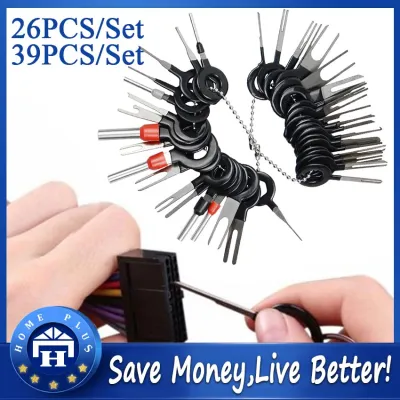
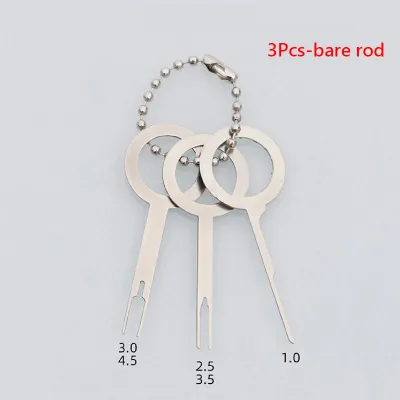
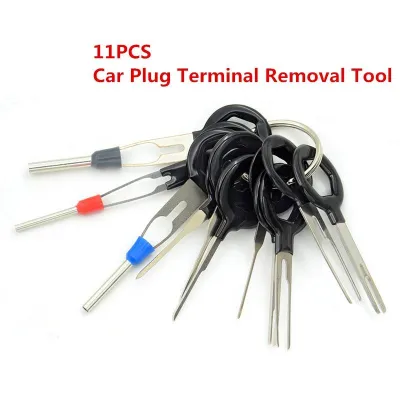
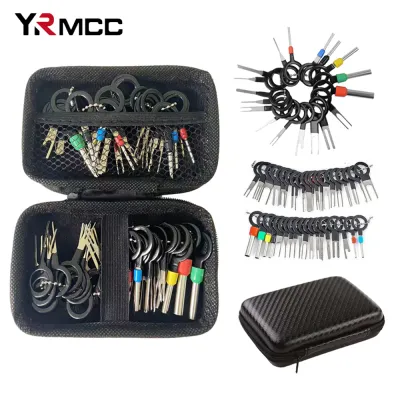
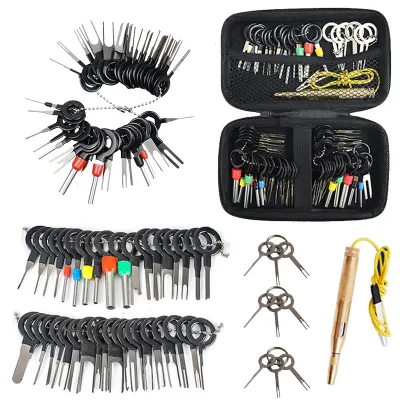
Prices are valid at publication and may change. Please refer to the product page for the latest price.
Unlike general-purpose tools, a pin puller utilizes a specific pivot point or slide mechanism to apply linear force directly along the axis of the pin. This targeted leverage allows you to pull the pin straight out of its channel without bending the surrounding metal or scoring the mounting hole. By isolating the extraction force, the tool minimizes the risk of slipping and scraping your knuckles against sharp undercar components or damaging delicate rubber boots nearby.
Signs You Need a Pin Puller for Your DIY Projects
If you frequently work on steering and suspension systems, a pin puller quickly transitions from a luxury to a necessity. Components like tie rod ends, ball joints, and control arms rely heavily on castle nuts secured by cotter pins to maintain structural integrity. These areas are constantly exposed to road debris and moisture, which often fuses the pin to the surrounding metal and makes manual extraction with basic tools incredibly difficult.

Another clear sign that you need this tool is the frequent occurrence of stripped pin heads or sheared shafts during your repair sessions. When you attempt to force a seized pin out using improper tools, the metal often deforms or snaps, leaving a portion of the pin stuck deep inside the bolt hole. If you find yourself regularly drilling out broken pins or using a punch and hammer to clear obstructed channels, a dedicated puller is a practical investment to streamline your workflow.
Evaluating the age and condition of the vehicles you service is also crucial in making this decision. Older vehicles or those driven through coastal areas with high salt exposure accumulate heavy rust that welds retaining hardware in place. If your DIY routine involves restoring older models or maintaining utility trailers with heavy-duty hitch pins, the mechanical advantage of a specialized puller will prevent minor repairs from turning into multi-hour extraction ordeals.
When You Can Skip the Pin Puller and Use Alternatives
For car owners focusing strictly on routine fluid changes, battery replacements, and cabin filter upgrades, a pin puller is unnecessary. These standard maintenance tasks do not involve load-bearing joints or safety-critical linkages requiring pinned retention systems. Keeping your toolbox lean and focusing your budget on high-quality sockets, wrenches, and screwdrivers is a much more practical approach.
When you occasionally encounter a cotter pin during a minor repair, standard workshop tools can serve as acceptable substitutes. A pair of needle-nose pliers or robust slip-joint pliers can grip the head of a loose pin, allowing you to wiggle it free with patient effort. For straight pins or roll pins, a simple pin punch set paired with a ball-peen hammer can safely drive the hardware out of its channel.
However, relying on alternative methods carries inherent risks. Pliers often slip off rounded or greasy pin heads, which can tear the rubber grease boots on ball joints or mar the threads of steering studs. Additionally, if a pin is heavily corroded, attempting to pry it out with makeshift tools frequently snaps the eyelet, leaving you with a seized shaft that is far more difficult to extract.
How to Choose the Right Pin Puller for Your Vehicle
If you decide that your repair profile warrants purchasing a pin puller, you must match the tool’s specifications to the types of vehicles you service. Compact passenger cars generally use smaller, low-torque cotter pins that can be easily managed with manual, plier-style pullers featuring a curved jaw for leverage. Conversely, larger SUVs, pickup trucks, and utility trailers utilize thicker, heavy-duty pins that require robust pullers with wider jaw capacities and longer handles to generate sufficient extraction force.
You also need to choose between different mechanical designs based on the space constraints of your vehicle’s undercarriage. Manual leverage pullers, which look similar to modified pliers or hooks, work exceptionally well in open wheel wells and accessible suspension bays. For tight, recessed areas where you cannot swing a tool or gain leverage, a slide-hammer attachment or a locking-jaw puller is far more effective, as it allows you to apply straight, impact-based pulling force in confined spaces.
Before finalizing your purchase on an online marketplace or at a local auto supply store, verify the tool’s material specifications and build quality. Look for pullers constructed from heat-treated chrome vanadium or high-carbon steel, as these materials resist bending and jaw deformation under high torque. Checking the manufacturer’s documentation for joint durability and warranty terms ensures that the tool can withstand the repetitive stress of extracting stubborn, rusted hardware without snapping.
Safety and Usage Boundaries for Pin Extraction
Working on critical automotive systems like steering, suspension, or brakes requires strict adherence to safety protocols to prevent catastrophic component failure. Before extracting any retaining pin, always consult your vehicle’s official service manual to understand the specific retention design, torque specifications, and reassembly requirements. Some systems use specialized locking pins that require specific release sequences, and attempting to force them out without consulting the manual can permanently damage the steering knuckle or brake caliper bracket.
Personal protective equipment is non-negotiable when performing pin extraction, as these components are often under tension or weakened by corrosion. Always wear high-impact safety glasses to protect your eyes from flying metal fragments, snapping pin shafts, or dislodged rust particles that can break free during extraction. Heavy-duty work gloves are also essential to protect your hands from sudden slips, sharp metal edges, and the high-force impacts common when working in tight wheel wells.
Finally, you must recognize when to stop pulling and seek alternative solutions or professional assistance. If a pin is completely seized, severely deformed, or structurally compromised, continuing to apply brute force with a puller can break the tool or damage the vehicle’s suspension housing. In these scenarios, applying a high-quality penetrating oil and allowing it to soak, or consulting a professional mechanic with specialized induction heating tools, is the safest path forward to avoid costly collateral damage.
Frequently Asked Questions (FAQ)
Can I use a standard claw hammer to pull automotive pins?
Using a standard claw hammer to extract automotive pins is highly discouraged due to the severe risk of damaging your vehicle. Claw hammers are designed for woodworking and lack the precise jaw geometry needed to grip small, hardened metal pins securely. Attempting to pry a pin with a hammer claw often results in the tool slipping, which can bend steering linkages, tear delicate rubber dust boots, or crack aluminum suspension components.
Do I need to replace a cotter pin after pulling it out?
Yes, cotter pins are strictly single-use fasteners and must be replaced with a new pin of the exact same specification every time they are removed. These pins secure critical safety components by deforming when installed, and bending the metal back and forth fatigues the material. Reusing a fatigued cotter pin increases the risk of it snapping under road vibrations, which could allow a castle nut to back off and lead to a sudden loss of steering or suspension control.
Will a pin puller work on rusted or seized suspension components?
While a high-quality pin puller provides excellent mechanical leverage, it may not be sufficient on its own to extract severely rusted or seized pins. In tropical environments where moisture causes heavy oxidation, you should first apply a generous amount of penetrating oil to the joint and let it soak to break the rust bond. If the pin remains completely stuck, attempting to force it with the puller alone can damage the tool; instead, controlled heat application or professional extraction may be required.

Community discussion
Share your experience or ask a question. Comments are reviewed before publication.