
Navigating the daily commute in major Philippine cities presents a unique set of challenges. From the highly congested lanes of major highways to the labyrinthine, vehicle-lined side streets of residential barangays, drivers must constantly monitor every centimeter of their vehicle’s perimeter. In response to these tight driving conditions, the car 360 camera—also known as a surround-view monitor—has transitioned from a premium luxury feature to a highly sought-after driver aid. However, before investing in this technology, it is essential to evaluate whether your specific driving patterns, vehicle size, and daily routes justify the cost and installation complexities of a 360-degree system.
How a 360 Car Camera Works and Its Real-World Limits
A car 360 camera system works by utilizing multiple ultra-wide-angle fish-eye lenses, typically positioned on the front grille, under each side mirror, and on the rear tailgate or trunk lid. These cameras feed raw, wide-angle video data into a central image processing module. The module uses mathematical algorithms to correct the fish-eye distortion of each lens, crop the overlapping fields of view, and stitch them together into a single, seamless bird’s-eye perspective displayed on your infotainment screen. This synthetic top-down view allows you to see the immediate surroundings of your vehicle in real time.
Despite its utility, this synthetic view has physical limits. Parallax errors can occur where the camera feeds meet, causing objects near the stitching boundaries to appear distorted, elongated, or temporarily invisible. Furthermore, these systems are designed primarily as low-speed maneuvering aids, typically deactivating once the vehicle exceeds 15 to 20 kilometers per hour. They do not replace standard physical mirror checks, nor do they function as high-speed forward collision or autonomous driving sensors. Their performance is also heavily dependent on environmental conditions; heavy tropical downpours, mud splatters, and poorly lit provincial roads can significantly degrade image clarity. To maintain optical performance, clean the lenses only with manufacturer-approved lens cleaners and a soft microfiber cloth to avoid scratching the delicate optical coatings or damaging the weather seals.
Products mentioned in this guide
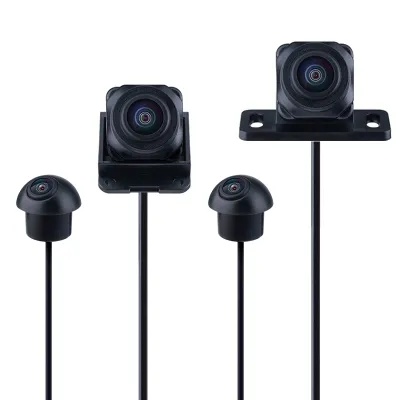
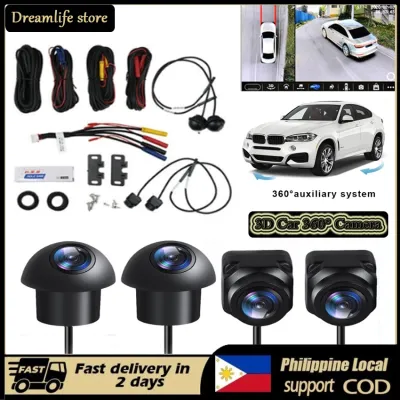
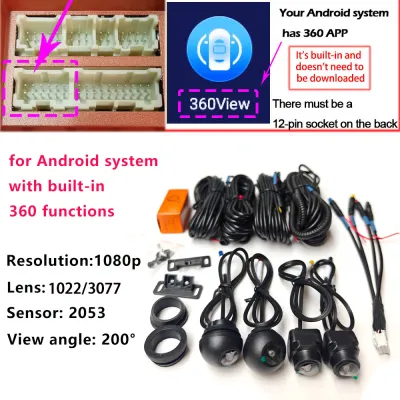
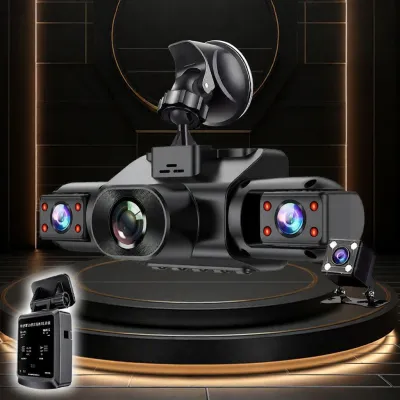
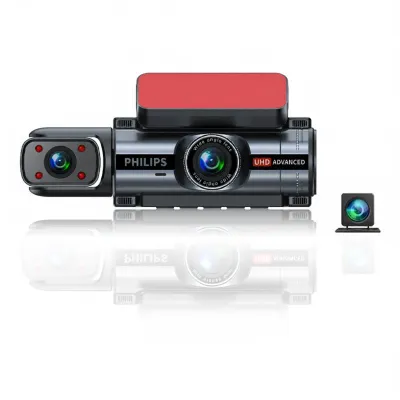
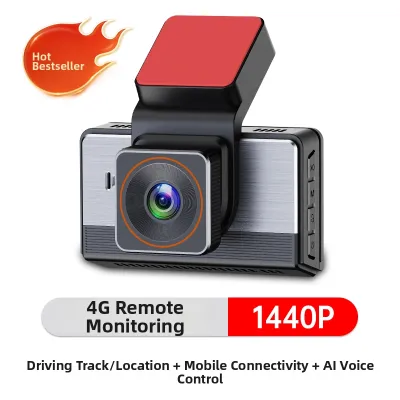
Prices are valid at publication and may change. Please refer to the product page for the latest price.
Self-Assessment: Do Your Daily Routes Require a 360 Camera?
To determine if a car 360 camera is a practical necessity or an expensive luxury, you must analyze your daily driving environment, the physical dimensions of your vehicle, and your personal comfort level during tight maneuvers. This self-assessment focuses on the most common high-stress driving scenarios encountered on local roads to help you make an informed decision.

Navigating Narrow Village Roads and Alleys
Many residential subdivisions and barangay roads in the Philippines are not designed for modern, mid-sized SUVs or large pickup trucks. It is common to encounter narrow streets further restricted by vehicles parked illegally on both sides, low-hanging shop awnings, protruding plant pots, and open concrete drainage canals that lack covers. Navigating these spaces requires millimeter-level precision. If your daily route involves squeezing past oncoming tricycles or maneuvering through tight alleys where you must frequently fold your side mirrors, a 360 camera offers substantial value. It allows you to monitor the exact distance between your tires and open gutters, helping you avoid costly suspension damage or scraped body panels without needing a passenger to step out and guide you.
Maneuvering in Tight Parking Garages
Parking spaces in urban commercial centers—such as those in older multi-level mall parking structures in Makati, Ortigas, or Cebu—are notoriously cramped. The structural pillars are often heavily scarred with paint from vehicles that misjudged the turning radius, and the spiraling ramps can be incredibly narrow. If you drive a larger vehicle, such as a mid-size SUV or a dual-cab pickup truck, parking in these spaces can be a daily source of anxiety. A 360-degree camera system helps mitigate this stress by displaying your vehicle’s position relative to the painted lines, concrete pillars, and adjacent vehicles. It is particularly useful for detecting low-lying hazards, such as short concrete barriers, shopping carts, or high curbs that remain hidden below your window line and standard mirror angles, thereby preventing unsightly rim scratches and bumper scrapes.
Filtering Through Heavy Traffic and Blind Spots
In dense stop-and-go traffic, drivers are surrounded by a constant flow of motorcycles, tricycles, and pedestrians filtering between lanes. These road users often occupy the immediate blind spots directly beneath your side mirrors or right in front of your bumper. While a 360 camera is not a high-speed blind-spot warning system, it can be manually activated at low speeds or automatically triggered when you engage your turn signals. This provides a clear view of the lanes immediately adjacent to your front fenders and rear quarter panels. However, it is vital to remember that these camera views are supplementary. They are designed to assist, not replace, active mirror checks and physical shoulder checks, especially since wide-angle lenses can distort the perceived distance of approaching motorcycles.
Factory-Installed vs. Aftermarket Systems: Installation and Risks
When deciding to adopt this technology, you will face a choice between factory-integrated systems and aftermarket kits. Factory-installed systems are engineered specifically for the vehicle’s make and model. The cameras are seamlessly integrated into the bodywork, pre-calibrated to the vehicle’s exact dimensions, and fully covered under the manufacturer’s warranty. In contrast, aftermarket 360 camera kits are designed to retroactively upgrade vehicles that lack this feature. These kits require mounting four external cameras, routing extensive wiring harnesses through door hinges, rubber boots, and interior trim panels, and dismantling the dashboard to interface with the head unit.
This process involves complex electrical modifications, including splicing into the vehicle’s reverse light and turn signal circuits to trigger the camera views automatically. Because of the safety risks associated with vehicle electrical systems, aftermarket installations must be handled with extreme caution. Poorly routed wires can rub against sharp metal edges inside doors, leading to short circuits, blown fuses, or parasitic battery drain that leaves you stranded. In worst-case scenarios, improper splicing can damage expensive electronic control modules (ECUs) or compromise airbag wiring. Before purchasing or installing any aftermarket system, always consult your vehicle’s owner manual and warranty terms. Any electrical modification should be carried out exclusively by qualified automotive electricians at reputable shops that use high-quality, fused wiring harnesses and proper calibration mats to ensure the synthetic bird’s-eye view is aligned correctly.
Signs You Can Skip the 360 Camera Upgrade
While a 360 camera is a highly useful tool, it is not a mandatory upgrade for every driver. You can comfortably skip this investment if you drive a compact hatchback or subcompact sedan, such as a Toyota Wigo, Mitsubishi Mirage, or Honda City. These vehicles possess excellent natural outward visibility, short wheelbases, and tight turning circles, making them inherently easy to park and maneuver without digital assistance. Additionally, if your daily commute consists primarily of wide highways, well-planned arterial roads, or expressways like NLEX and SLEX, the low-speed benefits of a surround-view camera are rarely utilized.
If your vehicle is already equipped with a high-definition rear-view camera and front-and-rear ultrasonic parking sensors, you already possess the tools necessary to avoid most parking mishaps. Relying on spatial awareness, properly adjusted side mirrors, and the acoustic feedback of parking sensors is often more than sufficient, saving you tens of thousands of pesos in hardware and installation fees.
Next Steps: Choosing Your Path Forward
To make your final decision, weigh your daily driving frustrations against the financial and technical commitment of an upgrade. If you frequently find yourself stressed by tight barangay roads, narrow mall ramps, and hidden obstacles, and your budget permits, upgrading is a logical step. Start by contacting your vehicle’s authorized dealership to see if an official, warranty-compliant accessory kit is available. If you must go the aftermarket route, select a high-quality kit from a reputable brand and schedule the installation with a certified car electronics specialist who offers a warranty on their workmanship.
On the other hand, if your driving routes are straightforward and your vehicle is highly manageable, you can confidently skip the upgrade. Instead, focus on optimizing your physical driving habits: adjust your side mirrors slightly downward when reversing, practice parking in empty lots to build spatial awareness, and trust your vehicle’s existing safety sensors to keep you clear of obstacles.
Frequently Asked Questions (FAQ)
Does a 360 car camera record footage like a dashcam?
Most standard factory-installed and basic aftermarket 360 camera systems are designed solely for real-time driver assistance and do not record or save footage. However, some premium aftermarket systems feature a built-in Digital Video Recorder (DVR) function that can record feeds from all four cameras onto an SD card or internal storage. If you require continuous recording for insurance purposes or accident documentation, you must specifically verify that the system you are purchasing supports multi-channel DVR recording; otherwise, you will still need a dedicated, independent dashcam.
Will installing an aftermarket 360 camera void my car's warranty?
Yes, installing an aftermarket 360 camera system can void portions of your vehicle’s warranty, particularly the electrical and infotainment warranties. Dealerships in the Philippines are often very strict regarding aftermarket modifications that involve cutting, splicing, or tapping into the original wiring harness. To minimize this risk, look for plug-and-play aftermarket kits that use vehicle-specific wiring adapters instead of splicing wire, or consult your dealership’s service adviser before proceeding with any installation.
Can I install a 360 camera system myself?
DIY installation is highly discouraged for the vast majority of car owners. Installing a 360-degree system requires specialized automotive knowledge, including the safe removal of interior door panels, routing cables through weather-sealed door bellows, tapping into delicate electrical circuits, and mounting cameras securely without compromising side-mirror mechanisms. Furthermore, calibrating the final stitched image requires placing specialized calibration mats around the vehicle and adjusting the software parameters. Improper installation can lead to severe safety hazards, water leaks, or inaccurate camera views that could cause you to misjudge distances and damage your vehicle.
Community discussion
Share your experience or ask a question. Comments are reviewed before publication.