
Navigating the roads in the Philippines presents a unique set of challenges. From the dense, unpredictable gridlock of metropolitan avenues to the unlit stretches of provincial highways, drivers constantly face unpredictable situations. A dash cam serves as an objective, digital eyewitness that can protect you from wrongful liability, insurance fraud, and stressful roadside disputes.
Deciding whether to install one depends on your daily exposure to these risks, your vehicle’s electrical capabilities, and your budget. While it is a highly recommended accessory for the vast majority of motorists, understanding your specific driving profile will help you choose the right setup or determine if you can safely delay the purchase.
Assess Your Daily Driving Routes and Risks
Your daily commute is the primary factor in determining how urgently you need a dash cam. If your routine involves navigating highly congested urban corridors like EDSA, C5, or busy intersections in Cebu and Davao, the probability of encountering minor fender benders is exceptionally high. In these bumper-to-bumper environments, sudden lane changes, aggressive merging, and abrupt stops are daily occurrences.
Products mentioned in this guide


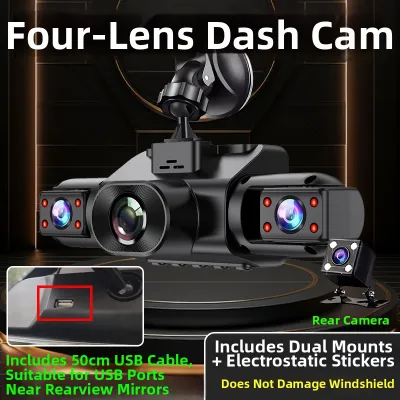
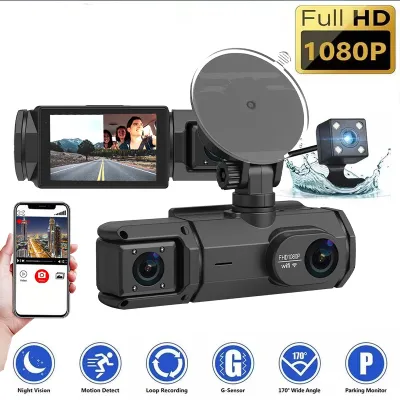
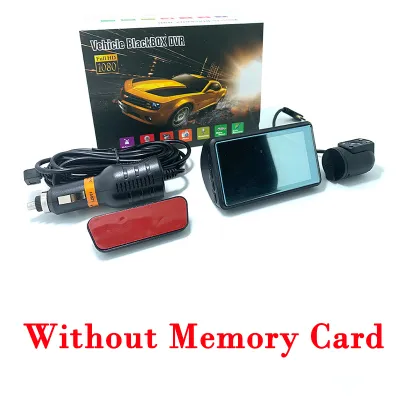
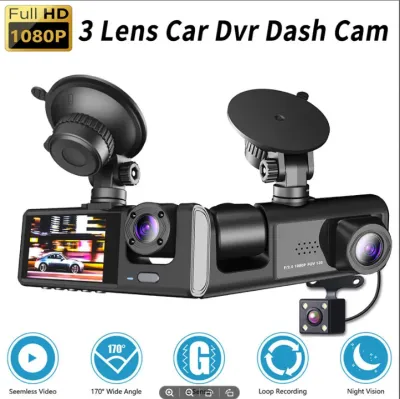
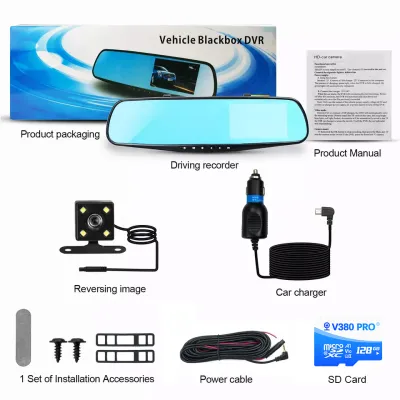
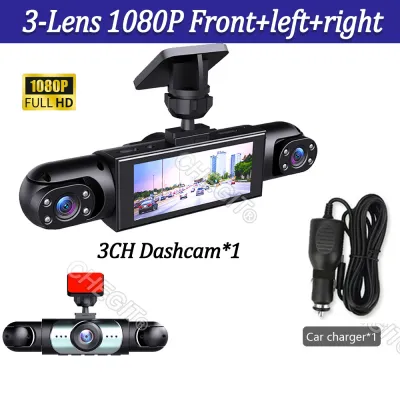
Prices are valid at publication and may change. Please refer to the product page for the latest price.
Conversely, if your travel frequently takes you along unmonitored provincial highways or rural roads, the risks shift from minor scrapes to more severe incidents. Many of these secondary roads lack adequate streetlights, clear lane markings, and municipal CCTV coverage. If an accident occurs in these remote areas, proving what actually transpired becomes incredibly difficult without video evidence.
Night driving further amplifies these hazards. Reduced visibility compromises both human reaction times and the ability of witnesses to accurately recall events. A dash cam equipped with reliable low-light processing can capture crucial details, such as pedestrian movements or vehicle positions, that might otherwise be lost in the dark.
Evaluate Your Vulnerability to Road Incidents
Beyond the physical layout of your routes, the behavior of other road users dictates your level of risk. Staged accidents and insurance fraud are unfortunate realities on busy streets. Pedestrians stepping off curbs unexpectedly or motorists intentionally causing minor collisions to demand immediate cash settlements can leave you vulnerable to false liability claims.

The mixed traffic environment in the Philippines adds another layer of complexity. Drivers must constantly share narrow lanes with public utility vehicles, such as jeepneys, buses, and tricycles, alongside a massive volume of motorcycles filtering through traffic. Because these vehicles often make sudden, unsignaled stops to load or unload passengers, or squeeze into tight spaces, determining fault in a collision can quickly devolve into a dispute of conflicting testimonies.
Parking risks should also not be overlooked. If you regularly park your vehicle in public spaces, commercial lots, or along busy residential streets without a private garage, your car is exposed to hit-and-run incidents. A dash cam with an active parking mode can record impacts while your vehicle is unattended, providing the necessary evidence to file an insurance claim or identify the responsible party.
Check Your Vehicle Setup and Power Constraints
Before purchasing a dash cam, you must evaluate whether your vehicle can safely support the installation. Most basic setups rely on a simple plug-and-play connection using the vehicle’s 12V accessory socket or built-in USB ports. While this is easy to install, you must verify if these ports remain powered when the engine is turned off, as a continuous power draw can drain your car battery overnight.
For advanced features like parking surveillance, hardwiring the camera directly to the vehicle’s fuse box is generally required. This process involves tapping into constant and ignition-switched power sources. Because electrical modifications carry inherent risks, always consult your vehicle’s owner manual and seek qualified professional installation to ensure the wiring is safely fused and does not void your manufacturer’s electrical warranty.
Additionally, consider the physical mounting environment on your windshield. Heavy ceramic or metallic window tints can sometimes degrade GPS signals or reduce the clarity of the recorded video, especially at night. You must also ensure that the windshield surface is clean and compatible with either suction cup mounts or high-bond double-sided adhesives, as the intense tropical heat can cause weak mounts to fail and fall off.
Match Features to Your Diagnosed Needs
Once you have identified your primary risks, you can match them to specific hardware features rather than overpaying for unnecessary extras. At a minimum, any reliable dash cam must feature loop recording, which automatically overwrites the oldest footage when the memory card is full, and a G-sensor that automatically locks and protects video files recorded during a sudden impact or hard braking.
If you frequently drive on high-speed expressways or navigate heavy multi-lane traffic, a dual-channel system that includes both front and rear-facing cameras is highly beneficial. Rear-end collisions are incredibly common in stop-and-go traffic, and having rear footage ensures you can prove you were hit from behind through no fault of your own.
For night driving and poorly lit provincial roads, prioritize cameras with wide dynamic range (WDR) or high-quality image sensors designed for low-light performance. These technologies balance exposure in high-contrast scenes, such as when oncoming headlights threaten to blind the camera, ensuring that license plates remain legible.
If parking protection is a priority, ensure the camera supports a parking mode powered by a hardwire kit with an integrated low-voltage cutoff. This safety feature automatically shuts down the camera if your car battery’s voltage drops below a safe threshold, preventing you from being stranded with a dead battery.
When to Skip or Delay the Purchase
While a dash cam is a valuable tool, there are scenarios where you might safely skip or delay getting one. If your driving is strictly limited to occasional trips within a secure, gated residential community with its own active CCTV network, your exposure to high-risk traffic incidents is minimal, making a dash cam less of an immediate priority.
If you are facing severe budget constraints, it is often better to wait rather than buying an ultra-cheap, unbranded unit. Extremely low-cost cameras frequently use low-grade lithium batteries that are highly susceptible to swelling and failure in the intense tropical heat of the Philippines. These units are also prone to file corruption, meaning they may fail to record the exact moment of an accident, rendering them useless when you need them most.
Furthermore, some modern vehicles come equipped with factory-integrated multi-camera systems or advanced driver-assistance systems (ADAS) that already log driving data and video. If your vehicle already has a built-in system that records and stores incident footage securely, adding an aftermarket dash cam may be redundant.
Frequently Asked Questions (FAQ)
Is it legal to use a dash cam in the Philippines?
Yes, using a dash cam is entirely legal and often welcomed by traffic law enforcement as a reliable source of truth. However, you must remain mindful of local privacy laws. While recording public roads is permitted, capturing clear audio of private conversations inside the cabin without consent can raise legal issues, especially if you operate a ride-sharing vehicle. Additionally, sharing unredacted footage of other drivers, pedestrians, or license plates on social media can violate privacy regulations, so it is best to share footage only with insurance providers or law enforcement.
How much should I budget for a reliable dash cam?
When planning your purchase, avoid the temptation of the cheapest options. A reliable entry-level single-channel camera from an established brand typically requires budgeting a few thousand ₱. If you require a dual-channel system with advanced parking features and professional hardwire installation, the cost will naturally be higher. Investing in a reputable brand ensures you receive a unit built with heat-resistant components and backed by a local manufacturer warranty for peace of mind.
Will a dash cam drain my car battery in hot weather?
A dash cam can drain your car battery if it is wired to run continuously while parked without proper power management. To prevent this, always use a hardwire kit equipped with a low-voltage cutoff. In the hot climate of the Philippines, cabin temperatures can soar when parked under the sun, making supercapacitor-based dash cams a much safer choice than those with lithium-ion batteries. Supercapacitors handle extreme heat exceptionally well, reducing the risk of battery swelling, leakage, or thermal shutdown while protecting your vehicle’s electrical system.
Community discussion
Share your experience or ask a question. Comments are reviewed before publication.