
Every car owner knows the sinking feeling of hearing a sharp metallic click against the bumper while driving. That sound usually signals a new rock chip, a permanent scar on your vehicle’s pristine factory paint. While minor scratches might seem like a cosmetic nuisance, they can eventually expose the underlying metal to moisture and rust. To prevent this, many car enthusiasts and daily drivers turn to paint protection film (PPF) as a defensive barrier.
However, wrapping a vehicle in this specialized material is a significant financial decision. It is not a mandatory upgrade for every vehicle, nor is it the right choice for every budget. Deciding whether you need PPF requires a realistic look at your driving habits, where you park, and what you expect from your car care routine. This self-assessment guide will help you weigh the costs, benefits, and practical alternatives so you can make an informed choice for your vehicle.
Understand What Paint Protection Film Actually Protects Against
Paint protection film is a transparent, elastomeric polyurethane membrane applied directly to a vehicle’s painted surfaces. Its primary purpose is to act as a sacrificial barrier that absorbs the kinetic energy of road debris, gravel, and minor abrasions. Unlike thin liquid protectants, high-quality PPF has a physical thickness that prevents small stones from chipping through to the primer or bare metal. Many modern films also feature self-healing properties, where minor swirl marks and light scratches disappear when exposed to heat from the sun or warm water.
Products mentioned in this guide
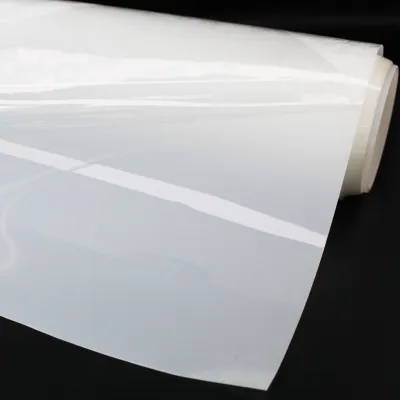
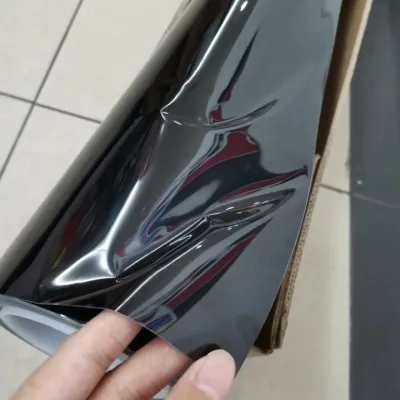
![PPF TPU/TPH MATTE Wrap Sticker 7.5MIL (Paint Protection Film) [ Premium Quality ] Priment Film Brand](https://img.lazcdn.com/g/p/984153282a0067d5924c05fa7698d840.jpg_400x400q80.jpg_.webp)
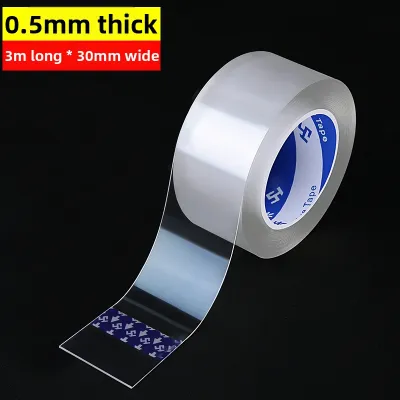
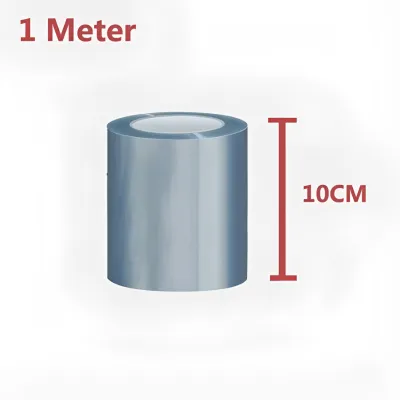
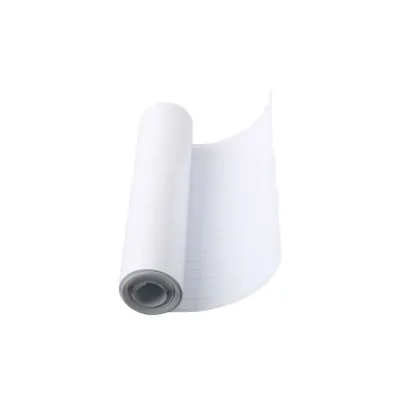
Prices are valid at publication and may change. Please refer to the product page for the latest price.
It is crucial to distinguish PPF from ceramic coatings. Ceramic coatings are liquid polymers that chemically bond with the clear coat to create a hydrophobic, slick surface. While coatings excel at resisting chemical etching, UV rays, and dirt, they offer virtually no protection against physical impacts like flying rocks. PPF, on the other hand, is specifically engineered to handle physical abuse.
Keep in mind that PPF is not structural armor. It cannot prevent dents from major collisions or protect your panels from heavy shopping cart impacts. The actual performance, durability, and self-healing capabilities of the film depend heavily on the material grade, manufacturer specifications, and the skill of the installer.
Assess Your Daily Driving and Parking Risks
Your daily commute and typical driving routes are the most significant factors in determining your need for paint protection film. If your routine involves frequent highway driving, you are constantly exposing your vehicle’s front end to high-velocity road debris. Construction zones, rural roads, and unpaved pathways increase the risk of loose gravel kicking up from the tires of vehicles ahead of you. Over time, these micro-impacts create a sandblasted appearance on your bumper and hood.

Where you park your vehicle also dictates the level of environmental threat it faces daily. Vehicles parked in enclosed garages are shielded from the elements, reducing the urgency for full-body protection. Conversely, cars left outdoors are vulnerable to falling debris, sticky tree sap, and highly acidic bird droppings. These organic contaminants can quickly etch through a standard clear coat if they are left to bake under the sun.
The tropical climate of the Philippines introduces unique challenges that accelerate paint degradation. Intense, year-round ultraviolet radiation breaks down the chemical bonds in automotive clear coats, leading to premature fading and oxidation. Heavy monsoon rains and high humidity can trap moisture in existing rock chips, creating a perfect environment for rust to develop. If you live in coastal areas, the salt-laden air further accelerates this corrosive process, making a physical barrier highly advantageous.
Evaluate Your Vehicle's Value and Current Paint Condition
Before committing to PPF, evaluate the financial relationship between the cost of the film and the value of your vehicle. Applying a premium film to a high-end luxury vehicle, a rare sports car, or a brand-new SUV often makes sense because it preserves the expensive factory paint and maintains resale value. For a budget-friendly commuter car or an older vehicle that has already depreciated significantly, the high cost of a full-body installation may not be financially justifiable.
The current condition of your vehicle’s paint is another critical factor. PPF is designed to preserve paint in its current state; it cannot repair or hide existing damage. Applying film over deep scratches, rock chips, or peeling clear coat can trap air pockets, making the imperfections look worse. A thorough paint correction process, which involves professional polishing to remove swirl marks and oxidation, is required before any film can be applied.
If your vehicle has been repainted or has undergone aftermarket bodywork, proceed with caution. Low-quality aftermarket paint jobs may not bond to the metal as securely as factory-applied paint. This weaker bond increases the risk of the paint peeling off when the film is adjusted during installation or removed years later. Your planned ownership duration also matters; if you plan to sell the car within a year or two, you may not fully recoup the investment compared to keeping the vehicle long-term.
Review Your Budget and Ongoing Maintenance Willingness
The upfront cost of paint protection film is often the deciding factor. A full-body PPF installation in the Philippines is a premium service, with professional packages typically ranging from ₱100,000 to over ₱250,000 depending on the vehicle size and film quality. If a full wrap is outside your budget, partial installations focusing on high-impact zones like the front bumper, hood, and side mirrors are available, usually costing between ₱30,000 and ₱80,000. Request detailed, written quotes from reputable local detailers to understand the exact scope of work.
Owning a vehicle with PPF does not mean you can neglect regular maintenance. The film still requires consistent care to prevent staining, water spotting, and edge lifting. Wash the vehicle regularly using pH-neutral car shampoos and avoid using abrasive brushes or harsh chemical cleaners. When using a high-pressure washer, keep the nozzle at a safe distance from the edges of the film to prevent the water pressure from peeling it back.
The longevity of your investment relies heavily on the quality of the installation and the warranty provided. A poorly installed film can develop unsightly bubbles, peeling edges, and dirt accumulation along the seams. Before choosing a shop, verify that the installers are certified by the film manufacturer. Read the warranty terms carefully to understand what is covered, such as yellowing, bubbling, or cracking, and ensure the shop has a solid reputation for honoring these terms.
Make Your Decision: Choose the Right Protection Path
To choose the best protection strategy for your vehicle, match your specific risk profile and budget to the available options. If you own a high-value vehicle, drive frequently on highways, park outdoors, and want maximum preservation, a full-body PPF installation is the ideal choice. If you want to protect against rock chips on a moderate budget, a partial front-end PPF package combined with a ceramic coating on the remaining panels offers an excellent balance of physical and chemical protection.
For drivers who primarily commute within the city, park in covered garages, and prioritize a deep, glossy shine over physical impact resistance, a standalone ceramic coating is a highly effective and more affordable alternative. If you are on a strict budget and enjoy maintaining your vehicle yourself, regular applications of high-quality automotive waxes or synthetic sealants will provide basic environmental protection.
Your next step should be to visit a certified detailing professional for a physical paint inspection. They can assess the thickness of your clear coat, identify any areas that require paint correction, and provide a customized recommendation. Stop and seek professional advice immediately if your vehicle has severe paint damage, peeling clear coat, or an undocumented history of body repairs, as these conditions can compromise the safety and success of the installation.
Frequently Asked Questions (FAQ)
Can paint protection film be removed without damaging the original paint?
Yes, high-quality paint protection film can be safely removed without damaging the underlying paint, provided the vehicle has its original factory finish. Professional detailers use controlled heat sources, such as steam or heat guns, to soften the adhesive before carefully peeling the film back at a specific angle. However, if the vehicle has been repainted or has existing clear coat damage, there is a risk that the adhesive may pull the paint away from the panel. Always consult a professional to handle the removal process safely.
Does paint protection film turn yellow over time?
Modern, premium paint protection films are manufactured using advanced aliphatic polyurethane, which is highly resistant to ultraviolet radiation and yellowing. Older or cheaper films often used aromatic polyurethane, which degrades and discolors quickly when exposed to intense tropical sunlight. To ensure your film remains optically clear, choose a reputable brand that offers a written warranty specifically covering UV degradation and yellowing. Regular washing and applying film-safe sealants also help maintain its clarity.
Is partial front-end PPF a worthwhile compromise?
A partial front-end PPF installation is a highly practical compromise for budget-conscious owners. This package typically covers the most vulnerable high-impact zones, including the front bumper, the leading edge of the hood, side mirrors, and front fenders. While it does not protect the rest of the vehicle from door dings, key scratches, or environmental fallout on the roof and trunk, it successfully shields the areas most likely to suffer from highway rock chips and road debris.
Community discussion
Share your experience or ask a question. Comments are reviewed before publication.