
Yes, for most active drivers in the Philippines, a dash cam is a highly practical investment, though it is not a legal requirement. If your daily routine involves navigating dense urban traffic, operating a ride-hailing vehicle, or traversing unpredictable provincial highways, the device serves as an essential objective witness. Conversely, if you only drive occasionally on quiet, familiar suburban streets and park in highly secure garages, you might safely defer this purchase. Ultimately, the decision hinges on your personal risk tolerance, how often you drive, and your budget for vehicle accessories.
Assess Your Driving Environment and Risk Factors
Metro Manila traffic density presents a unique set of challenges. The constant stop-and-go movement, tight lane squeezing, and sudden motorcycle or pedestrian crossings increase the likelihood of minor scrapes and fender benders. In these congested environments, determining fault during a side-swipe or sudden braking incident can quickly devolve into a stressful debate without clear visual evidence.
Beyond the major metropolitan areas, provincial highways introduce different hazards. Many national roads and provincial routes lack consistent street lighting, clear lane markings, or pedestrian barriers. Driving at night under these conditions increases the risk of encountering unexpected obstacles, slow-moving agricultural vehicles, or animals on the road, making a reliable recording tool highly valuable.
Products mentioned in this guide
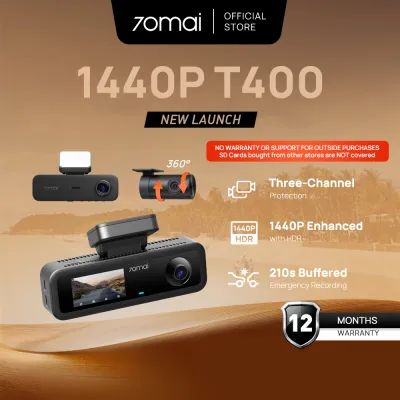
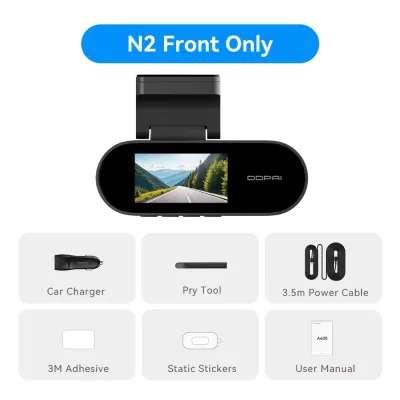
![[NEW LAUNCH] DDPAI N1 Pro 2.5K 1440P Front & Rear Super Capacitor Dash Cam with ADAS & NightVIS](https://img.lazcdn.com/g/p/5e2a8a5912e3629586677944a07b376b.png_400x400q80.png_.webp)
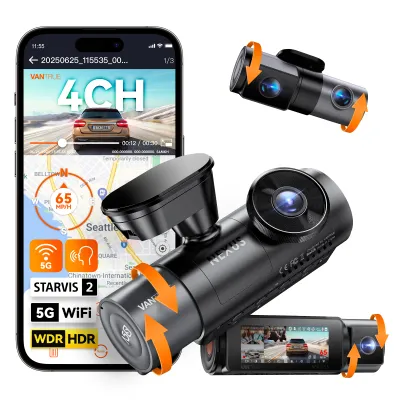
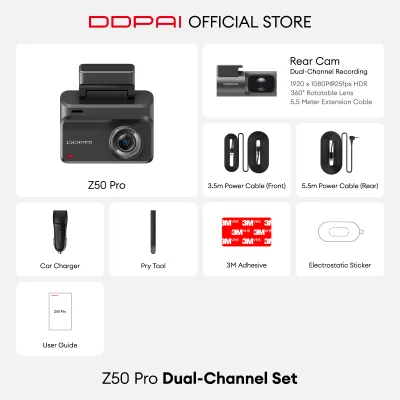
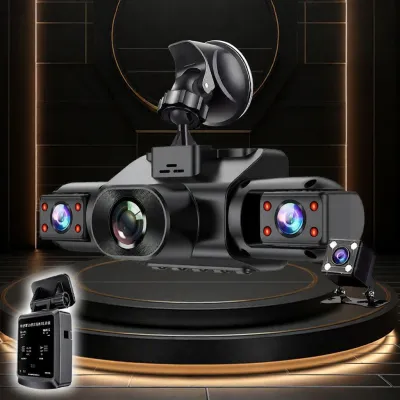
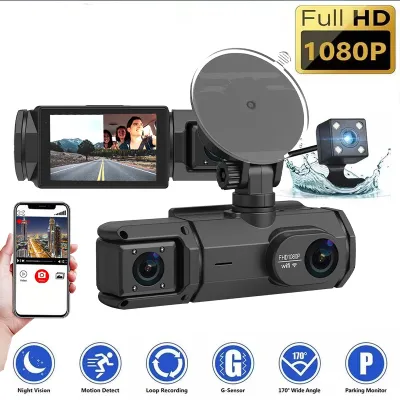

Prices are valid at publication and may change. Please refer to the product page for the latest price.
Distance from immediate traffic enforcement is another critical factor on provincial trips. If an incident occurs far from a major town, waiting for traffic investigators can take hours. Having an immediate, unedited video record allows you to document the scene accurately before vehicles have to be moved to clear the flow of traffic.
Your typical parking environment also dictates your level of risk. If you frequently park on public streets, in busy commercial lots, or in unsecured outdoor spaces, your vehicle remains vulnerable to hit-and-run incidents, vandalism, or accidental scratches.
To mitigate these parking risks, some drivers look for devices with parking mode surveillance. However, utilizing this feature requires understanding how your vehicle is parked and whether the camera can operate safely without draining your battery or overheating under the intense tropical sun.
Evaluate Your Vehicle Usage and Liability Exposure
How you use your vehicle directly impacts your liability exposure. For individuals operating ride-hailing services or commercial transport, the cabin becomes a professional workspace. In these scenarios, a dual-channel camera that records both the exterior road and the interior cabin provides essential protection against false passenger claims, fare disputes, or allegations of misconduct.

Family vehicles and shared cars present a different set of exposure risks. If your vehicle is regularly driven by teenage family members, novice drivers, or employed drivers, a dash cam helps monitor driving habits and ensures accountability. Knowing that a drive is being recorded often encourages more defensive driving behavior and adherence to local traffic laws.
In the Philippines, resolving traffic disputes and processing insurance claims can be a bureaucratic process. When an accident occurs, insurance providers and traffic investigators require clear proof of fault to process comprehensive insurance claims. Without objective video evidence, claims can be delayed for weeks or months while both parties trade conflicting statements.
A clear video recording simplifies this resolution process significantly. Presenting an uninterrupted video clip to traffic investigators and insurance adjusters can quickly establish the sequence of events, such as a vehicle beating a red light or making an illegal lane change. This objective proof helps expedite the release of police reports and insurance approvals, saving you time and potential out-of-pocket repair costs.
Practical Limitations and Costs to Consider Before Buying
While the benefits of a dash cam are clear, you must weigh the initial and ongoing costs. The total investment includes not just the camera hardware itself, but also high-endurance storage media and potential professional installation fees. Opting for a clean, hidden wire setup often requires routing cables behind the vehicle’s A-pillar trim and dashboard panels.
For advanced features like 24-hour parking monitoring, the camera must be hardwired directly into the vehicle’s fuse box. This electrical work carries safety boundaries; improper installation can damage your vehicle’s electrical system, void manufacturer warranties, or even pose a fire hazard. It is highly recommended to consult your vehicle’s manual and seek qualified professional installation for any hardwiring tasks.
The tropical climate of the Philippines introduces severe thermal stress on electronic components. Vehicles parked under direct sunlight can reach extreme internal temperatures. Standard lithium-ion batteries inside cheap cameras are prone to swelling, leaking, or failing prematurely under high heat. Choosing a model equipped with a supercapacitor instead of a traditional battery is crucial for long-term reliability and safety in hot climates.
Storage media maintenance is another frequently overlooked requirement. Dash cams continuously overwrite old footage, subjecting MicroSD cards to intense read and write cycles. Standard memory cards often fail within a few months under this heavy workload. You must budget for high-endurance, class-10 MicroSD cards specifically rated for continuous video recording, and plan to format the card regularly to prevent write errors.
Finally, you must consider privacy boundaries and legal limitations. While recording public roads is generally acceptable, capturing footage inside private properties, restricted military zones, or secure corporate compounds may be prohibited. Additionally, sharing footage of private individuals or license plates on public social media platforms without consent can lead to legal complications under local data privacy laws.
Your Decision Matrix: When to Buy, Wait, or Skip
To help streamline your decision, you can use a simple framework based on your daily driving habits and risk tolerance. This matrix categorizes your needs into clear action steps, allowing you to determine whether to purchase immediately, wait for a better opportunity, or skip the accessory entirely.
When to Buy Immediately:
- You commute daily through high-density traffic zones such as EDSA, C5, or major provincial arteries.
- You operate a ride-hailing, delivery, or commercial transport service.
- You frequently park your vehicle on public streets or in unsecured, unmonitored parking areas.
- You share your vehicle with multiple drivers, including novice family members or employees.
When to Wait or Research Further:
- You primarily drive on weekends for short, predictable grocery runs in quiet suburban neighborhoods.
- Your current budget only allows for ultra-cheap, battery-powered models that may pose safety risks in hot weather.
- You plan to sell or upgrade your vehicle in the very near future and prefer to wait to install a permanent system in the new car.
When to Skip:
- You do not own a personal vehicle and rely entirely on public transportation or active transport like bicycles.
- Your vehicle is strictly used within a highly secure, private estate with zero exposure to public roads.
- Your personal risk tolerance is high, and you are fully prepared to handle potential traffic disputes and insurance claims out-of-pocket without video evidence.
If you decide to skip or wait, you should reinforce other protective measures. Ensure your comprehensive car insurance policy is active, up-to-date, and covers third-party liability. Additionally, practicing strict defensive driving techniques and keeping a physical emergency contact list in your glove compartment can help manage risks on the road.
Frequently Asked Questions (FAQ)
Are dash cams legal to use on public roads in the Philippines?
Yes, using a dash cam on public roads is legal and generally encouraged as a tool for safety and dispute resolution. However, you must ensure the device is mounted correctly so it does not obstruct your field of view through the windshield. Avoid placing the camera directly in your line of sight or within the deployment path of your vehicle’s airbags. For specific privacy concerns regarding recording on private property or sharing footage publicly, consult local legal guidelines.
Will a dash cam drain my car battery if left plugged in?
If your camera is plugged into a standard cigarette lighter socket that turns off with the ignition, it will not drain your battery. However, if the socket remains powered when the engine is off, or if you have hardwired the camera for parking mode, there is a risk of battery drain. To prevent this, always use a high-quality hardwire kit equipped with an automatic low-voltage cutoff, which disconnects power to the camera before your car battery drops below a starting threshold. Always verify your battery’s health and consult your vehicle’s manual before modifying the electrical system.
How do I securely store and manage dash cam footage?
Managing your footage requires a proactive routine to ensure critical evidence is not lost. Most cameras feature a manual lock or emergency button that saves the current recording segment to a protected folder, preventing it from being overwritten during loop recording. For long-term storage, regularly transfer important clips to a computer, external hard drive, or secure cloud storage service. Additionally, formatting your MicroSD card once a month directly through the camera’s menu helps maintain file system integrity and extends the lifespan of the card.
Community discussion
Share your experience or ask a question. Comments are reviewed before publication.