
Does your motorcycle actually need a fuel system treatment, or is it an unnecessary expense? While modern fuels contain detergents, certain riding habits, storage practices, and environmental conditions can cause carbon deposits and moisture to build up in your fuel system. A chemical fuel system treatment can help dissolve these deposits and restore performance, but it is not a cure-all for mechanical failures, clogged filters, or worn ignition components. Understanding your motorcycle’s symptoms and usage patterns is key to deciding whether a bottle of additive is the right solution or if a mechanical inspection is required.
Your motorcycle relies on a precise mixture of fuel and air to deliver smooth power, quick throttle response, and reliable starting. Over time, fuel running through your engine can leave behind microscopic deposits that gradually restrict fuel flow. While many riders reach for a bottle of fuel system treatment at the first sign of a sputter, determining whether your bike actually needs a chemical additive requires a closer look at how your engine behaves and how you ride.
A fuel system treatment is designed to dissolve varnish, gum, and carbon deposits that accumulate in fuel injectors, carburetor passages, and intake valves. It is a highly targeted preventative maintenance tool rather than a universal fix for running issues. If your motorcycle is suffering from a mechanical failure, a completely blocked passage, or electrical issues, pouring an additive into the fuel tank will not resolve the problem. To make an informed decision, you must first evaluate your motorcycle’s current symptoms and rule out other common maintenance issues.
Products mentioned in this guide
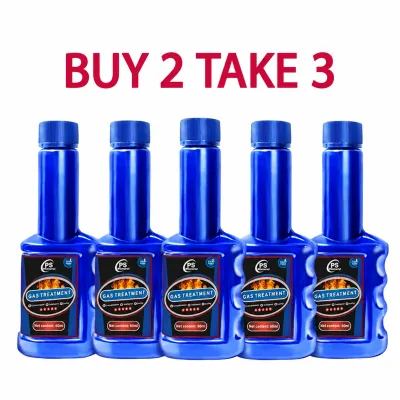
285 Lazada user ratings
Improves combustion efficiency, Removes carbon deposits,
Effective for all gasoline engines,
bakit 4 lang kala ko ba buy 2 + 3
Good product quality,
Boosts engine power,
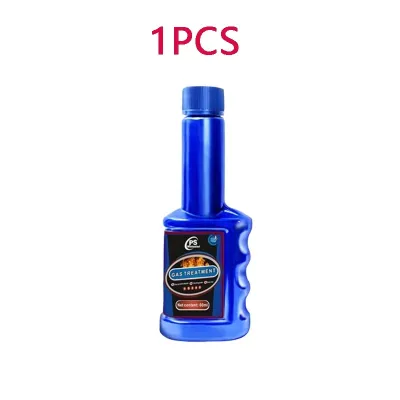
153 Lazada user ratings
Super concentrated formula, Effective for all gasoline engines, Cleans fuel injectors, Improves engine performance, Good packaging quality, …Read full reviewShow less
Super concentrated formula, Effective for all gasoline engines, Cleans fuel injectors, Improves engine performance, Good packaging quality, Easy to use during refueling, Easy to use during refueling, Great customer service,
Effective for all gasoline engines, Super concentrated formula, Protects engine components, Improves engine performance, Easy to use during …Read full reviewShow less
Effective for all gasoline engines, Super concentrated formula, Protects engine components, Improves engine performance, Easy to use during refueling, Reduces fuel consumption,
💰Price:mura lang at matagal kna ito gamit sa motor koReduces fuel consumption, Improves engine performance,
ok maganda SA motor po salamat po
ok's na ok's goods
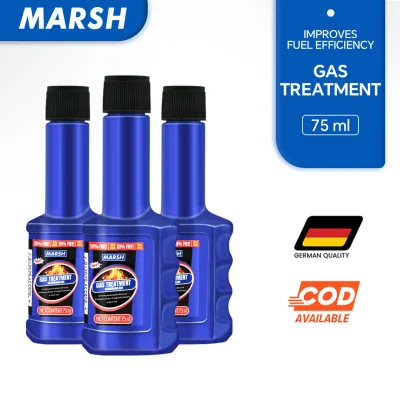
7,690 Lazada user ratings
💰Price:good 🔌Compatibility:good ⚙️Performance:quality totoo nga ang sinasabi sa mga review tumipid sa gasolina motor ko mas better siya sa mg…Read full reviewShow less
💰Price:good 🔌Compatibility:good ⚙️Performance:quality totoo nga ang sinasabi sa mga review tumipid sa gasolina motor ko mas better siya sa mga old na motor ilalabas nya ulit yung potential nya firstime pag gamit dalawa ang ilagay pagkatapos nun kada 3k odo kht kalahati nalang nun salamat sa product na naka icp ito godbless
Enhances engine power and acceleration!, Great fuel additive!, Easy to use and effective!, Extends the life of my engine!, Keeps my engine r…Read full reviewShow less
Enhances engine power and acceleration!, Great fuel additive!, Easy to use and effective!, Extends the life of my engine!, Keeps my engine running smoothly!, Noticeable difference in fuel efficiency!, Highly recommended for motorcycles!,
Ayos na ayos talaga MARSH lalongbtumipid sa gasoline motor ko basta sunduin Lang ang Sabi sa video. Na kada 3k odo ka dapat mag lagay. Keeps…Read full reviewShow less
Ayos na ayos talaga MARSH lalongbtumipid sa gasoline motor ko basta sunduin Lang ang Sabi sa video. Na kada 3k odo ka dapat mag lagay. Keeps my engine running smoothly!,
Cleans and protects the fuel system!, Keeps my engine running smoothly!, Highly recommended for motorcycles!,
Highly recommended for motorcycles!, Noticeable difference in fuel efficiency!, well packed naman thanks....
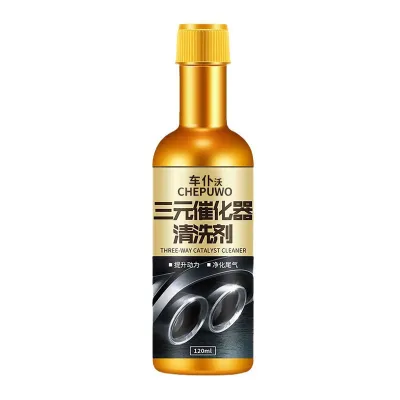
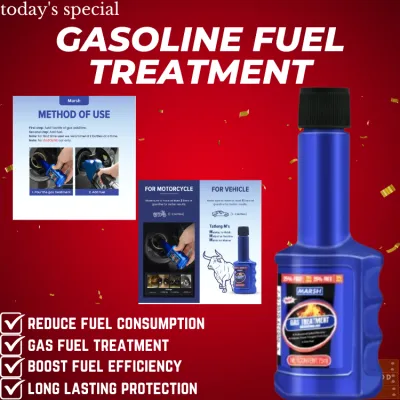
53 Lazada user ratings
Item shipped immediately,well packed and I think the quality is good it's all works as I check it I have no complains about the items.So far…Read full reviewShow less
Item shipped immediately,well packed and I think the quality is good it's all works as I check it I have no complains about the items.So far there's no issue about it.I'm so happy for the items and seller never failed me for trusting his/her shop. Keep it up the good work & MBTC. TY
High product quality effective talaga sa motor akala ko walang epek pero nung ginamit ko mas naging smooth yung takbo at nililinis yung comb…Read full reviewShow less
High product quality effective talaga sa motor akala ko walang epek pero nung ginamit ko mas naging smooth yung takbo at nililinis yung combustion chamber inaalis yung mga carbon worth it yung gastos ko dito bibili ako ulit seller thank you sa genuine product
Naging mas pino ang takbo ng kotse at mas matipid sa gasolina pagkatapos gamitin. Sulit na pampaganda ng hatak ng makina. Highly recommended…Read full reviewShow less
Naging mas pino ang takbo ng kotse at mas matipid sa gasolina pagkatapos gamitin. Sulit na pampaganda ng hatak ng makina. Highly recommended ito
Nawala ang knocking sound ng motor ko! Mas gumaan ang hatak at nakatipid sa gasolina. Isang buhos lang bago magpa-gas. Oorder ulit ako!
- Excellent quality 🥰 - Very accommodating seller 🥰 - Well-packaged 🥰 - Item shipped immediately 🥰 - Will order again 🥰
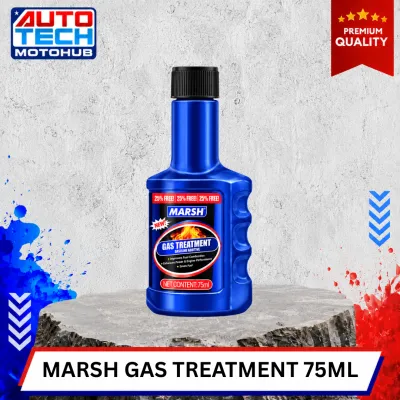
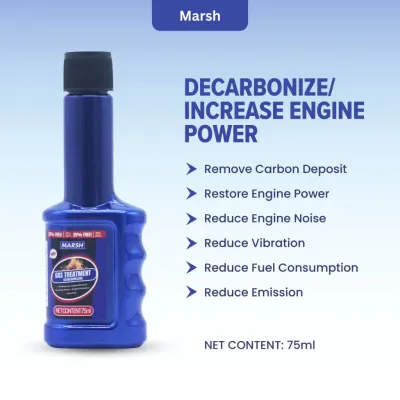
4 Lazada user ratings
Hindi pa na try . hope the gas treatment will work for my car . super lakas kasi sa gas
88 Lazada user ratings
legit siya, nagamit ko na. Akala ko di gagana, ang lakas na ng hatak ulit ☺️ tapus kung ano ang nasa picture yun din ang dumating, thank you …Read full reviewShow less
legit siya, nagamit ko na. Akala ko di gagana, ang lakas na ng hatak ulit ☺️ tapus kung ano ang nasa picture yun din ang dumating, thank you kay seller at kay Rider ☺️ ⭐⭐⭐⭐⭐
Thank you Lazada and seller for this nice item. Good condition and thank you delivery rider for safe deliver. I will order again soon.
mukhang legit naman. na scan naman yung QR at may doble sa likod yung sticker. sana legit talaga..
💰Price:10 🔌Compatibility:10 ⚙️Performance:10
Prices are valid at publication and may change. Please refer to the product page for the latest price.
Common Symptoms That Point to Fuel System Issues
When a motorcycle’s fuel system begins to accumulate deposits, the symptoms usually manifest gradually. One of the most common early warning signs is hard starting or prolonged cranking, especially when the engine is cold. When fuel injectors or carburetor jets are partially restricted by varnish, they cannot atomize the fuel efficiently. This leads to a weak fuel-air mixture that is difficult for the spark plug to ignite, forcing you to crank the engine longer before it finally catches.
Once the engine is running, a dirty fuel system often causes a rough, unstable idle. You might notice the engine speed fluctuating on its own, or the motorcycle may feel like it is on the verge of stalling when you stop at a red light. This instability occurs because the restricted passages cannot deliver a consistent, metered flow of fuel at low engine speeds. When you twist the throttle, you might also experience hesitation, stumbling, or a flat spot in the acceleration curve as the engine struggles to transition from idling to open-throttle operation.
Another subtle but telling sign of fuel system restriction is a noticeable drop in fuel economy. When fuel is not atomized properly due to dirty nozzles or jets, it does not burn completely in the combustion chamber. This incomplete combustion means your engine has to consume more fuel to produce the same amount of power, leading to more frequent trips to the fuel pump even if your riding style, routes, and cargo weight have remained completely unchanged.
However, it is crucial to recognize that these symptoms are not exclusive to fuel system deposits. A clogged air filter can restrict airflow and cause a rich running condition, while a worn or improperly gapped spark plug can lead to weak ignition and misfires that mimic fuel delivery issues. Before assuming that your fuel system is dirty, you should inspect these basic consumables. Checking the air filter and spark plugs first ensures you do not misdiagnose a simple mechanical wear item as a chemical fuel issue.
Riding Habits and Conditions That Accelerate Fuel Deposits
Your daily riding habits play a significant role in how quickly deposits form inside your motorcycle’s fuel system. If you primarily use your motorcycle for frequent short trips, such as quick commutes where the engine rarely reaches its optimal operating temperature, you are more likely to experience carbon buildup. When an engine does not run long enough to get fully hot, fuel does not vaporize completely, leaving behind heavier chemical compounds that bake onto intake valves and injector tips.

Long periods of inactivity are perhaps the single greatest contributor to fuel system contamination. Modern gasoline begins to degrade in as little as thirty days, especially when exposed to oxygen and temperature swings. As fuel sits idle in a motorcycle’s tank and lines, the lighter components evaporate, leaving behind a sticky, amber-colored varnish that can quickly clog the tiny orifices of carburetor jets and fuel injectors. If you store your motorcycle for weeks or months at a time without treating the fuel, you are almost guaranteed to face fuel delivery issues when you try to start it again.
Environmental factors also accelerate fuel degradation, with high humidity and ambient heat playing a major role. In tropical climates like the Philippines, the air carries a high concentration of moisture, and daily temperature fluctuations cause the air inside your fuel tank to expand and contract. This breathing process draws humid air into the tank, where the moisture condenses on the cold metal walls and sinks to the bottom of the fuel. Water in the fuel system not only promotes rust inside steel tanks but also contributes to phase separation in ethanol-blended fuels, creating a corrosive sludge that can ruin fuel system components.
Fuel System Treatment vs. Mechanical Inspection: When to Use Which
Deciding whether to use a chemical fuel system treatment or take your motorcycle to a professional mechanic depends on the severity of the symptoms and your maintenance history. A chemical treatment is an excellent first step if you are experiencing mild performance dips, such as a slight hesitation off the line or a minor drop in fuel efficiency. It is also highly effective as a preventative measure for high-mileage motorcycles that have never had their fuel systems cleaned, or as a precautionary step when bringing a motorcycle back into service after a period of seasonal storage.
On the other hand, there are clear scenarios where a chemical additive will be completely ineffective, and attempting to use one may only delay a necessary repair. If your motorcycle is suffering from severe engine misfires, a sudden and complete loss of power while riding, or visible fuel leaks around the tank, hoses, or injectors, you must skip the chemical treatment and seek a professional mechanical diagnosis immediately. These symptoms point to physical component failures, such as a ruptured fuel line, a failed fuel pump, or a cracked injector body, which cannot be dissolved or repaired by a chemical additive.
Furthermore, you should always verify the condition of basic maintenance items before concluding that your injectors or carburetors require deep chemical cleaning. A severely clogged fuel filter, for instance, will restrict fuel flow regardless of how clean the injectors are. If your spark plugs are fouled or your ignition coils are failing, the engine will exhibit symptoms identical to a fuel delivery issue. Taking the time to inspect the air filter, check the spark plug gap, and verify fuel pressure will save you from wasting money on chemical treatments when a simple mechanical replacement is what your motorcycle actually needs.
How to Select and Apply Fuel System Treatment Safely
If you have ruled out other mechanical issues and decided that a fuel system treatment is appropriate for your motorcycle, you must select and apply the product with care. Your first step should always be to consult your motorcycle owner’s manual. Manufacturers often provide specific guidelines, approved chemical specifications, or explicit warnings regarding the use of aftermarket fuel additives. Some manufacturers warn against products containing harsh solvents that can degrade specialized internal coatings or sensitive components within the fuel system.
It is equally important to match the treatment type to your motorcycle’s specific engine configuration. Carbureted motorcycles and electronic fuel injection (EFI) systems operate under different pressures and tolerances. While many modern fuel system treatments are formulated to be safe for both systems, some products are optimized specifically for the high-pressure environment of fuel injectors, while others focus on dissolving the heavy varnish typically found in carburetor float bowls. Additionally, ensure the treatment is compatible with the fuel type you use, particularly if your motorcycle runs on ethanol-blended gasoline.
When applying the treatment, you must follow the exact dosage and application instructions printed on the product label. A common mistake among motorcycle riders is assuming that “more is better” and pouring an entire bottle designed for a large passenger car into a small motorcycle fuel tank. Over-concentrating the fuel mixture can lead to chemical damage to rubber seals, O-rings, plastic fuel lines, and sensitive oxygen sensors in the exhaust system. Always calculate the correct ratio based on your tank’s capacity, use a precise measuring tool if necessary, and add the treatment to the tank immediately before filling up with fresh fuel to ensure thorough mixing.
Frequently Asked Questions (FAQ)
Can fuel system treatment fix a clogged fuel filter?
No, a fuel system treatment cannot fix or clean a physically clogged fuel filter. Fuel system treatments are liquid chemical solvents designed to dissolve soft deposits like varnish, gum, and carbon buildup inside injectors, carburetors, and combustion chambers. They cannot dissolve physical debris, rust particles, or dirt that has been physically trapped by the paper or mesh element of a fuel filter. If your fuel filter is restricted, the only solution is to replace it with a new unit according to your motorcycle manufacturer’s recommended service intervals.
How often should you use fuel system treatment on a motorcycle?
You should always follow the specific usage intervals recommended on the product label or within your motorcycle’s official maintenance schedule. For most riders, using a fuel system treatment once every few thousand kilometers or right before storing the motorcycle for an extended period is sufficient to prevent deposit buildup. Using these treatments more frequently than recommended is not only an unnecessary expense but can also expose your fuel system’s rubber seals and hoses to prolonged chemical stress, potentially leading to premature wear or leaks.
Community discussion
Share your experience or ask a question. Comments are reviewed before publication.