
When you step on your car’s brake pedal, a complex hydraulic system instantly converts that physical pressure into the stopping force needed to halt thousands of kilograms of metal. At the heart of this system is brake fluid, a specialized hydraulic medium engineered to operate under extreme pressures and temperatures. Choosing the correct fluid is one of the most critical maintenance decisions you can make for your vehicle’s safety and performance.
For most modern passenger vehicles, the choice comes down to two primary options: DOT 3 and DOT 4. While they may appear identical in the bottle, they possess distinct chemical formulations, boiling points, and moisture-absorption characteristics that dictate how they behave under thermal stress. Using the wrong fluid or mixing them incorrectly can compromise your braking efficiency, accelerate component wear, or even lead to sudden brake failure.
To determine which brake fluid is right for your car, you must prioritize your vehicle manufacturer’s specifications above all else. This guide breaks down the technical differences between DOT 3 and DOT 4, explains the risks of mixing or upgrading, and provides a clear framework to help you make an informed, safety-first decision for your vehicle’s hydraulic system.
Products mentioned in this guide
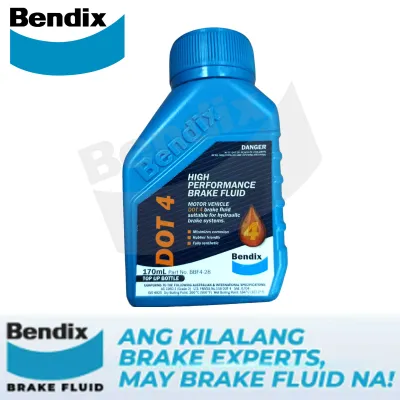
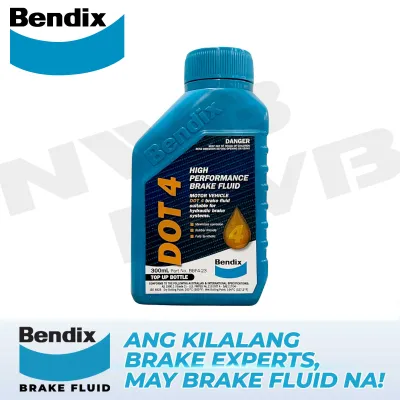
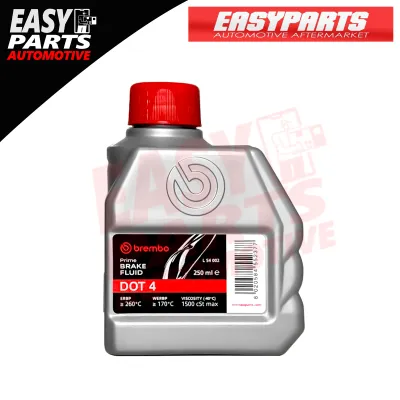
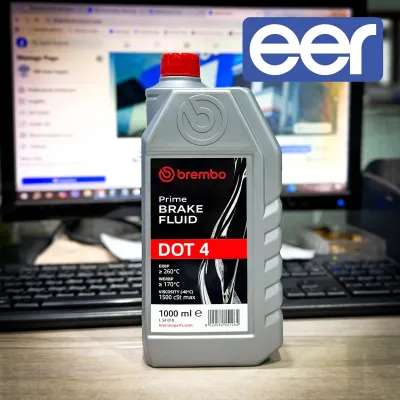
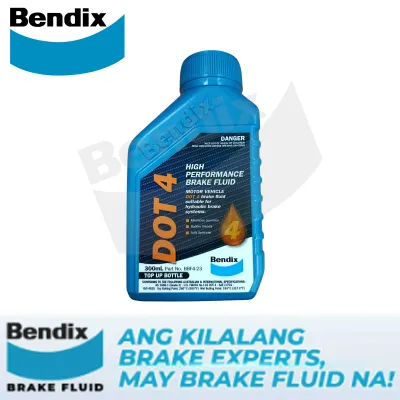
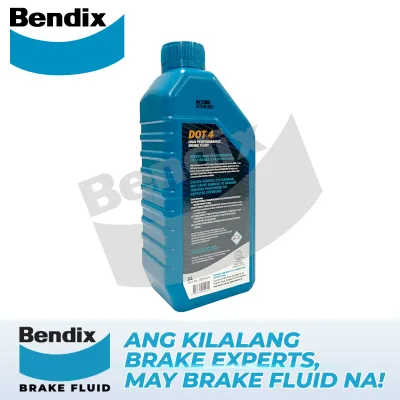
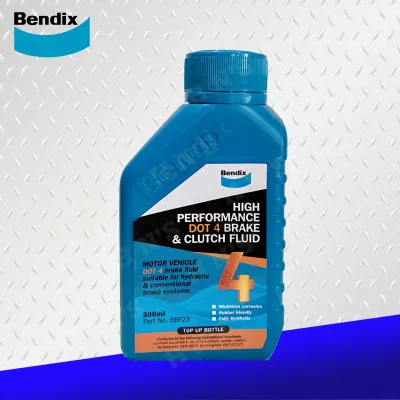
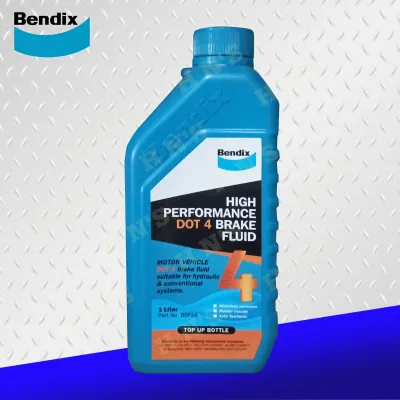
Prices are valid at publication and may change. Please refer to the product page for the latest price.
Quick Answer: Which Brake Fluid Is Right for Your Car?
The ultimate authority for selecting your brake fluid is your vehicle manufacturer. You can find this specification clearly printed in your vehicle’s owner’s manual or stamped directly onto the master cylinder reservoir cap under the hood. Always verify this specification before purchasing or adding any fluid to your system, as vehicle models, production years, and braking system designs dictate precise fluid requirements.
While DOT 4 brake fluid offers higher boiling points and is engineered to withstand more demanding thermal conditions, it is not a universal “upgrade” for every vehicle originally designed to use DOT 3. Some older braking systems utilize natural rubber seals and hoses that may degrade prematurely when exposed to the specific additive packages found in certain DOT 4 formulations. Conversely, you must never use DOT 3 brake fluid in a system that explicitly requires DOT 4. Doing so significantly lowers the boiling threshold of the hydraulic system, introducing a severe risk of brake fade and hydraulic failure under heavy braking loads.
Because the braking system is your vehicle’s primary safety mechanism, any maintenance or fluid selection must be approached with extreme caution. If you are ever in doubt about fluid compatibility, system requirements, or the physical condition of your hydraulic lines, consult a qualified professional mechanic or an authorized dealership technician before operating the vehicle.
Understanding DOT Ratings: What the Numbers Actually Mean
To make an informed choice, it is helpful to understand the regulatory framework that governs these fluids. The acronym “DOT” stands for the Department of Transportation, which establishes stringent safety and performance standards for automotive fluids. Specifically, brake fluids are regulated under the Federal Motor Vehicle Safety Standard No. 116 (FMVSS 116) in many global markets, establishing the baseline criteria that manufacturers must meet to label and sell their products.

Both DOT 3 and DOT 4 are glycol-ether-based fluids. This chemical base is chosen for its excellent lubricity, stable viscosity across a wide temperature range, and compatibility with the synthetic rubber seals commonly used throughout automotive hydraulic systems. However, glycol-ether is also hygroscopic, meaning it naturally and continuously absorbs moisture from the surrounding atmosphere over time.
It is a common misconception that the numbers “3” and “4” represent quality grades, implying that a higher number is automatically better for every vehicle on the road. In reality, these numbers designate specific performance thresholds established by FMVSS 116. These thresholds primarily dictate minimum dry and wet boiling points, low-temperature viscosity limits, and chemical stability. A vehicle engineered for DOT 3 is designed around the specific viscosity and chemical properties of that standard, meaning a higher-rated fluid is only beneficial if the system’s materials and electronic components are fully compatible with it.
Core Differences: Boiling Points, Moisture Absorption, and Braking Performance
The physical performance differences between DOT 3 and DOT 4 are defined by how they handle heat, manage moisture, and maintain their flow characteristics under extreme conditions. Understanding these three core dimensions reveals why choosing the correct fluid is so vital to your safety on the road.
Boiling Points (Dry vs. Wet)
When you apply your brakes, the friction between the brake pads and rotors generates intense heat. This thermal energy transfers directly into the brake calipers and the fluid circulating within them. If the brake fluid reaches its boiling point, it undergoes a phase change from an incompressible liquid into a highly compressible gas. This phenomenon, known as vapor lock, causes the brake pedal to feel spongy or fall completely to the floorboard, resulting in a sudden and dangerous loss of stopping power.
To prevent vapor lock, regulatory standards mandate minimum “dry” and “wet” boiling points for each DOT rating:
- Dry Boiling Point: This represents the boiling temperature of fresh, uncontaminated fluid straight from a newly opened, sealed container.
- DOT 3 Minimum: 205°C (401°F)
- DOT 4 Minimum: 230°C (446°F)
- Wet Boiling Point: This represents the boiling temperature of the fluid after it has absorbed approximately 3.7% water by volume. This level of contamination typically occurs after one to two years of service in normal operating conditions, and even faster in highly humid environments.
- DOT 3 Minimum: 140°C (284°F)
- DOT 4 Minimum: 155°C (311°F)
While these are the minimum regulatory standards, premium formulations often exceed these thresholds. Always check the exact specifications printed on the product label to verify the performance limits of the specific fluid you are purchasing.
Moisture Absorption (Hygroscopy)
Because glycol-ether-based fluids are hygroscopic, they actively draw moisture through microscopic pores in the flexible rubber brake hoses, reservoir cap seals, and joints. In tropical climates with high relative humidity, such as the Philippines, this moisture absorption occurs at an accelerated rate.
As water enters the system, it does not pool separately; instead, it mixes completely with the glycol-ether fluid. This is an intentional safety design, as pooling water would freeze in cold climates or boil at just 100°C, causing immediate localized vapor lock. However, as the water content increases, the overall boiling point of the mixture drops dramatically. DOT 4 fluids are formulated with advanced additive packages, often including borate esters, which chemically bind with the absorbed water to mitigate this decline. This chemical structure allows DOT 4 to maintain a higher wet boiling point over its service life compared to DOT 3, providing a larger safety margin under prolonged thermal stress.
Viscosity and System Response
Viscosity refers to a fluid’s resistance to flow, and it plays a critical role in the operation of modern vehicle safety systems. Modern vehicles equipped with advanced Anti-lock Braking Systems (ABS), Electronic Stability Control (ESC), and traction control rely on rapid, micro-second valve adjustments to modulate brake pressure at individual wheels. These systems require a fluid that maintains a consistent, low viscosity even in extreme temperatures to ensure near-instantaneous response times.
At extremely low temperatures, DOT 3 fluid has a maximum allowable viscosity of 1,500 centistokes (cSt), while standard DOT 4 has a higher limit of 1,800 cSt. Because standard DOT 4 can be slightly thicker than DOT 3 when cold, some modern vehicles require specialized low-viscosity formulations, such as DOT 4 LV or Class 6 fluids. These low-viscosity variants are engineered to flow exceptionally well in cold conditions, ensuring that ABS and ESC modulators function precisely as designed. If your vehicle specifies a low-viscosity fluid, using a standard, high-viscosity fluid can delay system response times and compromise electronic safety interventions.
Compatibility and Mixing: Can You Swap or Mix DOT 3 and DOT 4?
One of the most frequent maintenance questions vehicle owners ask is whether these two fluids can be mixed or swapped during routine servicing. Because both are glycol-ether-based, they are chemically compatible in an emergency, but doing so carries significant operational trade-offs and safety risks that you must carefully evaluate.
Upgrading (DOT 3 to DOT 4)
If your vehicle’s manufacturer specifies DOT 3, upgrading to DOT 4 is generally permissible, but it is not a simple “pour-in” procedure. To safely transition to DOT 4, you must perform a complete hydraulic system flush. This process involves purging all old DOT 3 fluid from the master cylinder, lines, and calipers, and replacing it entirely with fresh DOT 4.
Before initiating an upgrade, you must verify that your vehicle’s rubber seals, hoses, and internal master cylinder components are fully compatible with the chemical additives present in the DOT 4 fluid. Some older or classic vehicles utilize specific elastomer compounds that can swell, soften, or degrade when exposed to the borate esters found in DOT 4. Always refer to your vehicle’s service manual or consult a certified automotive specialist to confirm compatibility before performing an upgrade.
Downgrading (DOT 4 to DOT 3)
Under no circumstances should you downgrade a vehicle that specifies DOT 4 to DOT 3. If a manufacturer has designed a braking system around DOT 4, it is because the vehicle generates thermal loads that exceed the safety limits of DOT 3 fluid. This is common in heavier vehicles, turbocharged models, or cars equipped with compact, high-performance brake assemblies.
Using DOT 3 in a DOT 4 system compromises the safety margins engineered by the manufacturer. If you subject the vehicle to demanding conditions—such as descending steep mountain roads or navigating prolonged stop-and-go traffic—the lower boiling point of the DOT 3 fluid can cause early vapor lock, resulting in sudden brake fade and a dangerous reduction in stopping performance.
The Danger of Mixing
While mixing DOT 3 and DOT 4 will not cause an immediate chemical reaction that gels or solidifies the fluid, it is highly discouraged as a standard maintenance practice. When you mix these two fluids, you alter the chemical balance and dilute the additive packages. Most importantly, the boiling point of the resulting mixture does not scale linearly; instead, it drops significantly toward the level of the lower-rated fluid.
If you top off a DOT 4 system with DOT 3, you effectively reduce the entire system’s thermal capacity to DOT 3 standards, rendering the vehicle unsafe for the high-temperature operating conditions it was designed to handle. If you must mix fluids in an emergency situation to restore hydraulic pressure, you should schedule a professional, comprehensive system flush as soon as possible to restore the system to its single, correct fluid specification.
How to Decide: Choosing Between DOT 3 and DOT 4
Deciding which fluid to use should not involve guesswork. By applying a structured, conditional decision framework, you can ensure your choice aligns perfectly with your vehicle’s engineering and your daily driving conditions.
Choose DOT 3 if:
- Manufacturer Recommendation: Your vehicle's owner's manual or master cylinder cap explicitly specifies DOT 3 as the required fluid.
- Older Vehicle Design: You drive an older or classic car whose braking system components and rubber seals were specifically engineered for DOT 3 chemistry and may not tolerate DOT 4 additives.
- Light-Duty Driving: Your daily commute consists of normal, flat-terrain driving under light loads, where brake temperatures remain well within standard operating limits.
Choose DOT 4 if:
- Manufacturer Recommendation: Your vehicle's documentation explicitly mandates DOT 4 fluid.
- Heavy-Duty or Demanding Conditions: You frequently drive in heavy, stop-and-go metropolitan traffic, carry heavy passenger or cargo loads, tow trailers, or navigate steep, winding mountain descents where constant braking generates extreme thermal energy.
- Modern Performance Requirements: Your vehicle is a newer model engineered to utilize the higher wet boiling point and advanced additive protection that DOT 4 provides.
Verify First if:
- Upgrading: You are planning to transition an older DOT 3 system to DOT 4, which requires verifying seal compatibility and performing a complete system flush.
- Advanced Safety Systems: Your vehicle features high-performance ABS, ESC, or traction control systems that may require a specialized low-viscosity fluid (such as DOT 4 LV) rather than standard DOT 4.
- Unclear Documentation: The markings on your reservoir cap are faded, or the owner's manual is missing. Never guess when dealing with brake components; always consult a certified technician or contact the manufacturer to verify the exact specification before adding any fluid.
Brake Fluid Maintenance: When to Flush and Replace
Regardless of whether your vehicle utilizes DOT 3 or DOT 4, brake fluid is a consumable item that degrades over time. Because it continuously absorbs moisture from the atmosphere, its boiling point steadily decreases, and the accumulated water can cause internal corrosion within your hydraulic system.
Visual Inspection and Contamination Checks
To monitor the health of your brake fluid, perform regular visual inspections of the master cylinder reservoir:
- Fresh Fluid: When new, brake fluid should be clear, transparent, or exhibit a very pale, light amber tint.
- Degraded Fluid: As the fluid ages and absorbs moisture, dirt, and wear particles from the rubber seals, it turns a dark yellow, amber, or brown color.
- Severely Contaminated Fluid: If the fluid appears dark brown, cloudy, or black, it is severely contaminated. This indicates a high concentration of moisture and oxidized debris, which can corrode expensive internal components like your ABS modulator valves, calipers, and master cylinder pistons.
Recommended Flush Intervals
As a general safety guideline, most vehicle manufacturers recommend performing a complete brake fluid flush every two years or every 20,000 to 40,000 kilometers, whichever comes first. However, you should always consult your specific vehicle’s maintenance schedule, as driving habits and environmental conditions can alter these intervals. In hot, humid tropical regions, more frequent testing or flushing may be required to prevent moisture-induced corrosion and maintain an adequate safety margin against vapor lock.
The Importance of Professional Servicing
Flushing and bleeding a braking system requires precision and specialized tools. If air is introduced into the hydraulic lines during the process, it will compress under pressure, leading to a spongy brake pedal, delayed response times, and a severe reduction in overall braking efficiency.
Additionally, brake fluid is highly corrosive to automotive finishes. If spilled on your vehicle’s paint, it can act as a paint stripper, causing immediate and permanent damage. If a spill occurs, it must be flushed immediately with copious amounts of water and car-safe soap. For these reasons, it is highly recommended to have your brake fluid flushed and bled by a qualified, professional technician who can ensure the system is completely free of air, properly sealed, and filled with the exact fluid formulation required for your vehicle.
Frequently Asked Questions (FAQ)
Is DOT 5 the same as DOT 4?
No, DOT 5 is completely different from DOT 4 and must never be used as a substitute or mixed with it. While DOT 3, DOT 4, and DOT 5.1 are glycol-ether-based fluids, DOT 5 is a silicone-based fluid.
Because silicone and glycol-ether do not mix, combining DOT 5 with DOT 4 will cause the fluids to separate, creating a thick, gelatinous substance that can clog the micro-valves of your ABS system, destroy rubber seals, and lead to catastrophic brake failure. DOT 5 is typically reserved for specialized military vehicles, classic show cars that sit idle for long periods, or specific Harley-Davidson motorcycles. If your vehicle requires a glycol-based fluid, you must never introduce DOT 5 into the system.
Can I mix different brands of DOT 4 brake fluid?
Yes, in an emergency or routine top-off scenario, you can mix different brands of DOT 4 brake fluid, provided that both products are from reputable manufacturers and are certified to meet the exact same FMVSS 116 DOT 4 specification.
However, while mixing brands is acceptable for minor top-offs, it is not the ideal practice for long-term maintenance. Different manufacturers utilize proprietary additive packages and chemical stabilizers to achieve their performance ratings. Mixing these formulations can slightly alter the fluid’s overall chemical balance and longevity. For optimal performance, system cleanliness, and consistent boiling point protection, performing a complete system flush using a single, high-quality brand of fresh fluid is always the best practice.
Community discussion
Share your experience or ask a question. Comments are reviewed before publication.