
The Yamaha NMAX is a staple on roads across the Philippines, serving as a reliable daily commuter for navigating tight city streets and embarking on long weekend rides. To keep this popular scooter running safely, maintaining its braking system is paramount. When it comes to hydraulic brake maintenance, a common question arises: should you use DOT 3 or DOT 4 brake fluid for your Yamaha NMAX?
To answer this directly, Yamaha generally recommends DOT 4 brake fluid for modern scooters like the NMAX. This fluid is chosen because of its superior ability to withstand high temperatures and maintain stable hydraulic pressure under demanding riding conditions. However, because motorcycle specifications can occasionally vary depending on the model year, production region, or aftermarket modifications, a crucial verification step is always required before you perform any maintenance.
Before purchasing or pouring any fluid, you must verify the exact requirements for your specific NMAX model. This can be done by checking two primary sources: the official Yamaha NMAX owner’s manual for your model year and the text stamped directly onto the plastic or metal cap of the brake master cylinder reservoir located on your handlebars.
Products mentioned in this guide
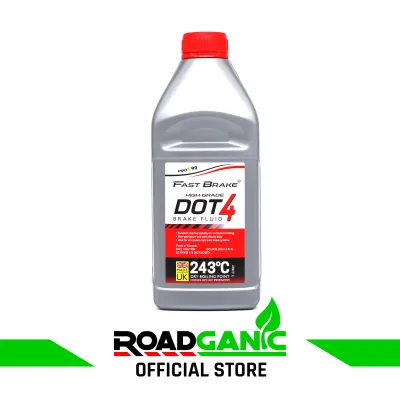
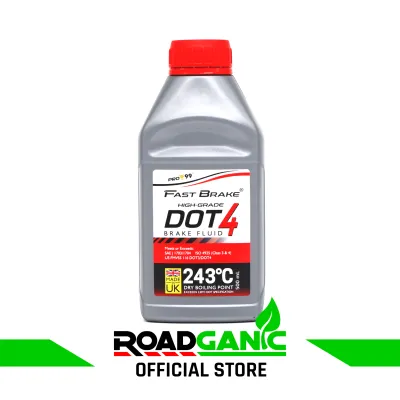
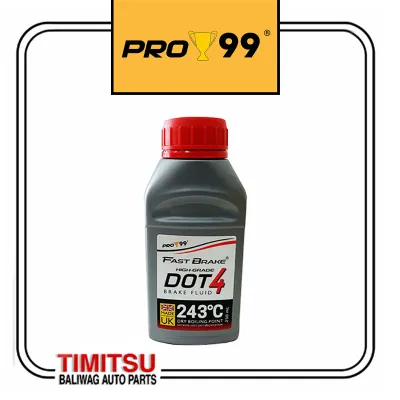
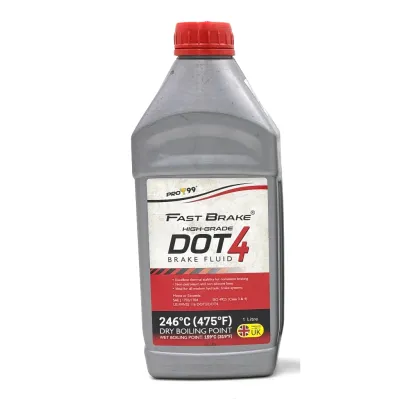
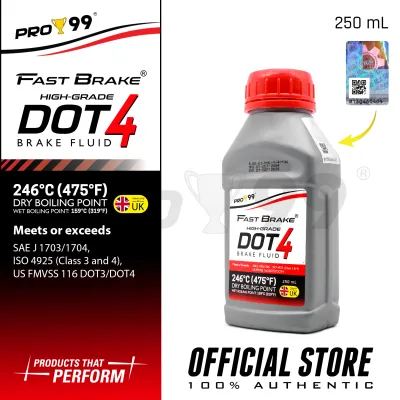
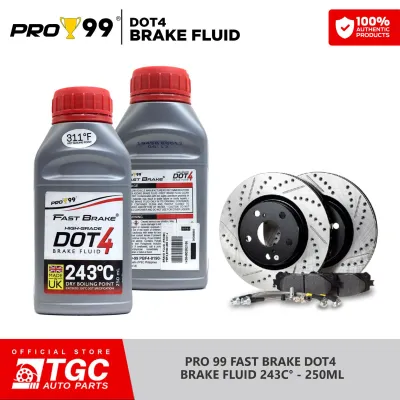
Prices are valid at publication and may change. Please refer to the product page for the latest price.
Under no circumstances should you downgrade the fluid type below what is specified by the manufacturer. The braking system is a critical safety component of your motorcycle; using a lower-grade fluid than recommended can compromise your stopping power, increase the risk of brake fade, and jeopardize your safety on the road. Always check the applied product’s label and the treated item’s manufacturer instructions. If instructions conflict, or if you are unsure of your vehicle’s specifications, stop immediately and consult a qualified professional.
DOT 3 vs DOT 4: How They Compare in Boiling Point and Performance
To understand why DOT 4 is the standard recommendation for the Yamaha NMAX, it helps to examine how these fluids differ in chemical composition and physical performance. Both DOT 3 and DOT 4 are glycol-based fluids, meaning they share a similar chemical foundation of polyalkylene glycol ethers. This shared base allows them to operate within similar hydraulic systems, but their performance envelopes—specifically regarding heat tolerance and moisture management—are significantly different.
The most critical performance metric for any brake fluid is its boiling point, which is measured in two states: dry and wet. The dry boiling point refers to the temperature at which brand-new, uncontaminated fluid out of a freshly sealed bottle will begin to boil. The wet boiling point represents the boiling temperature of the fluid after it has absorbed a specific volume of water (typically around 3.7% by volume) from the surrounding environment.
According to the Federal Motor Vehicle Safety Standard (FMVSS) 116, the minimum temperature requirements for these fluids are clearly defined. DOT 3 brake fluid must have a minimum dry boiling point of 205°C (401°F) and a minimum wet boiling point of 140°C (284°F). In contrast, DOT 4 brake fluid is formulated with borate esters to enhance its thermal properties, raising the minimum dry boiling point to 230°C (446°F) and the minimum wet boiling point to 155°C (311°F).
These temperature differences have a direct, practical impact on how your Yamaha NMAX performs on the road. When you ride through the heavy, stop-and-go traffic of Metro Manila, or when you descend steep, winding mountain roads in places like Tagaytay or Benguet, you rely heavily on your brakes. This continuous friction between the brake pads and the brake rotors generates intense heat. This heat is transferred directly from the brake calipers into the hydraulic fluid.
If the temperature of the brake fluid exceeds its boiling point, the liquid will begin to vaporize, creating gas bubbles within the brake lines. Unlike liquid, which is virtually incompressible, gas compresses easily under pressure. When you squeeze the brake lever on a system with boiled fluid, the lever will feel spongy or soft, and the force you apply will go into compressing the gas bubbles rather than pushing the brake pads against the rotors. This dangerous phenomenon is known as brake fade, and it can dramatically increase your stopping distance or lead to a complete loss of braking ability.
Another key factor to consider is moisture absorption. Both DOT 3 and DOT 4 fluids are hygroscopic, meaning they naturally absorb moisture from the air over time. In a tropical country like the Philippines, where relative humidity levels are consistently high throughout the year, this moisture absorption happens continuously. Water enters the system through microscopic pores in the flexible rubber brake lines and through the reservoir seals every time the cap is opened or as the system breathes during temperature cycles.
As moisture accumulates in the fluid, the boiling point of the mixture drops from the dry rating toward the wet rating. Because DOT 4 starts with a higher dry boiling point, it retains a safer operating margin even as it absorbs moisture over its service life. However, because of its chemical additives, DOT 4 can sometimes absorb moisture slightly faster or rely on specific additive packages to maintain its stability, making regular fluid flushes essential to keep the braking system of your NMAX functioning optimally.
| Characteristic | DOT 3 | DOT 4 | Impact on Yamaha NMAX |
|---|---|---|---|
| Chemical Base | Glycol-based | Glycol-based | Fully compatible base, but additives differ. |
| Minimum Dry Boiling Point | 205°C (401°F) | 230°C (446°F) | DOT 4 offers higher resistance to heat under heavy braking. |
| Minimum Wet Boiling Point | 140°C (284°F) | 155°C (311°F) | DOT 4 retains a safer boiling point as it absorbs moisture. |
| Moisture Absorption Rate | Moderate | Moderate to High | Requires regular flushing to maintain performance in humid climates. |
| Ideal Use Case | Older vehicles, light commuting | Modern scooters, ABS-equipped bikes, heavy traffic | DOT 4 is recommended to prevent brake fade and protect ABS pumps. |
Can You Mix DOT 3 and DOT 4 Brake Fluids?
A common dilemma faced by many motorcycle owners during routine maintenance or emergency situations is whether different grades of brake fluid can be mixed. Because both DOT 3 and DOT 4 are glycol-based, they are chemically compatible. If you mix them together in your NMAX’s braking system, they will not undergo an adverse chemical reaction, they will not form sludge or jelly, and they will not damage the internal rubber seals or metal components of your brake lines.

However, just because they are chemically compatible does not mean mixing them is a good practice. The primary consequence of mixing DOT 3 and DOT 4 is a significant compromise in performance. When you add a lower-performing fluid (DOT 3) to a system designed for a higher-performing fluid (DOT 4), you lower the overall boiling point of the entire mixture. The resulting fluid blend will have a boiling point closer to the lower limit of DOT 3, effectively defeating the purpose of using DOT 4 in the first place.
For a high-performance scooter like the Yamaha NMAX—especially variants equipped with an Anti-lock Braking System (ABS)—maintaining the higher boiling point of DOT 4 is critical. ABS modulators operate with rapid pressure pulses and generate additional heat within the hydraulic control unit. Reducing the boiling point of the fluid increases the risk of localized boiling within the ABS pump, which can cause the safety system to malfunction or fail during an emergency stop.
Therefore, the actionable recommendation is to avoid intentional mixing. If you find yourself in an emergency situation where your brake fluid level is dangerously low, and only DOT 3 is available, topping up with DOT 3 is acceptable to restore hydraulic pressure and allow you to ride safely to a service center. However, this should only be treated as a temporary measure. As soon as possible, you must perform a complete brake system flush to remove the mixed fluid and refill the system entirely with fresh, high-quality DOT 4 brake fluid.
Buying Guide: Choosing the Right DOT 4 Fluid in the Philippines
When purchasing brake fluid for your Yamaha NMAX in the Philippines, making an informed choice ensures both optimal performance and safety. The first step is to carefully read the product label. Look for clear indications that the fluid meets or exceeds the FMVSS 116 DOT 4 standard. While standard automotive DOT 4 fluids are generally compatible, choosing a fluid specifically formulated for motorcycles and scooters can be highly beneficial. These specialized fluids are often designed to handle the rapid thermal cycles and smaller fluid volumes characteristic of two-wheeled braking systems.
Another critical factor to keep in mind is the packaging size. Because glycol-based brake fluids are highly hygroscopic, they begin absorbing moisture from the air the moment the factory seal is broken. Once a bottle is opened, its shelf life is severely limited. Storing a half-empty, loosely capped bottle of brake fluid in your garage for months or years will allow it to absorb atmospheric humidity, rendering it degraded and unsafe for future use.
For this reason, it is highly recommended to purchase small, single-use containers, such as 100ml or 250ml bottles. A typical Yamaha NMAX braking system requires a relatively small volume of fluid for a complete flush. Buying a smaller bottle ensures that you are always pouring completely fresh, uncontaminated fluid into your reservoirs, and you can discard any small amount of leftover fluid without significant waste.
Where you purchase your brake fluid is just as important as the specification itself. The market in the Philippines has seen an influx of counterfeit and sub-standard automotive products, which pose an extreme safety risk when applied to critical systems like brakes. To ensure you are getting genuine, high-quality fluid, buy directly from authorized Yamaha 3S shops, reputable local motorcycle supply stores, or official brand flagship stores on trusted online marketplaces. Avoid purchasing unbranded, suspiciously cheap, or unsealed bottles from unauthorized sellers.
When selecting a brand, sticking to well-known, established names in the lubricant and motorcycle industry is the safest approach. Brands such as Yamalube (Yamaha’s proprietary line), Motul, Castrol, and Repsol are widely available in the Philippines and have proven track records of safety and performance. Investing a small amount more in a reputable brand provides peace of mind that your stopping power is backed by rigorous quality control.
Safe Maintenance: Inspecting and Replacing Your Brake Fluid
Regular inspection and timely replacement of your brake fluid are essential to keep your Yamaha NMAX’s braking system in top condition. Fortunately, conducting a visual inspection is a simple task that you can perform during your pre-ride checks. The NMAX features a small circular sight glass on the brake master cylinder reservoirs located on the handlebars.
To inspect the fluid, park your scooter on a level surface using the center stand and straighten the handlebars. Look through the sight glass to check the fluid level and color. The fluid level should be well above the lower limit mark. The color of fresh DOT 4 fluid should be clear or have a very light, straw-like yellow tint. If you notice that the fluid has turned dark brown, cloudy, or black, this is a clear indication that it has absorbed excessive moisture and is contaminated with microscopic wear particles from the rubber seals. Dark fluid has a significantly lowered boiling point and must be replaced immediately.
As a general industry guideline, glycol-based brake fluids should be flushed and replaced every 1 to 2 years, regardless of mileage, due to continuous moisture absorption. However, you must always defer to the official maintenance schedule in your Yamaha NMAX service manual, as severe riding conditions—such as daily commuting in heavy rain or highly humid coastal areas—may necessitate more frequent changes.
Replacing brake fluid and bleeding the lines is a precise procedure. “Bleeding” involves purging any air bubbles that have entered the hydraulic system. Because air is highly compressible, even a tiny bubble trapped in the brake line can cause a spongy brake lever and a catastrophic reduction in braking force.
If you decide to perform this maintenance yourself, you must strictly follow the original-vehicle instructions and use the correct tools, including a proper flare nut wrench to avoid stripping the bleed valves, clear vinyl tubing, and a suitable catch container. You must also take extreme care to protect your scooter’s bodywork; brake fluid is highly corrosive and can permanently damage paint, plastics, and instrument lens covers if spilled.
However, if you lack the proper tools, feel unsure about any step of the process, or encounter a seized or stuck bleeder valve, you must stop immediately. Do not attempt to force components or guess the bleeding sequence, especially on ABS-equipped NMAX models, which require specific techniques to ensure the ABS modulator is fully purged of air. In these situations, always consult a qualified motorcycle mechanic at an authorized service center to ensure your braking system is safely and professionally pressurized.
Frequently Asked Questions (FAQ)
Can I use DOT 5.1 in my Yamaha NMAX?
Yes, DOT 5.1 is a glycol-based fluid and is technically compatible with systems designed for DOT 4. It offers an even higher boiling point, which can provide an extra margin of safety under extreme riding conditions. However, for standard daily commuting on a Yamaha NMAX, DOT 5.1 is generally unnecessary and more expensive. You must never, under any circumstances, use DOT 5 brake fluid. DOT 5 is silicone-based, completely incompatible with glycol-based systems, and mixing them will cause the fluid to gel, leading to catastrophic brake system failure.
Why does my brake fluid turn dark so quickly?
Brake fluid naturally darkens over time as it performs its job. Glycol-based fluids are highly active and absorb moisture, which reacts with the metal and rubber components in the system. Additionally, microscopic rubber particles from the piston seals inside the master cylinder and calipers wear off during normal use and suspend themselves in the fluid. This darkening is a normal indicator of aging and contamination, reinforcing the importance of performing a complete system flush rather than simply topping up the reservoir.
Community discussion
Share your experience or ask a question. Comments are reviewed before publication.